
Last updated September 23, 2026
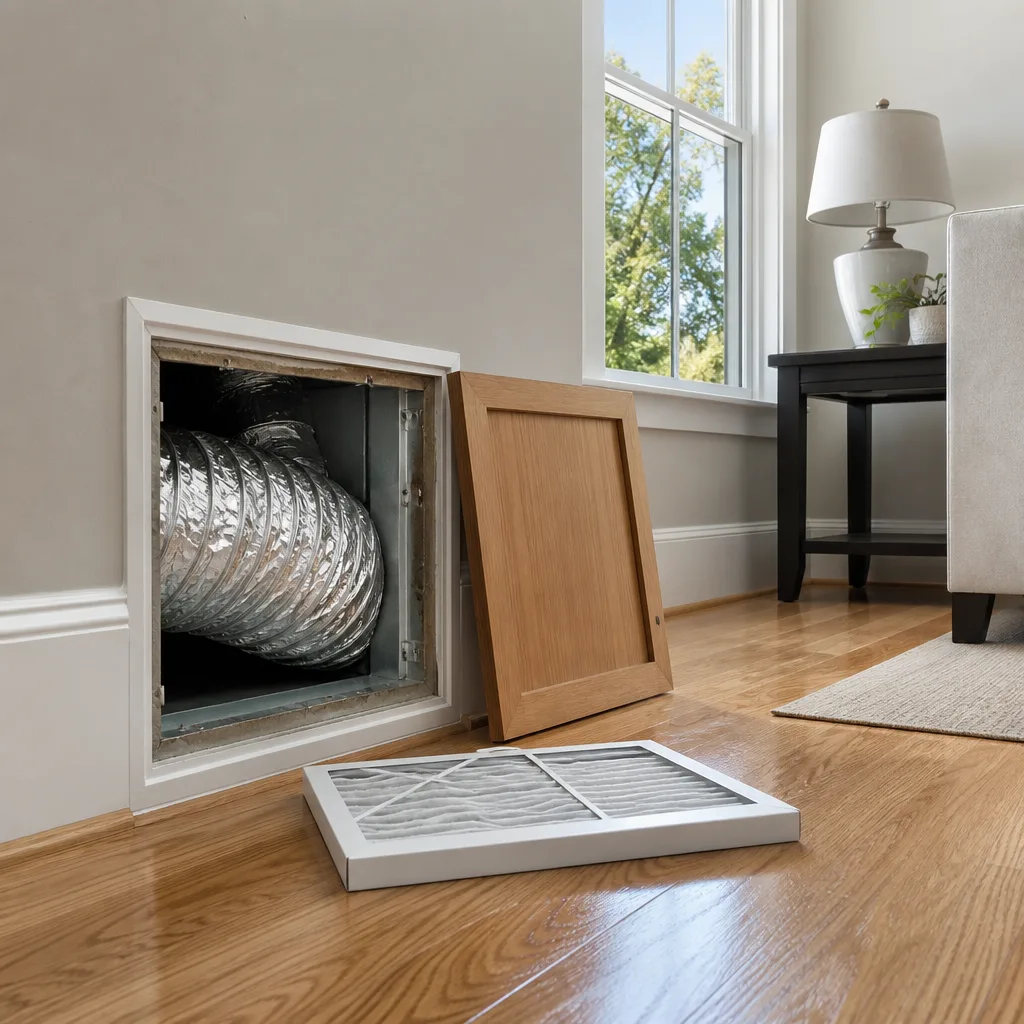
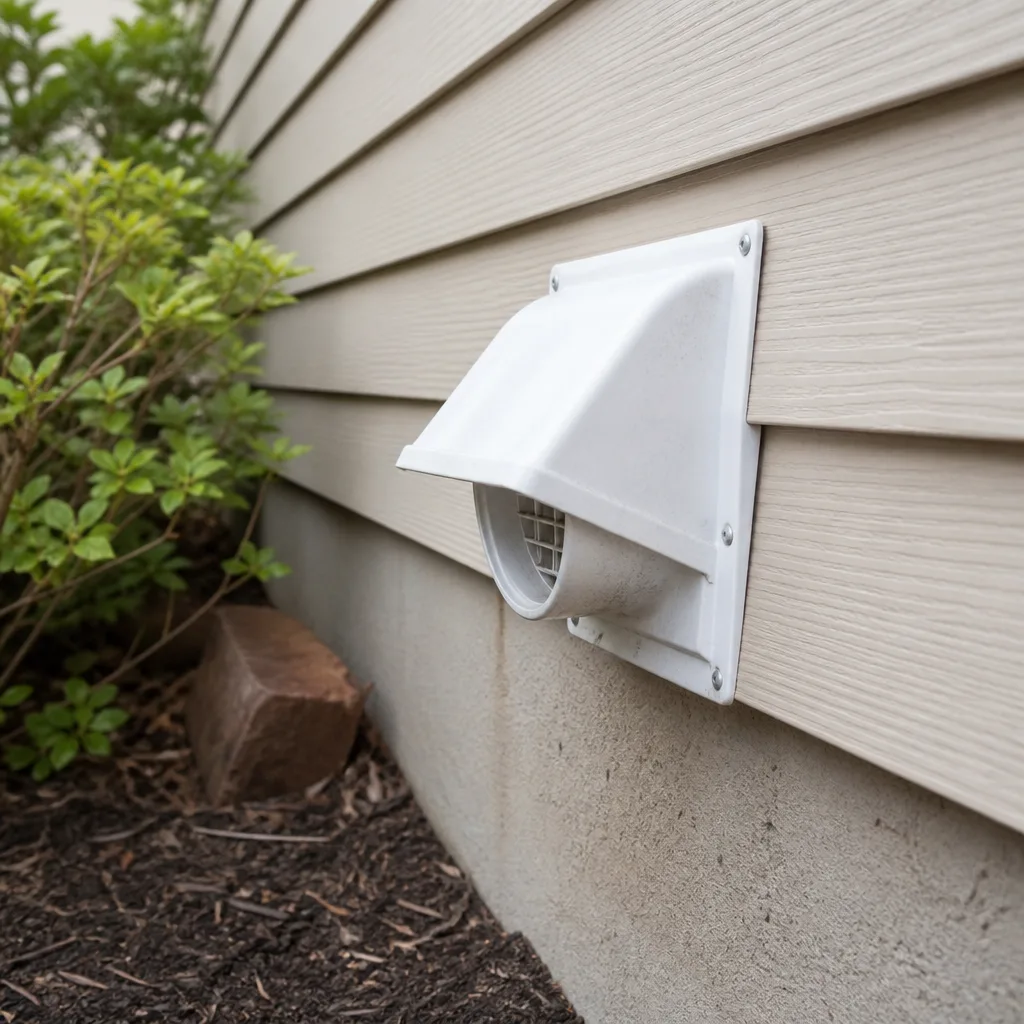
Whole-system duct and dryer vent check with before-and-after photos - you see exactly what came out of your vents
That "$99 whole-house special" is a bait ad - the real number appears once they are in your hallway, or the "clean" is a shop-vac at the register. We photograph the inside of your ducts before and after instead.
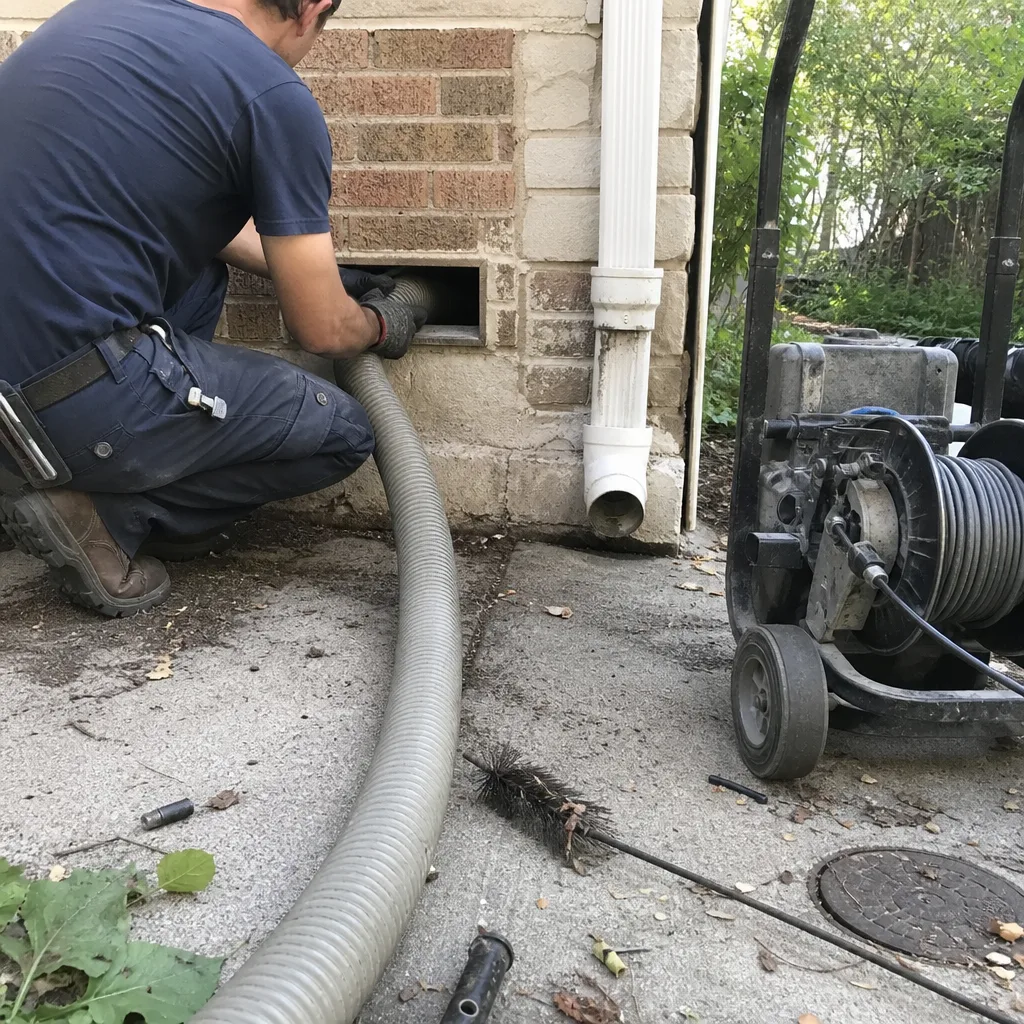 Before
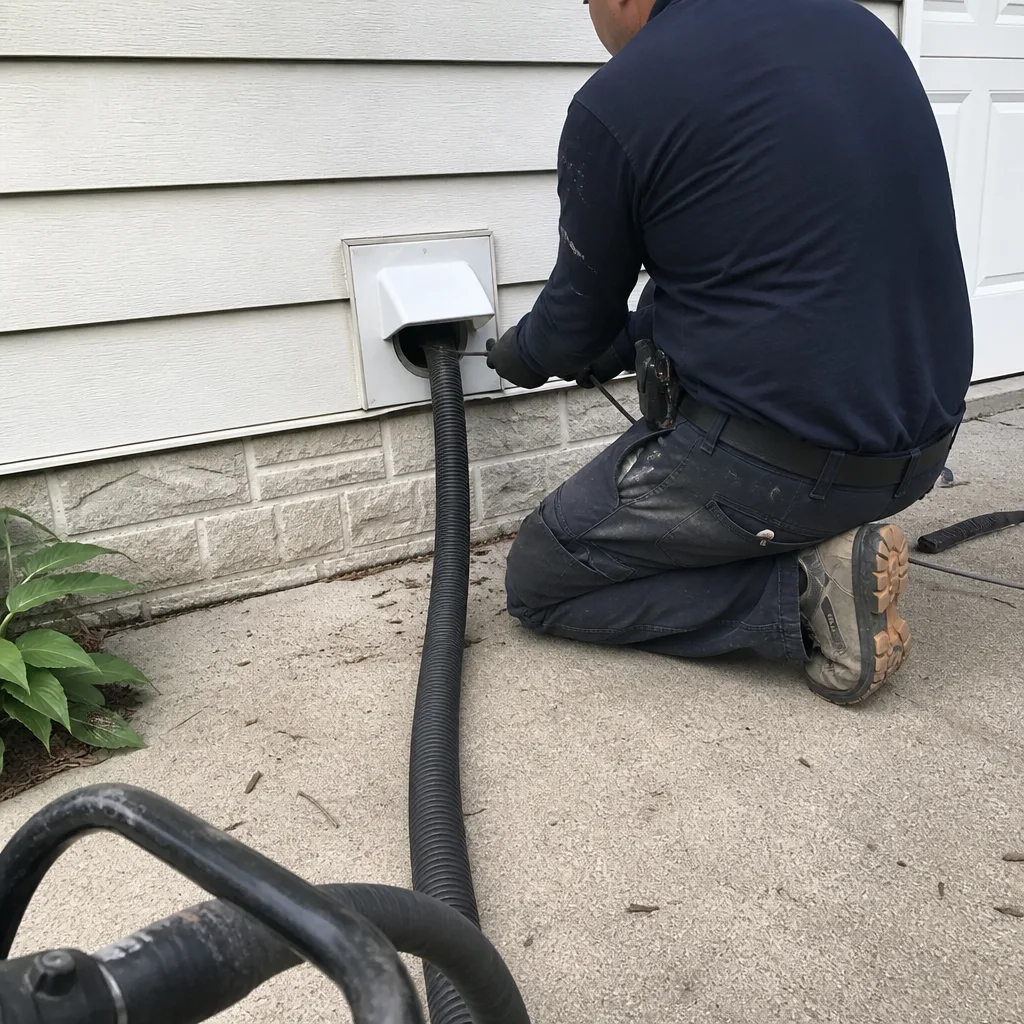 After
After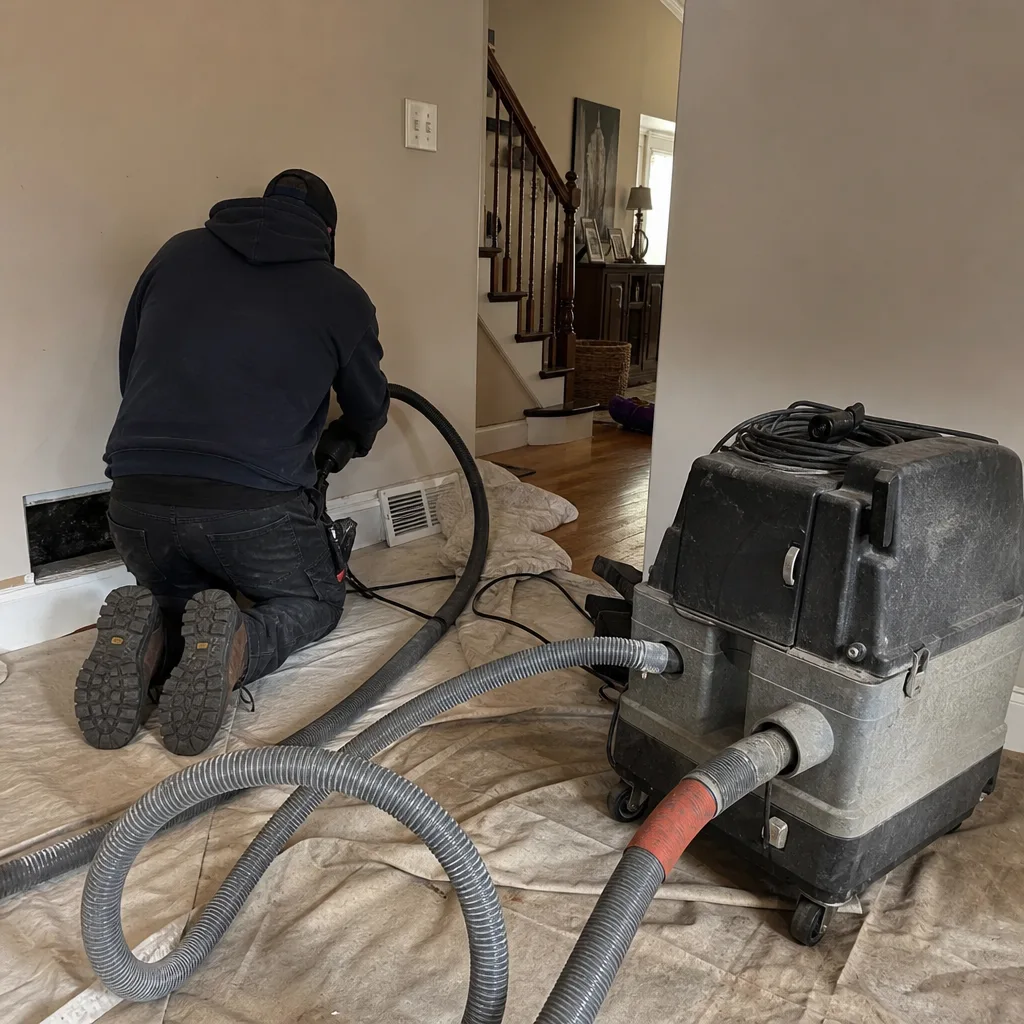 Before
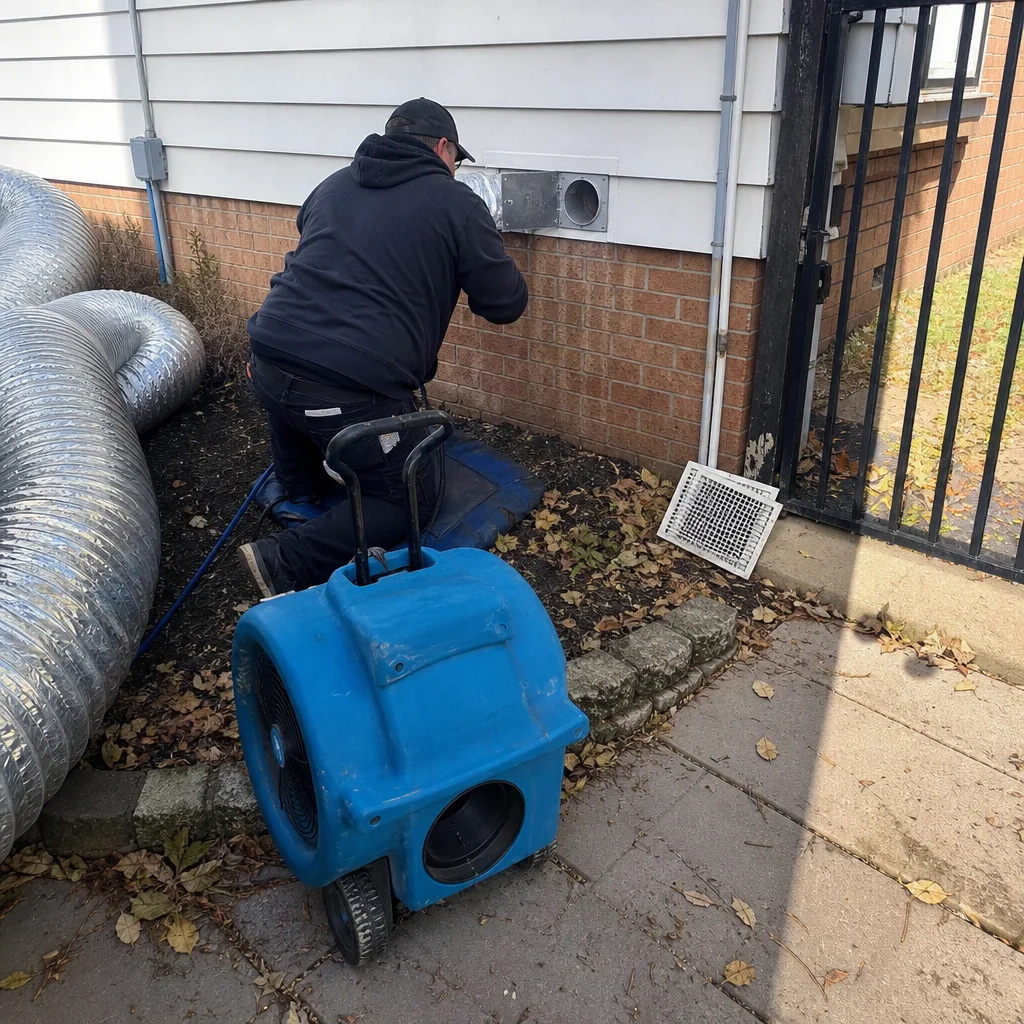 After
After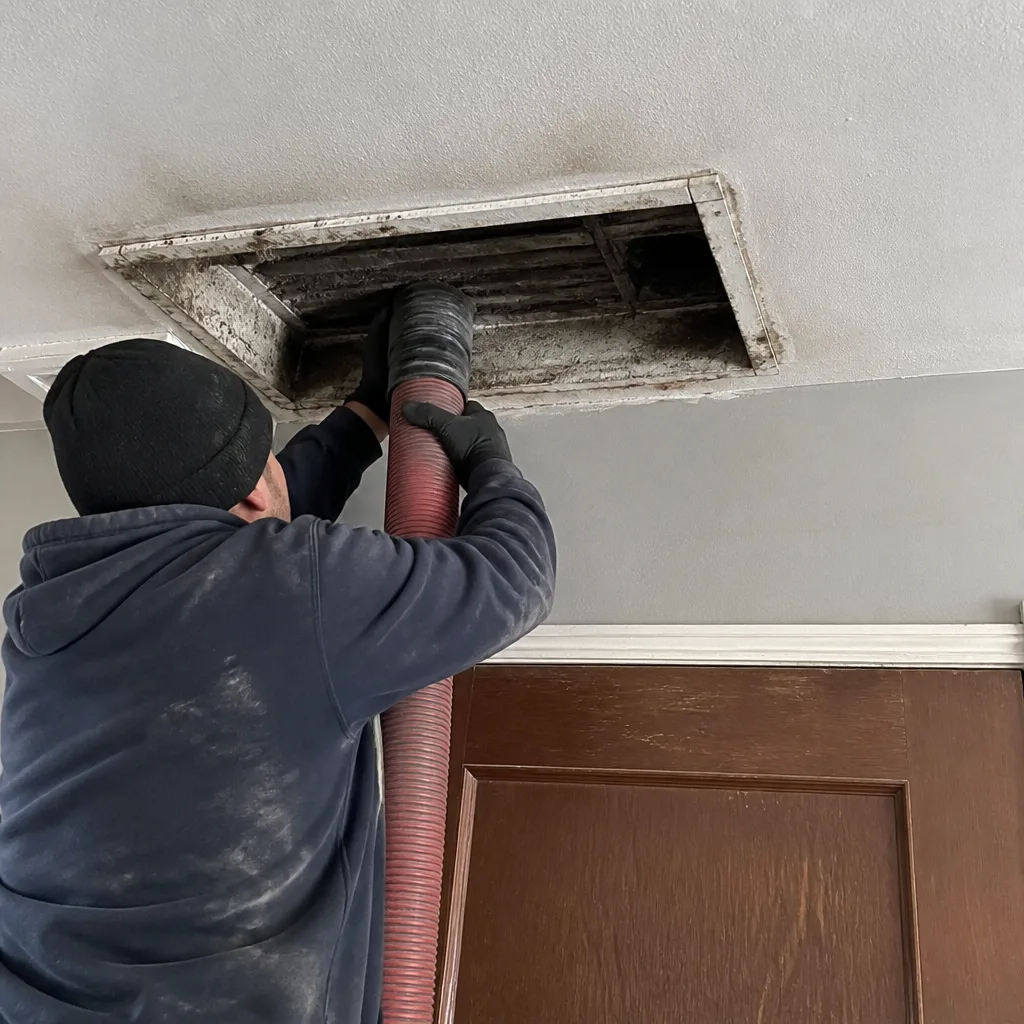 Before
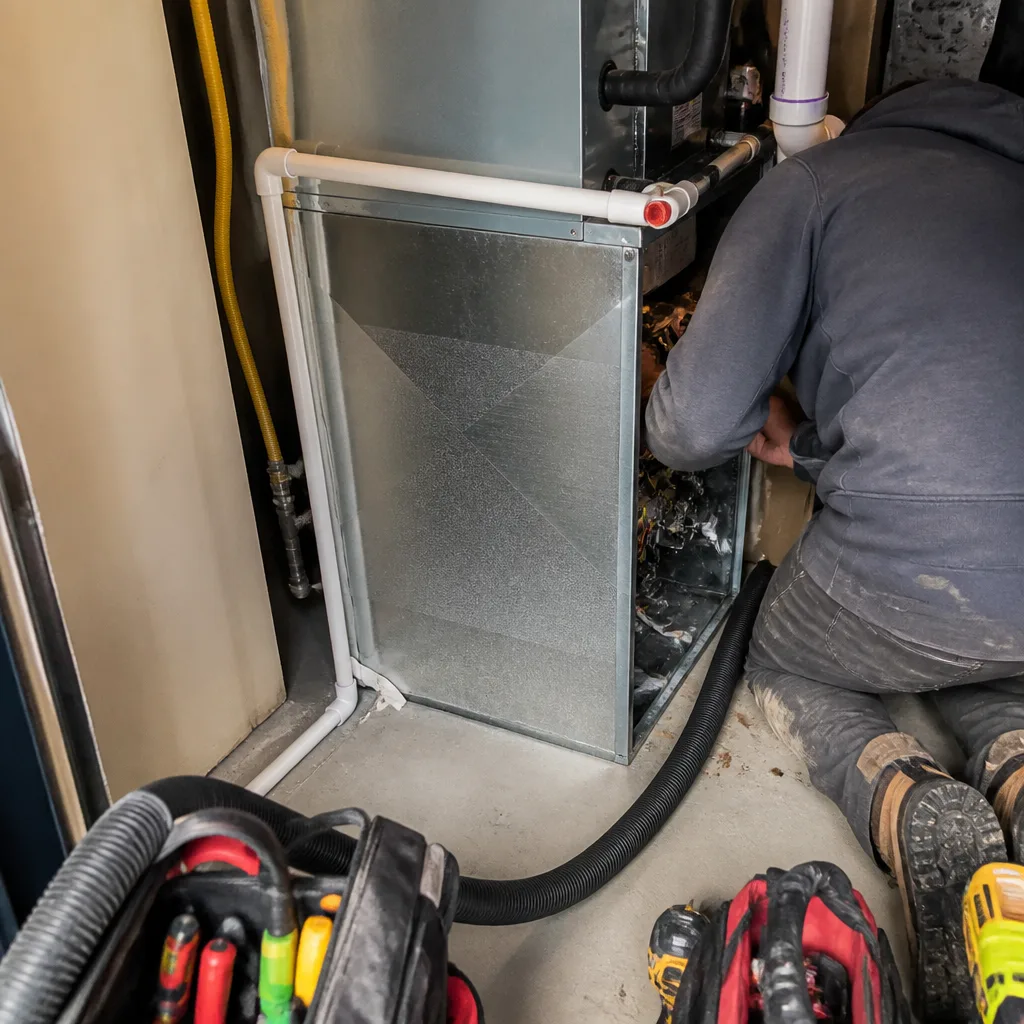 After
AfterHow to Hire a Air Duct Cleaning Contractor in Chicago: A Step-by-Step Guide
Illinois does not license air duct cleaning contractors at the state level. That means the company with a $6,000 truck wrap and a five-star Google rating has passed exactly the same regulatory bar as a guy with a shop vac and a Craigslist ad - zero. In Chicago, where seasonal temperature swings force HVAC systems to work overtime and older housing stock in neighborhoods like Logan Square and Hyde Park produces unique debris profiles, this gap matters. This guide gives you four concrete verification steps to close it yourself, plus the specific questions and documentation to demand before anyone removes a vent cover in your home for Air Duct Cleaning.
Quick Answer
To hire a legitimate air duct cleaning contractor in Chicago, verify NADCA technician-level certification (not just company membership), demand a written quote that names your exact duct count and equipment CFM rating, require live camera footage before any additional work is approved, and confirm the technician is a direct employee with general liability insurance that specifically covers ductwork damage. These four steps eliminate most bait-and-switch operators in a market where state licensing does not exist.
Table of Contents
- Why the Illinois Licensing Gap Matters for Chicago Homeowners
- Step 1: Verify NADCA Certification (Not Just Company Membership)
- Step 2: Demand a Written Quote That Names Real Equipment
- Step 3: Require Live Camera Inspection Before Additional Work
- Step 4: Ask Four Questions That Expose Lead-Gen Resellers
- How to Read a Contractor’s Insurance Certificate
- What Air Duct Cleaning Should Cost in Chicago
- Common Mistakes to Avoid
- When to Call a Professional
- Frequently Asked Questions
- The Bottom Line
BeforeAfterWhy the Illinois Licensing Gap Matters for Chicago Homeowners
Most Chicago homeowners assume the person quoting $199 for “whole house duct cleaning” has passed some state examination. They have not. Illinois regulates HVAC contractors who install or repair heating and cooling equipment, but air duct cleaning sits in an unlicensed category. The Illinois Department of Financial and Professional Regulation has no air duct cleaning license to check, no continuing education requirement, no bond minimum.
This matters more in Chicago than in many markets because of three local factors:
- Seasonal load: Furnaces run hard from November through March, then air conditioning cycles heavily June through September. Ductwork in Chicago homes accumulates debris faster than in milder climates because systems operate more hours annually.
- Housing age diversity: A 1920s bungalow in Portage Park, a 1960s raised ranch in Norwood Park, and a 2005 condo in the South Loop each have different duct materials, access points, and contamination patterns. Generic cleaning protocols damage older systems.
- High home values: With median sale prices exceeding $350,000 in many Chicago neighborhoods, homeowners have more to lose from improper negative-pressure extraction that collapses flexible ductwork or disturbs asbestos-containing transite pipes in pre-1980 homes.
The result: your due diligence is the only regulatory filter standing between your HVAC system and an operator who learned the trade from a weekend seminar.
Step 1: Verify NADCA Certification (Not Just Company Membership)
The National Air Duct Cleaners Association (NADCA) is the closest thing to an industry standard-setter. But NADCA offers two distinct products, and confusing them is the most common verification failure we see among Chicago homeowners.
Company Membership vs. Technician Certification
A company pays NADCA an annual fee for membership. This gets them listed in the NADCA directory, access to marketing materials, and the right to display the NADCA logo. It does not mean anyone in their organization has passed a technical examination.
Technician-level certification is separate. The Air Systems Cleaning Specialist (ASCS) credential requires passing a 100-question examination covering HVAC system design, cleaning methods, containment protocols, and safety standards. The Ventilation Maintenance Technician (VMT) credential is a second, more basic certification.
How to Verify in Three Minutes
- Go to nadca.com and click “Find a Professional.”
- Enter the company name. If they appear, note whether the listing says “NADCA Member” or specifically names “ASCS Certified Technicians.”
- If the company claims ASCS certification, ask for the technician’s credential number. NADCA maintains a public lookup; any legitimate technician provides this without hesitation.
- Cross-check: call NADCA directly at (708) 683-3974 if the online lookup is unclear.
In our experience serving Chicago since 2013, roughly 60% of companies that display NADCA branding cannot produce an active ASCS number when asked. The membership fee is a marketing expense; the examination is a technical barrier. Demand the latter.
CleanRun operates under the H.A.V.E.N. Standard, which includes Haven Standard Clause 3: Verified Crews - background-checked, uniformed technicians identified by name before arrival, with credentials available for customer verification.
Step 2: Demand a Written Quote That Names Real Equipment
The $79 to $199 coupon model works because the initial price is meaningless. The operator arrives, inspects, and discovers “additional contamination” requiring upgraded service. The final invoice runs $600 to $1,400. This is not an accident; it is the business model.
A legitimate quote is a screening tool. It should contain these specific elements before any work begins:
| Element | What It Means | Why It Matters |
|---|---|---|
| Exact duct opening count | Number of supply registers and return grilles in your home | Prevents “per vent” upcharges invented on arrival |
| Trunk line footage | Linear feet of main supply and return ducts | Larger homes in Lincoln Park or Beverly require more labor; price should reflect actual scope |
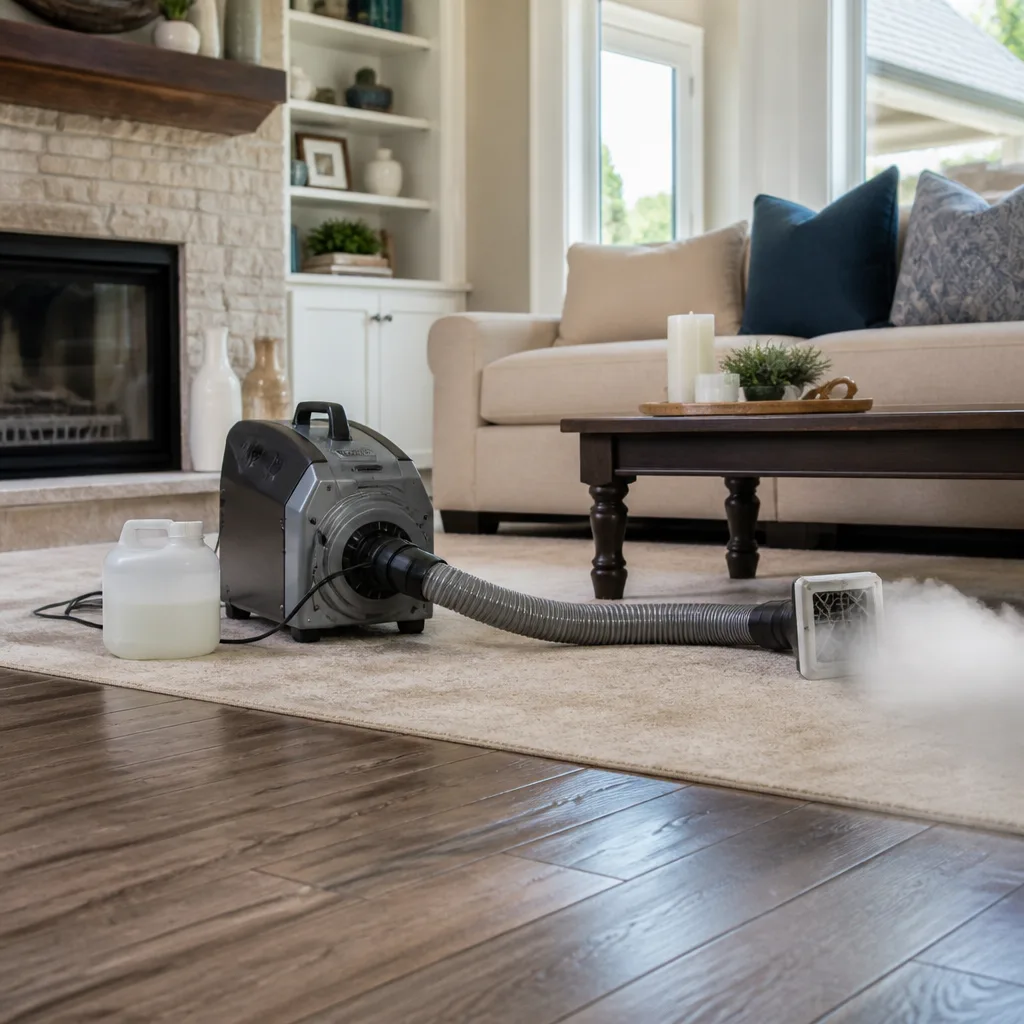
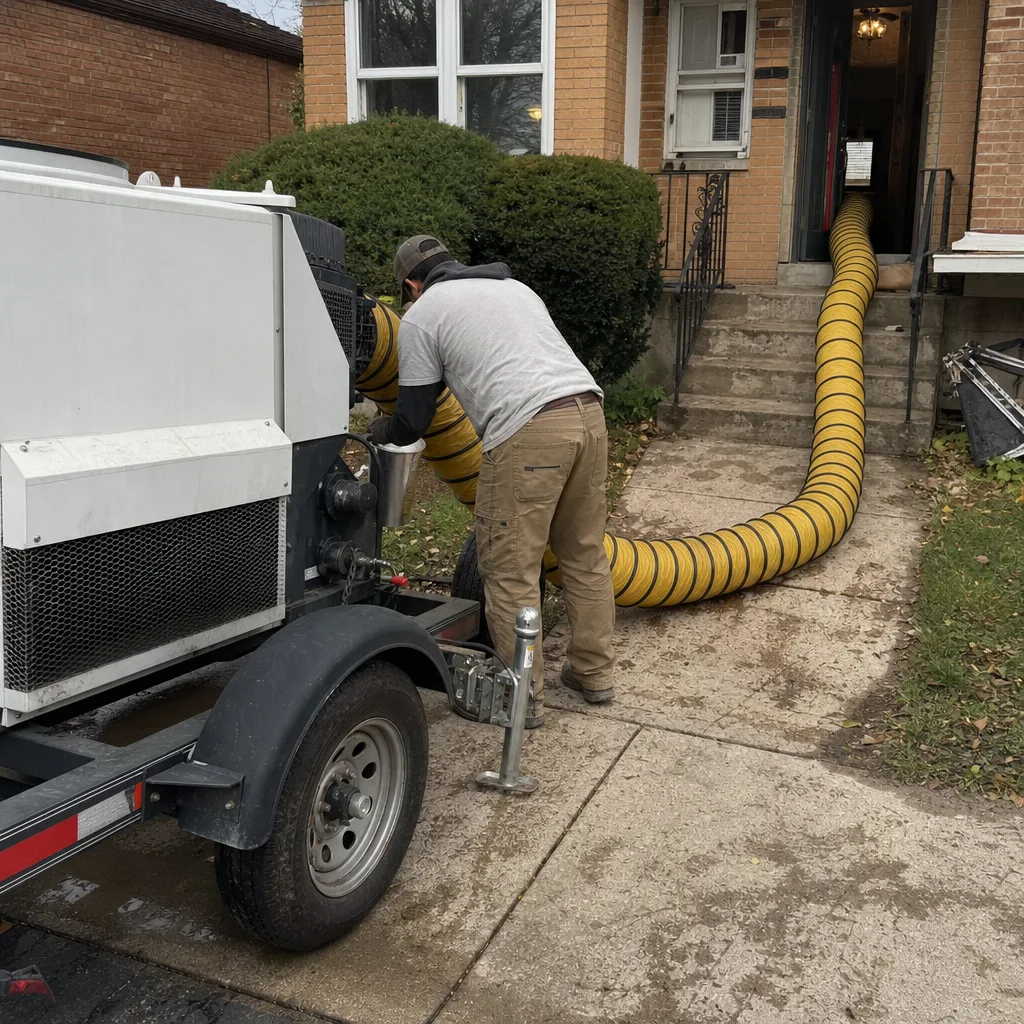
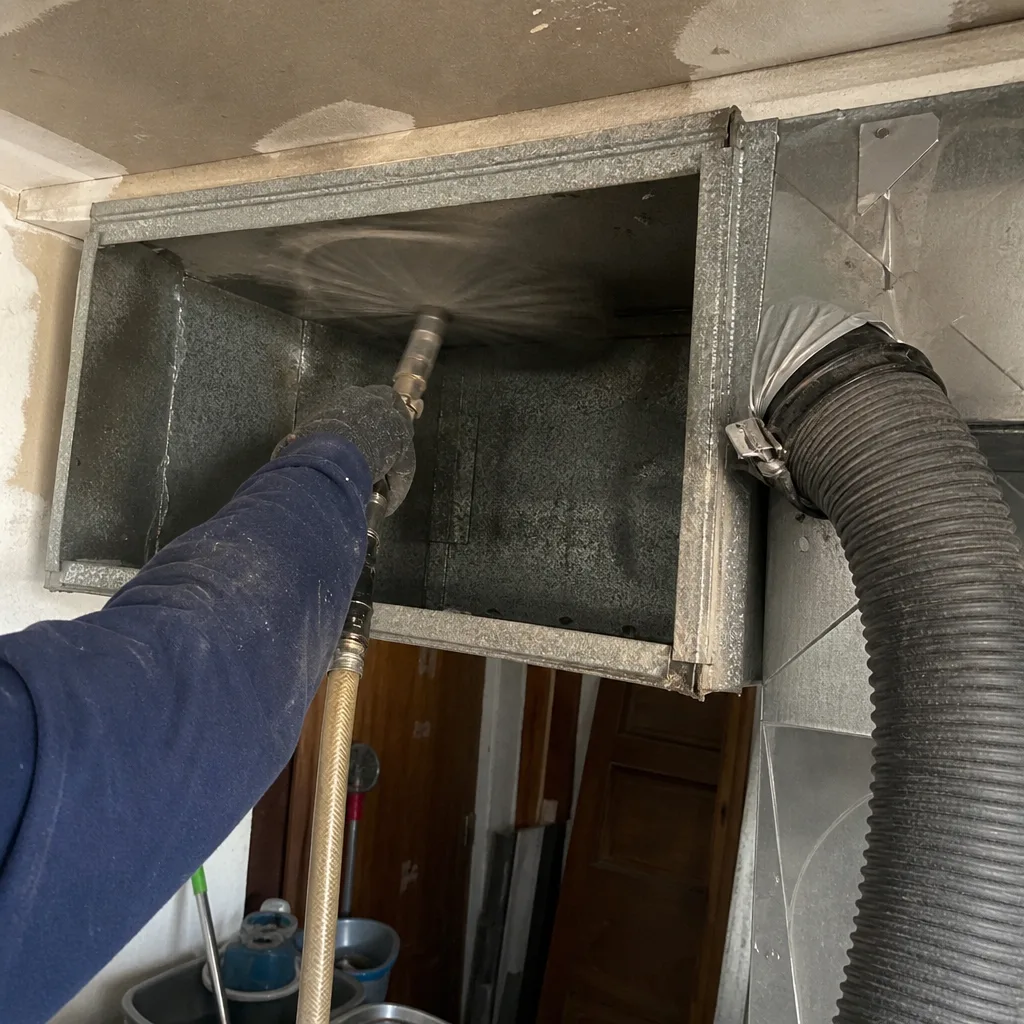
| Equipment specification | Negative-air machine CFM rating, agitation method (brush/whip/compressed air) | A 5,000 CFM Nikro or Abatement Technologies unit performs actual extraction; a shop vac with a rotary brush merely redistributes debris |
| Total price, no conditional language | Single dollar figure, no “starting at,” “from,” or “subject to inspection” | Haven Standard Clause 1: written price before any work starts, every time |
| Photo documentation included | Before and after images of every duct run, delivered as standard | Creates accountability; verifies work occurred in inaccessible cavities |
At CleanRun Air Duct Cleaning in Chicago, every quote names the equipment roster - Rotobrush for agitation, Nikro or Abatement Technologies for negative-pressure extraction - and the total price is fixed before a single panel comes off. Customers can verify these manufacturer specifications independently; we do not rely on proprietary claims.
Be wary of quotes that reference “HEPA filtration” without naming the filter manufacturer (Honeywell and Aprilaire produce verifiable HEPA-rated components; generic “HEPA” labels are unregulated). Be equally wary of equipment descriptions like “commercial-grade” or “industrial-strength” without model numbers. These are noise words, not specifications.
Step 3: Require Live Camera Inspection Before Additional Work
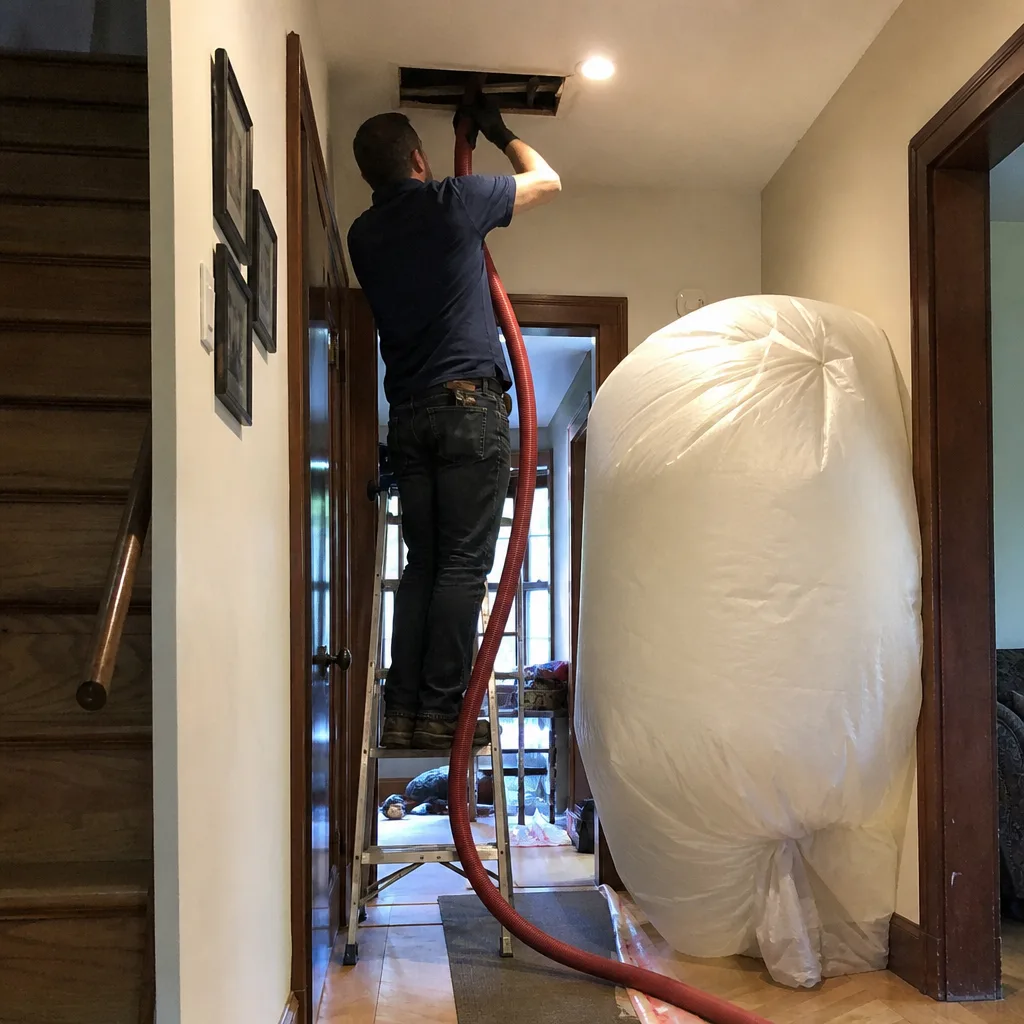
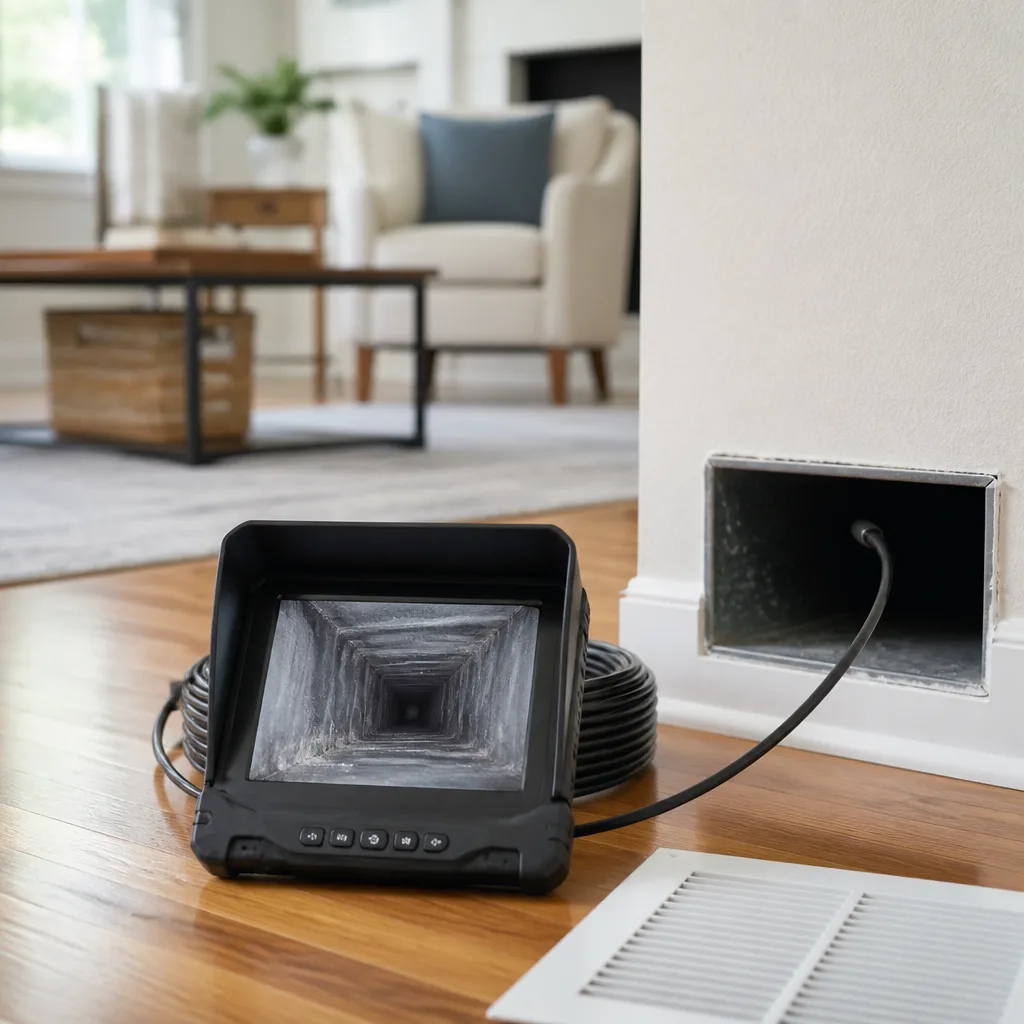
Camera inspection serves two purposes: it documents pre-existing conditions, and it prevents fabricated findings. In Chicago’s older housing stock, we regularly encounter situations where a camera saves a homeowner from unnecessary expense.
In a 2019 job in Oak Park, a customer had been told their “ducts were completely blocked” and quoted $2,800 for remediation. Our camera showed a 3-inch debris build-up at the first elbow of the main return, with clear passages beyond. The actual scope: $340 for targeted cleaning. Without the camera, the homeowner would have paid for work on ducts that did not need it.
What to Demand
- Live footage, not still photos: Still images can be captured from any source. Live video with your home’s registers visible in frame proves the camera is actually in your system.
- Date and time stamp: Prevents recycled footage from other jobs.
- Explanation of findings in plain language: “The camera shows a 2-inch debris layer on the duct floor” is verifiable; “your ducts are really dirty” is not.
- Written scope tied to footage: Any additional work must reference specific timestamp ranges in the video.
A contractor who refuses live camera inspection - who insists on “visual assessment with a flashlight” or “we’ll show you after” - has a structural incentive to invent findings. The flashlight method cannot document the interior of a 12-foot horizontal duct run between floors. The “after” promise relies on trust that the work occurred at all.
CleanRun’s Documented Photo Record on Every Visit includes inside every run, before and after, delivered to the customer as part of the standard job record. This practice has been in place since our first job in 2013.
Step 4: Ask Four Questions That Expose Lead-Gen Resellers
Many Chicago homeowners who call a number from a Google ad or HomeAdvisor listing do not reach the company that will actually perform the work. They reach a lead-generation reseller who sells the job to the lowest-bidding subcontractor, takes a 30-50% fee, and disappears. The subcontractor has no customer relationship to protect and no incentive for quality.
These four questions, asked on the initial phone call, separate real operators from resellers:
- “Who owns the truck that will arrive at my home?” If the answer is vague - “one of our technicians,” “our service network,” “a local partner” - you are talking to a reseller. A real operator names the company that owns the vehicle and employs the driver.
- “Who employs the technician? Is that person a W-2 employee or a 1099 contractor?” W-2 employees have training standards, background check requirements, and supervision. 1099 contractors are independent businesses with variable quality. CleanRun technicians are direct employees under Haven Standard Clause 3: Verified Crews.
- “Is the price you are giving me now the exact price on the invoice, with no additional charges possible?” Any hesitation, any “subject to” or “unless we find,” indicates a bait-and-switch structure. The correct answer is a single number, fixed in writing before arrival.
- “What does your warranty cover in writing, and who honors it if I have a problem?” Verbal warranties are unenforceable. Written warranties that require “manager approval” or “corporate review” are discretionary, not guaranteed. CleanRun’s 365-Day Done Right Promise is backed in writing on every job: if the work is not right, we make it right.
If a company cannot answer all four clearly, continue your search. Chicago has sufficient legitimate operators that you do not need to tolerate opacity.
How to Read a Contractor’s Insurance Certificate
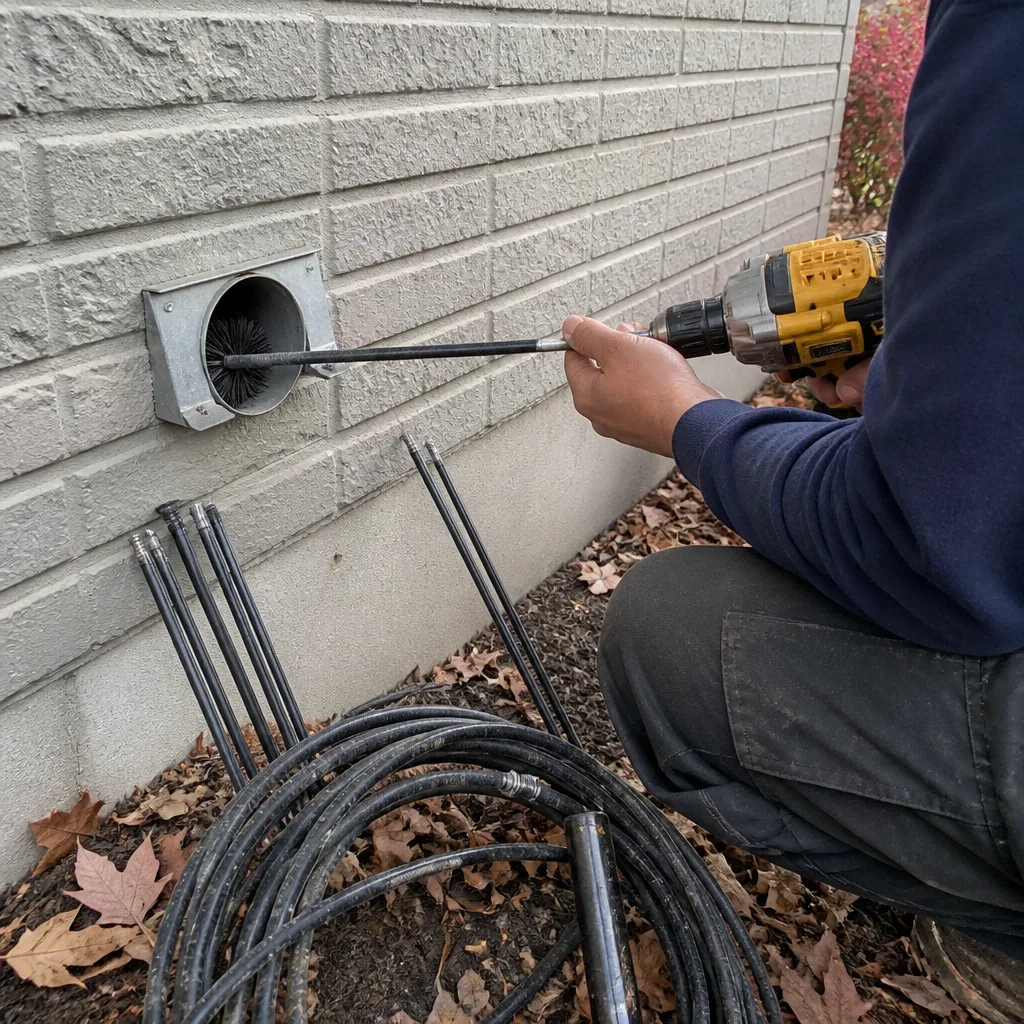
General liability insurance is standard for service businesses, but the certificate’s details determine whether it actually protects you. Chicago homeowners should verify three specific elements:
1. Coverage Amount and Type
Request a Certificate of Insurance (COI) directly from the contractor’s insurance broker, not a photocopy from the contractor. The COI should show:
- General liability coverage of at least $1 million per occurrence
- Specific inclusion of “HVAC or air duct cleaning operations” in the description of covered operations
- Your address listed as “additional insured” for the date of service (some brokers provide this; it is worth requesting)
2. What General Liability Excludes
Standard general liability does not cover:
- Damage to your property caused by the contractor’s equipment malfunction (requires an “equipment breakdown” or “installation floater” endorsement)
- Damage to the ductwork itself if the contractor claims the damage was “pre-existing” (requires specific “completed operations” coverage with ductwork named)
- Environmental contamination from disturbed asbestos, lead, or mold (requires pollution liability coverage)
In Chicago, pre-1980 homes in neighborhoods like Rogers Park, Austin, and Chatham may contain asbestos-containing transite ductwork or lead-painted registers. A contractor without pollution liability who disturbs these materials exposes you to cleanup costs that general liability will not cover.
3. How to Verify
Call the insurance broker listed on the COI. Confirm the policy is active and ask specifically: “Does this policy cover ductwork damage claims during cleaning operations?” If the broker hesitates or refers you back to the contractor, the coverage likely has gaps.
CleanRun maintains general liability with ductwork-specific completed operations coverage, and we provide COIs on request without requiring a booked job first.
What Air Duct Cleaning Should Cost in Chicago
Honest pricing in the Chicago market follows predictable ranges based on system size and accessibility. The table below reflects what we have documented across 52,000+ homes since 2013:
| Home Type / System Size | Typical Range | What Drives Price |
|---|---|---|
| Condo or townhome (1-2 bedrooms, 6-10 duct openings) | $280 – $420 | Access limitations in multi-unit buildings; shared trunk lines may require building approval |
| Single-family home, small (3 bedroom, 10-14 duct openings) | $380 – $580 | Standard ranch or bungalow layout; basement access to trunk lines |
| Single-family home, medium (4 bedroom, 14-20 duct openings) | $520 – $780 | Two-story with attic or crawl space duct runs; additional trunk line footage |
| Large home or historic property (20+ duct openings, complex layout) | $740 – $1,200 | Custom routing in pre-1950 homes; plaster lath access constraints; potential asbestos abatement coordination |
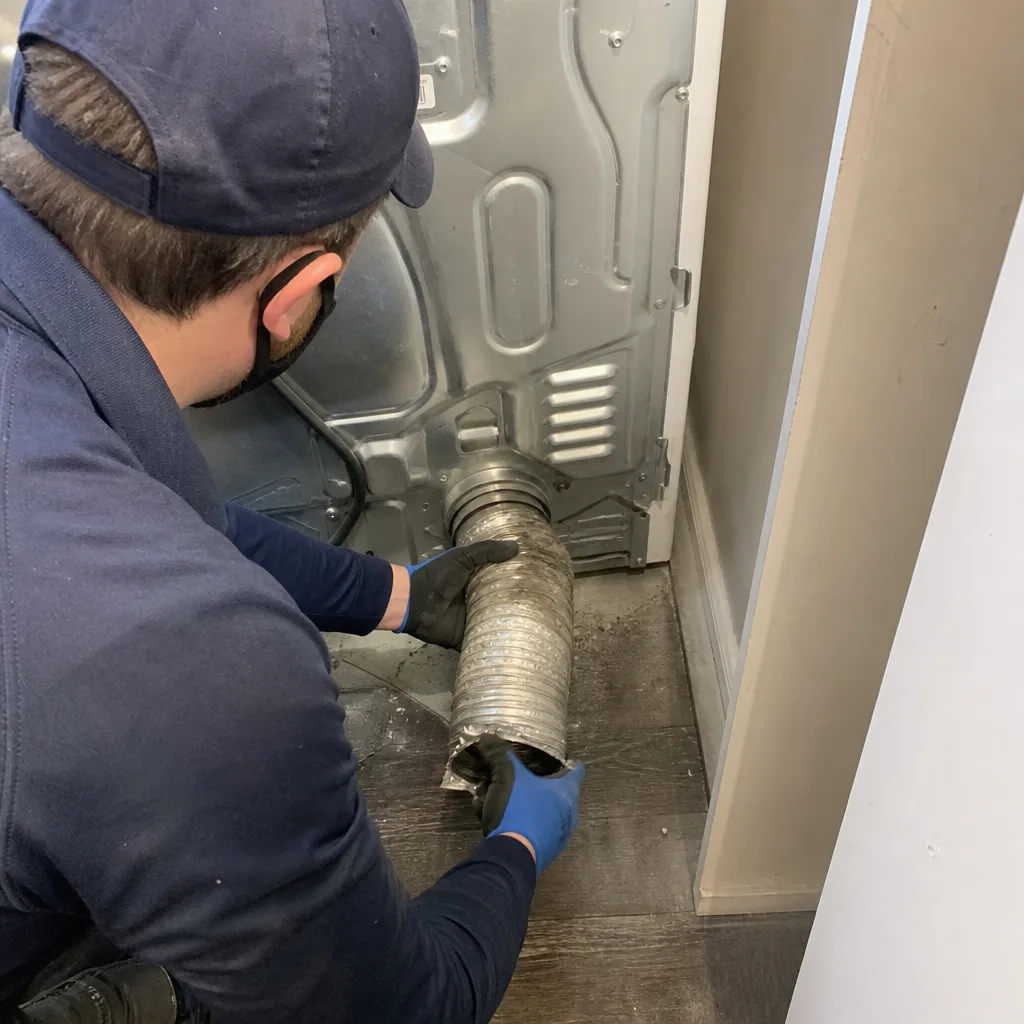
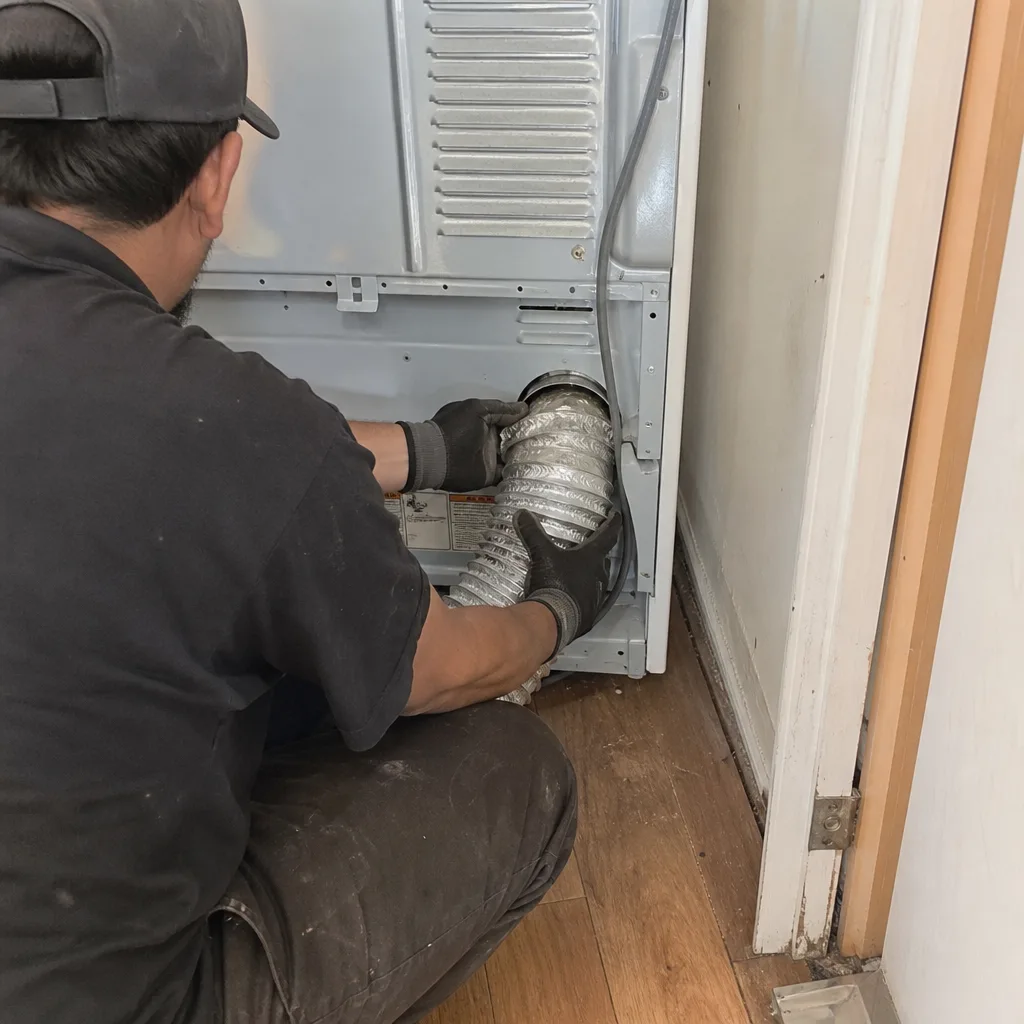
| Dryer vent cleaning (add-on or standalone) | $120 – $220 | Length of vent run, number of elbows, roof versus wall termination |
Prices below $250 for any whole-system cleaning in Chicago should trigger immediate scrutiny. At that price, the operator is either losing money (and will recover via upsell) or is not performing actual negative-pressure extraction. Dryer vent cleaning in Chicago has its own pricing logic; it is often bundled with duct cleaning but requires separate equipment and access protocols.
CleanRun’s pricing follows Haven Standard Clause 1: one flat price per system, agreed in writing before work starts. No per-vent pricing. No conditional add-ons. The price on the phone is the price on the invoice.
Common Mistakes to Avoid
- Booking based on coupon price alone. The $79 to $199 coupon is a loss leader designed to get a foot in the door. The average final invoice from coupon operators in Chicago runs $640, based on consumer complaints filed with the Illinois Attorney General’s office.
- Assuming NADCA membership equals technician certification. Company membership is a marketing purchase; ASCS certification is a technical credential. Verify the latter specifically.
- Accepting “visual inspection” in place of camera documentation. A flashlight at the register cannot see 20 feet into a duct run. Without camera evidence, you have no proof of pre-existing conditions or completed work.
- Ignoring insurance specifics. “We’re fully insured” means nothing. General liability without ductwork-specific completed operations coverage leaves you exposed for the most likely damage scenario.
- Hiring through lead-generation platforms without verifying the actual service provider. HomeAdvisor, Angi, and Thumbtack sell your contact information to multiple bidders. The company that calls may not be the company that arrives, and accountability fragments.
- Scheduling during extreme weather without confirming HVAC shutdown protocol. In Chicago’s January cold snaps or July heat waves, improper system shutdown during cleaning can freeze pipes or overheat the home. Confirm the contractor’s protocol for maintaining safe temperatures.
- Neglecting to ask about debris disposal. Collected debris from Chicago homes often contains lead paint dust, asbestos fibers, or rodent droppings. Legitimate contractors use HEPA-filtered containment and dispose of waste as regulated material; illegitimate operators empty shop vacs into your trash.
When to Call a Professional
Call a professional when you observe visible mold growth inside ducts, persistent musty odors after HVAC cycling, debris blowing from registers, or a sudden increase in dust accumulation despite regular filter changes. In Chicago, we also recommend professional evaluation after any renovation involving drywall sanding, hardwood floor refinishing, or asbestos abatement - these activities load ductwork with fine particulate that standard filters cannot capture. For timing tips, read our Seasonal Air Duct Cleaning Care for Chicago: Year-Round Homeowner’s Guide.
If your home was built before 1980 and has never had ductwork inspected, a camera assessment is prudent before any cleaning. Disturbing asbestos-containing materials without proper containment creates a larger hazard than the original debris.
CleanRun Air Duct Cleaning Chicago offers free estimates throughout Chicago and surrounding communities. Every estimate includes a written price before work begins, and our HVAC cleaning in Chicago services follow the same documentation standards. Call (708) 683-3974 to schedule, or bring a competitor’s written quote for our Free Second Opinion - we’ll put our number next to it in writing.
Frequently Asked Questions
Whole-system air duct cleaning in Chicago typically costs $380 to $780 for single-family homes, with condos starting around $280 and large historic properties reaching $1,200. The price depends on duct opening count, trunk line footage, and accessibility. Call (708) 683-3974 for a written estimate with your exact scope - estimates are free.
Low quotes use a bait-and-switch model: a teaser price gets the technician inside, then “discovered contamination” drives the final invoice 3-5x higher. A legitimate quote names your exact duct count, equipment specifications, and total price with no conditional language. If a quote seems too low, it is incomplete, not discounted.
Demand before-and-after photo documentation of every duct run, with timestamps and your home’s registers visible in frame. Live camera footage during inspection is even stronger. Without documentation, you have only the technician’s word. CleanRun delivers a Documented Photo Record as standard on every visit - inside every run, before and after.
For most Chicago homes, every 3 to 5 years under normal conditions. Homes with pets, smokers, recent renovations, or residents with allergies may need more frequent service. The NADCA guideline is “as needed” based on visual inspection, not calendar scheduling. A camera assessment every 2-3 years determines actual condition without unnecessary cleaning expense.
No. Illinois does not license air duct cleaning contractors at the state level. Chicago has no municipal licensing specific to duct cleaning. This means your verification - NADCA technician certification, written quotes, camera documentation, and insurance confirmation - is the only protection against unqualified operators.
The H.A.V.E.N. Standard is CleanRun’s operational framework: written pricing (Clause 1), documented results (Clause 2), verified crews (Clause 3), equipment transparency (Clause 4), and the 365-Day Done Right Promise (Clause 5). It matters because each clause creates a verifiable commitment where Illinois law creates none. Customers can hold us to specific standards with specific evidence, not goodwill.
The Bottom Line
Hiring an air duct cleaning contractor in Chicago requires active verification because the state provides no licensing filter. The four steps are concrete and fast: confirm NADCA technician-level certification (not company membership), demand a written quote with equipment specifications and fixed total price, require live camera inspection before any additional work, and verify direct employment with proper insurance coverage. Operators who resist any of these steps have something to hide. Those who welcome them - who treat your due diligence as reasonable, not suspicious - are the operators worth hiring. The documentation you collect before work begins is your only recourse if problems arise later. Explore more guides & resources to stay informed.
Written by Tomas Reyes, Owner at CleanRun Air Duct Cleaning Chicago, serving Chicago since 2013.