
Last updated September 23, 2026
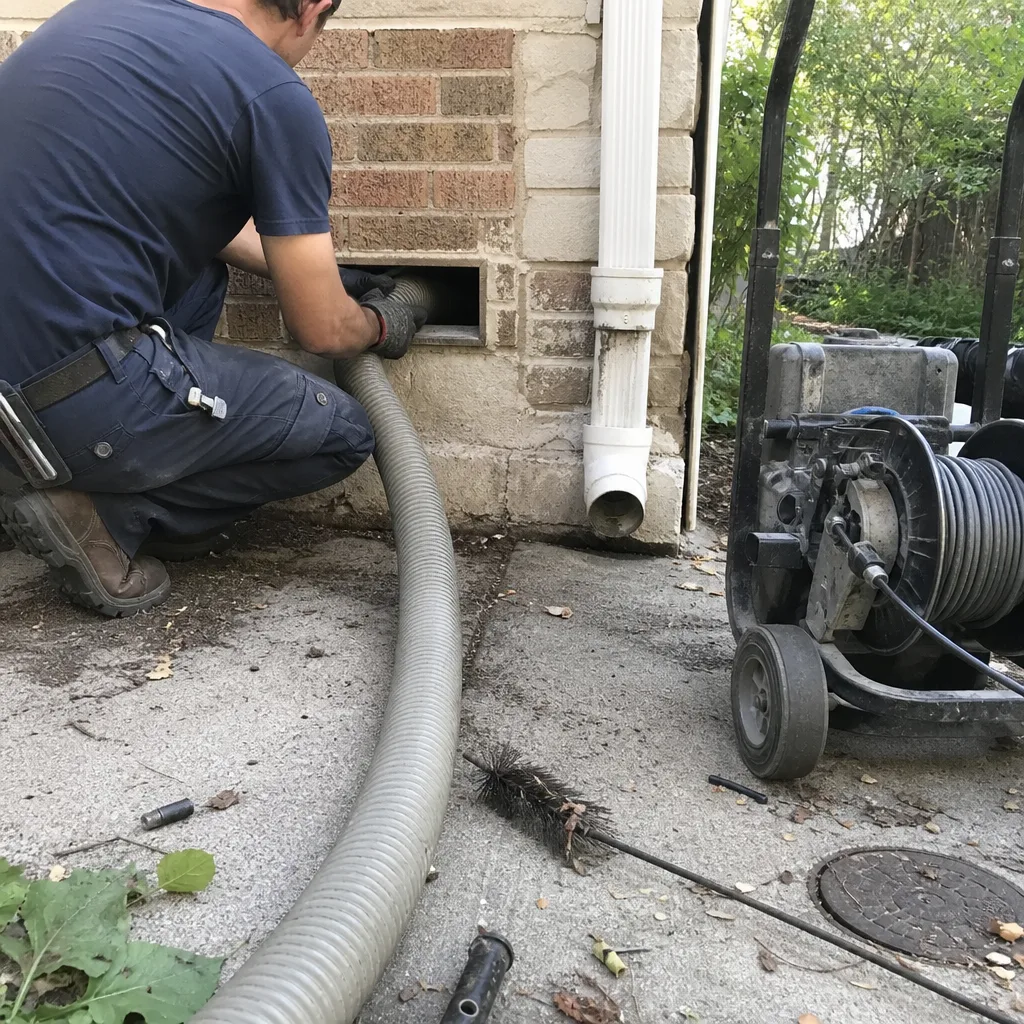
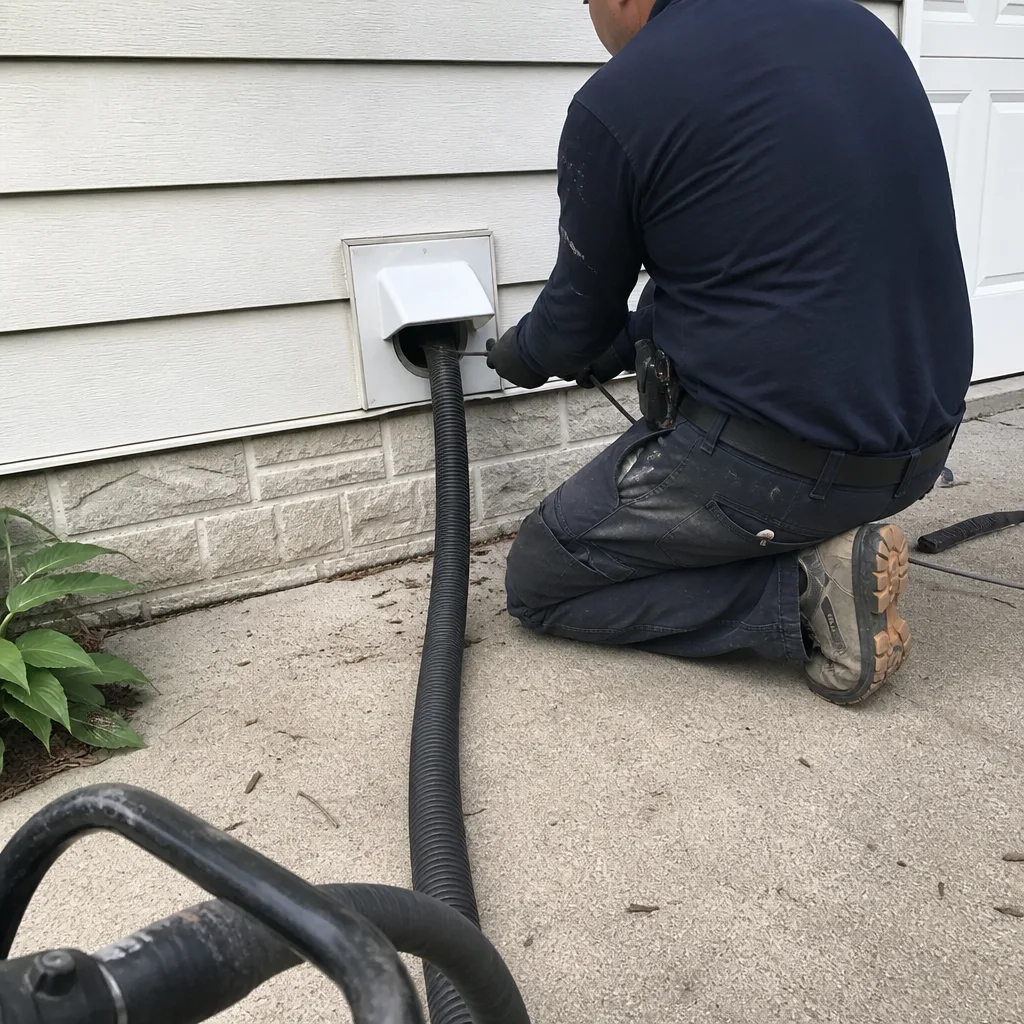
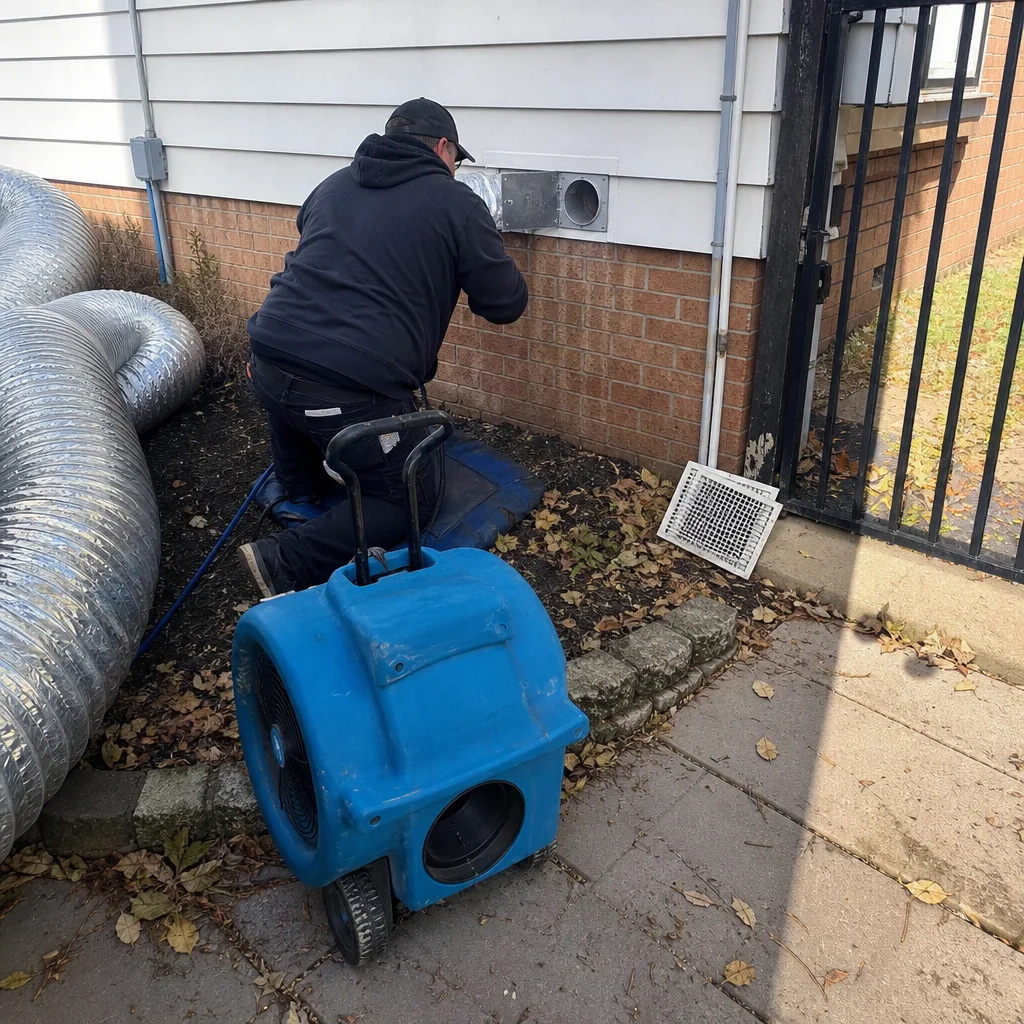
Whole-system duct and dryer vent check with before-and-after photos - you see exactly what came out of your vents
That "$99 whole-house special" is a bait ad - the real number appears once they are in your hallway, or the "clean" is a shop-vac at the register. We photograph the inside of your ducts before and after instead.
 Before
 After
After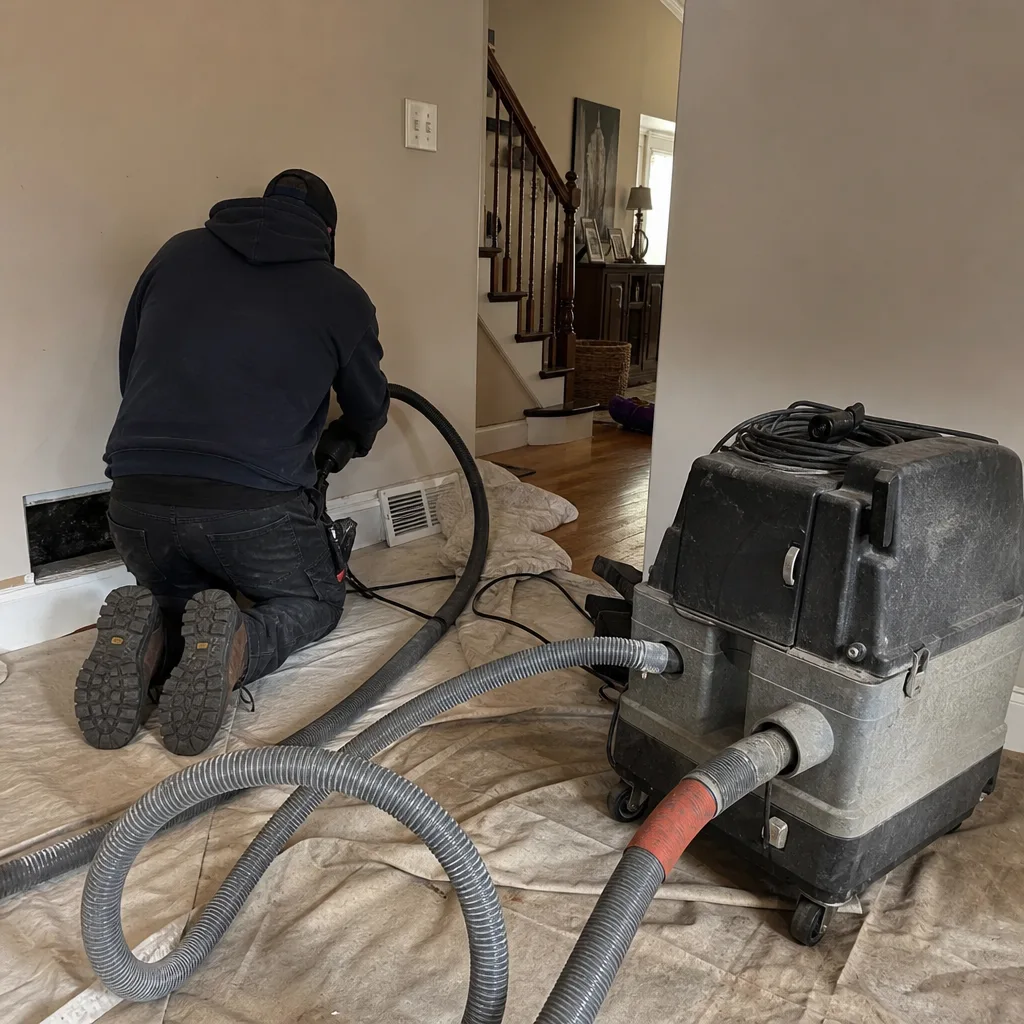 Before
 After
After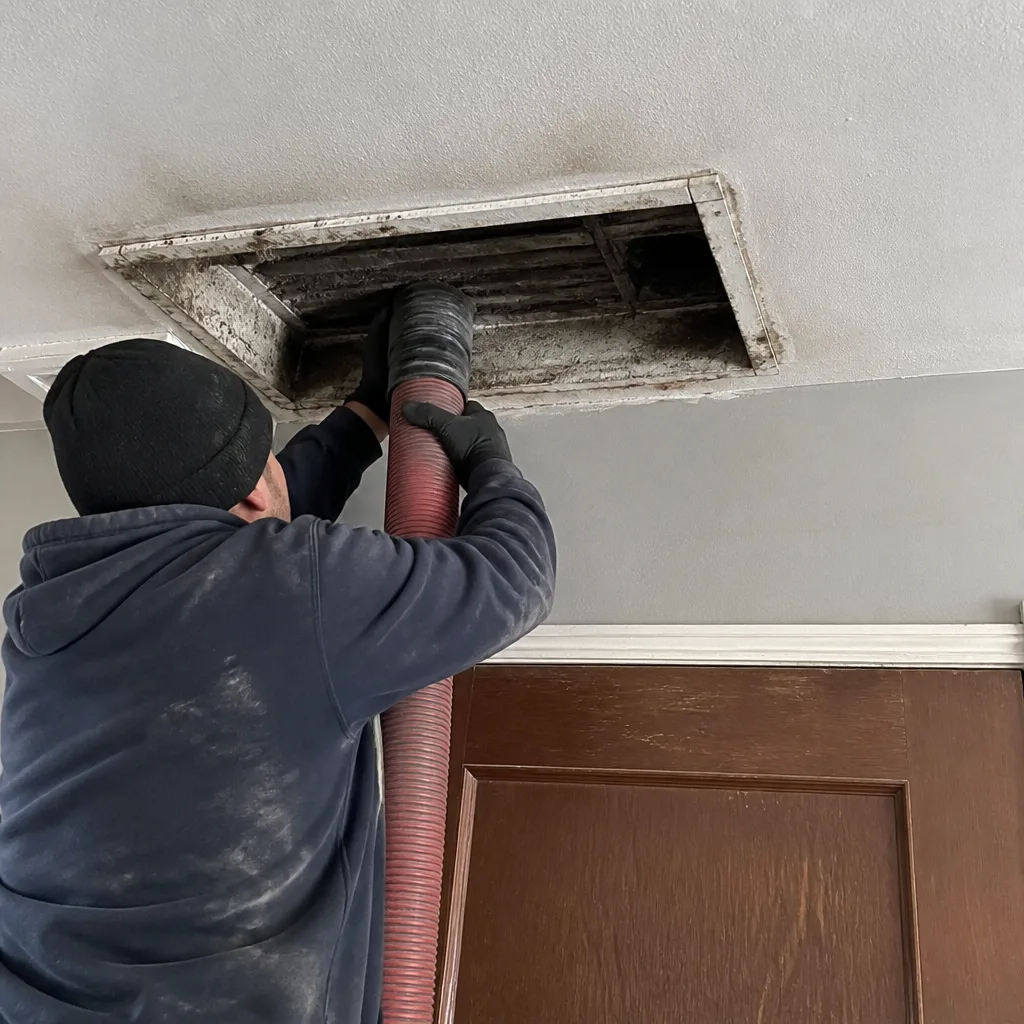 Before
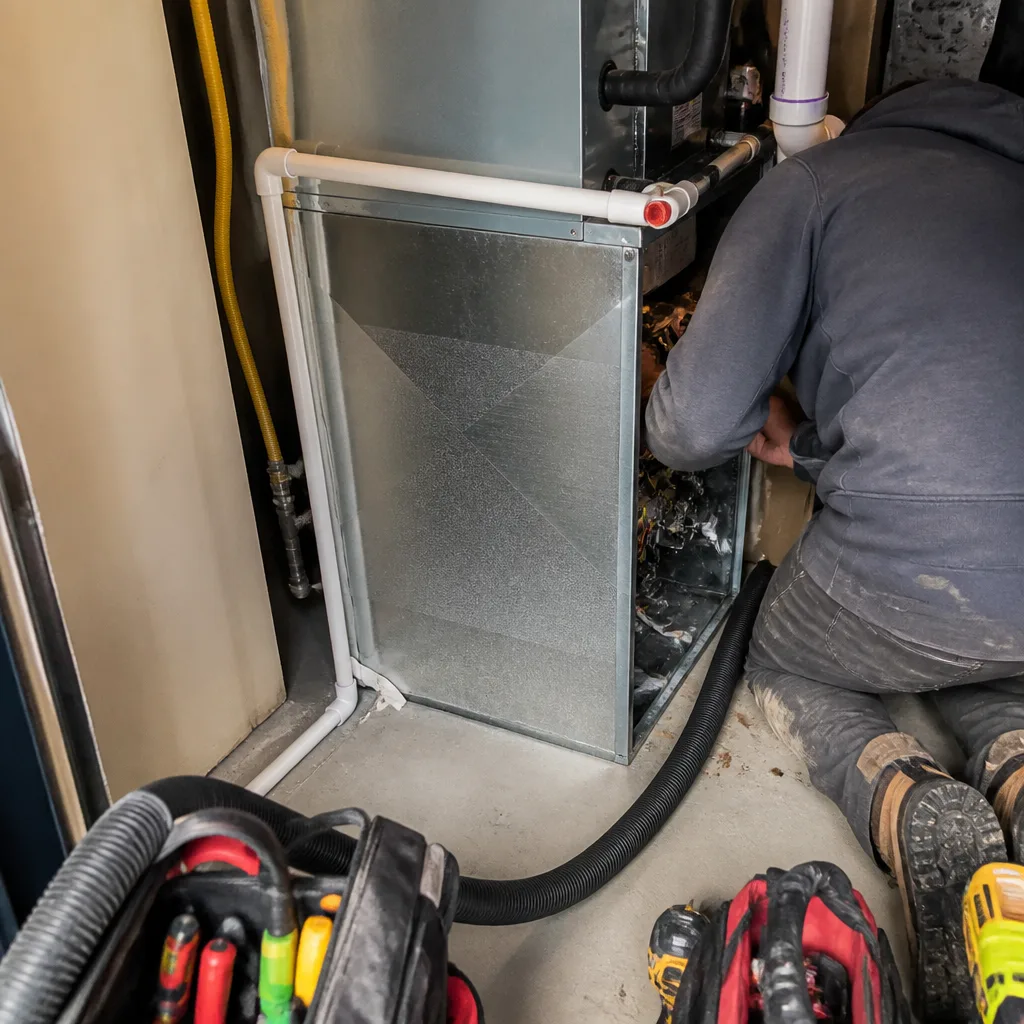 After
AfterAir Duct Cleaning Maintenance Checklist for Chicago Homeowners
The standard advice to “clean ducts every three to five years” comes from no specific study. NADCA itself says frequency should be based on observed conditions, not a fixed schedule. In Chicago, where freeze-thaw cycles stress basement mechanical rooms, century-old housing stock mixes with gut-rehab drywall dust, and summer humidity spikes drive condensation into low ductwork, that arbitrary interval is especially misleading. This guide shows you exactly what to look for, room by room, and how to document it with a smartphone so you know when our Air Duct Cleaning services or repair is actually warranted, not when a coupon tells you to.
Quick Answer
A useful air duct cleaning maintenance checklist for Chicago homeowners tracks visible, photographable conditions rather than calendar dates: register dust color and texture, airflow symmetry between supply vents, filter loading patterns, and basement humidity effects on ductwork. Inspect quarterly, log findings, and schedule professional cleaning only when documented evidence shows degraded air distribution or contamination buildup.
Table of Contents
- Why Calendar Schedules Fail in Chicago Homes
- Room-by-Room Inspection Checklist
- The Basement and Mechanical Room Check
- Building a Filter Log: Your Cheapest Early-Warning System
- Chicago-Specific Seasonal Triggers
- How to Document Duct Conditions with a Smartphone
- Common Mistakes to Avoid
- When to Call a Professional
- Frequently Asked Questions
BeforeAfterWhy Calendar Schedules Fail in Chicago Homes
The “every three to five years” rule appears on dozens of websites, but trace it back and you find no source study, no EPA recommendation, no ASHRAE standard - a topic we explore further in Air Duct Cleaning Warning Signs: A Chicago Homeowner’s Reference Guide. It’s a marketing convenience that treats a 1920s brick bungalow in Portage Park the same as a 2019 townhome in the West Loop. They are not the same.
Chicago’s housing stock spans roughly 140 years of construction methods, and the ductwork reflects that range. In Andersonville and Rogers Park, we regularly see original gravity furnaces retrofitted with forced-air ductwork in the 1950s, meaning rectangular metal trunks with sharp turns that collect debris at elbows newer systems avoid. In Lincoln Park and Lakeview gut rehabs, the ductwork may be brand new but the renovation process left drywall dust, sawdust, and spray foam particulate inside runs that were sealed before being cleaned. In both cases, a calendar date tells you nothing about what’s inside.
The conditions that actually matter are observable and recordable:
- Dust color and texture at registers - gray, fluffy accumulation suggests normal lint and skin cell loading; black, greasy, or fibrous material signals something else
- Airflow symmetry - a vent in one corner of a room blowing noticeably weaker than its counterpart
- Filter loading rate - how quickly a new filter reaches pressure drop limits
- Humidity staining - rust, mold, or water marks on duct exterior or at collar connections
- Odor events - musty, chemical, or combustion smells when the system cycles
These conditions change at different rates depending on occupancy, filtration quality, local construction activity, and the building envelope’s integrity against Chicago’s weather. A home with three shedding pets and no central air return upgrade will load filters faster than an identical unit next door. A building on a flood-prone block in Albany Park may see moisture infiltration after every heavy summer rain. The checklist below is designed to catch these variations as they develop, not after they’ve become expensive problems.
At CleanRun Air Duct Cleaning Chicago home, we’ve documented conditions in over 52,000 homes since 2013, and the correlation between calendar time and actual duct contamination is weak enough that we do not quote cleaning intervals without a preliminary inspection. The Haven Standard Clause 1 requires a written price before work starts, but we can’t write that price until we’ve seen what the camera shows.
Room-by-Room Inspection Checklist
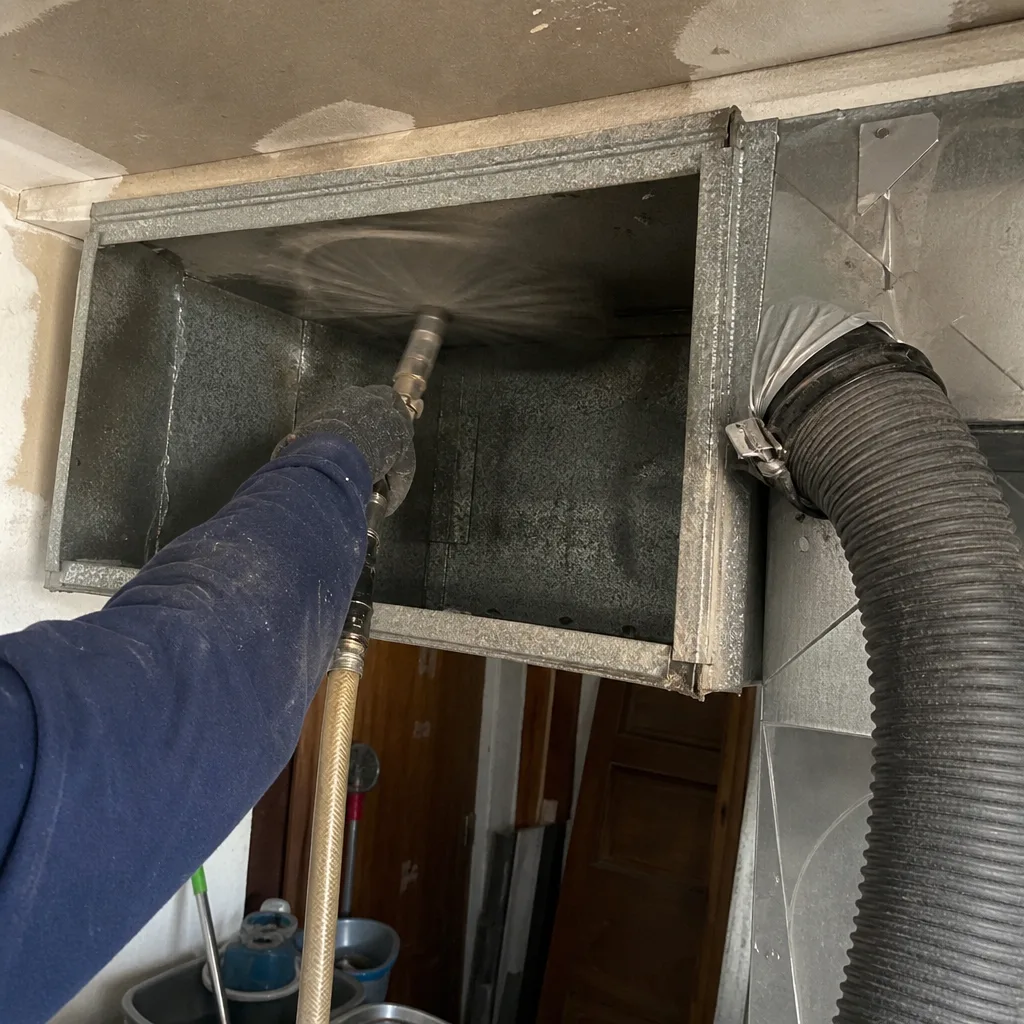
Work through your home systematically, one HVAC zone at a time. Bring a smartphone with flashlight, a tissue or white cloth, and a notepad or note app. The goal is to build a record you can compare quarter to quarter, not to diagnose problems yourself.
Living Areas and Bedrooms
- Remove the register cover and set it aside. Look at the duct opening, not just the cover. Photograph the first 12 inches visible inside.
- Wipe the interior surface with a white cloth. Note the color: light gray is typical; dark gray or black suggests heavy loading; brown or reddish may indicate rust or biological growth.
- Feel for airflow with the back of your hand at each supply vent while the system runs. Compare vents in the same room. A noticeable difference suggests blockage, damper issues, or duct leakage.
- Check register direction. Vents blowing directly onto walls or furniture create dust patterns that can be mistaken for duct problems.
- Photograph the register cover itself - the back side collects debris and shows airflow patterns.
In Chicago’s older frame homes, particularly in neighborhoods like Humboldt Park or Austin, we’ve seen supply vents in exterior walls with minimal insulation behind them. The temperature differential causes condensation on the duct interior in summer, which binds dust into a clay-like layer that’s harder to remove than loose debris. If your cloth comes away damp or with stuck-on residue, that’s a condition to log, not just clean.
Kitchen and Bathrooms
- Check for grease film on kitchen supply registers. Cooking aerosols bypass range hoods and deposit on nearby duct surfaces. The film is usually yellowish and tacky.
- Look for moisture staining around bathroom exhaust duct connections. In Chicago’s stacked-flat buildings, exhaust ducts often run through unconditioned spaces where cold air meets humid bathroom air.
- Verify exhaust fan operation separately from HVAC. A failed bath fan dumps moisture into the building envelope, which can migrate to ductwork.
Basement and Utility Areas
See the dedicated section below. This is where Chicago’s climate does the most distinctive damage.
Attic Spaces (If Accessible)
- Inspect flex duct connections at plenum take-offs. The Chicago freeze-thaw cycle degrades tape and mastic; gaps show as dark dust trails on insulation.
- Look for collapsed flex sections. Attic temperatures in summer can exceed 140°F, weakening wire-reinforced flex duct.
- Check for pest intrusion. Squirrel and raccoon damage is common in Chicago’s tree-canopy neighborhoods like Oak Park and Evanston; entry points show as torn insulation or droppings.
Documentation for Each Room
Create a simple log entry: date, room, vent location, cloth color result, airflow strength (strong/moderate/weak compared to others), and any odors. Attach photos. After two or three quarterly checks, you’ll have a baseline that makes changes obvious.
The Basement and Mechanical Room Check
Chicago’s basements are where the action is. Roughly 80% of the city’s single-family homes and a substantial share of its 2-4 flats have furnaces and ductwork in below-grade spaces that experience humidity swings from 30% in February to 70% in July. That variation drives the degradation patterns we see most often.
What to Inspect
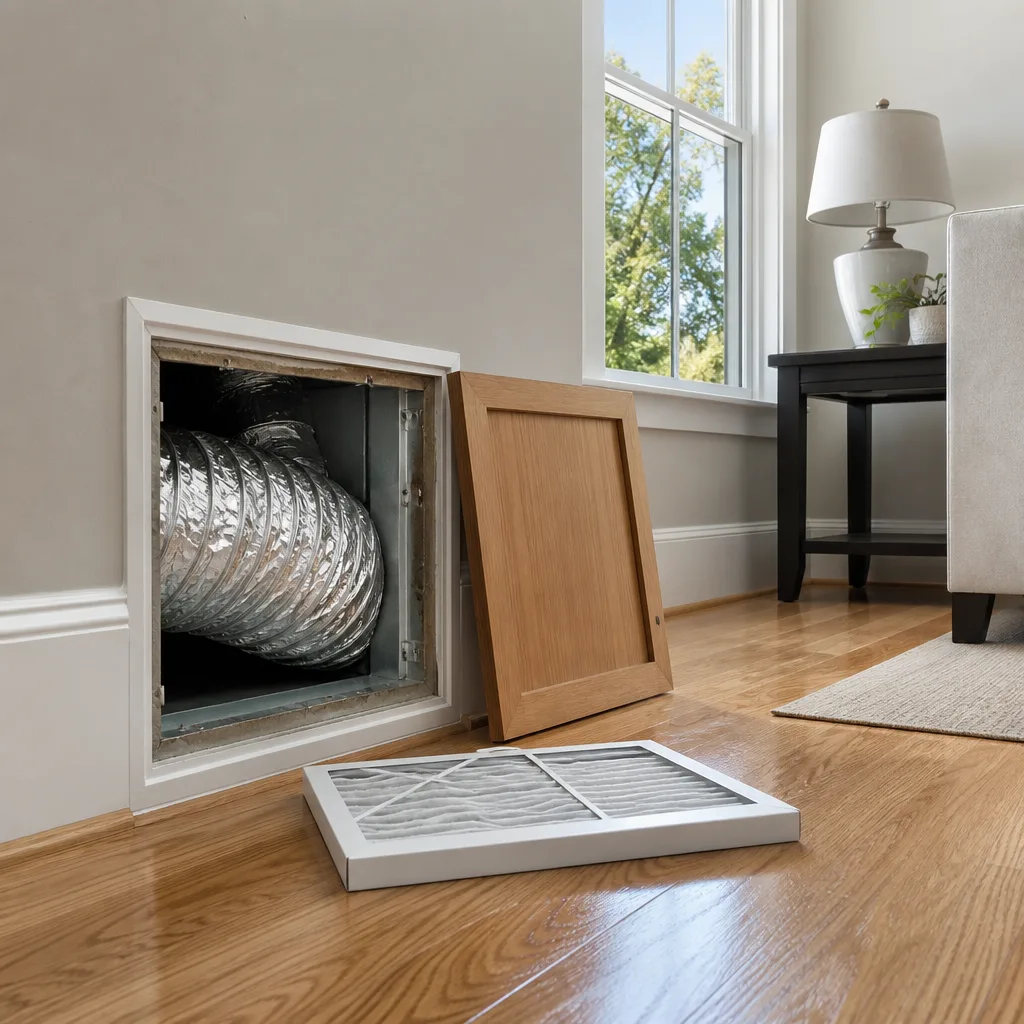
- The return plenum - the large metal box connecting your return grille to the furnace. Remove the filter and look inside with a flashlight. A clean plenum shows bare galvanized metal with light surface dust. Conditions that signal cleaning or repair:
- Thick debris layer, especially at the bottom where settling occurs
- Standing water or rust staining - indicates humidity control failure
- Fibrous or fuzzy growth on any surface
- Disconnected flex duct collars, visible as gaps with dust trails
- The supply plenum and trunk lines - follow the main ducts from the furnace. Look for:
- Rust at seams and joints, especially on the bottom surface
- Disconnected or sagging flex duct take-offs
- Insulation damage or water staining on exterior wrap
- The condensate drain and pump - a clogged drain raises humidity throughout the system. Verify water flows freely to a floor drain or sump.
- Filter slot integrity - a poorly fitting filter bypasses air around the media, loading the plenum and coil with unfiltered debris.
What the Camera Should Show
If you hire a professional inspection, or if you use a borescope attachment for your smartphone, here’s what acceptable versus problematic looks like:
| Component | Acceptable Condition | Cleaning or Repair Warranted |
|---|---|---|
| Return plenum interior | Light dust film, metal visible, no debris mounds | Debris buildup >1/4 inch, rust, biological growth, standing water |
| Supply trunk (first 3 feet) | Clean metal, slight dust at seams | Thick coating, visible blockages, disconnected joints |
| Flex duct collars | Tight connections, intact tape or clamp seal | Gaps, dust blow-by, collapsed or kinked flex |
| Evaporator coil (if visible) | Clean fins, no debris bridging between coils | Fins clogged with dust or biological material |
In our work across Chicago, from Bronzeville bungalows to North Side courtyard buildings, the return plenum is the most under-inspected component and the most common source of systemic contamination. It’s also the easiest to check with a flashlight and a camera phone. We include plenum photography in every Air Duct Cleaning in Chicago job as part of our Documented Photo Record - the before-and-after comparison often surprises homeowners who assumed their ducts were “probably fine.”
Building a Filter Log: Your Cheapest Early-Warning System
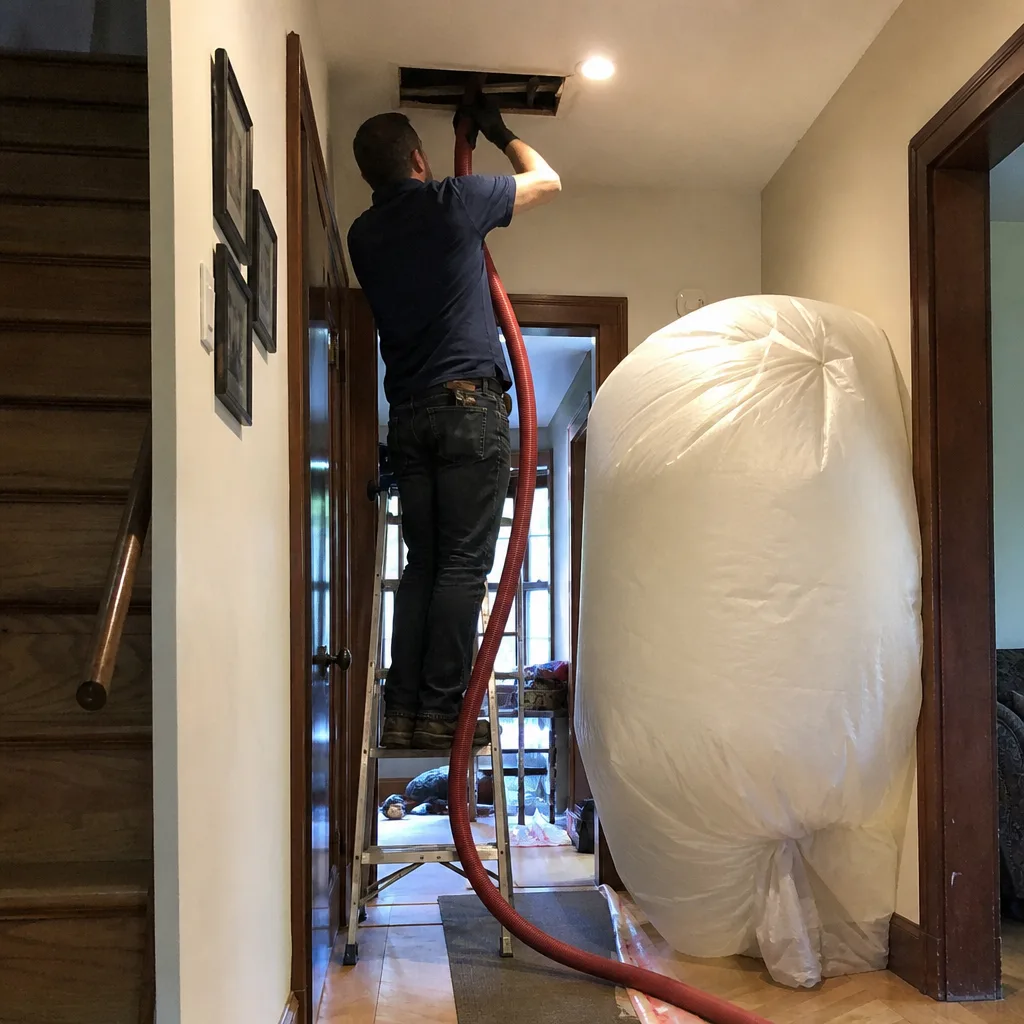
A filter costs $8-$25 and takes two minutes to change. It is the single most effective monitoring tool you have, yet most homeowners treat it as a chore to remember rather than a data source. A proper filter log turns it into an early-warning system for duct and system health.
What to Record Each Change
| Data Point | Why It Matters | Example Entry |
|---|---|---|
| Filter brand and model | Allows consistent comparison; different media load differently | 3M Filtrete 1500 MPR, 16x25x1 |
| MERV rating | Higher MERV loads faster but captures more; tracking loading rate by MERV shows system stress | MERV 12 |
| Install date | Baseline for loading rate calculation | January 15, 2025 |
| Replacement date | Actual service life, not intended interval | March 22, 2025 |
| Visible loading description | Pattern indicates source: uniform gray = normal; black streaks = possible soot or mold; fuzzy = biological growth | Heavier on air-entry side; gray, no odors |
| Pressure drop (if measured) | Some thermostats or add-on gauges show this; rapid increase signals duct blockage or filter mismatch | 0.25″ w.c. new; 0.52″ w.c. at change |
How to Read the Patterns
- Shortening service life - a filter that lasted 90 days now loads in 60, consistently, suggests increased dust source (construction nearby, new pets, envelope degradation) or duct leakage pulling in unfiltered air
- Asymmetric loading - heavy on one side only indicates air bypass around the filter or a poorly sealed filter slot
- Biological staining - dark spots, musty odor, or fuzzy growth on the filter face suggests humidity control failure upstream of the filter, typically in the return plenum or basement
- Odor at change - chemical, musty, or combustion smells captured by the filter but present in the airstream warrant investigation of the source, not just a fresh filter
We recommend a simple spreadsheet or even a dedicated notebook kept near the furnace. After a year, the data reveals patterns no single observation can. In Chicago’s climate, where summer humidity and winter dryness create opposite stresses, that year-round record is especially valuable. Homeowners in river-adjacent neighborhoods like North Center or Bridgeport, where groundwater and humidity run higher, often see significantly different loading rates than those on higher, drier ground in Jefferson Park.
The equipment we deploy on HVAC Cleaning in Chicago jobs includes Rotobrush and Abatement Technologies systems designed to restore conditions that proper filtration would have prevented. But filtration only works if the filter is present, properly fitted, and appropriate for the system. A filter log tells you if your current practice is actually protecting the ductwork or merely creating the illusion of maintenance.
Chicago-Specific Seasonal Triggers
Chicago’s climate and construction market create distinct contamination events that don’t appear on generic checklists. Track these as they occur, not on a schedule.
Post-Renovation Drywall Dust
The city’s gut-rehab market is enormous - and if you’re navigating permits for such work, see our guide on Air Duct Cleaning Permits, Codes & Inspections in IL: What You Need to Know. In neighborhoods from Pilsen to Logan Square, 1890s workers’ cottages and two-flats are stripped to brick, reconfigured, and re-drywalled. Even with diligent contractor cleanup, drywall dust enters the HVAC system through open returns, temporary heating use, and pressure differentials during construction. The dust is fine enough to pass through standard filters and accumulates in duct runs as a white or gray film that hardens over time.
If your home or building underwent renovation, schedule a duct inspection 30-60 days after completion, not before. The dust needs time to distribute and settle into observable patterns. Look for white residue at register openings and accelerated filter loading in the first two months post-construction.
Post-Flood Moisture Infiltration
Chicago’s combined sewer system and lake-effect rain events produce basement flooding that many homeowners experience as “just a few inches.” Even minor water intrusion into low ductwork - the supply trunk running along a basement ceiling, or a return buried in a finished basement wall - creates conditions for microbial growth that won’t be visible from register openings.
After any water event in the basement:
- Inspect all ductwork that contacted water, using a flashlight and mirror if needed
- Photograph any discoloration, rust acceleration, or residue lines showing water level
- Run the system and check for musty odors at all registers
- Replace the filter immediately - it will have loaded moisture and any airborne contaminants
- Log the event in your maintenance record with photos
In our experience, homes in flood-prone areas like portions of Albany Park, North Park, and areas near the Chicago River’s North Branch see repeat events that compound if not documented. The moisture doesn’t always dry completely before the next event.
Freeze-Thaw Mechanical Stress
Chicago’s temperature swings stress duct seams and connections, particularly in unconditioned basements and crawl spaces. Each heating season, expansion and contraction work on joints sealed with tape or mastic. By late winter, small separations that were tight in October show as dust blow-by or audible whistling. Inspect mechanical rooms in February or March, when cumulative stress is highest.
Pollen and Agricultural Load
Spring in the Midwest brings tree pollen, then grass pollen, then agricultural dust from surrounding counties. Chicago’s lakefront gets some mitigation from onshore flow, but inland neighborhoods experience heavy loading. If you or family members have seasonal allergies, filter changes should accelerate automatically in April-June, not on a fixed schedule.
Winter Inversion and Combustion Byproducts
Chicago’s winter temperature inversions trap particulate matter, including vehicle emissions and residential combustion. Older homes with naturally drafting water heaters or furnaces in the same mechanical room as ductwork can experience backdrafting under certain conditions. A CO detector is essential, but also note any soot or dark staining on filters or registers during heavy inversion periods.
How to Document Duct Conditions with a Smartphone
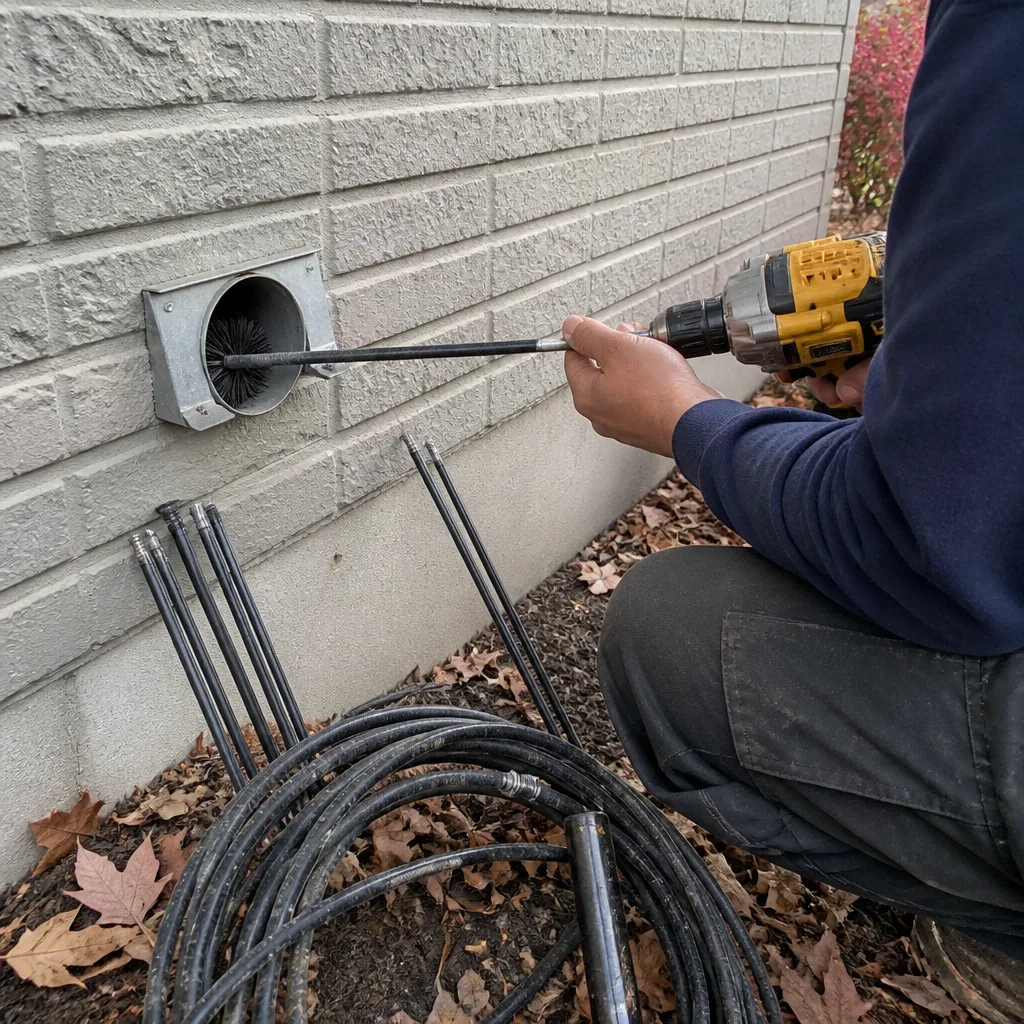
You don’t need specialized equipment to build a useful record. A modern smartphone with a flashlight and a few techniques produces images you can compare over time and share with a professional if conditions warrant.
Basic Technique: Register Opening Photography
- Turn off the system to avoid camera shake from airflow and to prevent debris disturbance
- Remove the register cover completely - don’t just angle the camera past it
- Enable flash or use a dedicated flashlight held at an angle to create shadow that reveals texture
- Shoot straight into the duct, then angle to show the duct wall
- Include a reference object - your finger, a coin, or a ruler - for scale
- Take three shots minimum: straight in, left wall, right wall
- Photograph the register cover back side separately
Intermediate Technique: Borescope or Endoscope Attachment
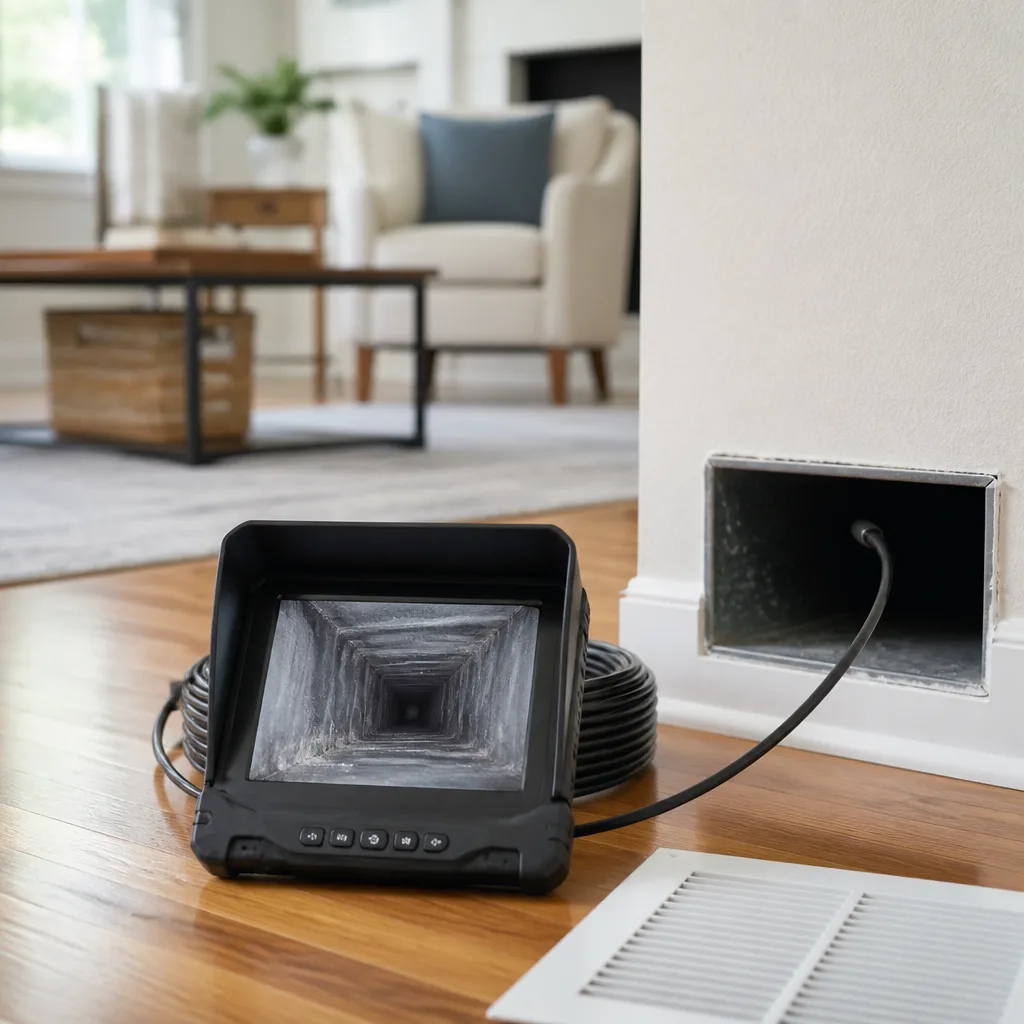
USB or WiFi borescopes cost $25-$60 and connect to smartphones. A 3.9mm or 5.5mm diameter camera on a semi-rigid cable can navigate 10-20 feet into ductwork through register openings. This reveals conditions invisible from the opening:
- Debris accumulation at elbows and transitions
- Disconnected internal duct liners
- Standing water in low sections
- Pest activity or remains
When using a borescope, move slowly and record video rather than stills - you can extract frames later, and video captures orientation. Mark cable depth with tape at 1-foot intervals so you know where in the run each finding occurred.
What Acceptable Conditions Look Like
Build your mental reference from clean examples. If you’ve never seen clean ductwork, your baseline is skewed. In a well-maintained system:
- Metal duct walls show bare galvanized surface with light, even dust film
- Flex duct shows intact inner liner with no tears or sags
- No standing water, active moisture, or biological growth
- No debris mounds or blockages visible in straight runs
- Connections are tight with no visible gaps or blow-by staining
The Documented Photo Record we deliver on every job includes these reference-quality images for your system specifically, not stock photos. Customers in Chicago use them as their personal baseline for future comparison. If you hire any duct cleaning service, request the same - a company that won’t show you what they found, photographed, is not providing evidence-based service.
Organizing Your Records
Create a dedicated album or folder per inspection date. Name files systematically: “2025-03-15_LivingRoom_Supply1.jpg”. Cloud storage ensures the record survives phone upgrades and home sales. When you sell your Chicago home, this documentation demonstrates maintenance diligence to buyers increasingly concerned with indoor air quality.
Common Mistakes to Avoid
- Cleaning on a calendar date without inspection - The NADCA guideline is condition-based, not chronological. A system with excellent filtration and tight ducts may need minimal service; a neglected system may need attention in 18 months, not five years.
- Ignoring the return side - Supply vents are visible and comforting to clean, but the return plenum and trunk collect more debris because all house air passes through them unfiltered before the filter. The return is where contamination concentrates.
- Using the wrong filter MERV for the system - High-MERV filters load faster and can restrict airflow beyond the fan’s design capacity, causing duct leakage and premature motor failure. Check your furnace manual for maximum recommended pressure drop, or consult a technician.
- Sealing registers during renovation without isolating the system - Chicago’s gut-rehab market makes this common. Covering registers traps dust inside; the proper practice is temporary filter media over returns and supply shutdown at the plenum if work is extensive.
- Assuming new construction means clean ducts - New Chicago townhomes and condos often have construction debris, spray foam particulate, and even discarded lunch wrappers in ductwork. The “new equals clean” assumption costs homeowners who defer initial inspection.
- Treating DIY register vacuuming as duct cleaning - A household vacuum with a brush attachment cleans the first 6-12 inches visible from the register. It does not address the trunk lines, plenum, or branches. It’s useful maintenance, not equivalent to professional cleaning.
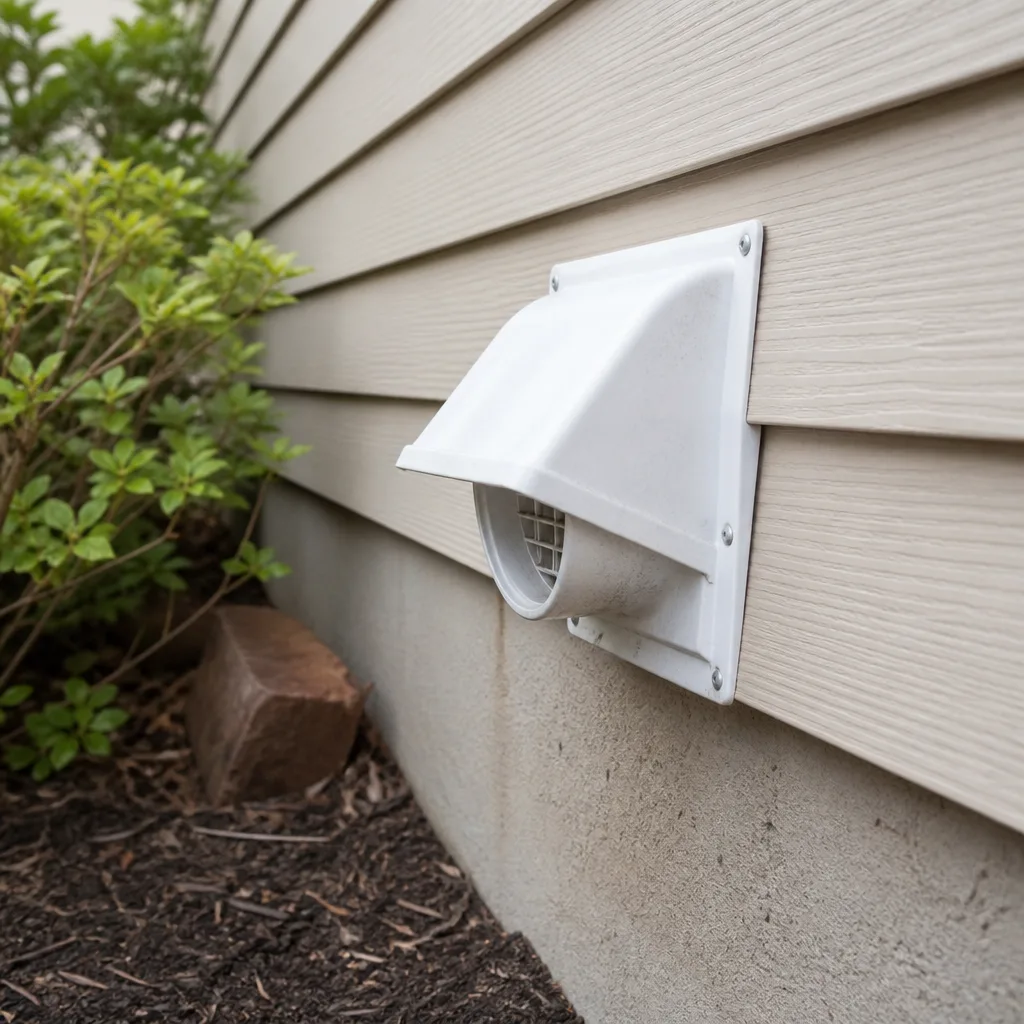
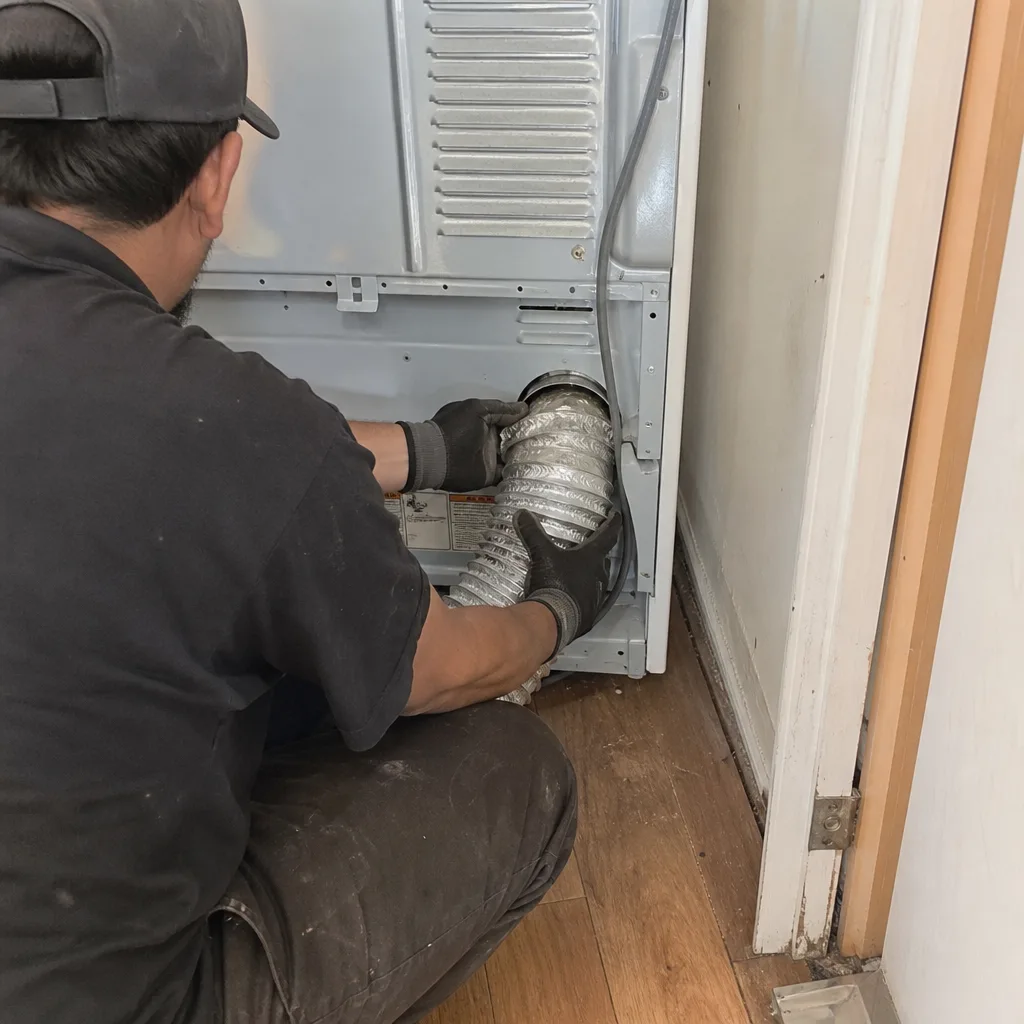
- Neglecting the dryer vent - Lint accumulation in dryer vents is a genuine fire hazard and creates backpressure that affects indoor humidity. Dryer Vent Cleaning in Chicago should be part of your overall air system maintenance, tracked separately but on the same evidence basis.
When to Call a Professional
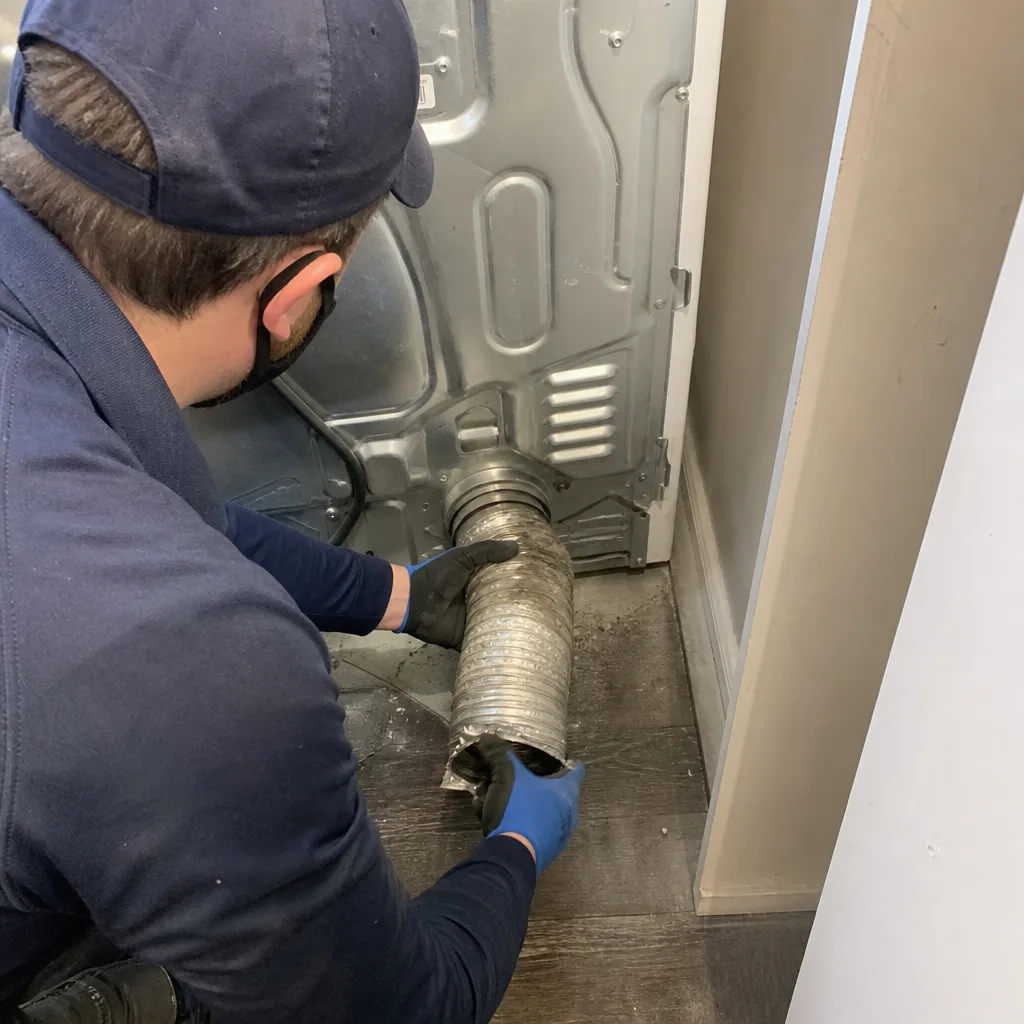
Call for a professional inspection, not necessarily cleaning, when your documentation shows: debris buildup exceeding 1/4 inch in any duct section; airflow asymmetry between vents that persists after filter change; moisture staining, rust, or biological growth on any duct surface; musty or chemical odors when the system cycles; or visible pest intrusion or remains. These are photographable conditions that justify expert evaluation.
CleanRun Air Duct Cleaning Chicago offers free estimates in Chicago - call (708) 683-3974. Every estimate includes a preliminary camera inspection of accessible ductwork, a written price before any work starts under Haven Standard Clause 1, and no obligation. If you have a competitor’s written estimate, we provide a Free Second Opinion with our number next to theirs.
Frequently Asked Questions
Whole-system air duct cleaning in Chicago typically ranges from $450 to $850 for a standard single-family home, depending on system size, accessibility, and contamination level. Per-vent pricing is a common bait-and-switch structure; we quote one flat price per system, agreed in writing before work starts, with no add-ons for “extra vents” or “deeper cleaning.” Call (708) 683-3974 for an exact quote - estimates are free.
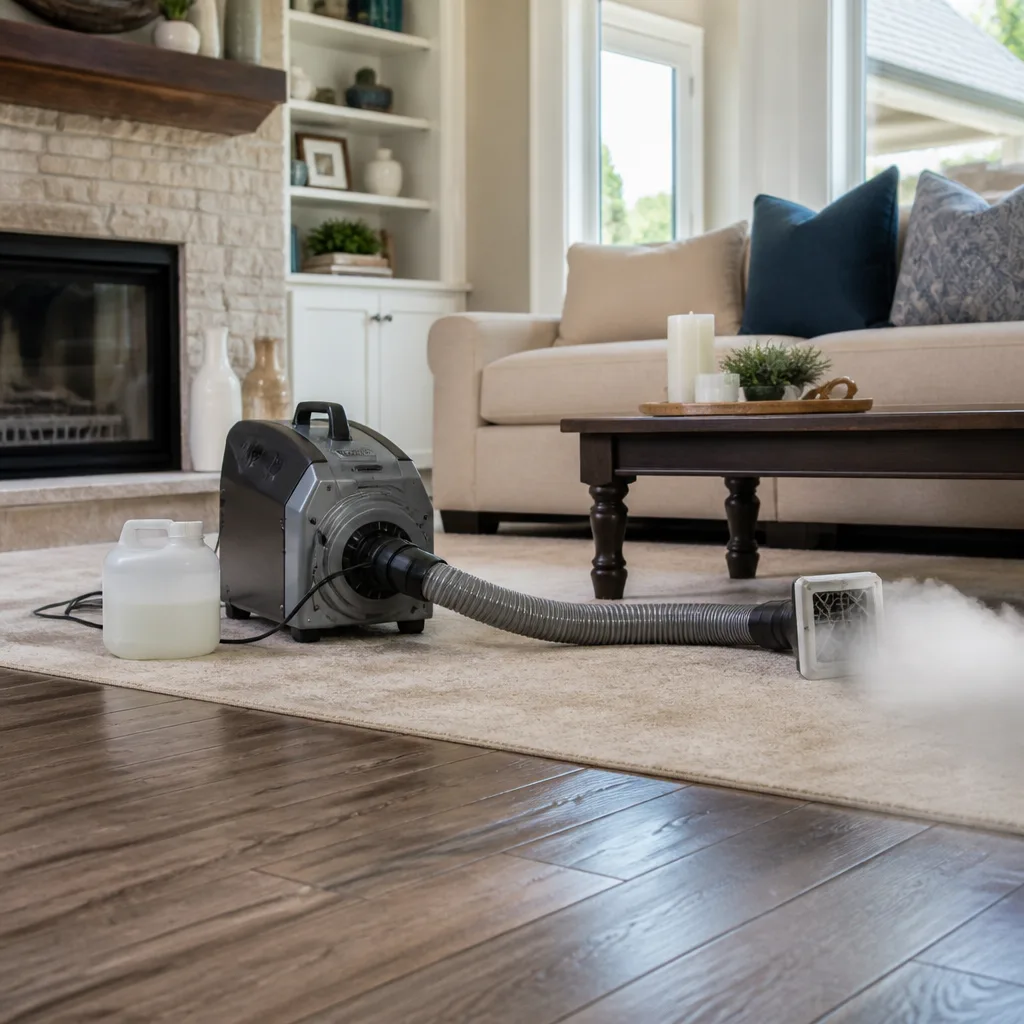
The $79-$149 coupon model typically covers a brief vacuuming of register openings, not full-system cleaning with negative-pressure extraction and mechanical agitation. The low price gets the truck on site; the upsell begins once access is established. We document our full equipment roster - Rotobrush, Nikro, Abatement Technologies - and our process in writing before you commit. If a quote seems too low to cover labor, equipment, and proper disposal, it is.
Request a documented photo record of every duct run, before and after, as a standard deliverable - not an extra. CleanRun includes this on every job, has since 2013, and delivers it as part of the written job record. If a company cannot or will not show you photographic evidence of interior duct conditions, you have no verification that cleaning occurred.
Frequency depends on observed conditions, not calendar time. A home with pets, recent renovation, basement moisture issues, or low-quality filtration may need attention every 2-3 years. A well-maintained system with consistent high-quality filtration and tight ducts may extend to 5-7 years. The only valid answer comes from periodic inspection and documentation, not a schedule printed on a coupon.
Yes. Summer humidity in unconditioned basements and crawl spaces promotes rust on metal ducts, degradation of flex duct liners, and biological growth on any surface with organic loading. Winter dryness then causes sealant and tape to crack. The combination accelerates degradation faster than either season alone. Document basement humidity seasonally and address readings above 60% with dehumidification or envelope repair.
Moderately, in specific conditions. A heavily contaminated system with blocked airflow shows measurable improvement after cleaning. A lightly loaded system will not. The primary benefits are air quality and system longevity, not dramatic energy savings. Be skeptical of claims that cleaning will “slash your energy bills” - the physics don’t support large reductions in typical residential systems.
The Bottom Line
A maintenance checklist only works if it tracks observable, photographable conditions rather than arbitrary dates. In Chicago’s distinctive climate and housing stock, that means monitoring register dust, airflow symmetry, filter loading patterns, and basement humidity effects quarter by quarter. Build a record with your smartphone, compare over time, and schedule professional service when documentation shows need - not when a calendar or coupon tells you to. For more guides & resources on maintaining your home’s air quality, explore our blog. The homeowners who get the most value from duct maintenance are those who can show a technician exactly what changed and when.
Written by Tomas Reyes, Owner at CleanRun Air Duct Cleaning Chicago, serving Chicago since 2013.