
Last updated September 23, 2026
Whole-system duct and dryer vent check with before-and-after photos - you see exactly what came out of your vents
That "$99 whole-house special" is a bait ad - the real number appears once they are in your hallway, or the "clean" is a shop-vac at the register. We photograph the inside of your ducts before and after instead.
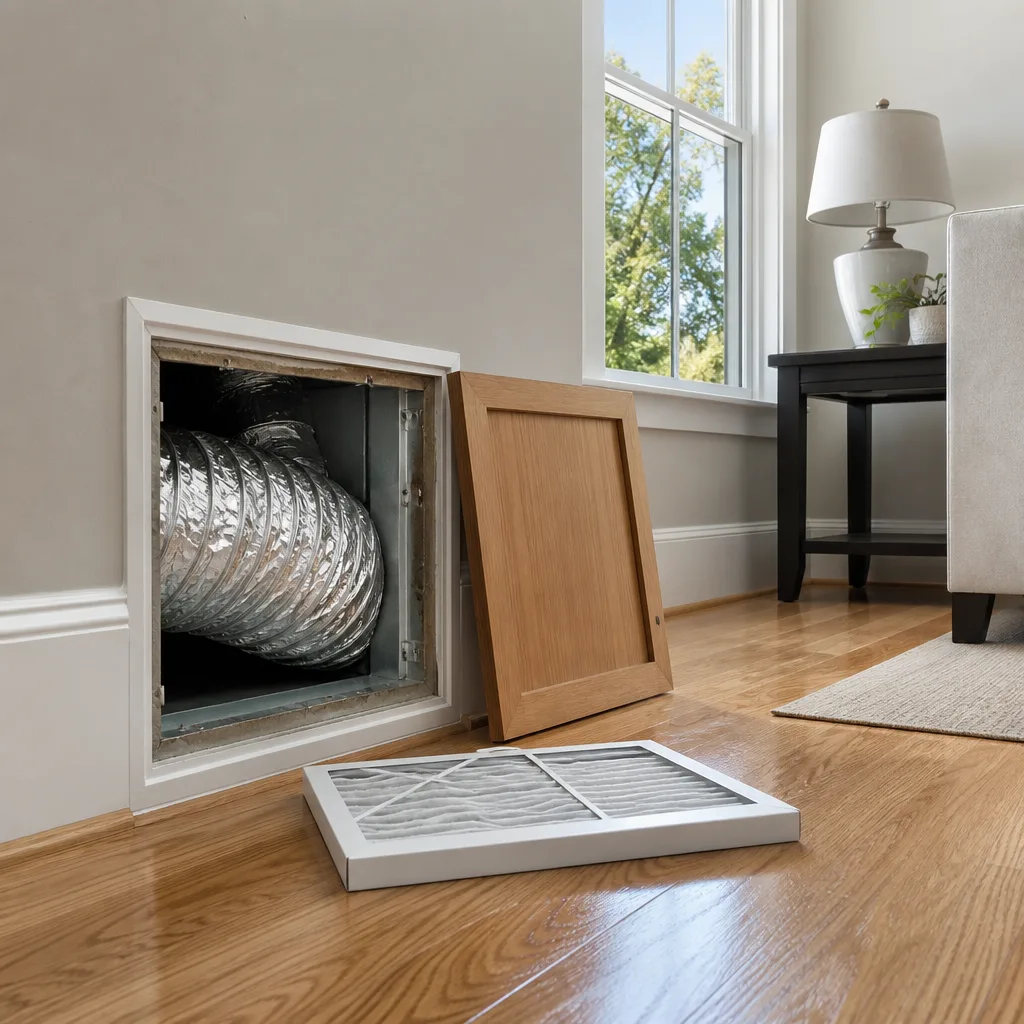
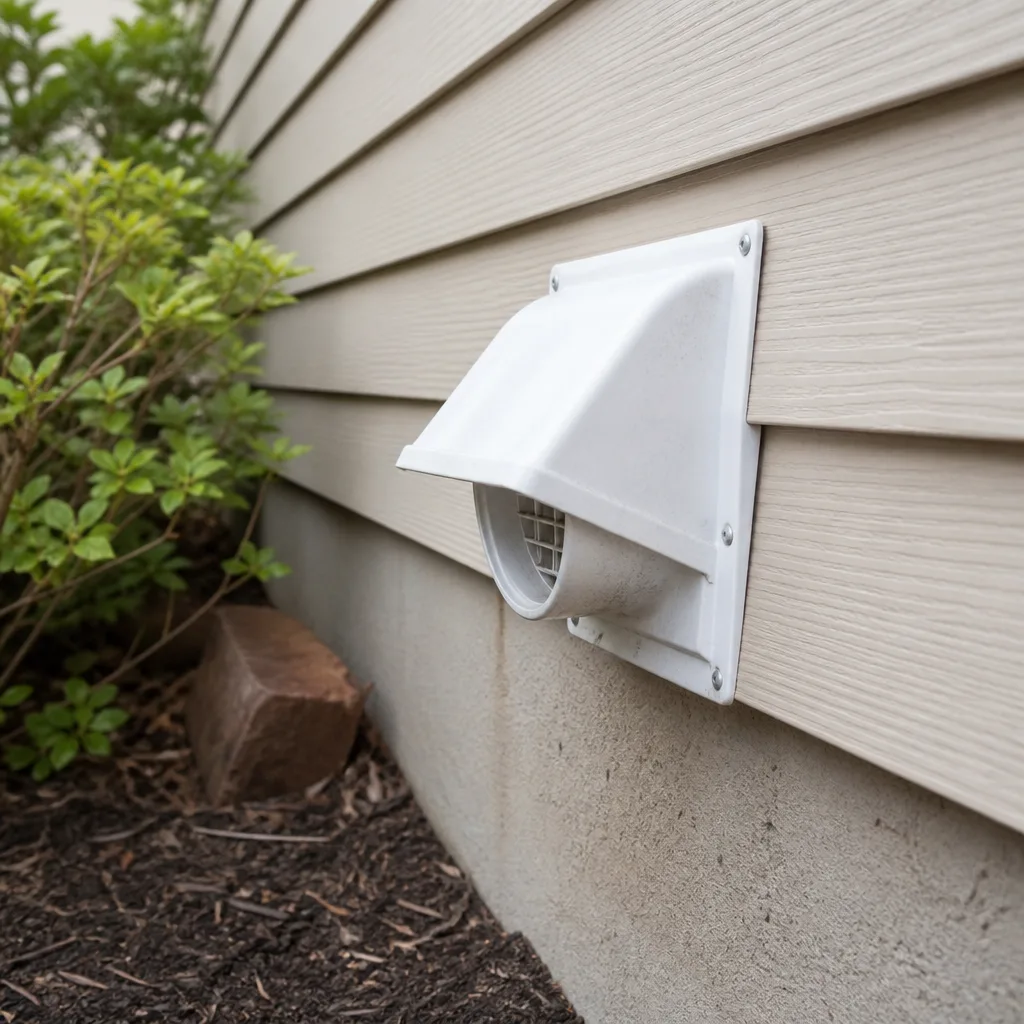
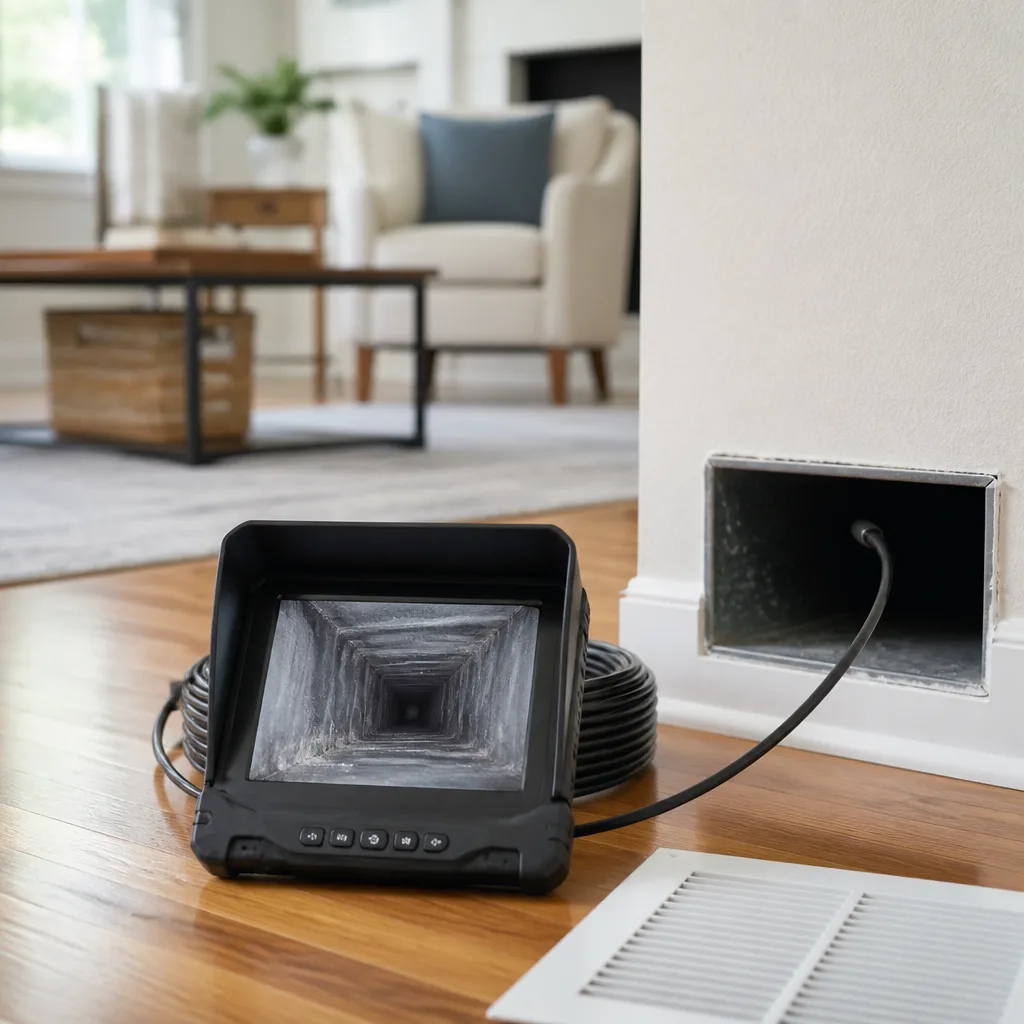
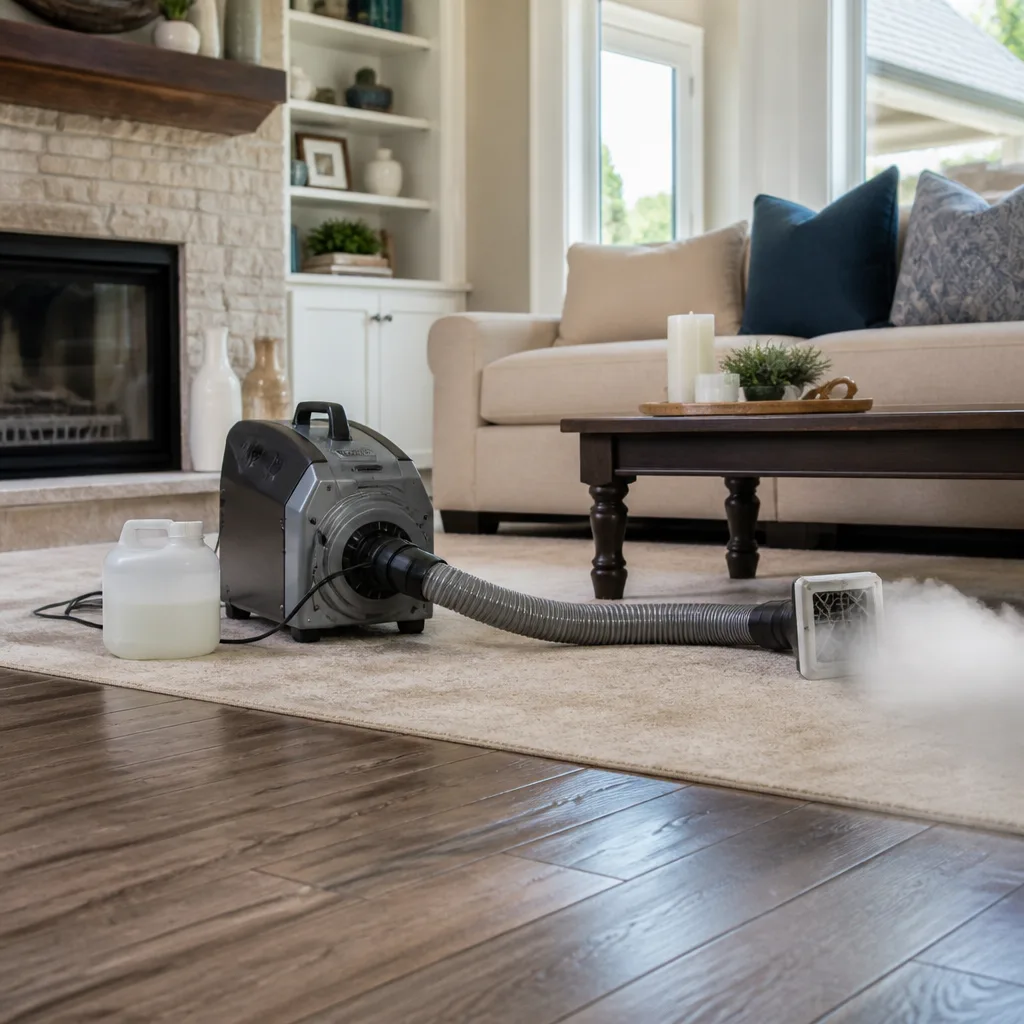
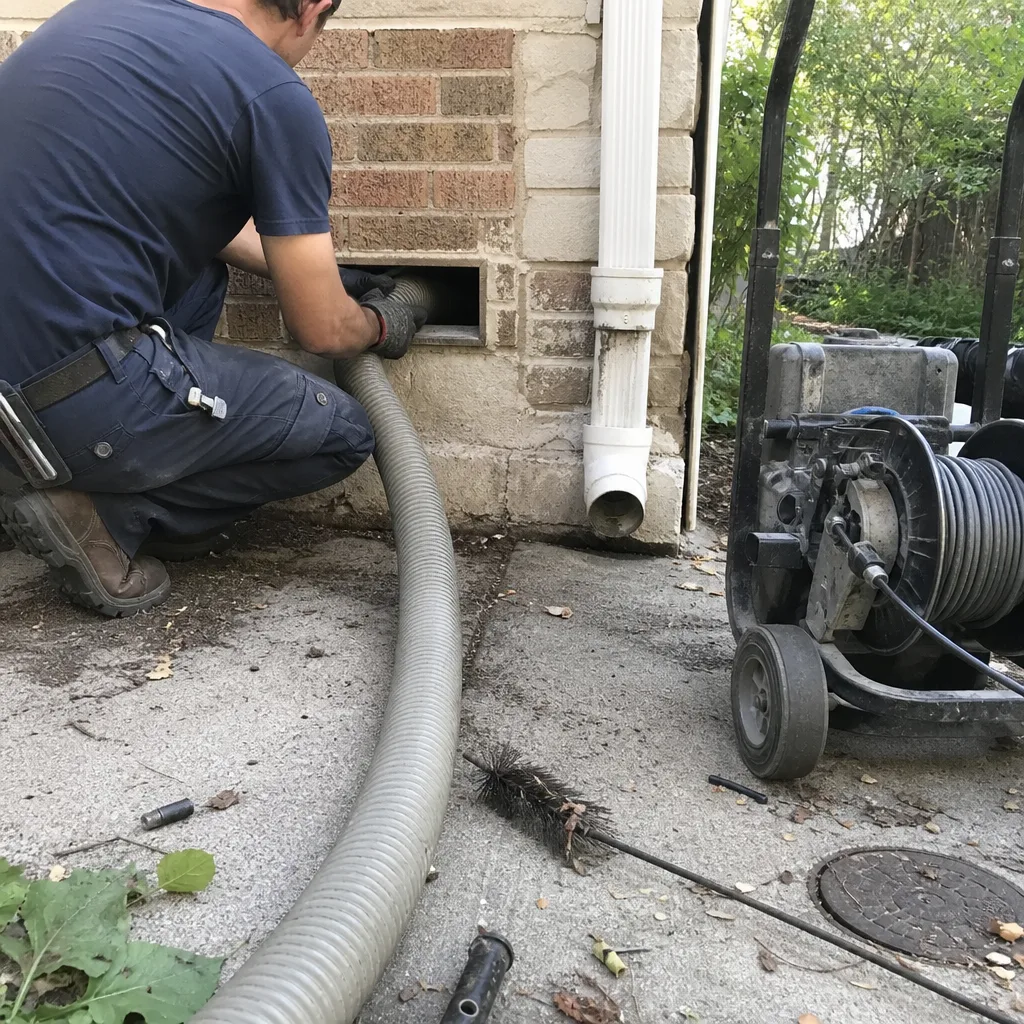 Before
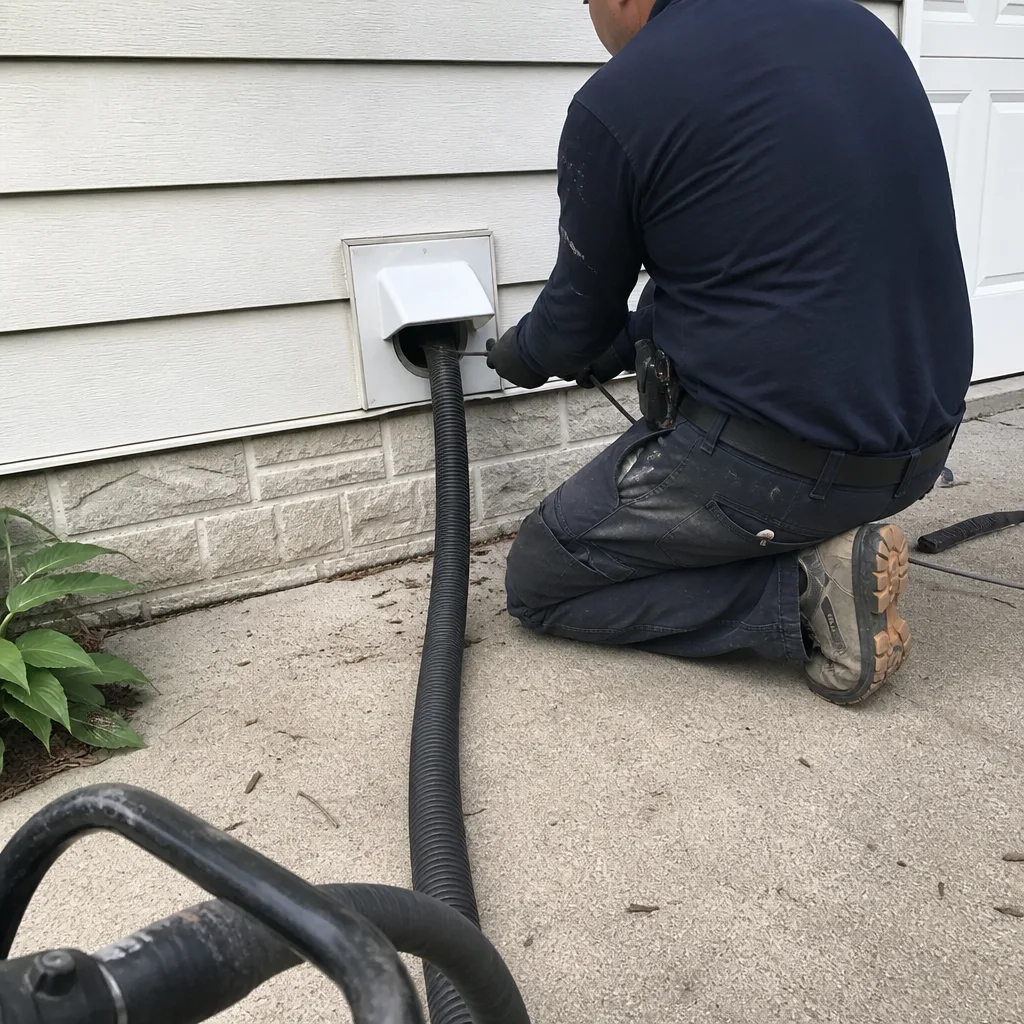 After
After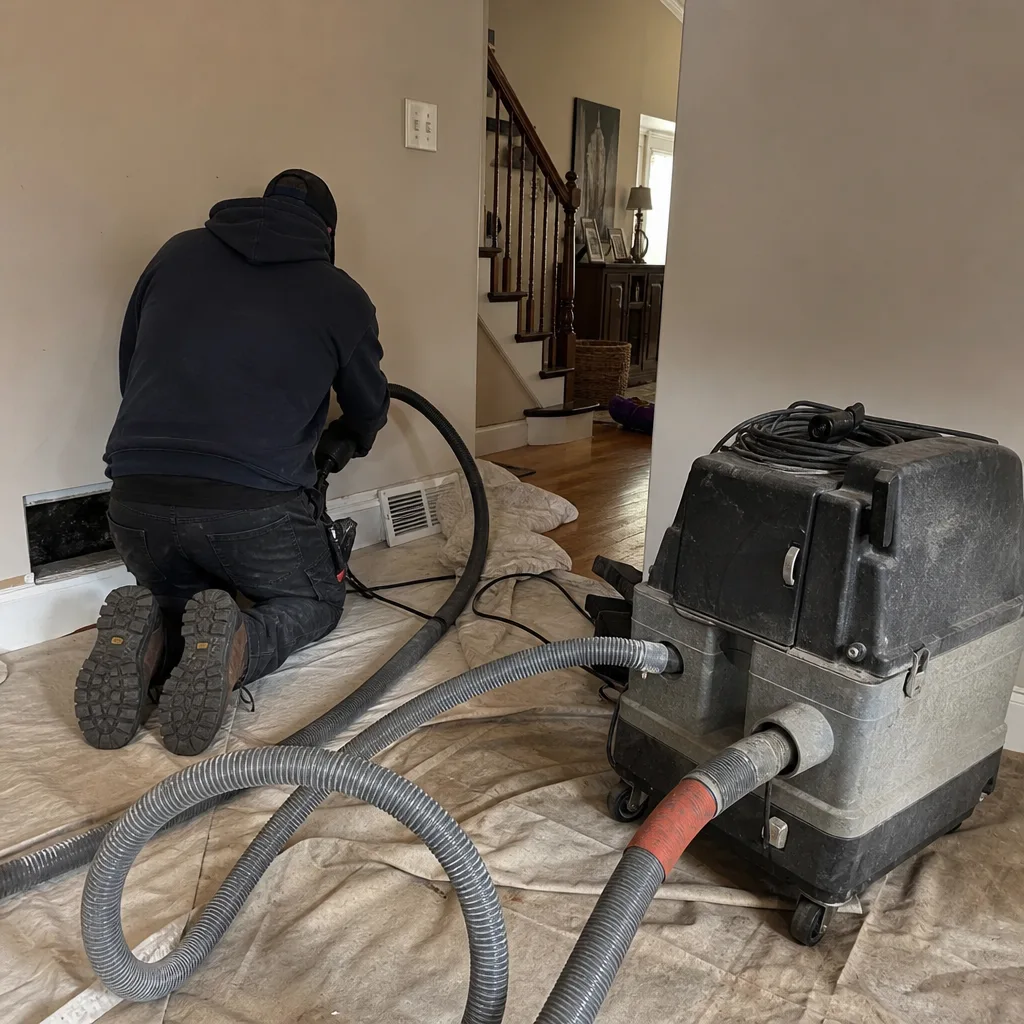 Before
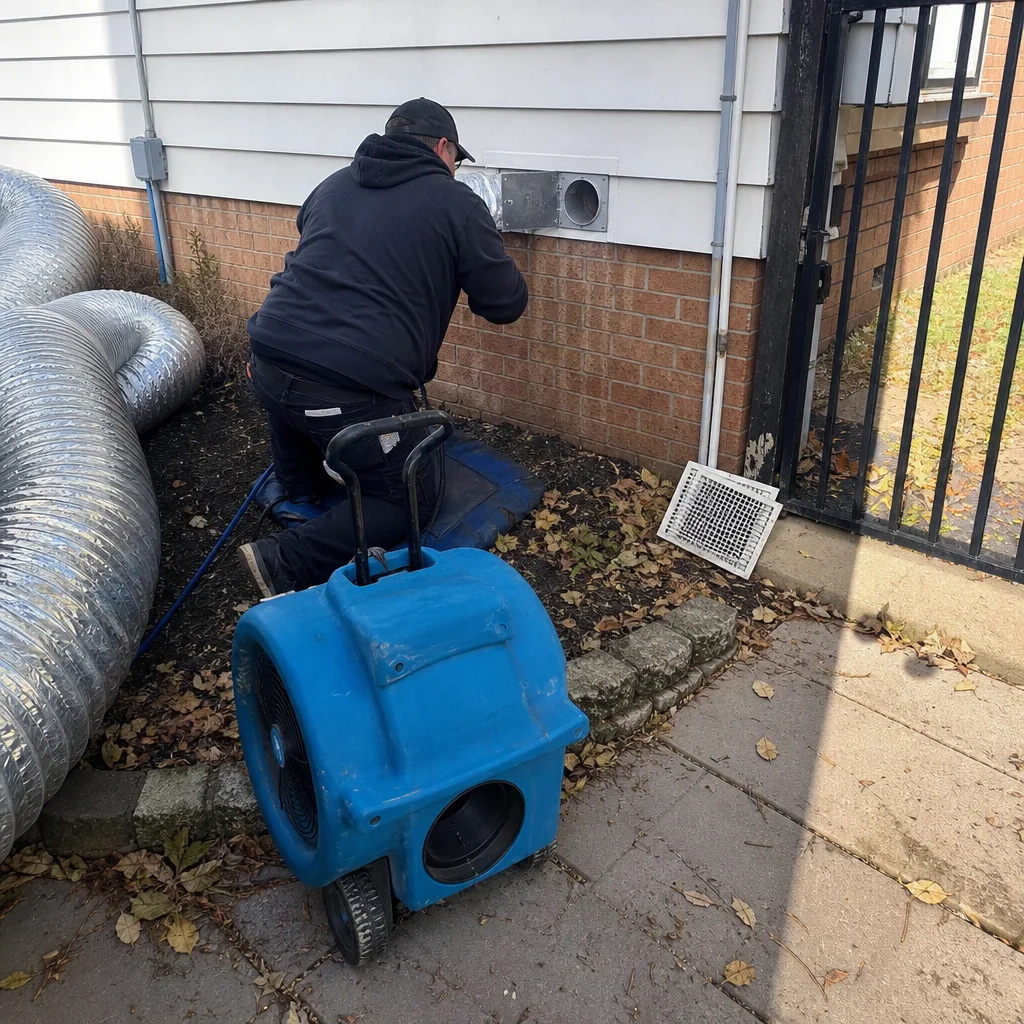 After
After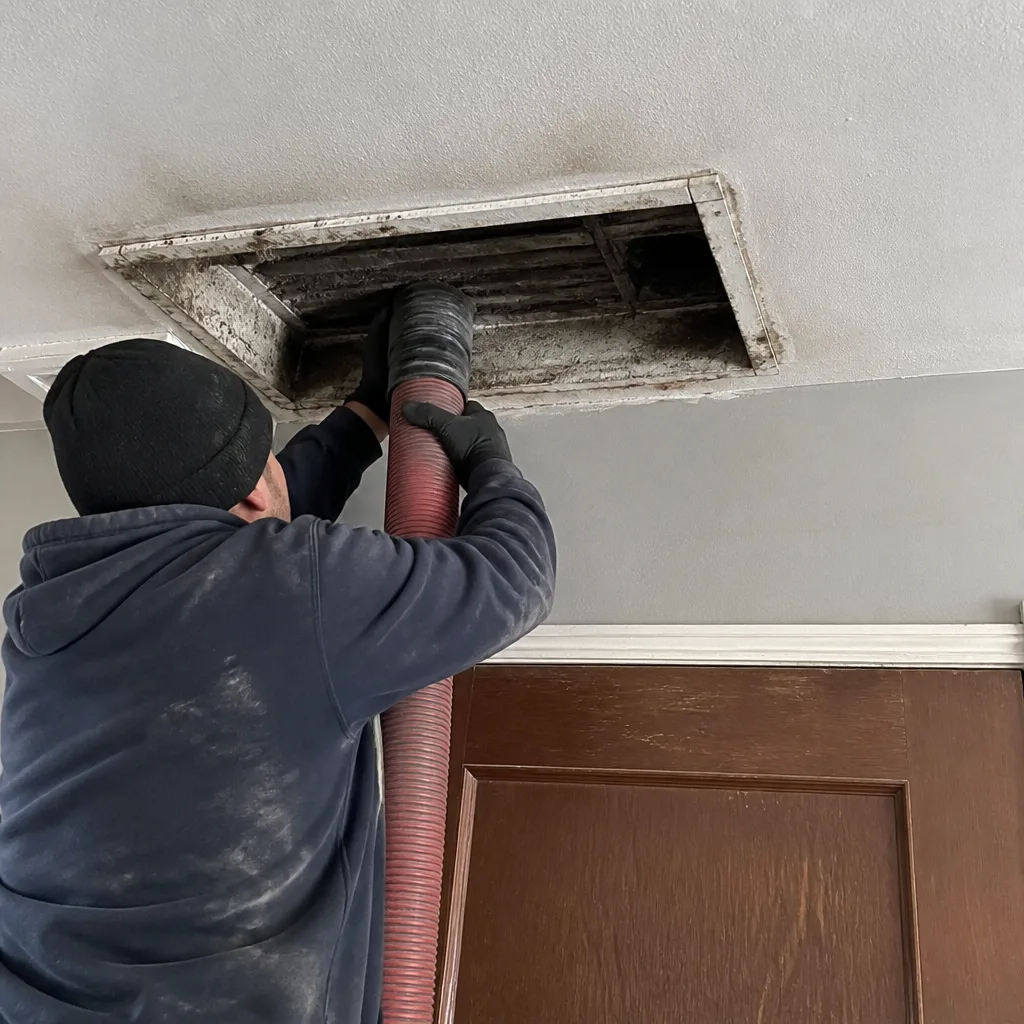 Before
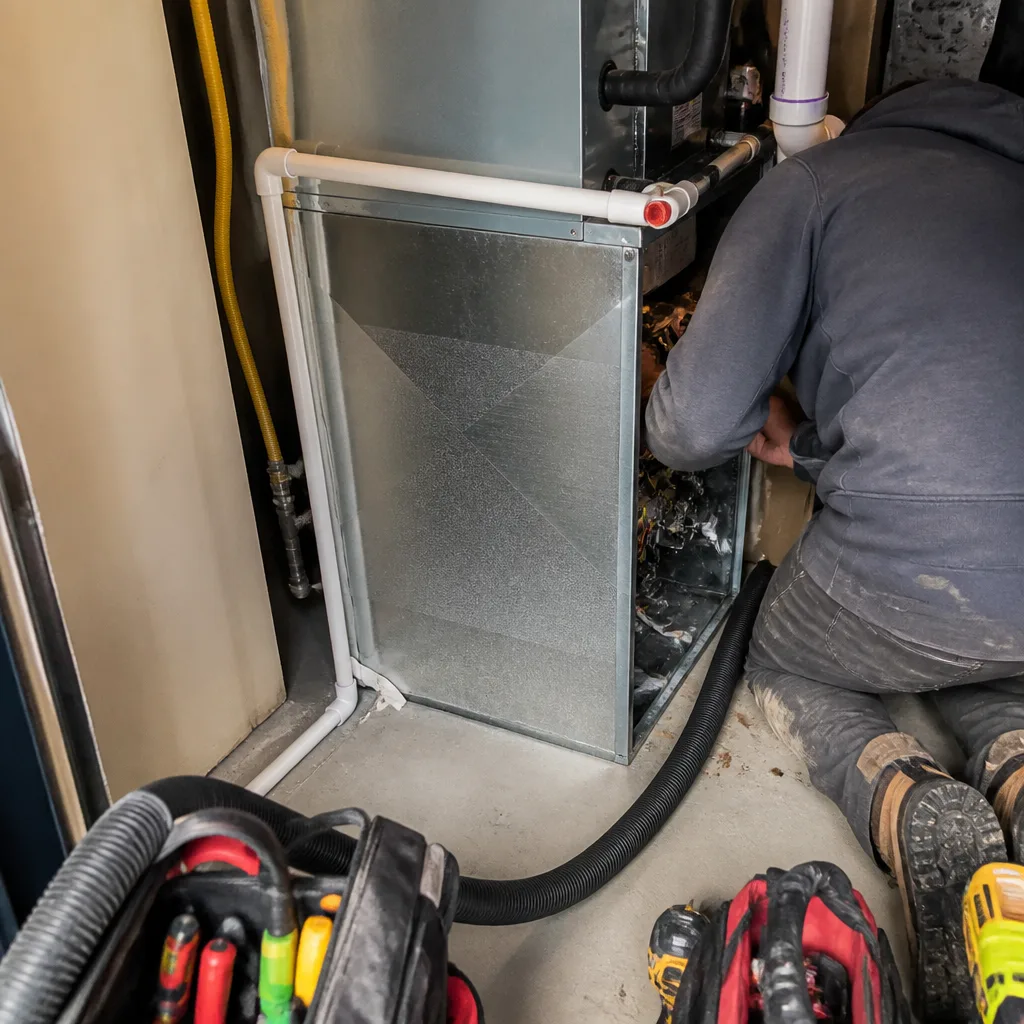 After
AfterAir Duct Cleaning Cost Breakdown: The Chicago Homeowner’s Reference for 2026
A 1,400-square-foot Chicago bungalow with a single-zone forced-air system and eight supply registers costs roughly $350-$450 for a documented source-removal cleaning in 2026. Here’s exactly how that number is built - and how to spot when a quote is missing line items that will become upsells after the technician arrives. For more guides & resources on protecting your home, see our blog. In a market where we’ve seen $99 coupons turn into $800 invoices once the van is in the driveway, understanding the actual cost structure isn’t about finding the lowest price. It’s about knowing what you’re paying for before anyone touches your system.
Quick Answer
Professional Air Duct Cleaning in Chicago costs between $350 and $800 for most single-family homes in 2026, with the final price determined by register count, trunk line length, furnace zones, and access difficulty - not square footage. A legitimate quote itemizes each component in writing before work begins; a vague “whole house” price or per-square-foot rate typically conceals add-ons that appear after arrival.
Table of Contents
- How Air Duct Cleaning Costs Are Actually Built in Chicago
- The Square Footage Myth: Why Your Floor Plan Doesn’t Determine the Price
- What Each Price Tier Actually Delivers: $99 vs. $450 vs. $900+
- Legitimate Add-Ons: What’s Worth Paying Extra For
- Upsells to Refuse: Common Chicago Market Tactics
- How to Audit Any Quote Line by Line
- Chicago-Specific Cost Factors: Climate, Codes, and Construction
- Common Mistakes to Avoid
- When to Call a Professional
- Frequently Asked Questions
BeforeAfterHow Air Duct Cleaning Costs Are Actually Built in Chicago
Every legitimate air duct cleaning quote in Chicago breaks down into four core components. Understanding each one lets you build your own estimate before calling anyone - and spot the gaps in a competitor’s quote that signal hidden charges.
Per-Register Pricing
Supply registers (the vents that blow heated or cooled air into rooms) and return registers (the larger grilles that pull air back to the furnace) are counted separately because they require different cleaning approaches.
- Supply registers: $15-$25 each. These typically number 6-12 in a Chicago bungalow or ranch, 14-22 in a two-flat or larger frame home.
- Return registers: $20-$35 each. Returns are fewer in number - usually 1-3 per zone - but involve larger ductwork and more debris accumulation.
In a typical Portage Park brick bungalow with 8 supplies and 2 returns, the register component alone runs $160-$270. A Lincoln Park greystone with 14 supplies and 3 returns lands at $290-$455 for the same line item.
Trunk Line Footage
The trunk lines are the large rectangular or round ducts that run from your furnace to the branch lines serving individual rooms. In Chicago’s older housing stock, these often run through unfinished basements with limited clearance, or through plaster walls in two-flats and courtyard buildings.
- Standard trunk line cleaning: $1.50-$3.00 per linear foot
- Insulated flex duct (common in 1990s-2000s additions): $2.50-$4.00 per linear foot - requires gentler negative-pressure extraction to avoid damage
- Hard-to-access trunk lines (above finished ceilings, in crawl spaces): $3.50-$5.00 per linear foot
A typical Chicago single-family home has 25-40 linear feet of main trunk. At $2.00 per foot, that’s $50-$80. A Hyde Park courtyard building with 80 feet of trunk line running through a partially finished basement adds $160-$240 before any other work.
Access Panel Cutting
Source-removal cleaning - the NADCA-recommended method - requires access points every 25-30 feet along the duct system. If your home lacks sufficient access panels (most pre-1980 Chicago homes do), technicians must cut new ones and seal them afterward.
- Standard access panel cut and seal: $45-$65 each
- Insulated duct requiring specialized access fitting: $65-$85 each
Most Chicago bungalows need 2-3 new access points. A fully documented cleaning on a system with zero existing panels adds $90-$195 to the total. This is the line item most commonly omitted from lowball quotes - then presented as a “required additional charge” after arrival.
Furnace Zone Multiplier
Each furnace or air handler constitutes a separate system with its own blower, plenum (the distribution box attached to the furnace), and duct network. A two-zone home doesn’t cost double - the second zone shares some trunk infrastructure - but it adds 40-60% to the base price.
- Single-zone system: Base price as calculated above
- Second zone add-on: $200-$350 additional
- Third zone (rare in residential): $150-$250 additional
This is where square-footage pricing falls apart. A 2,000-square-foot ranch in Mount Greenwood with one furnace and 12 registers might cost $380-$520. A 2,000-square-foot two-flat in Logan Square with two furnaces and 22 registers runs $650-$900 for the same total floor area.
The Square Footage Myth: Why Your Floor Plan Doesn’t Determine the Price
We’ve audited hundreds of competitor quotes across Chicago, and the most persistent pricing error is the square-footage rate: “$0.20 per square foot” or similar. This method correlates poorly with actual work because duct count and configuration vary enormously within the same footprint.
Consider two actual Chicago homes we’ve documented:
| Characteristic | Home A: Mount Greenwood Ranch | Home B: Logan Square Two-Flat |
|---|---|---|
| Above-grade square footage | 2,000 sq ft | 2,000 sq ft |
| Furnace zones | 1 | 2 |
| Supply registers | 10 | 18 |
| Return registers | 2 | 4 |
| Trunk line footage | 32 ft | 68 ft |
| Access panels needed | 2 | 4 |
| CleanRun documented price range | $395-$495 | $720-$895 |
The square-footage rate would price both homes identically at $400. The actual cost difference is $325-$400 - nearly double. Quotes that price by square footage alone are either absorbing this variance into hidden upsells, or delivering a scope that doesn’t match the home’s actual ductwork.
At CleanRun, every quote starts with a register count and trunk line measurement. Haven Standard Clause 1 requires the written price to reflect these actual variables - not a formula that fits on a coupon.
What Each Price Tier Actually Delivers: $99 vs. $450 vs. $900+
The Chicago market spans three distinct price tiers. The difference isn’t “how good” the cleaning is - it’s what deliverables are included, documented, and guaranteed.
The $99-$150 Tier: What It Actually Is
This is the coupon rate that dominates Chicago’s mailers and online ads. Here’s what the camera typically finds when we follow up on these jobs:
- Crew: One technician, often subcontracted, with a shop vacuum or portable rotary brush
- Scope: Visible register surfaces only; trunk lines and plenum untouched
- Documentation: None. No before photos, no after photos, no written scope
- Time on site: 45-90 minutes
- Equipment: Consumer-grade or unbranded; no negative-pressure extraction (the industrial vacuum that creates suction throughout the system)
The $99 coupon is a loss leader designed to generate upsells. In our experience serving Chicago since 2013, roughly 60% of these appointments result in post-arrival charges that bring the final invoice to $400-$700 - without the documentation or guarantee of a properly quoted job.
The $350-$600 Tier: The Documented Standard
This is the honest market rate for source-removal cleaning on a typical Chicago single-family home. At CleanRun, this tier includes:
- Crew: Two uniformed, background-checked technicians (Haven Standard Clause 3: Verified Crews)
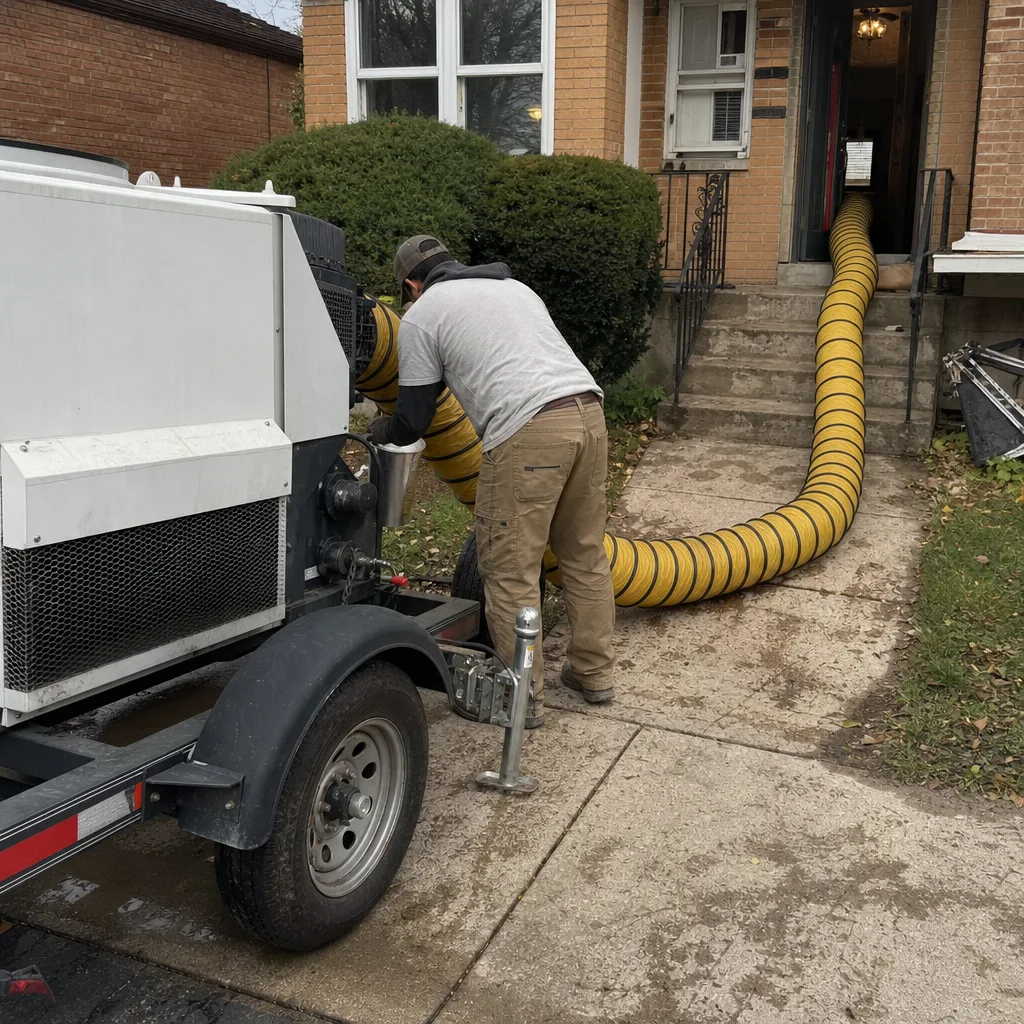
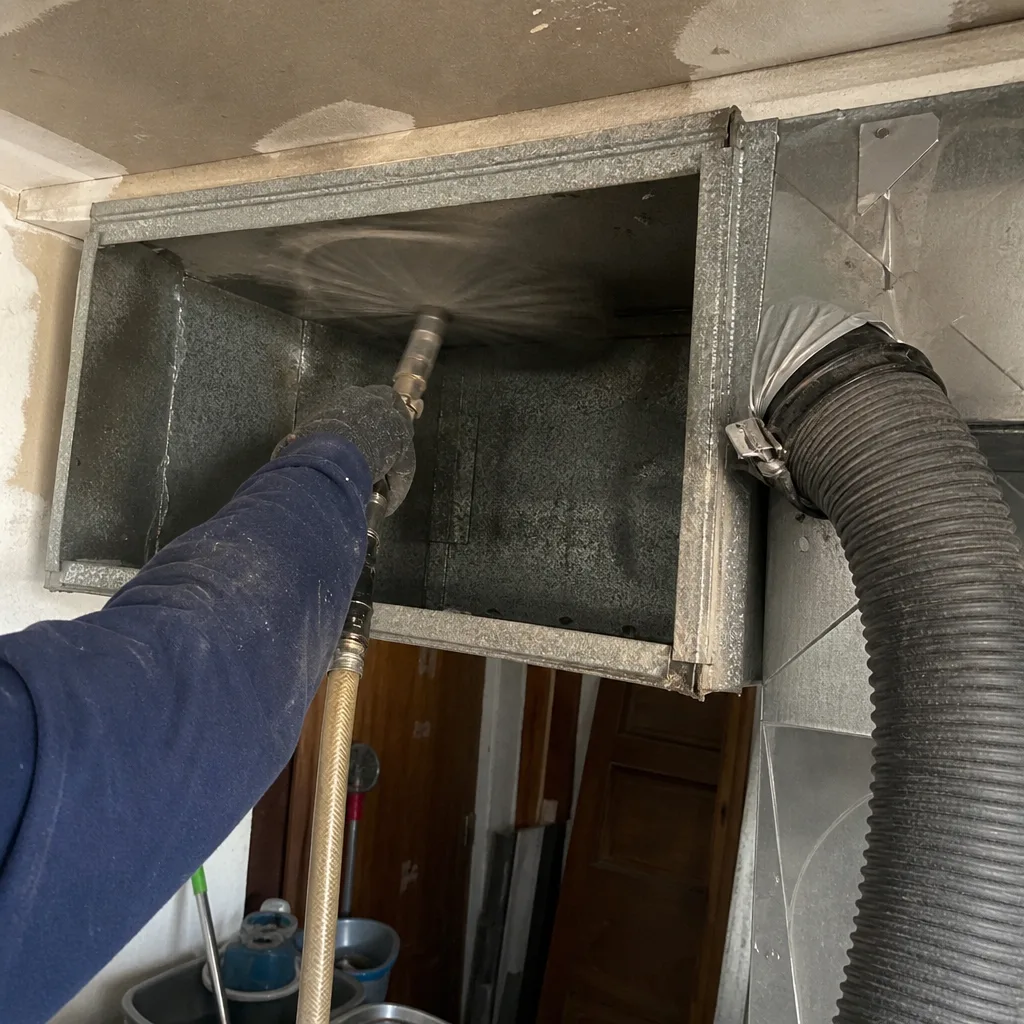
- Equipment: Negative-pressure extraction with Rotobrush or Abatement Technologies systems; HEPA-filtered collection
- Scope: All supply and return registers; all accessible trunk lines; plenum; blower compartment if accessible
- Documentation: Documented Photo Record of every duct run, before and after, delivered as part of the standard job record
- Time on site: 3-5 hours
- Guarantee: 365-Day Done Right Promise - written, not verbal
A recent job in Norwood Park illustrates this tier: 11 supply registers, 2 returns, 34 feet of trunk line, 2 access panels cut. Written price before work: $475. Documented photo record showed 2.5-inch debris accumulation in the return trunk, reduced to clean metal. Customer received the photo set and written scope within 24 hours.
The $800-$1,200+ Tier: Complex Systems and Full Documentation
This tier applies to larger homes, multi-zone systems, or jobs requiring additional access work. Examples from our Chicago records:
- Andersonville courtyard building: 3 furnaces, 26 registers, 94 feet of trunk line, 5 access panels, finished basement with limited clearance. Documented price: $1,085.
- Winnetka colonial with radiant heat conversion: Original 1920s ductwork with asbestos-wrapped trunks requiring specialized handling. Coordinated with licensed abatement contractor. Documented price: $1,175.
The $900+ tier justifies its price through labor hours (6-10), specialized equipment (Guardsman containment systems in sensitive environments), and the documentation burden - every access point, every obstacle, every photo timestamped and delivered.
Legitimate Add-Ons: What’s Worth Paying Extra For
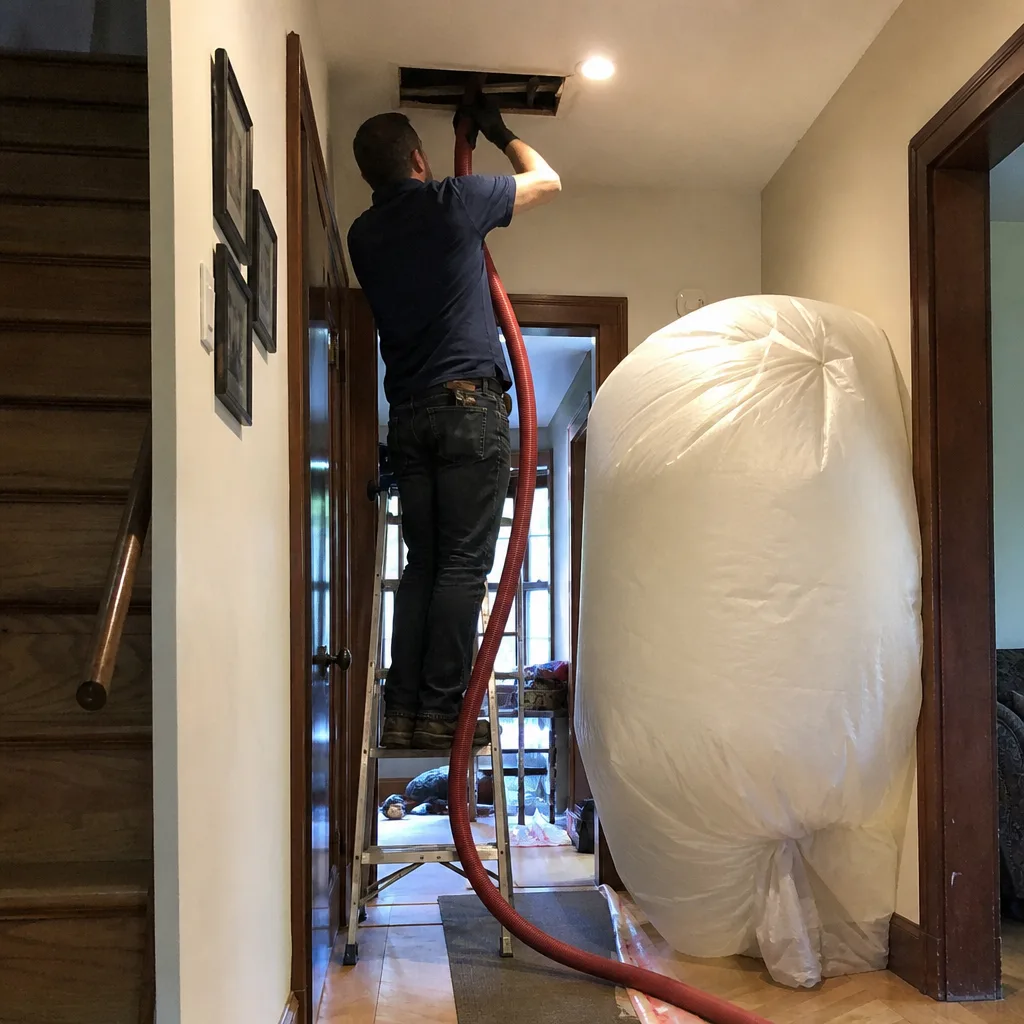
Not every extra service is an upsell. Three add-ons have documented utility in specific Chicago conditions. We itemize each in writing when relevant - no post-arrival surprises.
EPA-Registered Sanitizer Application: $75-$150
This applies an EPA-registered antimicrobial to duct surfaces after source removal. It’s useful in confirmed mold cases - visible growth on the plenum or registers, or post-remediation verification - but unnecessary for routine dust and debris.
In Chicago’s humid lakefront climate, we’ve documented mold conditions most frequently in:
- Homes with chronic sump pump failures in basements where furnaces are located
- Properties with oversized AC units that short-cycle and fail to dehumidify
- Post-flood restoration jobs where ducts were submerged
We do not recommend sanitizer for “preventive” purposes. The EPA registers these products for specific use cases, and routine application without cause has no demonstrated benefit.
Duct Sealing with Mastic: $4-$8 per Linear Foot
Mastic is a thick, paste-like sealant applied to duct joints and seams. In Chicago’s older housing stock - particularly pre-1950s homes with galvanized ductwork - leaks at joints can reduce system efficiency by 20-30%.
This add-on is worth considering when:
- Blower door testing or thermal imaging confirms substantial duct leakage
- Utility bills are disproportionately high for the home size
- Certain rooms remain consistently underconditioned despite adequate register flow
We document sealed joints with photos and note the linear footage in the written scope. The energy benefit is real but gradual - payback typically runs 3-5 years in Chicago’s climate.
UV Lamp Installation: $250-$450
UV-C lamps mounted at the evaporator coil inhibit microbial growth on the coil surface. They’re effective for this specific purpose - not for “purifying” air throughout the home, a claim we reject.
Worth considering when:
- Coil fouling is recurrent (annual cleaning required)
- Allergic occupants are sensitized to mold spores
Not worth considering when sold as general air purification, odor elimination, or replacement for source-removal cleaning. We specify the lamp model (typically Honeywell or Aprilaire UV systems) and expected bulb life in the written quote.
Upsells to Refuse: Common Chicago Market Tactics
These appear most frequently in post-arrival upsells from lowball quotes. We document them because homeowners regularly ask whether they “need” what was just presented.
“Antimicrobial Fog Treatments”: $200-$400
Marketed as “fogging your ducts with hospital-grade disinfectant,” this service has no NADCA-endorsed evidence base. The fog does not penetrate accumulated debris to reach duct surfaces, and no EPA-registered product is labeled for this application method. We’ve inspected ducts after fog treatments - the debris remains; only the smell changes.
“Coil Cleaning” as Separate Charge: $150-$300
The evaporator coil and blower compartment are integral to the air handling system. A legitimate duct cleaning scope includes visible coil surfaces and the blower if accessible without disassembly. Charging separately for this is scope-splitting - the equivalent of a mechanic charging extra to check the oil during a tune-up.
“Main Line” Surcharges
Some Chicago-area companies quote a low per-register rate, then add a “main trunk line cleaning” charge of $200-$400 after arrival. The trunk line is not optional - it’s the central distribution path. A quote that omits it is incomplete by definition.
Per-Vent Pricing with Hidden Minimums
“Only $12 per vent!” with a 20-vent minimum and $150 “trip charge” - we’ve seen this structure from several Chicago-area competitors. The math rarely works in the homeowner’s favor, and the scope remains undefined.
How to Audit Any Quote Line by Line
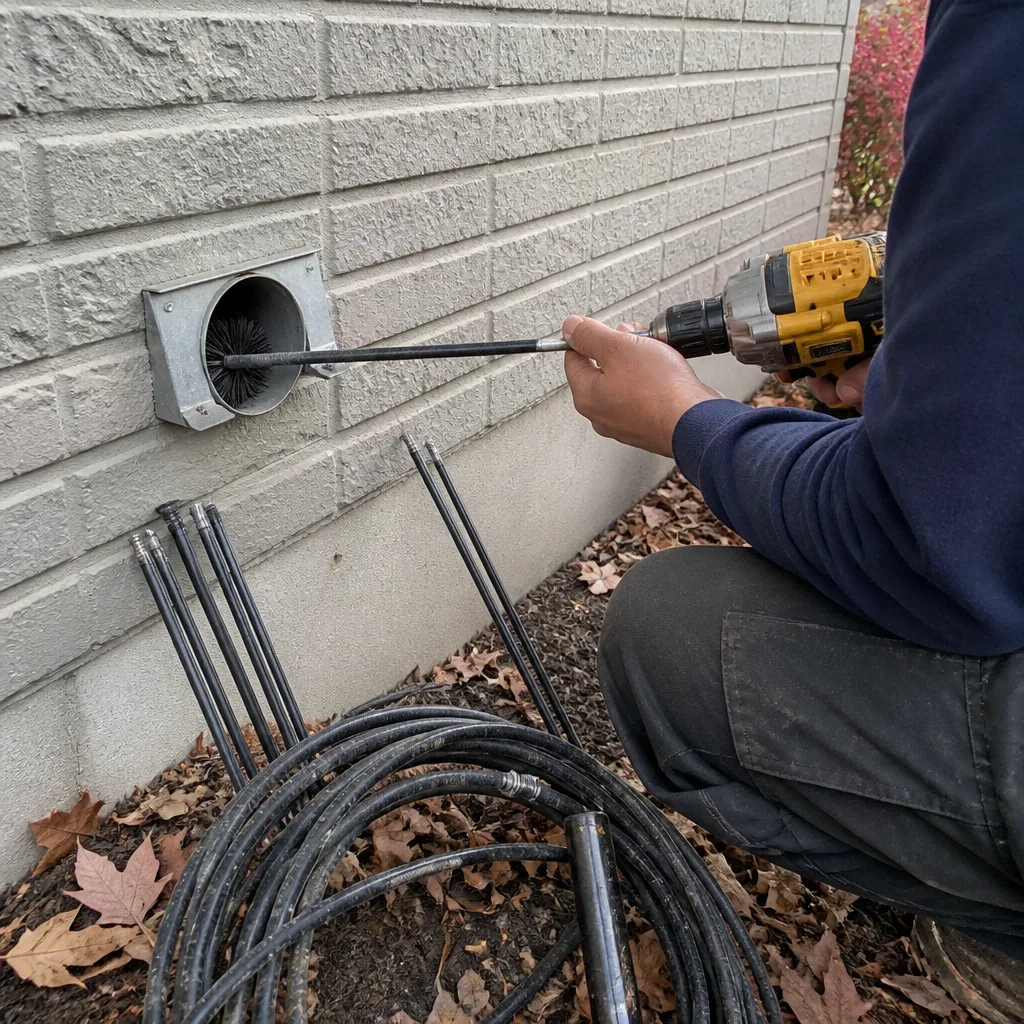
Use our Air Duct Cleaning Maintenance Checklist for Chicago Homeowners to evaluate any air duct cleaning quote in Chicago. Every item should appear in writing before work begins.
- Register count specified: How many supply registers? How many returns? Are they itemized separately?
- Trunk line footage estimated: Is there a measurement or reasonable estimate, or is this line item absent?
- Access panel work included: How many panels will be cut? What’s the charge per panel? Is sealing included?
- Furnace zones counted: Does the quote specify single-zone, two-zone, etc.?
- Equipment named: Are specific brands or system types listed (negative-pressure extraction, HEPA filtration, rotary brush)?
- Documentation promised: Will photos be taken? Will they be delivered? In what format?
- Written price guaranteed: Does the quote state “price before work begins” with no post-arrival additions for the specified scope?
- Guarantee documented: Is there a written warranty or promise, with terms and duration?
A quote that scores 6 or below on this checklist is likely to generate surprises. At CleanRun, Haven Standard Clause 1 requires a score of 8 - every item documented in writing before any panel comes off.
We also offer a Free Second Opinion on any written estimate. Bring a competitor’s quote; we put our line-item breakdown next to it in writing, at no cost.
Chicago-Specific Cost Factors: Climate, Codes, and Construction
Chicago’s built environment creates cost variables that don’t apply uniformly in other markets. These aren’t upsells - they’re structural realities of working in this city.
Basement Furnace Placement and Flood History
Chicago’s flat topography and combined sewer system mean basement flooding is routine, not exceptional. In neighborhoods like Albany Park, Humboldt Park, and portions of the South Shore, we’ve documented duct systems with sediment layers from past flooding events - not dust, but actual silt and organic debris requiring extended cleaning time. This adds 30-60 minutes to the job and may require additional access points.
Plaster and Lathe Construction
Pre-1940s Chicago homes with plaster walls often have supply ducts buried in wall cavities with no modern access. Cutting access panels in plaster requires different technique than drywall - slower, with higher repair complexity if the panel must be concealed. We note plaster construction in the written scope and adjust access panel pricing accordingly.
Asbestos-Wrapped Ductwork
Homes built 1930-1975 may have asbestos paper or tape on duct joints. Disturbing this material without licensed abatement is illegal in Illinois. We inspect for asbestos indicators before cutting any access points; if found, we coordinate with a licensed abatement contractor and document this coordination in the job record. This adds cost but is non-negotiable - no legitimate contractor will proceed otherwise.
Seasonal Demand Variation
Chicago’s heating-dominant climate creates predictable demand spikes: September-November (pre-heating season) and March-April (post-winter assessment). Pricing doesn’t fluctuate seasonally at CleanRun - Haven Standard Clause 1 fixes the written price - but appointment availability tightens. Scheduling 4-6 weeks ahead during these windows is prudent.
Common Mistakes to Avoid
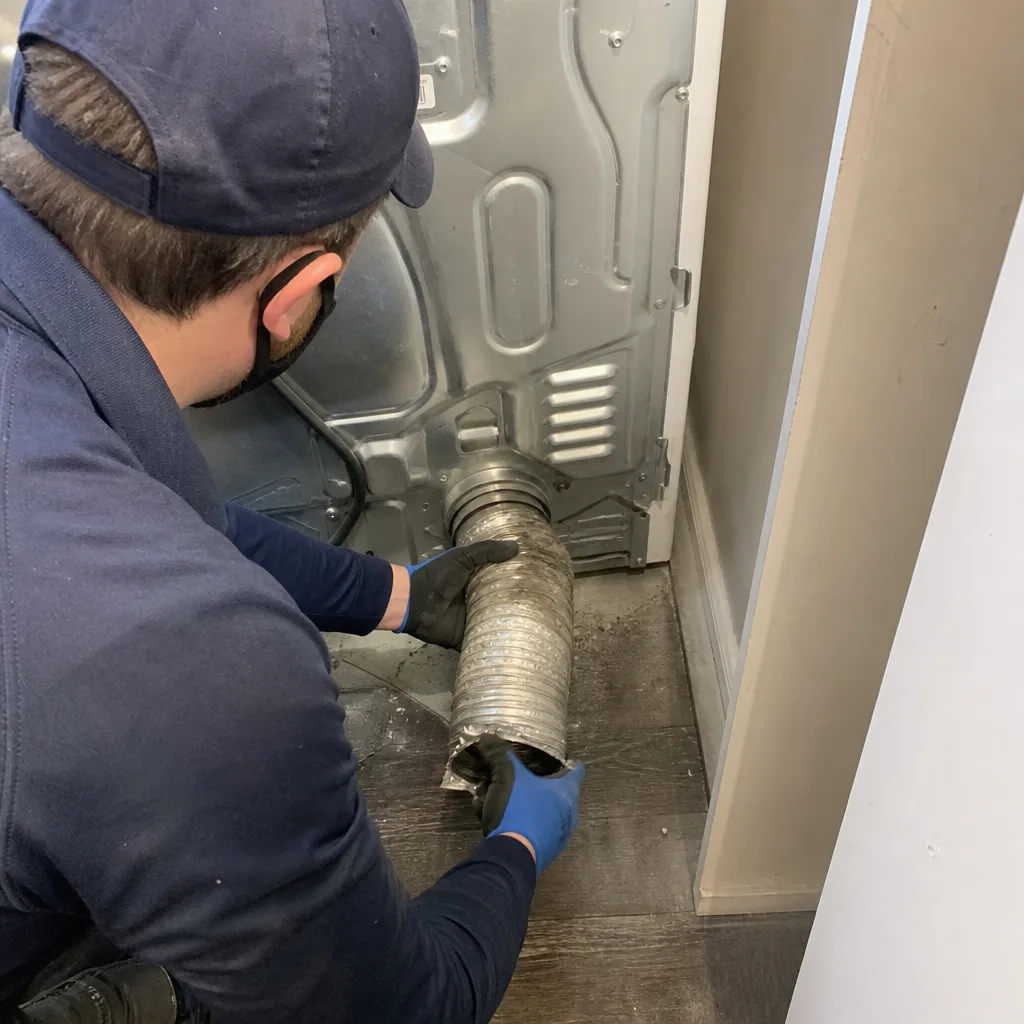
- Accepting a phone quote without a home visit. Register count and trunk line configuration can’t be determined accurately from public records or homeowner description. A written price requires on-site assessment - anything else is an estimate, not a quote.
- Equating “clean” with “sanitized.” Source removal (physical debris extraction) is the NADCA standard. Sanitizers are situational add-ons, not upgrades to “better” cleaning. A $99 “sanitized” job is still a $99 job with chemicals added.
- Ignoring the photo record. In Chicago’s competitive market, we’ve encountered competitors who reuse stock photos or skip documentation entirely. Insist on timestamps or job-specific identifiers in any photo evidence.
- Scheduling around a coupon expiration. Artificial urgency - “expires Friday” - is designed to prevent comparison shopping. A legitimate price is valid when the scope is understood, not when the coupon says.
- Assuming all “certifications” are equivalent. NADCA membership requires adherence to specific cleaning standards; other “certifications” may be purchased online with no verification. Ask what the certification requires, not just whether it exists.
- Neglecting dryer vent cleaning. In Chicago’s dense housing, dryer vent cleaning is often bundled with duct cleaning at $60-$90 add-on. Separately, it costs $120-$180. The bundle saves money and addresses a genuine fire hazard in lint-accumulating long runs common in multi-story Chicago homes.
When to Call a Professional
Call for documented assessment when you observe visible debris at registers, inconsistent airflow between rooms, musty odors when the system runs, or after any renovation generating substantial dust. In Chicago’s older housing stock, we also recommend assessment before purchasing a home - pre-purchase inspections rarely include duct interior evaluation, and inherited debris from decades of prior occupancy is common.
CleanRun Air Duct Cleaning Chicago offers free estimates in Chicago - call (708) 683-3974. Every estimate includes a written, itemized price before any work begins, with no post-arrival additions for the agreed scope. We also provide HVAC cleaning and dryer vent cleaning as documented, standalone services or bundled with duct cleaning.
Frequently Asked Questions
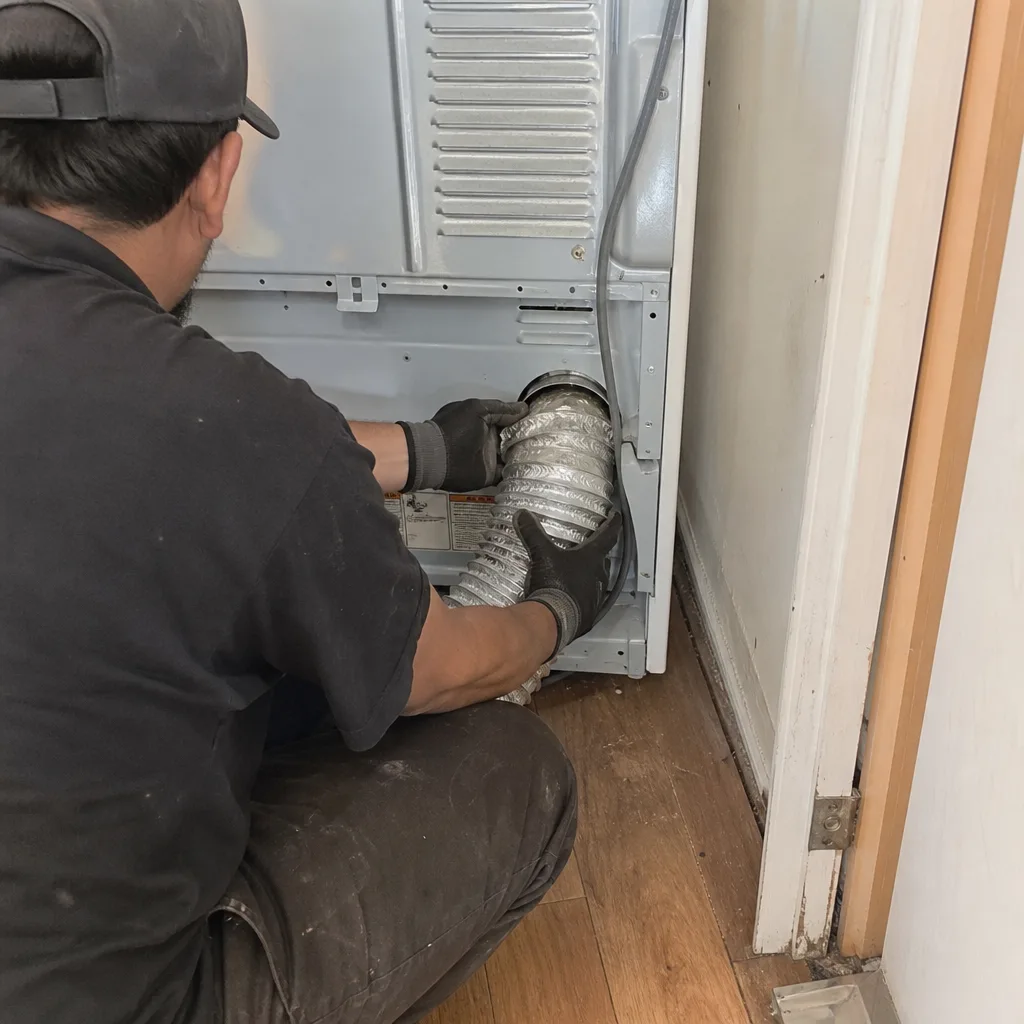
Most Chicago homeowners pay $350-$800 for professional source-removal cleaning in 2026, with the final price determined by register count, trunk line length, and furnace zones - not square footage. A typical 1,400-square-foot bungalow with one furnace and 8-10 registers runs $350-$450; a two-flat or larger home with multiple zones can reach $700-$900. Call (708) 683-3974 for a written estimate with no post-arrival additions.
The $99-$150 quotes are loss leaders designed to generate post-arrival upsells - typically incomplete scope (register surfaces only, no trunk lines), undocumented work, and subcontracted labor. The actual cost of legitimate equipment, two-person crews, and documentation cannot be delivered at this price. Ask for the line-item breakdown; missing components reveal the true price structure. CleanRun publishes every component in writing under Haven Standard Clause 1.
Insist on a documented photo record with timestamps or job-specific identifiers showing the inside of every duct run before and after cleaning. At CleanRun, this is standard on every job - not an upgrade. If a company cannot or will not provide this, the work is unverifiable. We deliver our photo records within 24 hours of job completion.
NADCA recommends cleaning every 3-5 years for typical residential systems, or more frequently with pets, smokers, recent renovations, or respiratory sensitivities. In Chicago’s climate, we’ve found 4-6 years is typical for homes without aggravating factors; lakefront properties with higher humidity may need more frequent assessment for microbial conditions. The camera determines the schedule - not the calendar.
We itemize by component - registers, trunk lines, access panels, zones - and deliver one flat price per system agreed before work starts. We do not use per-vent pricing, which conceals trunk line and access costs, or per-square-foot pricing, which ignores duct configuration. Haven Standard Clause 1 requires this transparency.
Our standard air duct cleaning in Chicago includes negative-pressure extraction of all supply and return registers, accessible trunk lines, and the plenum; cutting and sealing access panels as needed; blower compartment cleaning if accessible; and a Documented Photo Record of every duct run delivered within 24 hours. All work is backed by the 365-Day Done Right Promise. Equipment includes Rotobrush, Abatement Technologies, or Nikro systems - specified in your written quote.
The Bottom Line
Air duct cleaning in Chicago costs what it costs because of measurable variables: registers, trunk lines, access points, and zones. Anyone who won’t itemize these in writing before work begins is selling uncertainty, not service. The $99 coupon and the $900 documented job are not the same service at different prices - they’re different services with different deliverables, and the homeowner’s job is to know which one they’re buying before the truck arrives.
Since 2013, CleanRun has served 52,000+ Chicago-area homes with one flat price per system agreed before work starts, every time, with a Documented Photo Record on every visit. No post-arrival math. No undocumented work. The price we write is the price you pay.
Written by Tomas Reyes, Owner at CleanRun Air Duct Cleaning Chicago, serving Chicago since 2013.