
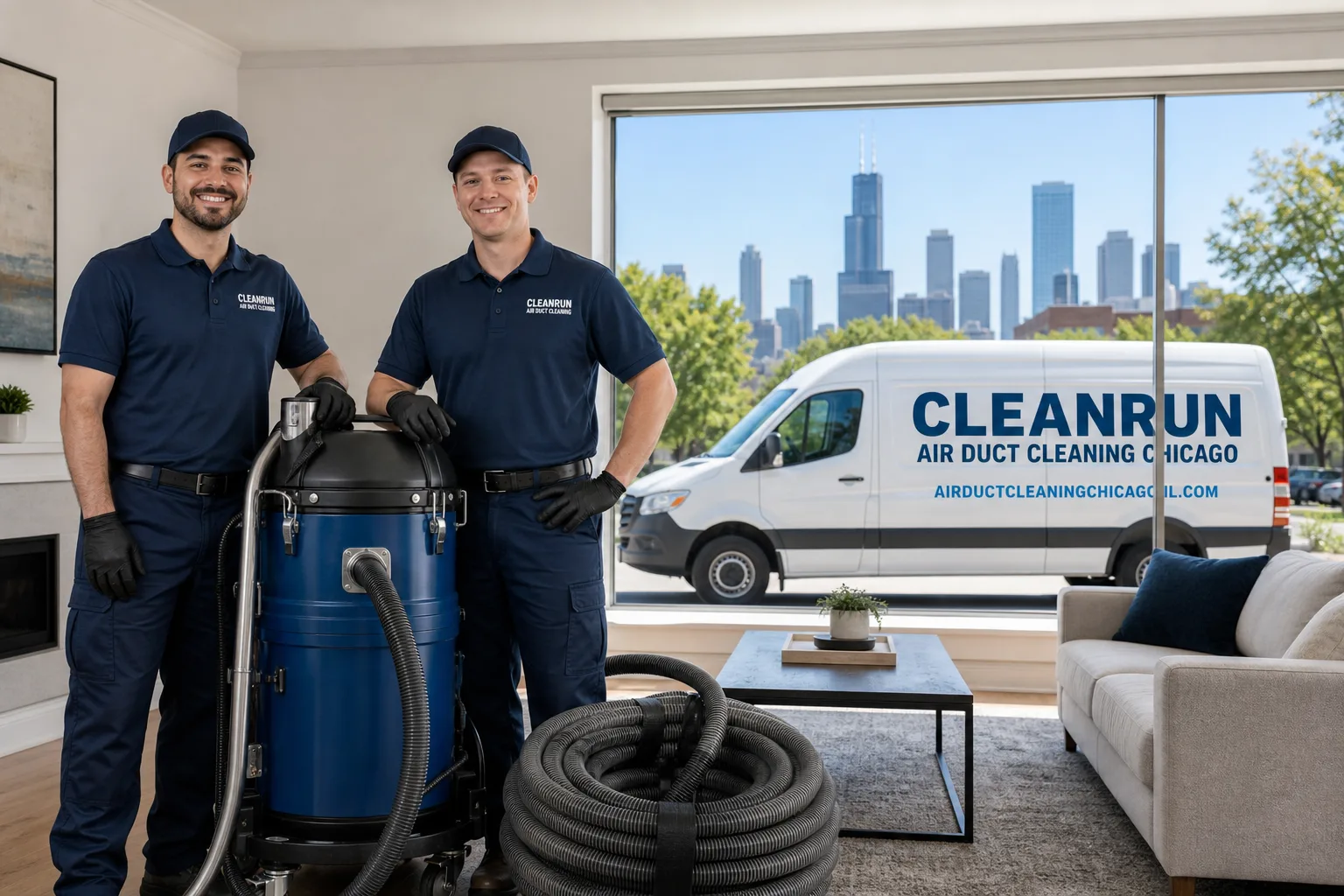
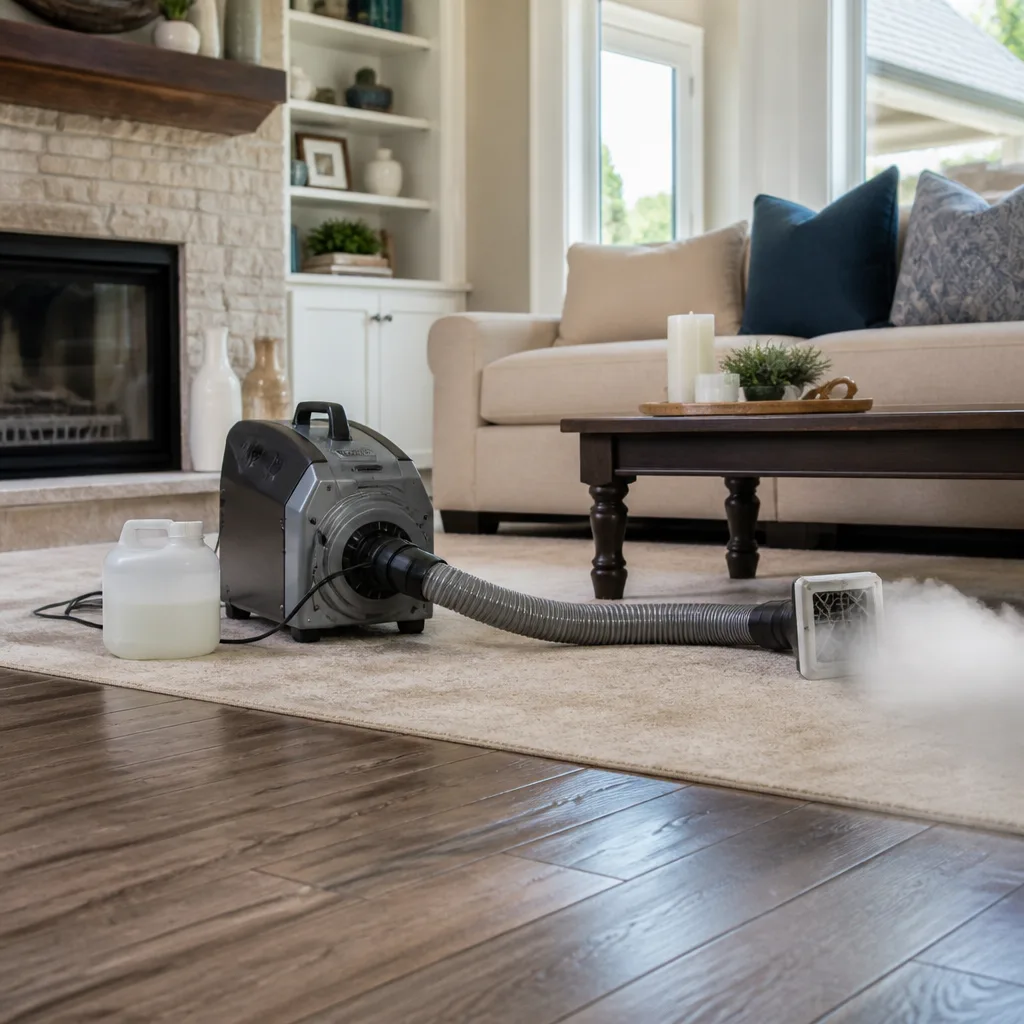
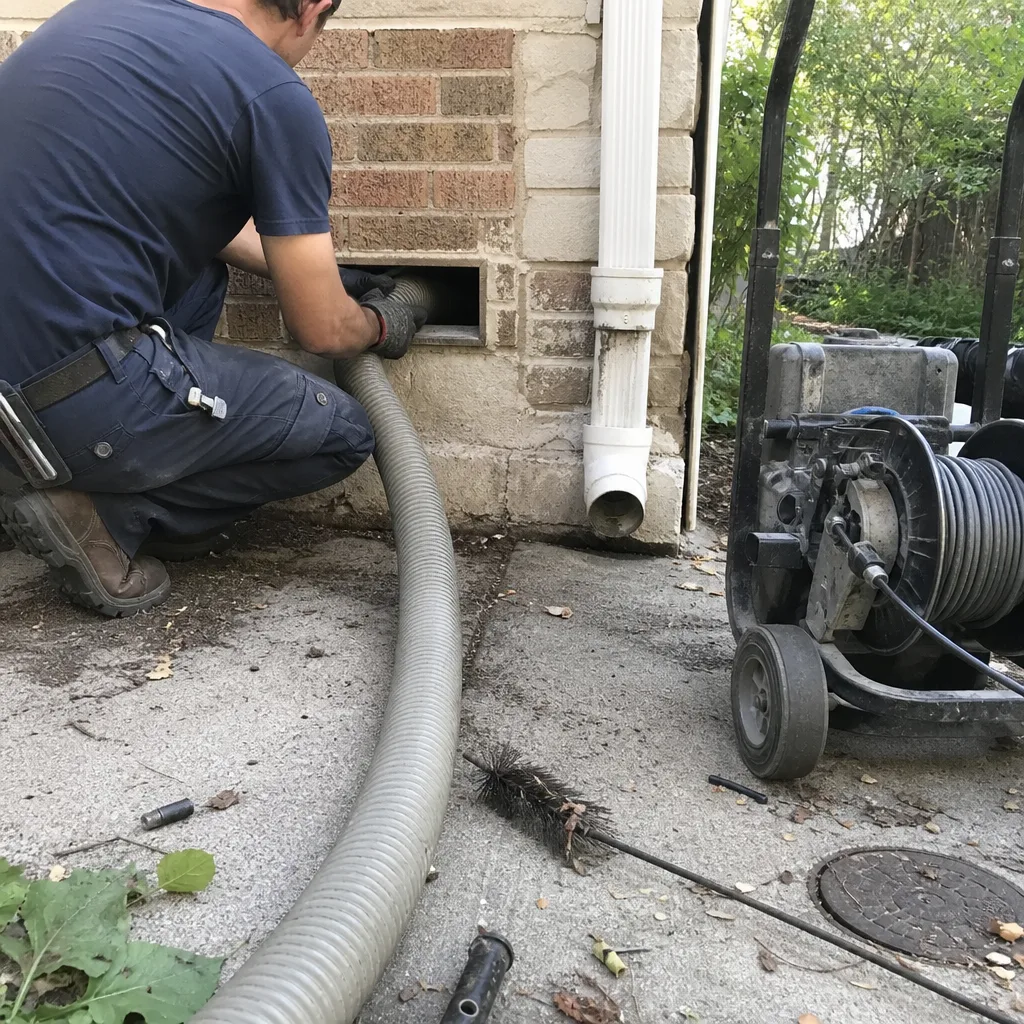
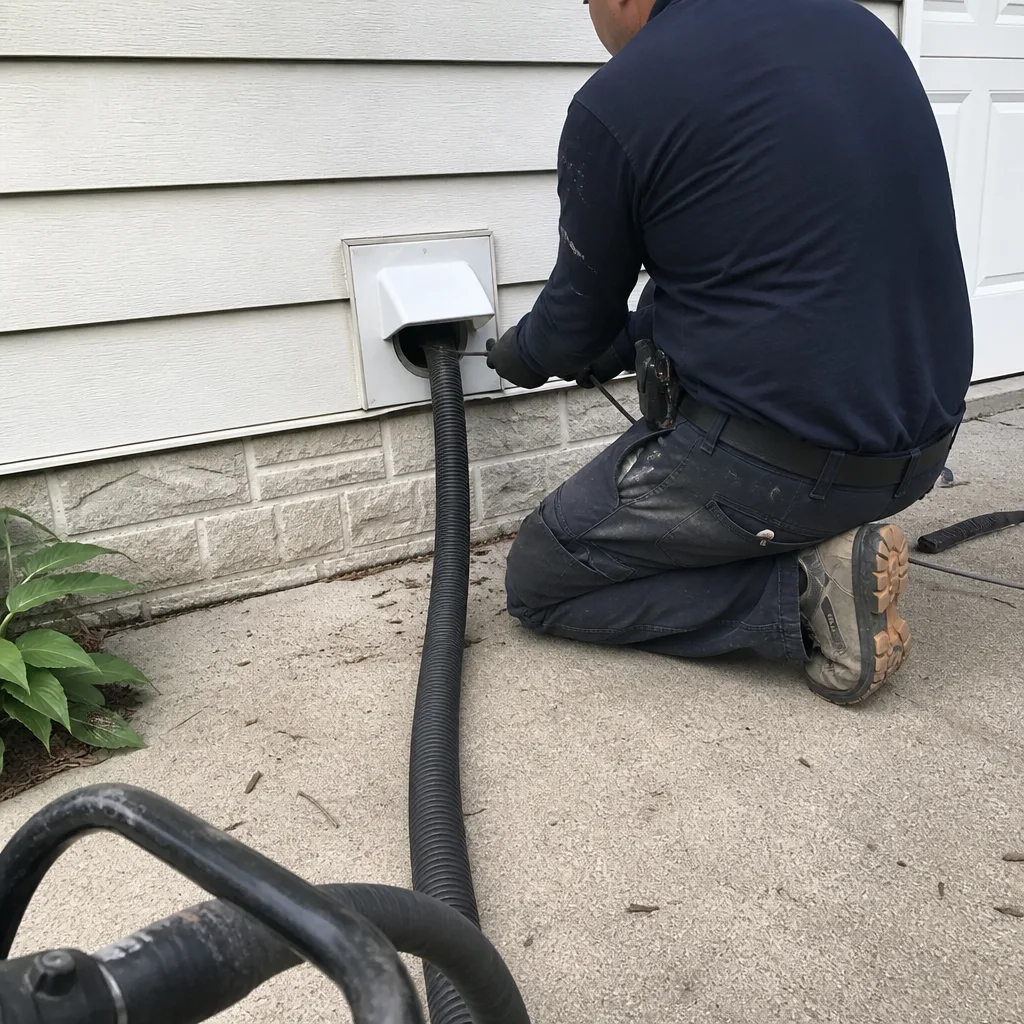
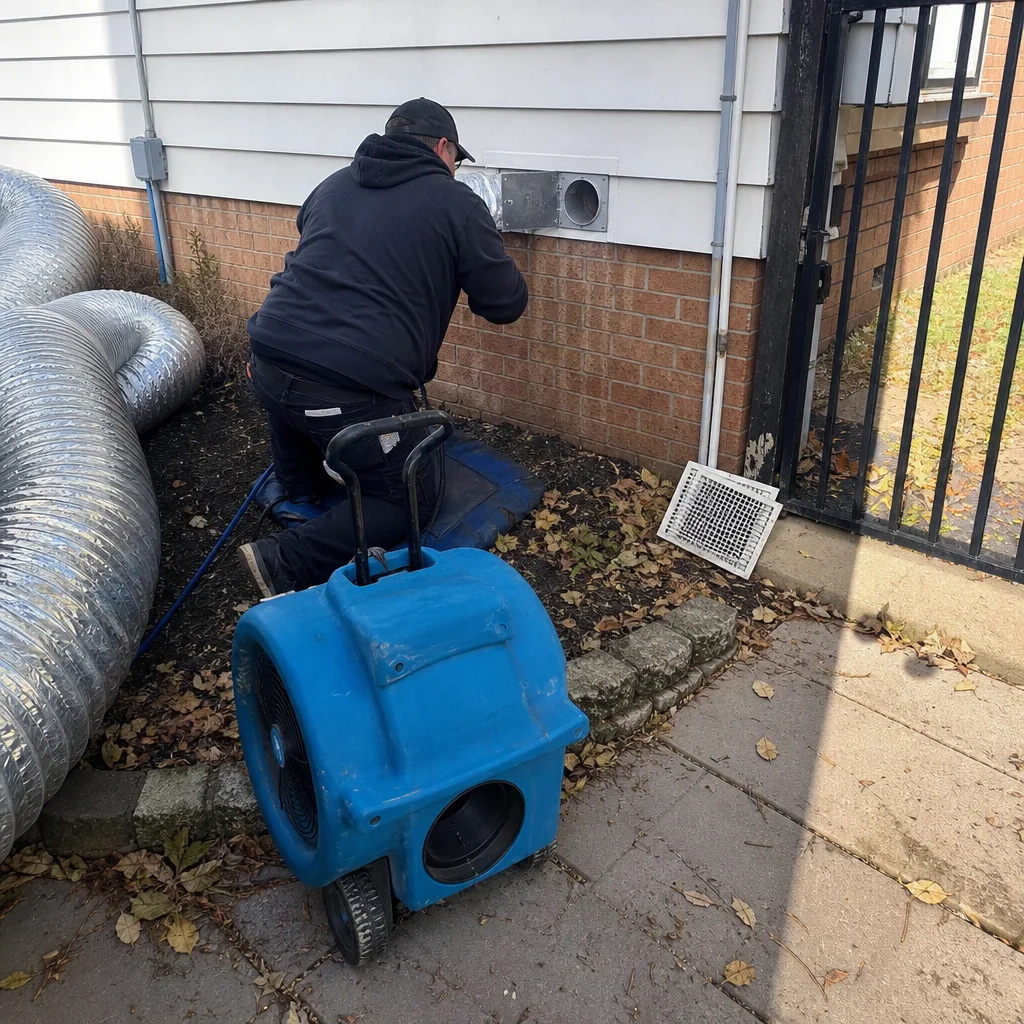
Whole-system duct and dryer vent check with before-and-after photos - you see exactly what came out of your vents
That "$99 whole-house special" is a bait ad - the real number appears once they are in your hallway, or the "clean" is a shop-vac at the register. We photograph the inside of your ducts before and after instead.
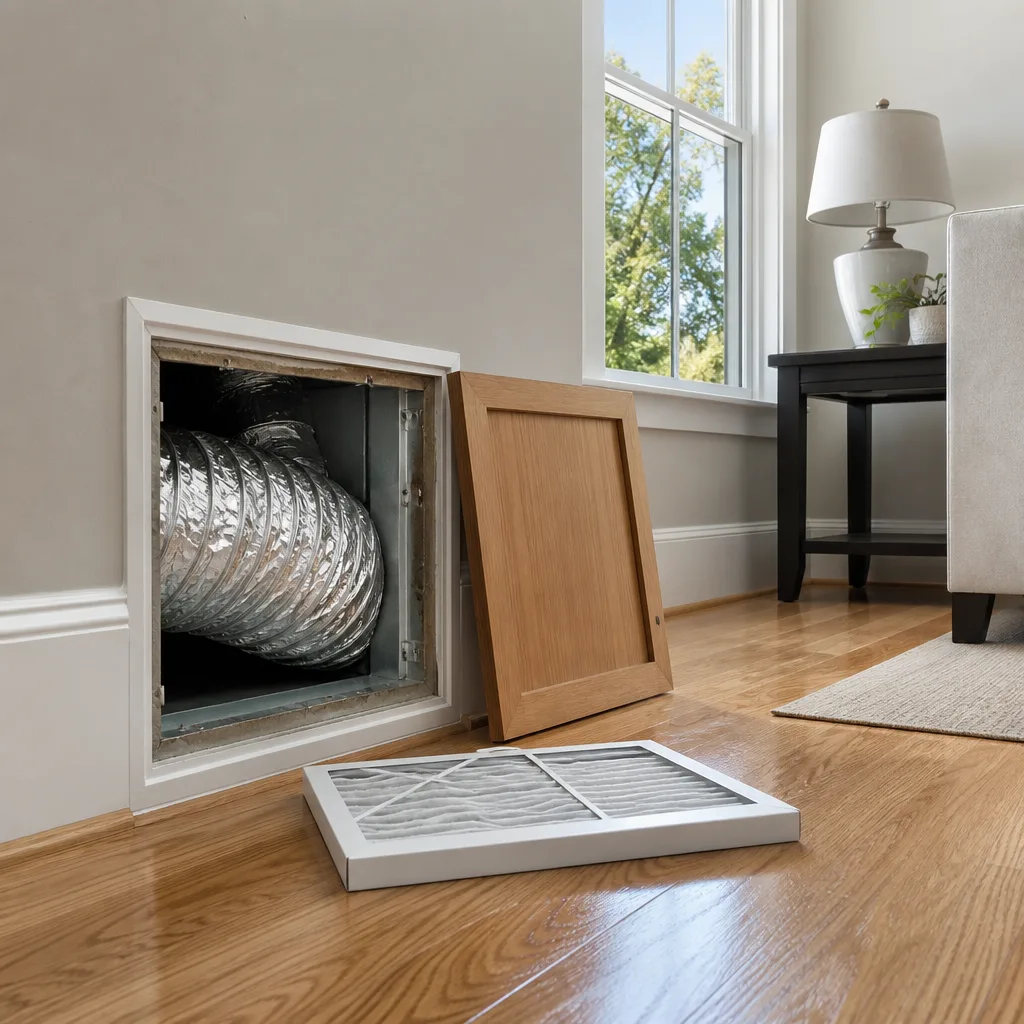
 Before
 After
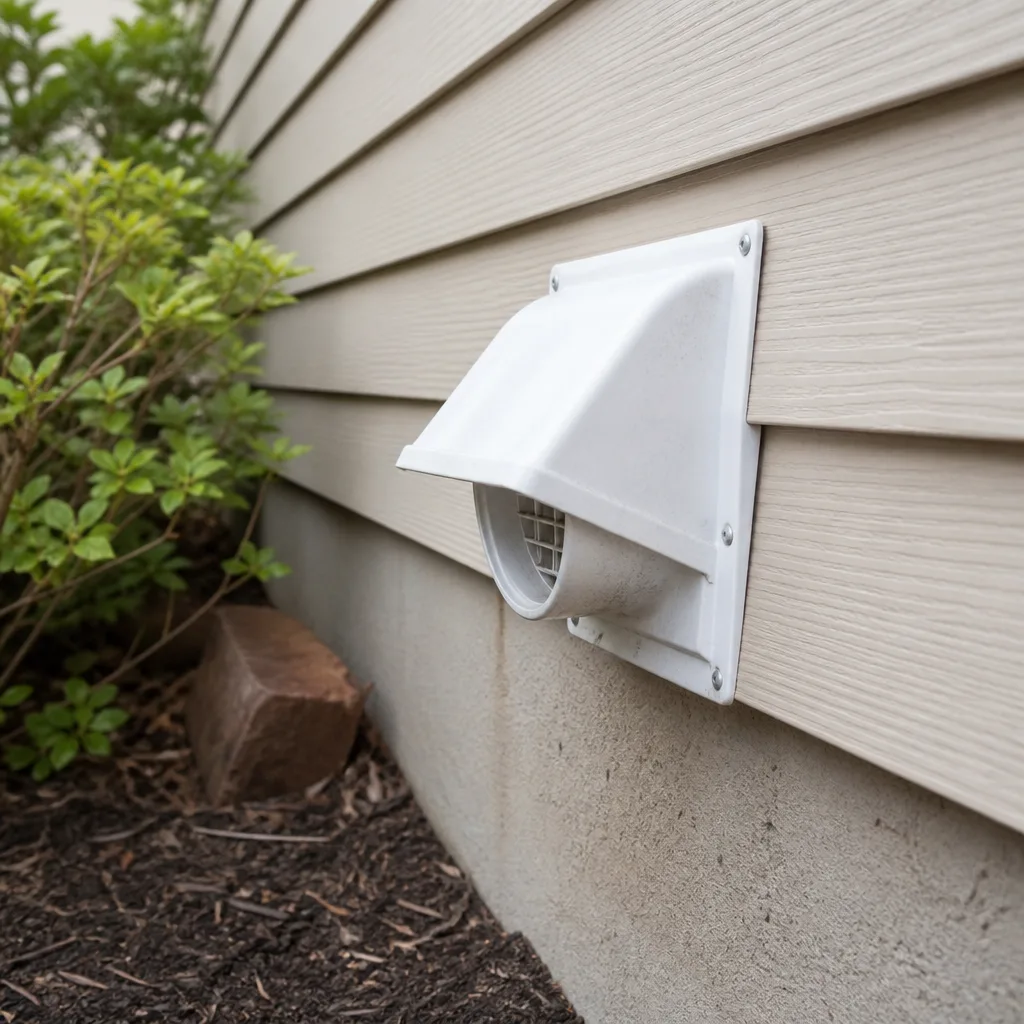
After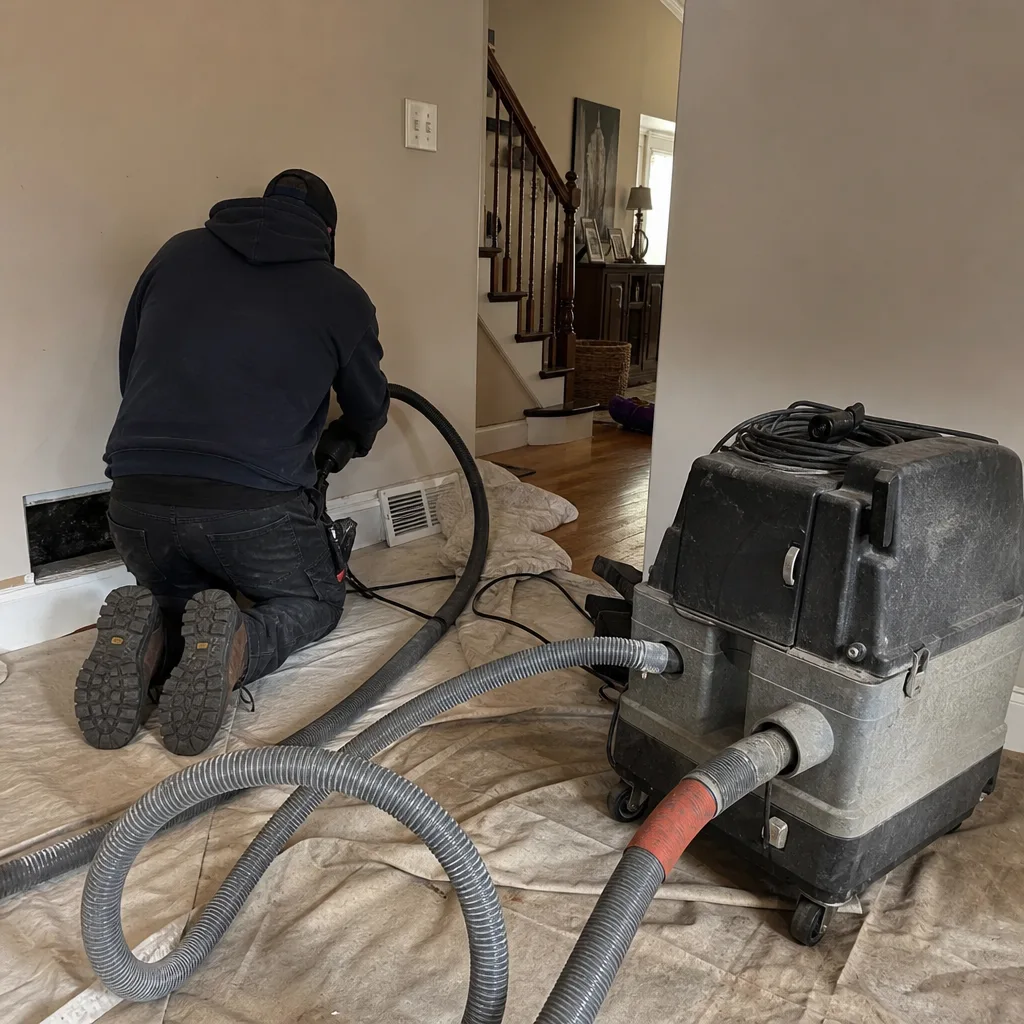 Before
 After
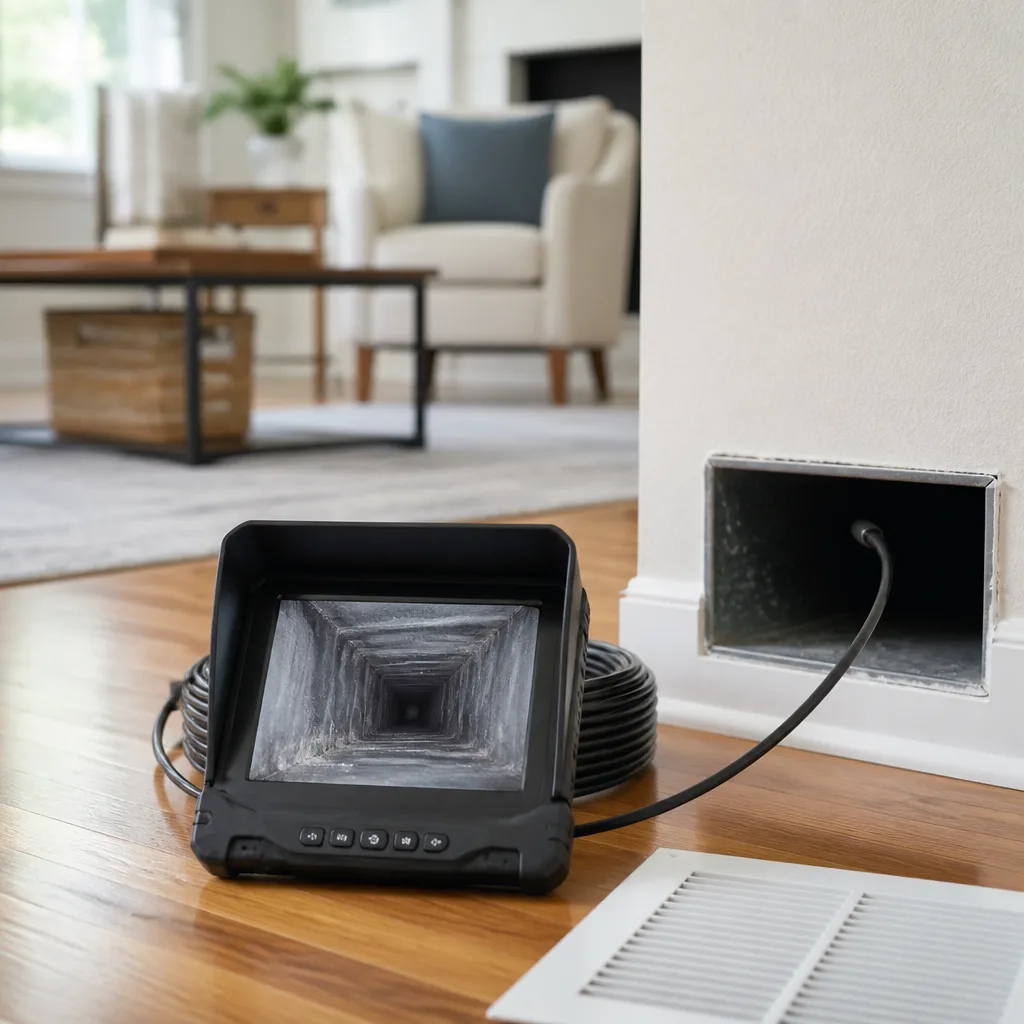
After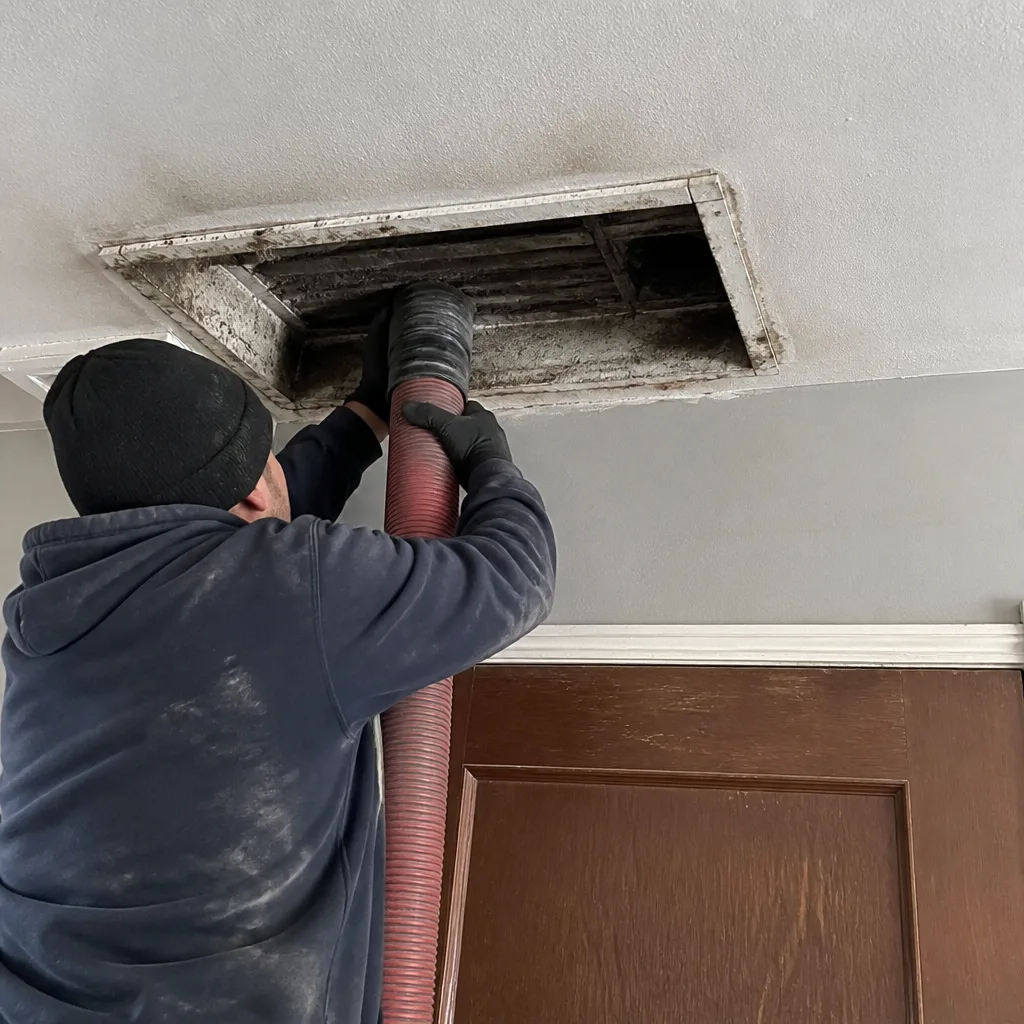 Before
 After
AfterTrusted HVAC Cleaning for Chicago Homeowners
how much HVAC Cleaning costs in Chicago typically runs $280-$650 for a complete system service and is completed in 2-4 hours by a two-person crew. CleanRun Duct Repair & Cleaning has delivered written prices before work starts on every job since 2013, with a documented photo record of every component cleaned.
Chicago’s lake-effect humidity and freeze-thaw cycles push residential HVAC systems harder than most Midwest markets. We’ve found evaporator coils in Lincoln Park condos caked with a half-inch of biofilm after humid summers, and blower assemblies in Oak Park bungalows so clogged with construction dust from 1920s plaster that airflow dropped 40% before the owner noticed. For HVAC Cleaning in Chicago, these conditions are typical. Since 2013, we’ve serviced 52,000+ homes across the metro area, every one with a written price agreed before a single panel came off and a photo record delivered when the crew left. Our technicians are background-checked, uniformed, and identified by name before arrival under Haven Standard Clause 3: Verified Crews. Call (708) 683-3974 to speak with a live person and receive a written estimate at no charge.
What Our HVAC Cleaning Service Includes
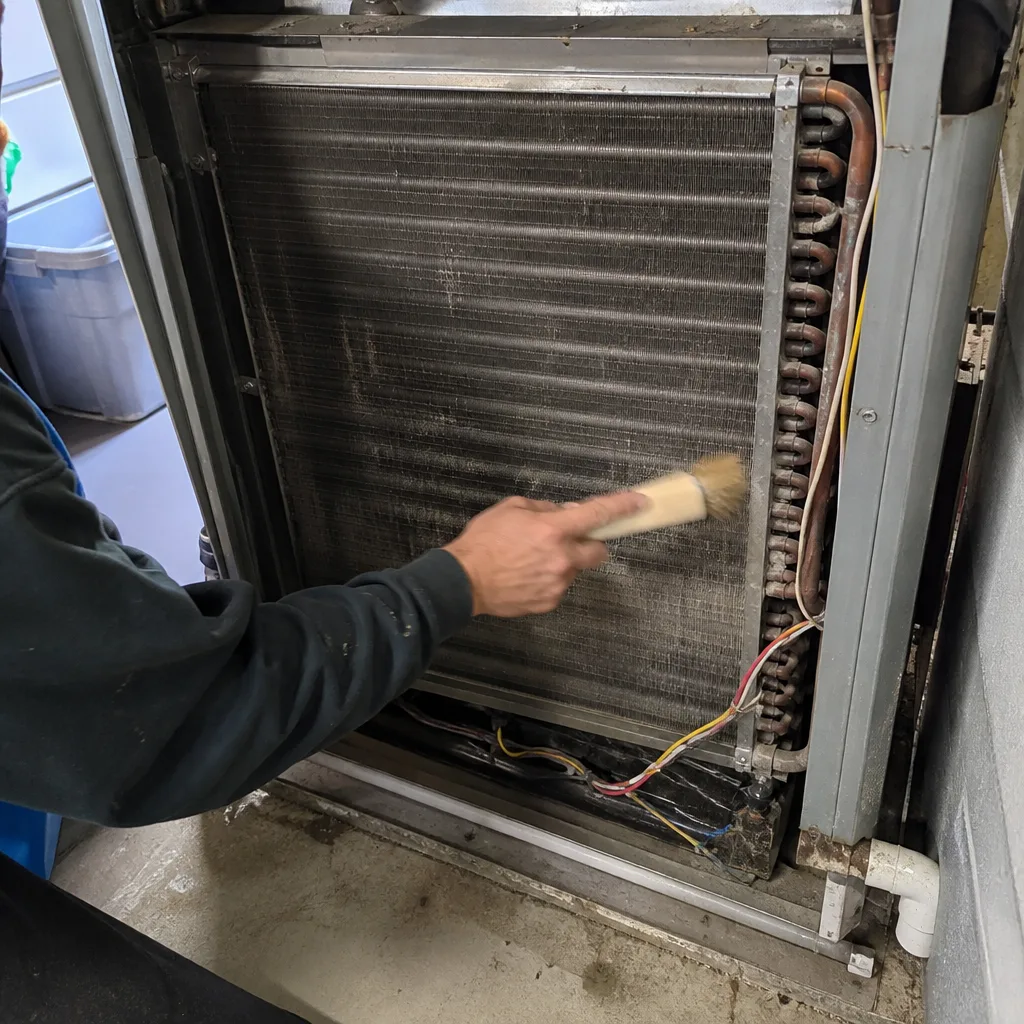
Evaporator Coil Cleaning
The evaporator coil sits inside your air handler or furnace plenum (the metal box that distributes conditioned air), where refrigerant absorbs heat from your home’s air. In Chicago, we regularly see coils in lakefront buildings coated with a sticky layer of pollen, pet dander, and moisture-borne mold after humid July and August stretches. When the coil’s fins clog, your system runs longer cycles, pressures rise, and the compressor works harder until it fails prematurely. Our crew removes the coil assembly when accessible, applies foaming cleaner from the Nikro line, and rinses with low-pressure water so fin damage doesn’t occur. We photograph the coil before disassembly and after restoration, with the images included in your job record.
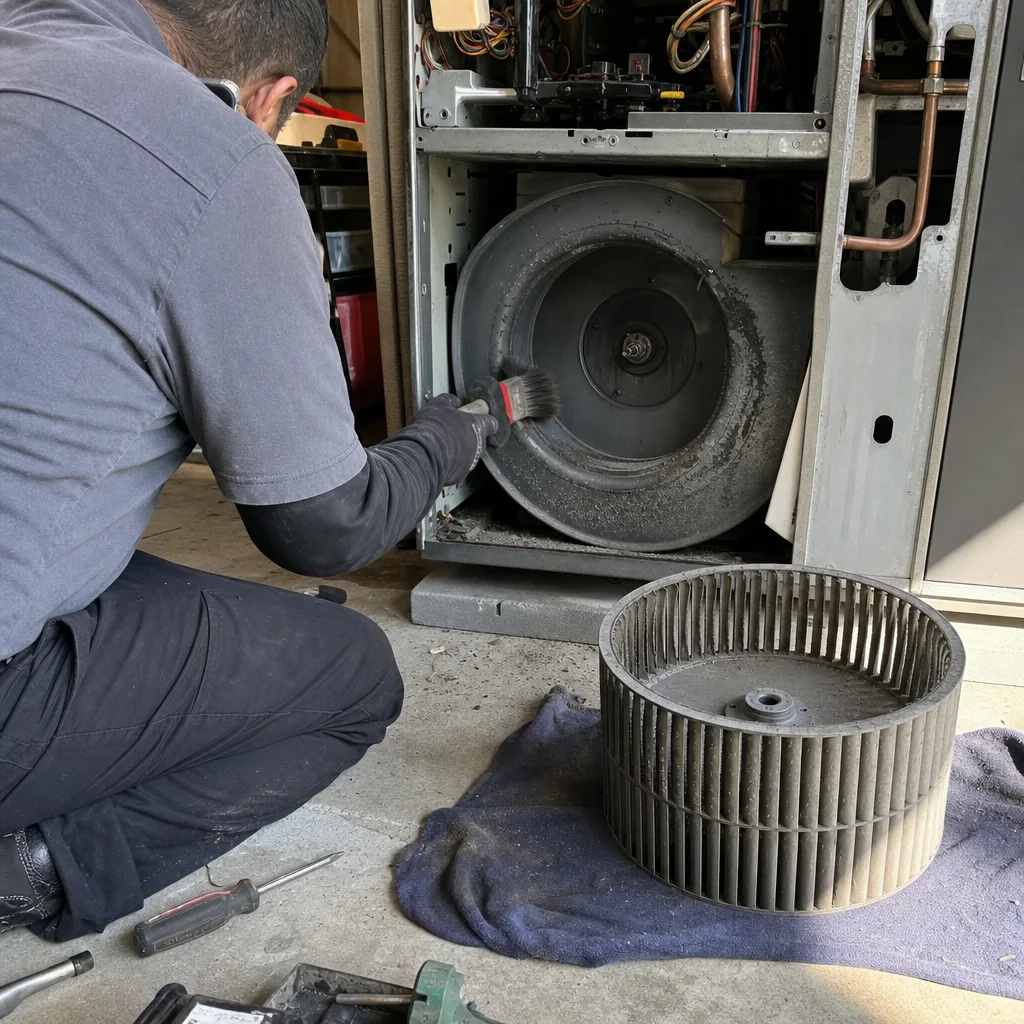
Blower Cleaning
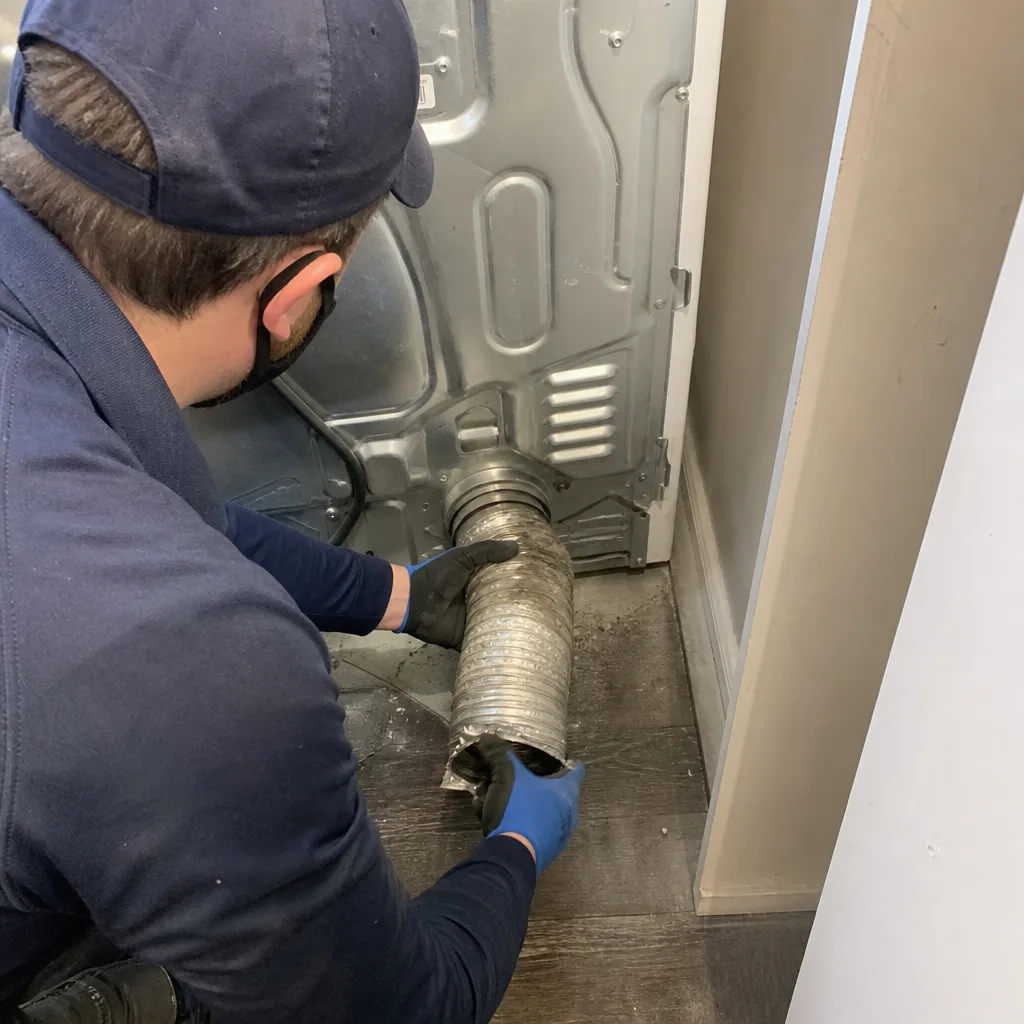
The blower is the fan-and-motor assembly that pushes conditioned air through every duct run (the individual pathways from plenum to room register). Blower wheels in Chicago’s older housing stock, especially in neighborhoods like Portage Park and Albany Park with original ductwork, often accumulate a quarter-inch or more of compacted dust that throws the wheel out of balance. An unbalanced blower vibrates, wears bearings, and delivers uneven airflow to rooms. We remove the blower assembly, clean the squirrel cage and motor housing with compressed air and contact cleaner, check amp draw against the nameplate rating, and reassemble with new mounting gaskets. The before-and-after photo record shows the wheel’s condition and the amp reading documented on our work order.
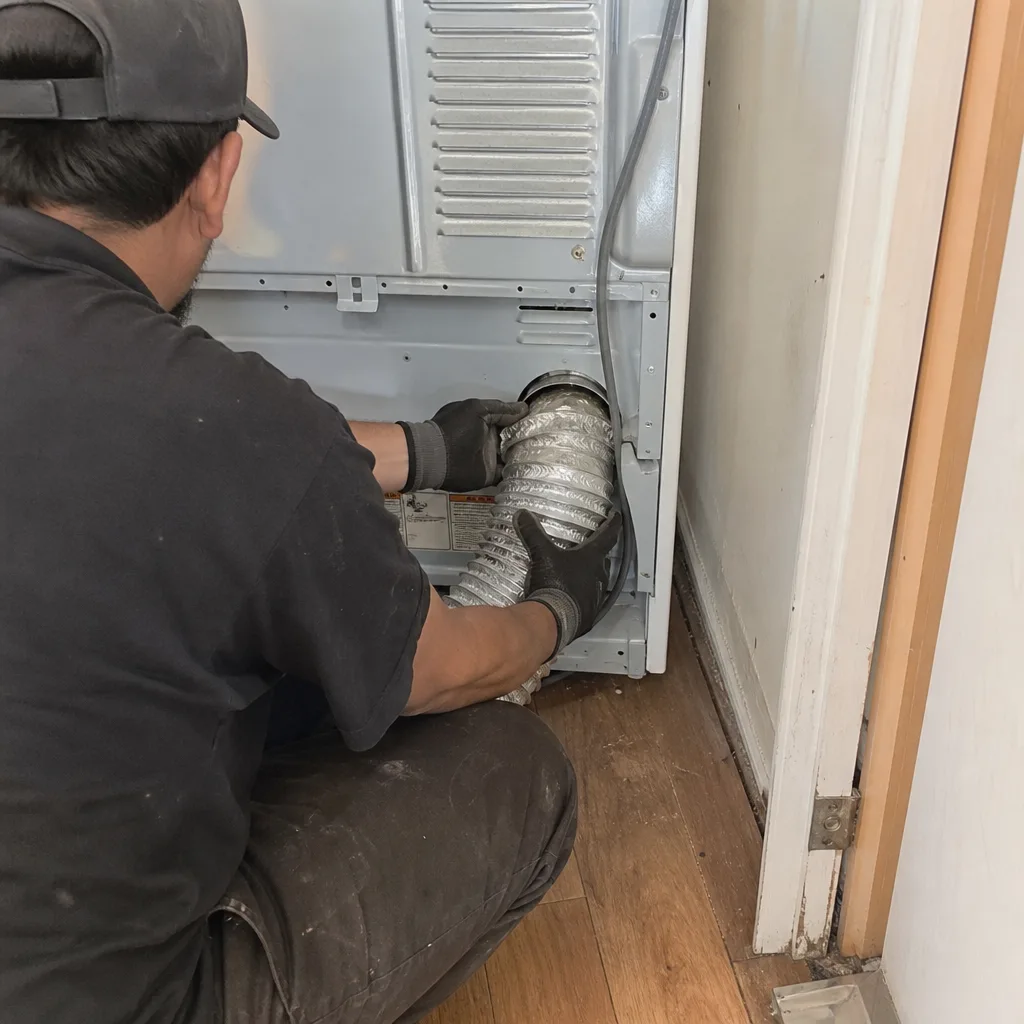
Condenser Cleaning
The condenser is the outdoor unit with aluminum fins and a compressor that releases heat collected from inside your home. Chicago winters bury these units in road salt, grit, and organic debris from parkway trees, while summers coat the fins with cottonwood seed and grass clippings from adjacent lawns. We’ve serviced condensers in Evanston and HVAC Cleaning in Skokie where fin corrosion from salt reduced heat rejection so severely that head pressures tripped the high-limit switch on 90-degree days. Our process includes straightening damaged fins with a fin comb, foaming the coils with cleaner compatible with aluminum and copper, rinsing from the inside out to push debris away from the core, and checking refrigerant levels with digital gauges. The photo record captures fin density before and after, plus the pressure readings.
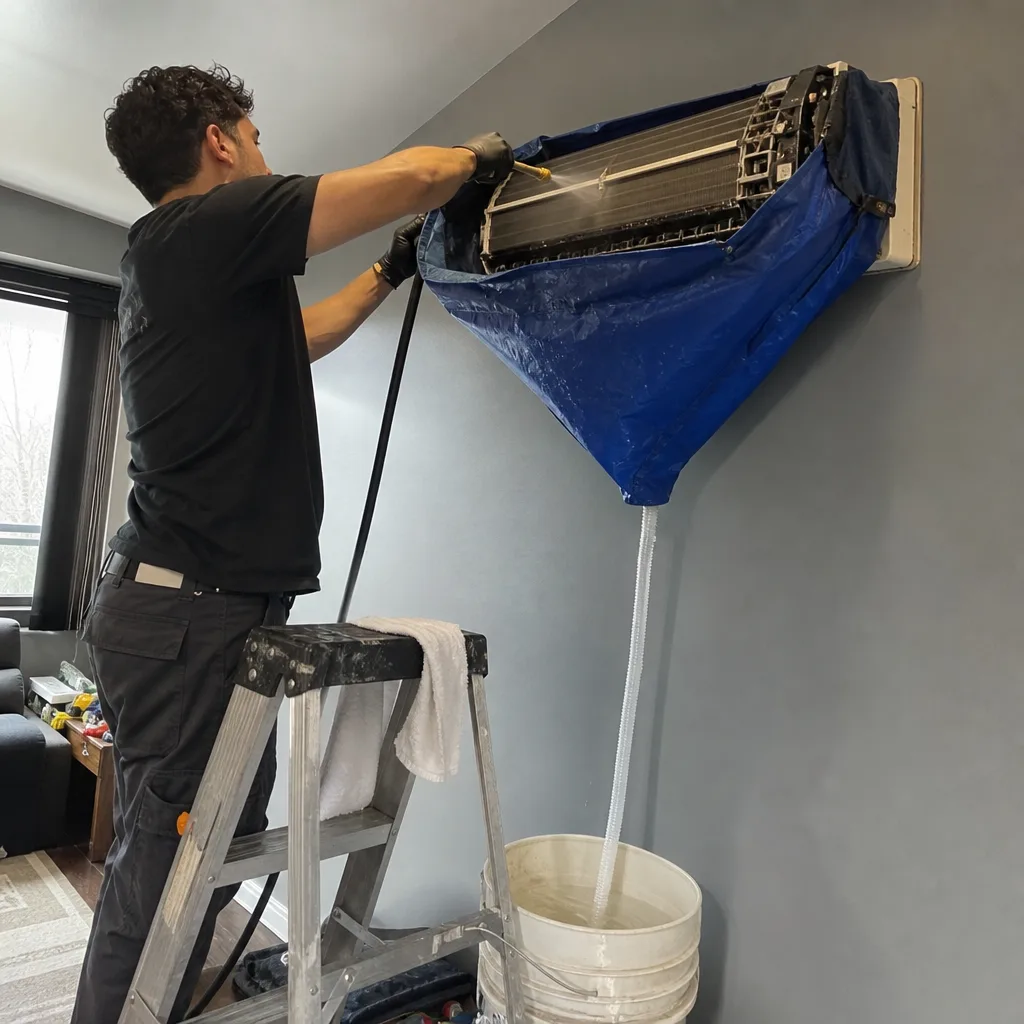
Air Handler Cleaning
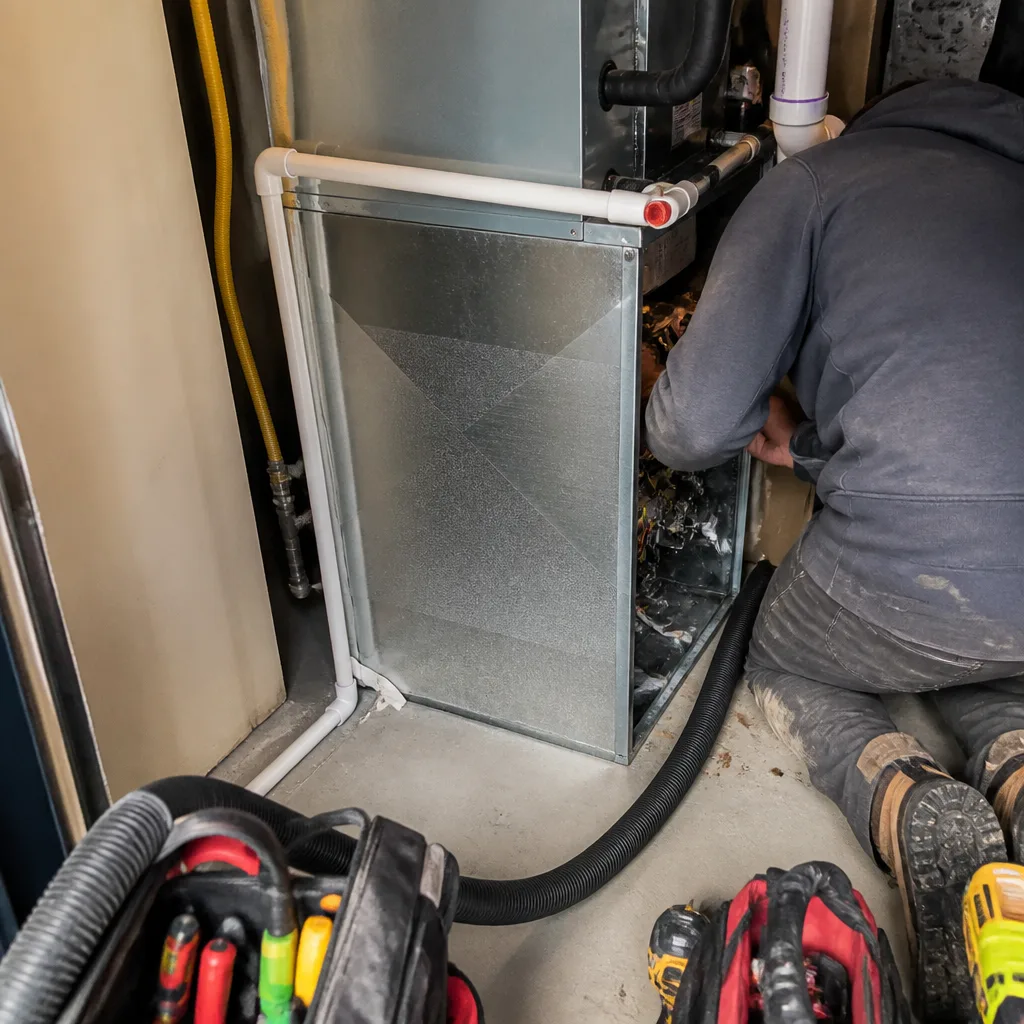
The air handler is the indoor cabinet housing the blower, evaporator coil, and often the electric heat strips or gas heat exchanger. In Chicago high-rises and townhomes with limited mechanical room access, air handlers become reservoirs for whatever the return ducts pull in: drywall dust from recent renovations, cooking grease from kitchen returns, and in buildings near the Kennedy or Dan Ryan, fine particulate from expressway traffic. We clean the cabinet interior, drain pan, and primary/secondary drain lines with negative-pressure extraction (a vacuum system that contains debris rather than blowing it loose), treat the pan with an algaecide tablet, and verify the float switch operates freely. Every interior surface is photographed before and after cleaning.
Heat Exchanger Cleaning
The heat exchanger is the sealed metal chamber in gas furnaces where combustion gases transfer heat to circulating air without mixing. In Chicago’s heating-dominant climate, heat exchangers run five to six months annually, and we’ve found cracked or corroded exchangers in homes from Rogers Park to Beverly that were producing elevated carbon monoxide levels in the supply air. Our cleaning includes visual inspection with a borescope camera (a flexible illuminated probe inserted through inspection ports), soot removal with soft brushes, and combustion analysis with a digital analyzer that measures O2, CO, and draft pressure. If the borescope reveals cracks or deterioration, we document this with photos and halt the cleaning to discuss replacement options, as operating a compromised heat exchanger presents a genuine safety hazard requiring professional evaluation.
Coil Treatment
Coil treatment is the application of a protective coating after cleaning that reduces future microbial growth and improves heat transfer efficiency. In Chicago’s humid shoulder seasons, when systems cycle between heating and cooling modes, untreated coils can develop musty odors within weeks of cleaning. We apply a non-toxic, EPA-registered treatment from the Guardsman line that bonds to fin surfaces and inhibits mold and bacterial colonization for 12-18 months. The treatment is photographed as applied, with the product label and batch number recorded on your work order for verification. This is optional and quoted separately under Haven Standard Clause 1, with no pressure to add services not requested.
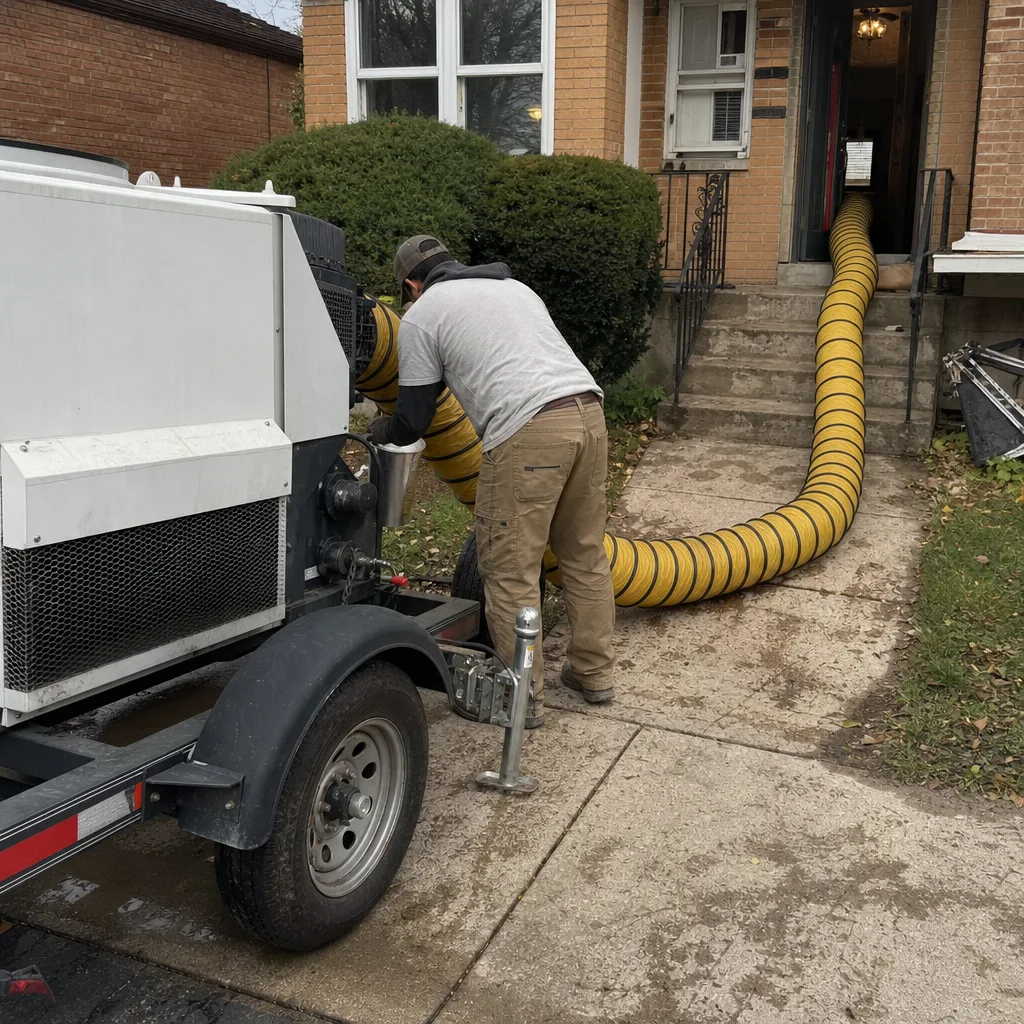
What happens when you call
- 1
A real person answersNo phone trees - you reach a local pro.
- 2
You get an upfront price rangeHonest numbers before anyone is dispatched.
- 3
A background-checked tech heads outLicensed & insured, dispatched right away.
- 4
You approve before work beginsNothing starts until you say go.
Brands We Service for HVAC Cleaning
We’ve serviced hundreds of Carrier, Trane, Lennox, Rheem, and Goodman systems across Chicago’s neighborhoods, from the high-velocity compact units in Lincoln Park greystones to the 5-ton split systems in newer construction in the West Loop. Our crews carry OEM-spec filters and common replacement parts for these brands, and we document any wear items photographed during cleaning with part numbers the homeowner can verify independently. For older systems in neighborhoods like Bridgeport and Hyde Park, we’ve worked on discontinued models where parts availability is limited, and we’ll note this in your written scope so you’re not surprised by a future repair bill.
We also regularly service York, Bryant, Amana, and Ruud equipment, plus heat pump systems from Mitsubishi and Daikin popular in recent condo conversions. Our equipment roster includes Rotobrush and Nikro cleaning systems, Honeywell media filters, and Aprilaire humidifier and air cleaner components, all named on your work order so you can research specifications before agreeing to the price. Whether you have a brand we’ve named or any other make, we can help. Our only requirement is that the system be accessible and safe to service under Haven Standard Clause 2: Safe Work Conditions.
BeforeAfterSigns You Need HVAC Cleaning Right Now
- Uneven heating or cooling between rooms. When some rooms stay stubbornly warm in summer or cold in winter while others reach setpoint, the blower wheel or evaporator coil may be restricting airflow. We’ve traced this symptom in Chicago homes to blower assemblies so clogged that measured airflow at the farthest register dropped below 50% of design capacity.
- Musty or sour odors when the system cycles on. Microbial growth on wet coils or in dirty drain pans produces volatile organic compounds that enter your supply air. In lakefront buildings with limited fresh air intake, this odor can concentrate enough to trigger complaints within hours of the first seasonal startup.
- Rising energy bills without rate increases. A dirty condenser or evaporator coil forces your compressor to run longer to achieve the same temperature change. We’ve documented cases in Chicago where cleaning restored system efficiency enough to reduce runtime by 15-20%, with utility bill changes visible the following month.
- Visible dust puffing from registers when the blower starts. This indicates debris accumulation in the ductwork or blower compartment that’s being dislodged by airflow. In homes with recent remodeling, we’ve found construction dust packed into blower wheels that continued circulating fine particulate for months after contractors left.
- Frequent cycling or failure to reach setpoint. Short cycling, where the system starts and stops rapidly without satisfying the thermostat, often traces to a dirty condenser raising head pressure or a restricted evaporator causing low suction. Both conditions stress the compressor and, left unaddressed, lead to premature failure in Chicago’s demanding climate.
Our HVAC Cleaning Process - Step by Step
- 1
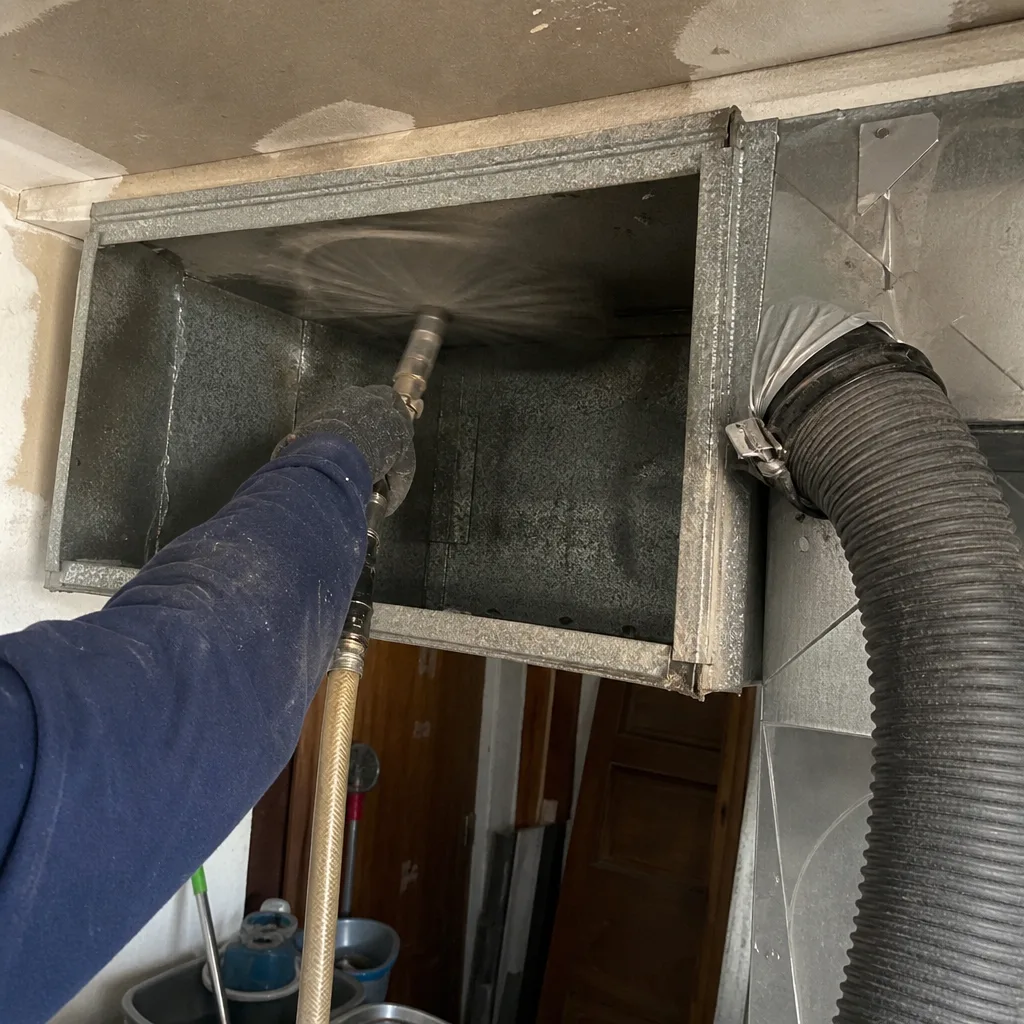
Written price delivered before work begins. Our technician arrives, identifies themselves by name, and inspects your system’s accessibility and condition. We then provide a written price for the exact scope discussed, with line items for each component. Haven Standard Clause 1 requires this; no work starts until you have the price in hand and approve it in writing.
- 2
System shutdown and safety lockout. We disconnect electrical power at the breaker and verify zero energy with a multimeter. For gas furnaces, we close the gas valve and tag it. This is non-negotiable; our crews do not work on energized or pressurized equipment.
- 3
Component removal and initial documentation. Each accessible component (blower, coil, drain pan) is removed and photographed in its as-found condition. We note measurements: coil fin density, blower amp draw, condenser head pressure, heat exchanger CO reading. These numbers establish baseline performance and are recorded on your work order.
- 4
Cleaning with trade-specified methods and equipment. Coils are foamed and rinsed; blowers are cleaned with compressed air and contact cleaner; condensers are combed and pressure-washed from the inside out; heat exchangers are brushed and borescope-inspected. We use Rotobrush and Nikro equipment as appropriate, with product names noted on your documentation.
- 5
Reassembly, operational test, and final photo record. Components are reinstalled with new gaskets and fasteners torqued to specification. We run the system through a complete heating or cooling cycle, verify pressures and temperatures against manufacturer data, and photograph the cleaned components in place. Your delivered record includes all photos, measurements, and the signed work order with the final price matching the written estimate.
How Much Does HVAC Cleaning Cost in Chicago?
A typical evaporator coil cleaning in Chicago runs $180-$320 depending on accessibility, coil size, and whether the plenum must be modified for removal. Blower cleaning ranges $150-$280 based on motor type and whether the wheel requires balancing after cleaning. Condenser cleaning is typically $140-$260, with fin damage or heavy corrosion extending time and cost. A complete air handler cleaning, including coil, blower, and cabinet, generally falls between $380-$580. Heat exchanger cleaning with borescope inspection and combustion analysis runs $220-$380. Coil treatment as an add-on is $85-$150 per coil.
Several factors move these ranges. Systems in tight mechanical closets or attic installations take longer to access, adding labor. Heavy contamination from years of deferred maintenance requires more cleaning cycles and disposal time. Older systems with corroded fasteners or damaged components may need minor repairs before safe reassembly, quoted separately before proceeding. Condensers with extensive fin damage from hail or salt corrosion may not be restorable to full efficiency, a condition we document and discuss rather than clean and pretend.
To avoid overpaying, reject any quote that won’t put the scope and price in writing before work starts. The $79 coupon model common in Chicago’s market relies on upselling once the technician is in your home; we’ve reviewed competitor invoices where the final charge exceeded the advertised price by 400% after “discovering” mold or recommending sanitizers. CleanRun’s written price under Haven Standard Clause 1 is the price you pay, with no per-vent or per-register add-ons. Our free estimate includes a written scope, and our Free Second Opinion policy means you can bring any competitor’s written quote; we’ll put our number next to it for comparison at no charge.
Every estimate includes the documented photo record, operational testing, and the 365-Day Done Right Promise. If the work is not right, we make it right, backed in writing on every job, not just stated in marketing copy.
HVAC Cleaning Near Chicago - Our Service Area
CleanRun Duct Repair & Cleaning operates from our base in Chicago, with regular routes to HVAC Cleaning in Oak Lawn, HVAC Cleaning in Hinsdale, and surrounding communities including Skokie, Elmhurst, Evanston, Bensenville, Lombard, Downers Grove, Des Plaines, Orland Park, and Glenview. Response scheduling varies by season; during peak demand periods in May and October, we typically book 3-5 days out, while off-peak appointments may be available within 48 hours. We do not charge travel fees within the stated service area, and every appointment receives the same written price guarantee and documented photo record regardless of location. For homeowners in Chicago proper, our familiarity with building types from high-rise mechanical floors to bungalow basements often reduces diagnostic time and keeps the job within the standard range.
Serving Chicago, IL - Our Local Coverage Area
We’re based in the Chicago area and know this community well. Use the map below to see our service coverage - if you’re nearby, we can almost certainly help.
Frequently Asked Questions - HVAC Cleaning in Chicago
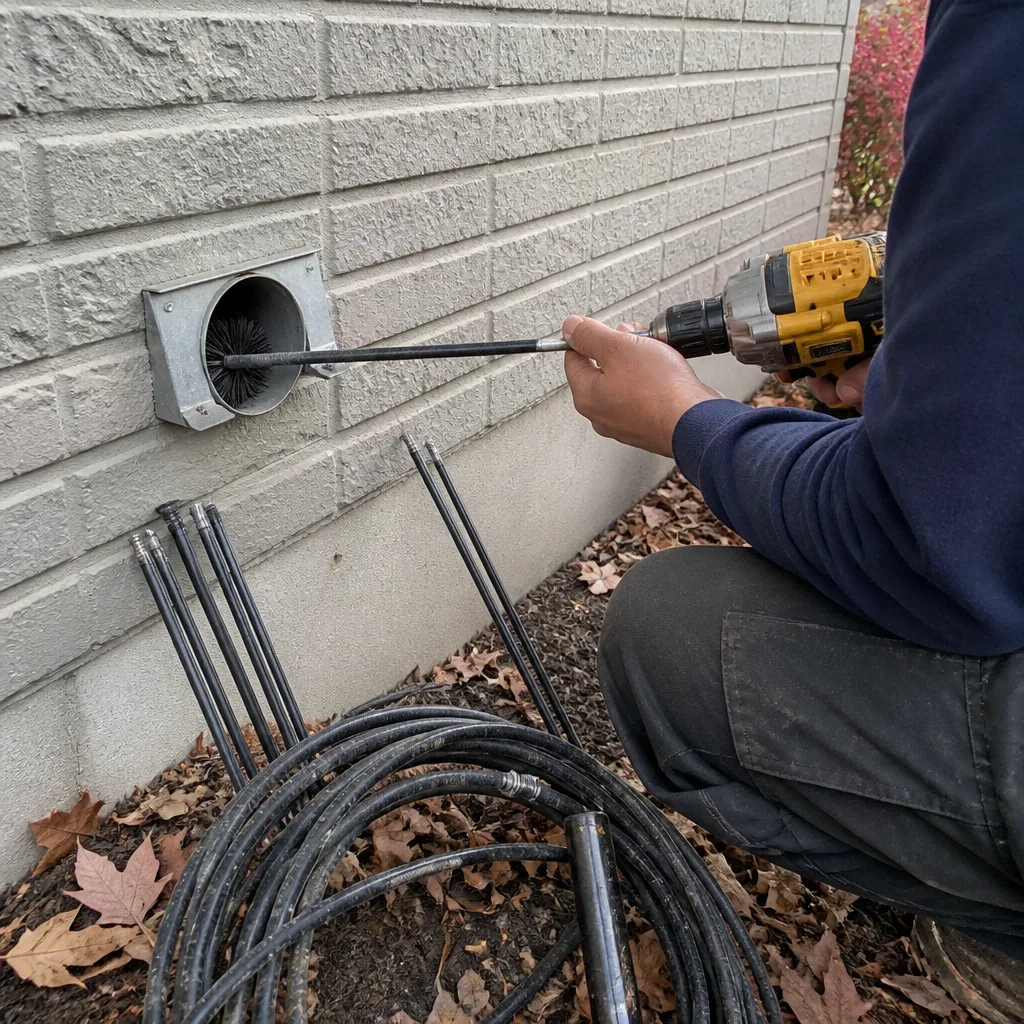
HVAC cleaning addresses the mechanical components that heat, cool, and move air: the evaporator coil, blower, condenser, air handler, and heat exchanger. Air duct cleaning, which CleanRun also provides, removes debris from the ductwork pathways that distribute conditioned air. Many Chicago homeowners need both, but they are distinct services with separate scopes and pricing, and we quote each independently so you choose only what your system requires.
A single component, such as a blower or condenser, typically takes 1.5-2.5 hours. A complete system cleaning with multiple components requires 3-5 hours and a two-person crew. We schedule with a time window, not a countdown, and we don’t rush jobs to hit an artificial quota. Call (708) 683-3974 for availability and a written estimate.
Component cleaning ranges from $140-$380 each, with complete system services between $380-$650 depending on accessibility and contamination level. Every price is written and approved before work starts under Haven Standard Clause 1, with no surprise add-ons. Call (708) 683-3974 for an exact quote based on your specific system.
We service all major residential brands including Carrier, Trane, Lennox, Rheem, Goodman, York, Bryant, Amana, Ruud, Mitsubishi, and Daikin, plus lesser-known and discontinued models. Our crews carry common filters and parts, and we research any unfamiliar equipment before arriving so we’re prepared. If we can’t service your brand safely, we’ll tell you before scheduling, not after arrival.
We do not classify HVAC cleaning as an emergency service; it is a scheduled maintenance procedure that requires proper setup, containment, and documentation. For system failures requiring immediate restoration of heating or cooling, we recommend contacting a repair-focused contractor. Once operational, we’re available to clean the system properly and document the work. All calls are answered by a live person, 24/7, for scheduling and questions.
Every job is backed by the 365-Day Done Right Promise: if the work is not right, we make it right, documented in writing on your work order. This is not a manager-discretionary policy but a contractual obligation under the H.A.V.E.N. Standard. If odors return, airflow remains restricted, or documented measurements don’t hold, we return to correct the deficiency at no additional charge within one year.
Clear a 3-foot workspace around your indoor unit and outdoor condenser, secure pets in a separate room, and ensure we have access to your electrical panel. We bring drop cloths, shoe covers, and containment materials, so no additional preparation is required. If your system has any recent service history or known issues, mention these when scheduling so we note them on the work order.
Schedule Your HVAC Cleaning Service in Chicago Today
Call (708) 683-3974 to speak with a live person, schedule at no obligation, and receive a written price before any work begins. Every HVAC cleaning includes a documented photo record of every component, operational testing with measured results, and the 365-Day Done Right Promise backed in writing. We’re independently owned and operated under the Haven Standard, established in 2013, and we’ve delivered written prices on 52,000+ jobs without exception. home
Written by Tomas Reyes, Owner at CleanRun Duct Repair & Cleaning, serving Chicago since 2013.