
Last updated September 23, 2026
Whole-system duct and dryer vent check with before-and-after photos - you see exactly what came out of your vents
That "$99 whole-house special" is a bait ad - the real number appears once they are in your hallway, or the "clean" is a shop-vac at the register. We photograph the inside of your ducts before and after instead.
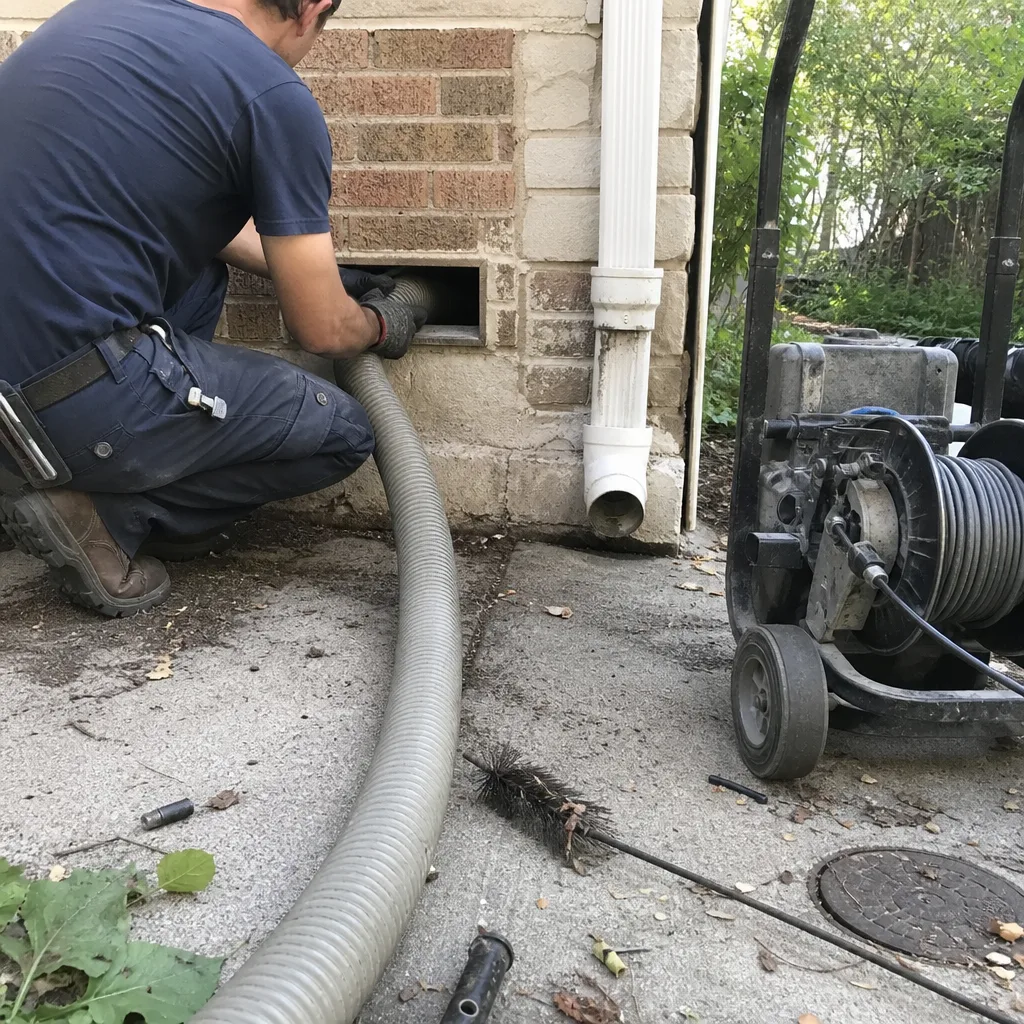 Before
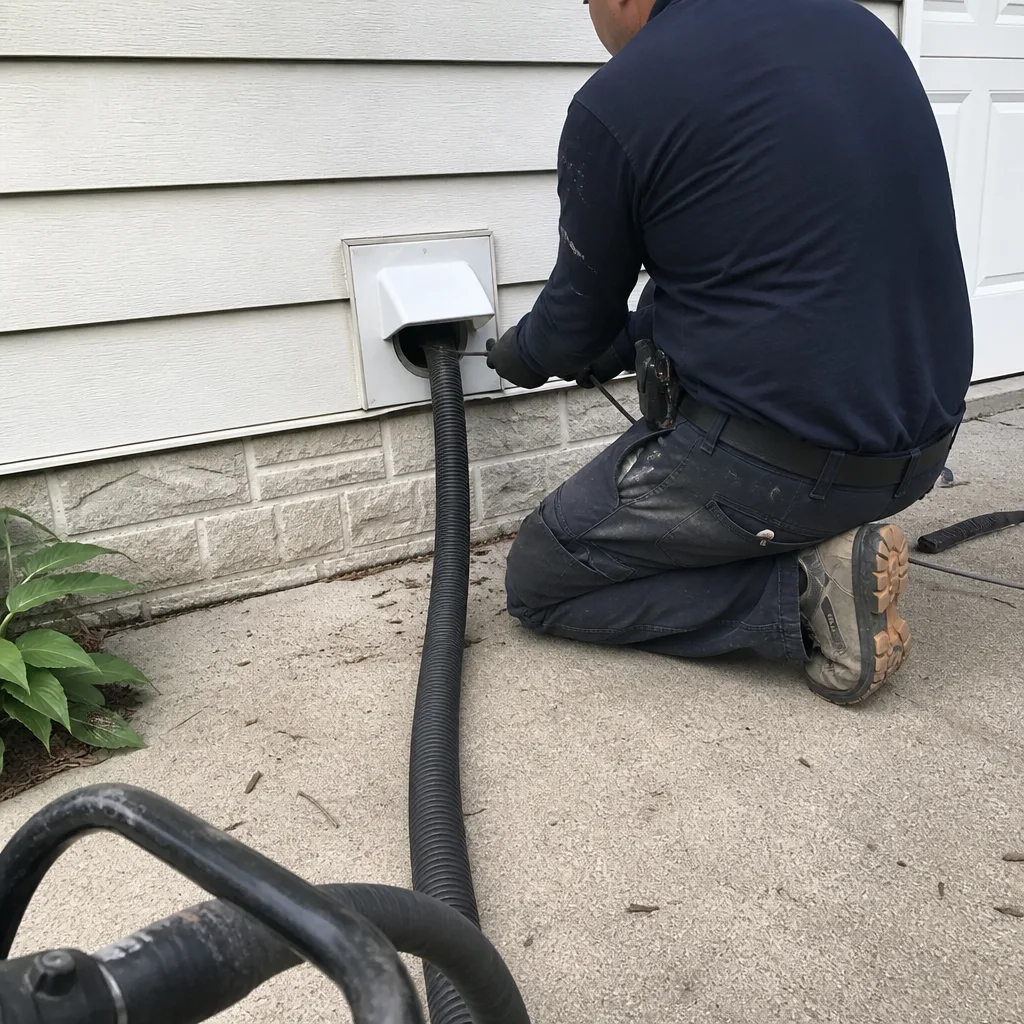 After
After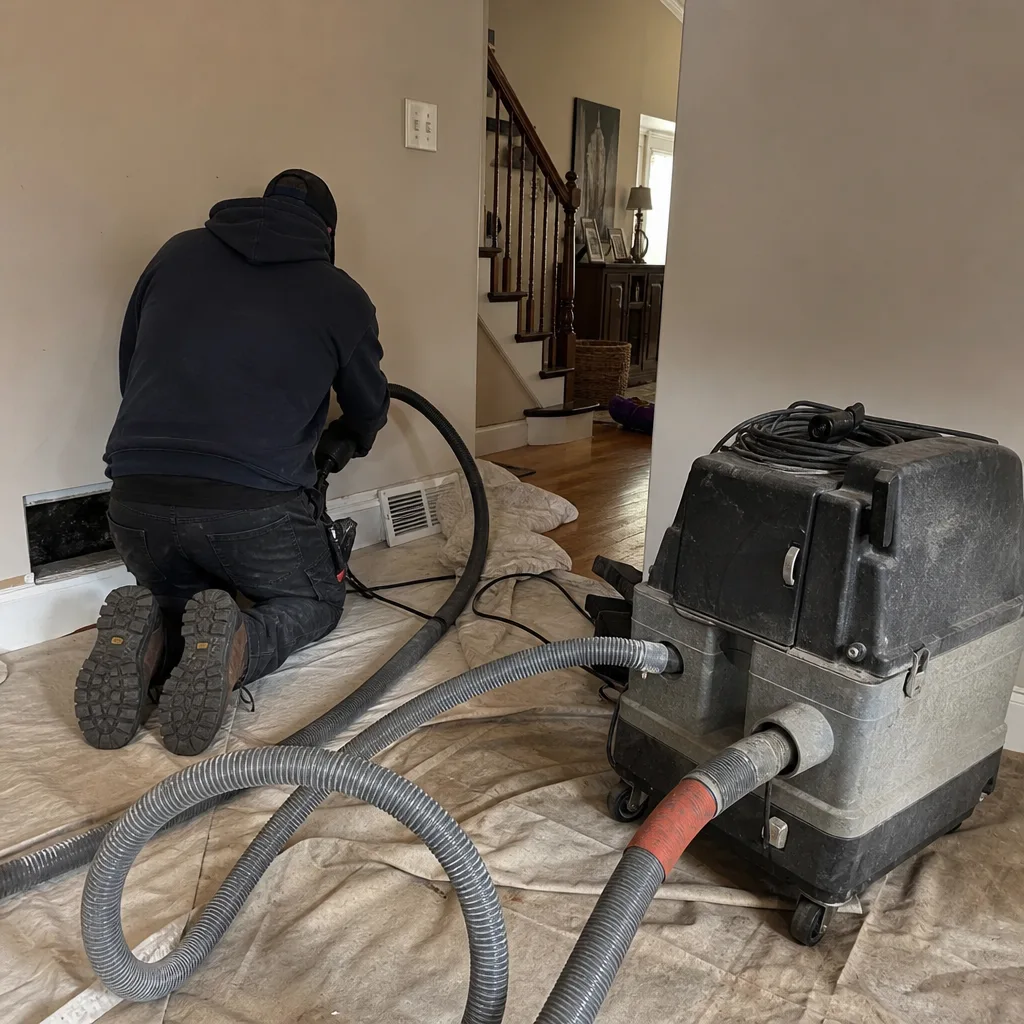 Before
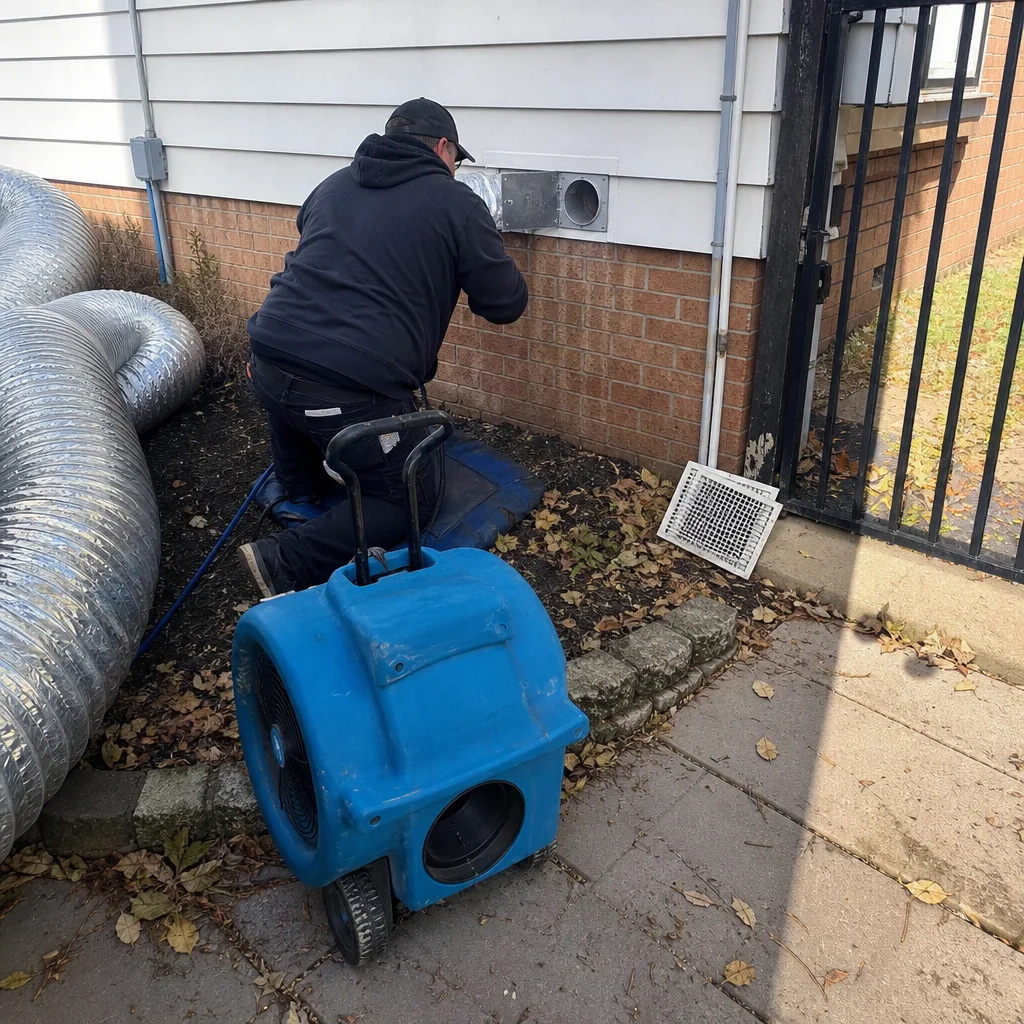 After
After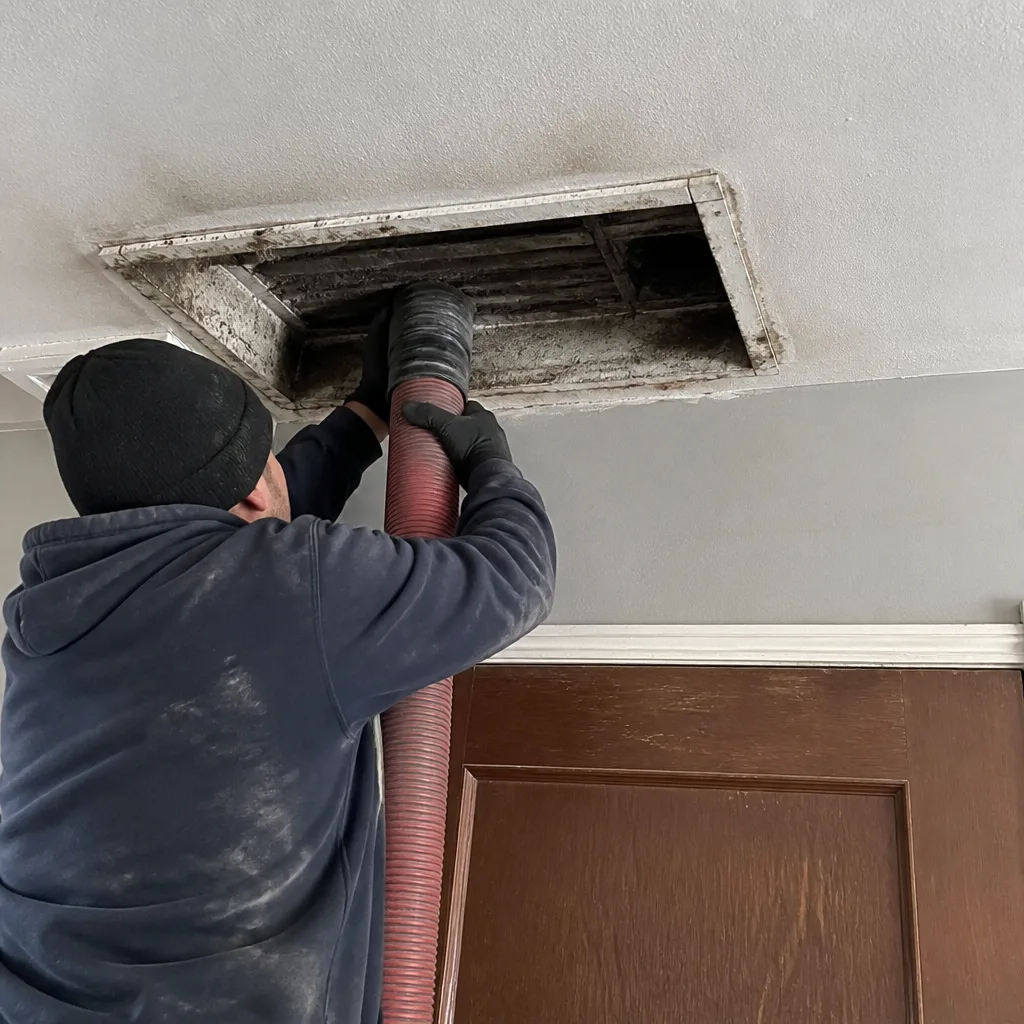 Before
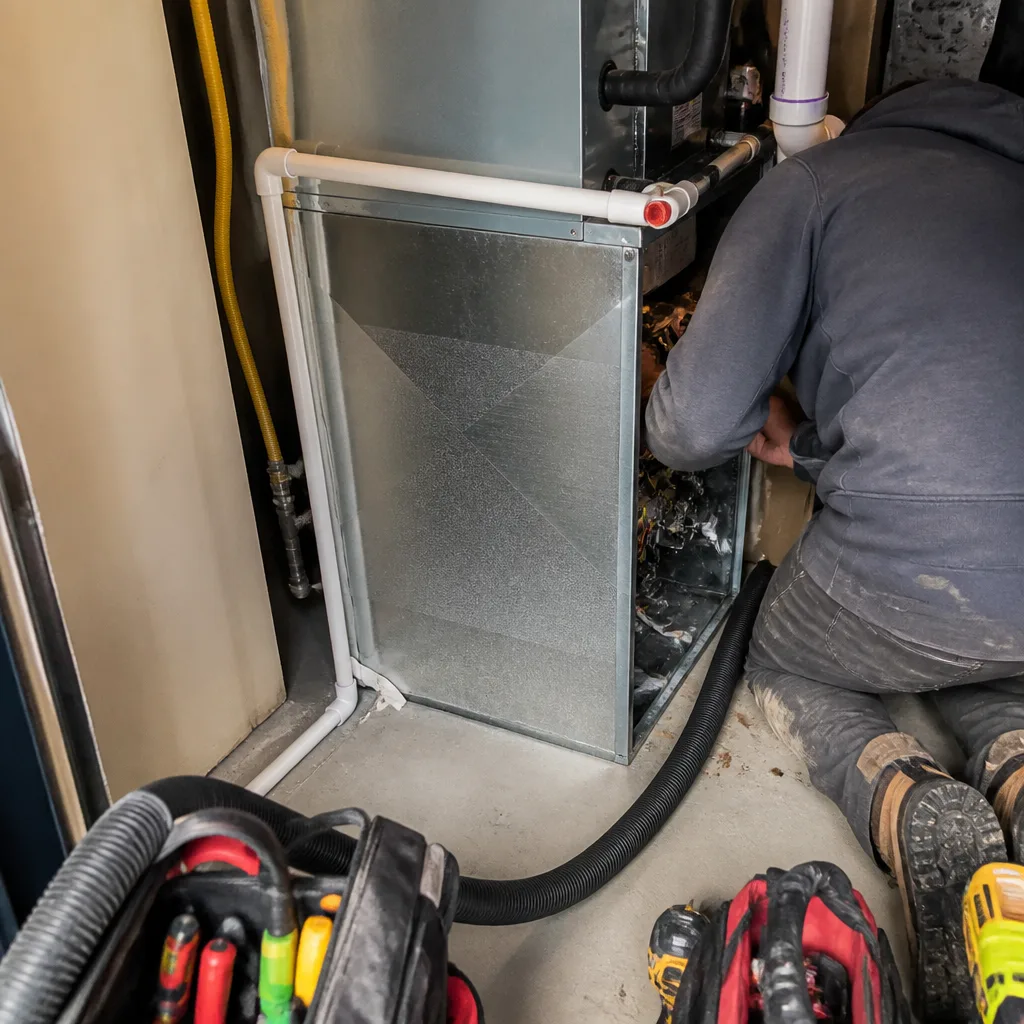 After
AfterDIY vs Professional Air Duct Cleaning: The Chicago Homeowner’s Decision Guide
The negative-air machines used in professional duct cleaning generate 2,000-4,000 CFM of sustained airflow through a sealed duct system. A standard shop vac produces roughly 100-180 CFM in open air and a fraction of that in a sealed duct. That’s not a gap that technique closes - it’s a gap that physics closes. In Chicago, where pre-war bungalows in Portage Park share walls with new construction in the West Loop, homeowners face the same question with very different ductwork behind their walls. This guide draws the line between what you can handle yourself and what requires professional Air Duct Cleaning equipment, using measurements from actual jobs we’ve documented since 2013.
Quick Answer
Most Chicago homeowners can competently clean register grilles, accessible boot interiors, and filter slots - about 5-15% of total duct surface area - using household tools. Full source-removal cleaning of branch ducts, main trunks, and plenums requires negative-pressure extraction equipment that generates 10-40 times the airflow of consumer vacuums. The honest division: DIY maintenance between professional cleanings is worth doing; DIY replacement of professional cleaning is not mechanically possible with available consumer equipment.
Table of Contents
- What DIY Actually Covers: The 5-15% You Can Reach
- Negative Pressure Physics: Why CFM Matters More Than Effort
- Chicago Ductwork Risks: What Probing Can Disconnect
- Honest Cost Comparison: DIY Supplies vs. Professional Service
- The One DIY Task Worth Doing: Dryer Vent Cleaning
- What Professional Source-Removal Cleaning Actually Includes
- Common Mistakes to Avoid
- When to Call a Professional
- Frequently Asked Questions
- The Bottom Line
BeforeAfterWhat DIY Actually Covers: The 5-15% You Can Reach
Let’s be specific about what “cleaning your air ducts” means when you’re working from the finished side of the wall. In our documented photo records from Chicago homes, we’ve measured the reachable surface area against total system footage. The numbers are consistent.
With a standard household vacuum, microfiber cloths, and a screwdriver to remove register grilles, a homeowner can access:
- Register grilles and faceplates: 100% reachable. These collect visible dust and are the entry point for room air into the return system.
- Register boots (the sheet-metal box behind the grille): Typically 6-12 inches of depth before the duct transitions to round pipe or enters a wall cavity. Beyond this point, the boot narrows and angles away from the opening.
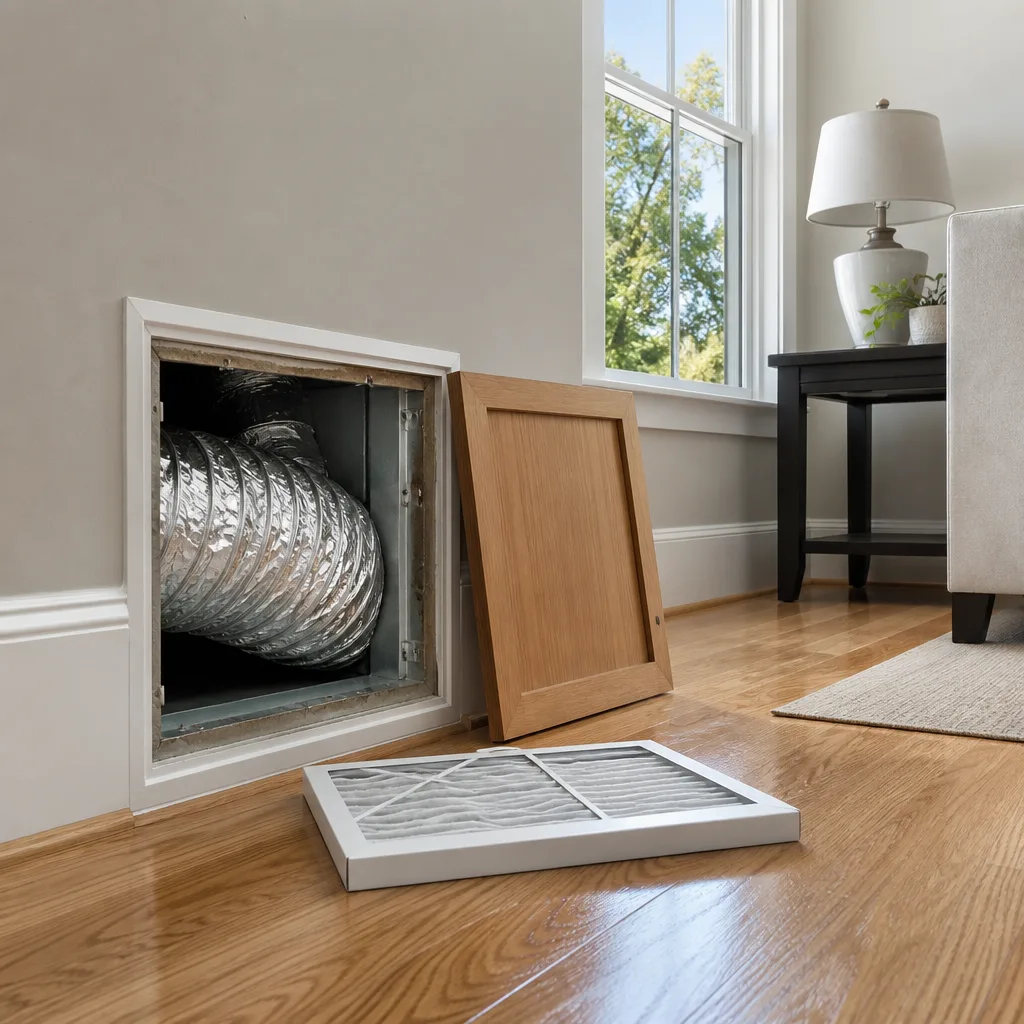
- Return air filter slots and filter grilles: Fully accessible and the highest-impact maintenance point for system efficiency.
- Visible duct openings at equipment access panels: Only if the homeowner is comfortable removing furnace panels and understands electrical lockout procedures.
Surface-area math from our jobs: a typical Chicago single-family home with 12 supply registers and 3 return grilles has roughly 800-1,200 square feet of total internal duct surface. The boots and grilles accessible from the room side total 60-180 square feet. That’s where the 5-15% figure comes from. It’s real cleaning of a real portion of the system. It’s not nothing. It’s also not source removal from the full network.
What DIY does accomplish: removing the dust reservoir closest to your living space, improving register airflow aesthetics, and catching filter bypass debris before it enters the return plenum. What it does not accomplish: dislodging debris from branch ducts running through unconditioned attics in Ravenswood bungalows or from main trunks buried between floors in Lincoln Park greystones.
The supplies required are minimal. A vacuum with hose attachment, microfiber cloths, mild detergent for metal grilles, and a soft brush for finned register elements. Total cost: $0 if you own the vacuum, up to $40 if you need supplies. Time investment: roughly 15 minutes per register, or 3-4 hours for a whole house.
Negative Pressure Physics: Why CFM Matters More Than Effort
This is the section competitors gloss over with phrases like “professional-grade equipment.” Let’s use actual numbers.
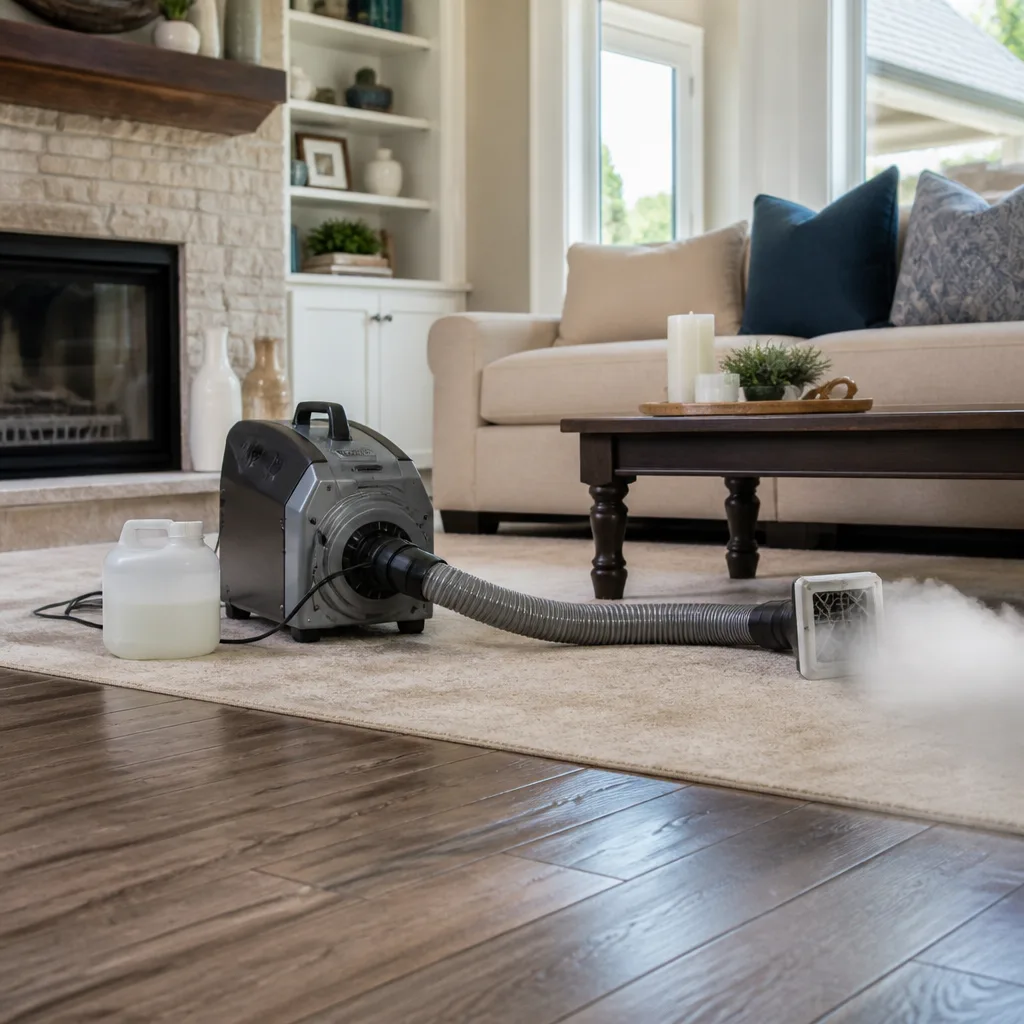
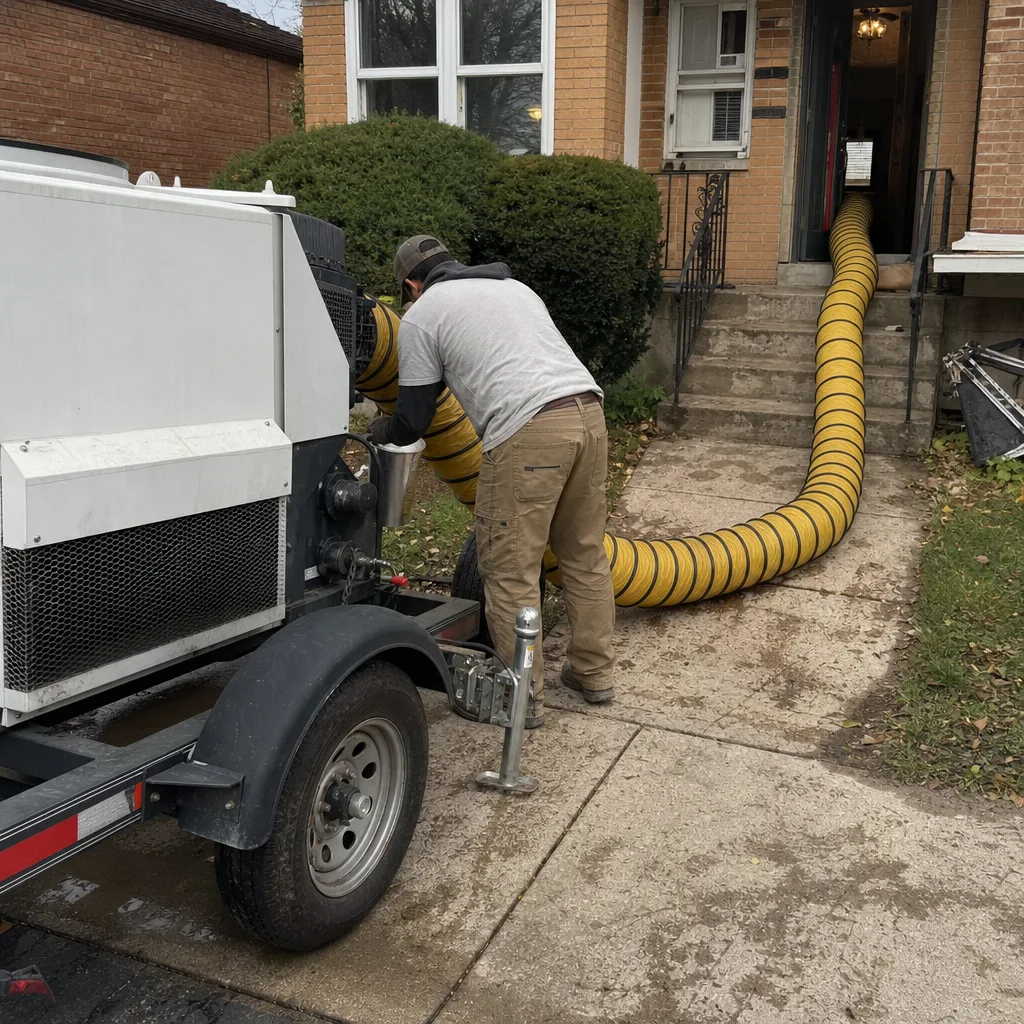
A negative-air machine, the core equipment in professional duct cleaning, connects to your duct system through an access port and draws air through the entire network. The machine we deploy on Chicago jobs, manufactured by Abatement Technologies, generates 2,000-4,000 CFM (cubic feet per minute) of airflow while maintaining sealed negative pressure throughout the system. This sustained velocity does two things simultaneously: it keeps dislodged debris suspended in the airstream rather than settling, and it transports that debris through the duct network into the machine’s HEPA filtration collection system.
A standard shop vacuum, even a high-end model, generates 100-180 CFM in open air. Insert that hose into a duct opening, and the effective airflow drops substantially because the duct walls create friction and the vacuum’s motor is not designed to overcome system static pressure. In our field measurements, a shop vac inserted 24 inches into a 6-inch round duct produces approximately 30-50 CFM of effective airflow at the nozzle tip. At 20 feet down the branch line, air velocity approaches zero.
What happens to debris when airflow is insufficient? It redistributes. The vacuum’s suction dislodges some particulate from the duct wall immediately adjacent to the nozzle, but without transport velocity, that debris settles elsewhere in the system - often at elbows, dampers, or the next register downstream. We’ve photographed this phenomenon: a homeowner’s “cleaning” effort that pushed a concentrated debris pile from a visible boot into a hidden elbow, partially blocking airflow to a bedroom register.
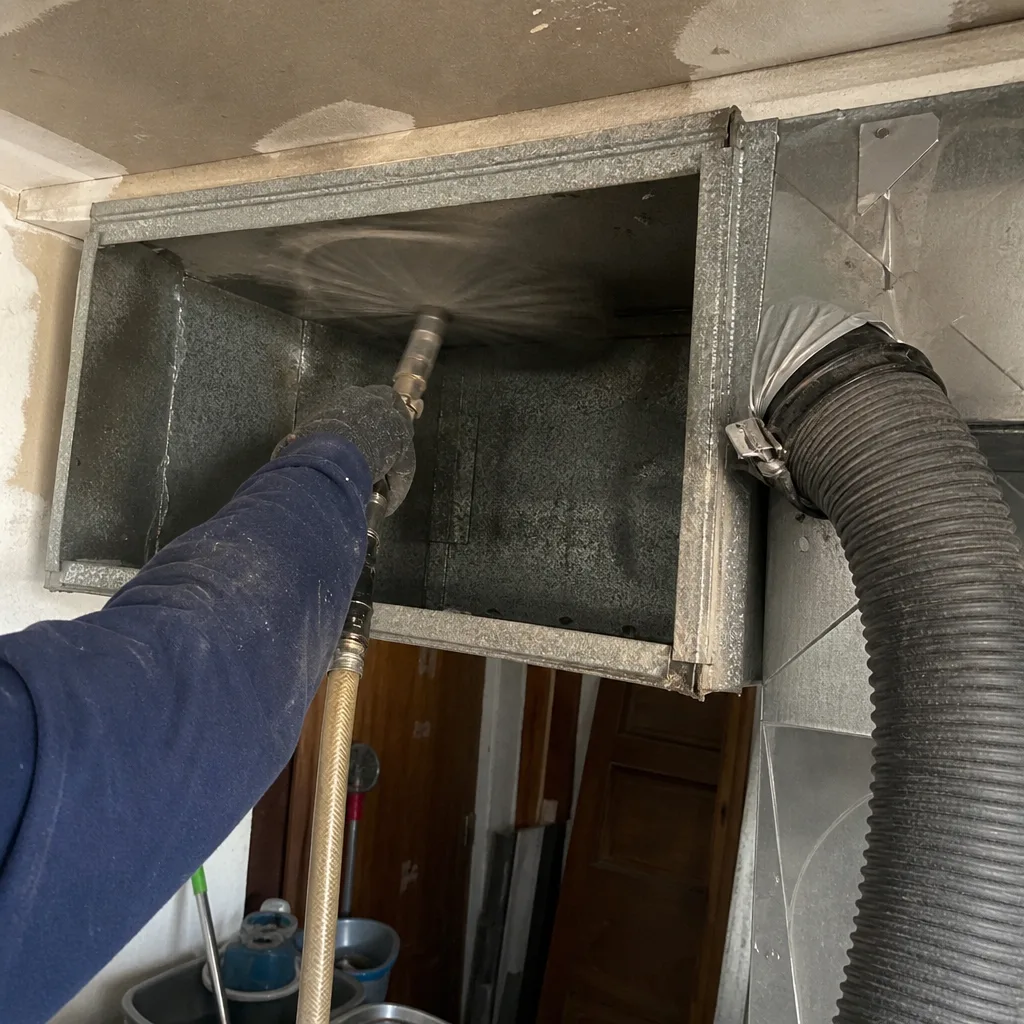
The agitation component matters too. Professional systems use pneumatic whips, rotary brushes, or compressed-air skipper balls that travel through branch ducts on flexible cables. These tools physically contact duct walls 20, 30, 40 feet from the access point. No consumer tool replicates this reach with sufficient force to dislge adhered debris. The brush kits sold online for DIY duct cleaning are typically 10-15 feet of flexible rod with a nylon brush head. They can reach into boots and short branch lines. They cannot navigate multiple elbows, they cannot generate the impact force of pneumatic tools, and they risk damage we’ll address in the next section.
The physics are not controversial. They’re documented in NADCA (National Air Duct Cleaners Association) standards and in manufacturer specifications for equipment from Nikro, Rotobrush, and other trade-recognized brands. The gap is not closed by working harder or buying a more expensive shop vac. It’s a category difference in equipment design and capability.
Chicago Ductwork Risks: What Probing Can Disconnect
Chicago’s housing stock creates specific risks for aggressive DIY duct cleaning that don’t apply uniformly in newer markets. Understanding your home’s duct construction matters before inserting anything beyond a vacuum hose.
Galvanized steel ductwork with friction-fit joints: Common in Chicago homes built 1920-1970, particularly in neighborhoods like Bridgeport, McKinley Park, and large swaths of the South and West Sides. These systems use snap-lock seams and friction-fit collars at branch takeoffs. They’re held together by sheet-metal tension and, in some cases, original duct tape that has dried and lost adhesion. Inserting a 15-foot brush rod with rotational force can separate a joint inside a wall cavity. The homeowner sees the brush go in and come out; they don’t see the 6-inch gap now leaking conditioned air into a stud bay, pulling attic dust and insulation fibers into the airflow, or creating a pressure imbalance that starves distant registers.
We’ve found these separations during professional cleanings. The camera shows a clean boot, then a dark gap, then debris accumulation downstream that the homeowner didn’t cause but that their cleaning attempt made possible. Repair requires duct access through drywall or plaster, a cost that dwarfs professional cleaning.
Asbestos-containing duct wrap or tape: Chicago’s older housing stock includes homes with original asbestos tape on duct seams or asbestos-containing insulation on attic trunks. Disturbing these materials during DIY cleaning creates a fiber release hazard. Professional crews identify these materials before work begins and follow Illinois EPA notification requirements for disturbance. A homeowner working without this assessment risks exposure and improper disposal.
Flexible duct (flex) in newer construction: Common in homes built 1990-present, including many townhomes in the West Loop and new construction on the North Side. Flex duct has a spiral wire helix inside a plastic liner and insulation blanket. Rotary brushes or aggressive rods can tear the liner, compress the insulation, or detach the collar connection. The damage is often invisible from the register side and reduces airflow permanently.
Plaster and lath register surrounds: Characteristic of Chicago bungalows and two-flats. Removing a register that’s been painted in place for decades can crack the surrounding plaster. The register boot may be irregularly shaped or sized by modern standards, making reinstallation difficult. We’ve replaced custom-fabricated boots in Humboldt Park and Logan Square where DIY removal damaged the surrounding structure.
The assessment: if your home was built before 1980 and you don’t know your duct material, the risk of hidden damage from brush insertion exceeds the benefit of the limited reach you’ll achieve.
Honest Cost Comparison: DIY Supplies vs. Professional Service
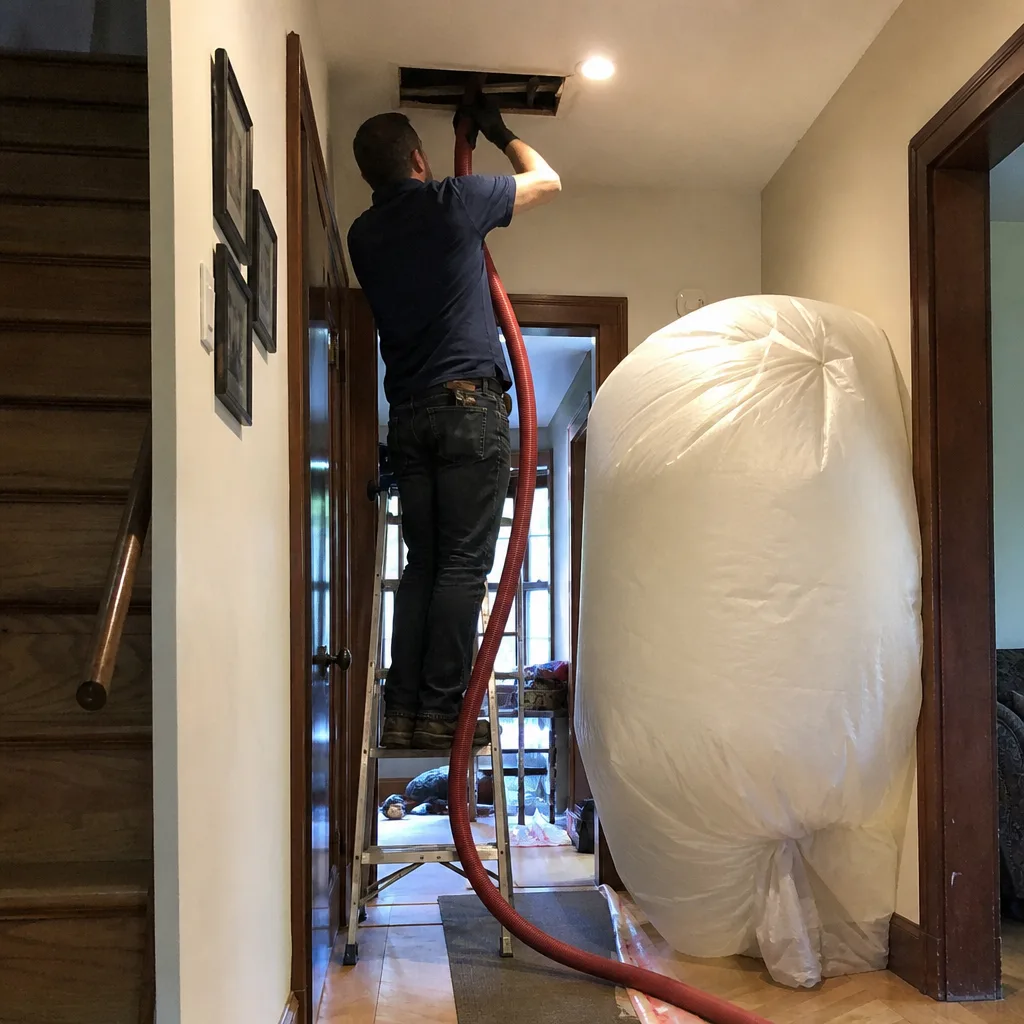
Cost transparency is Haven Standard Clause 1. Here’s what each approach actually costs in the Chicago market, with the deliverables specified.
DIY Cleaning of Accessible Components
| Item | Cost |
|---|---|
| Vacuum with hose (owned) | $0 |
| Microfiber cloths, mild detergent, soft brush | $15-$40 |
| Register removal tool (if painted in place) | $8-$15 |
| Time investment | 3-4 hours |
| Total | $0-$55 |
Deliverable: cleaner grilles, reduced dust at room openings, improved filter slot hygiene. No documentation. No system-wide assessment.
Professional Source-Removal Cleaning
Based on CleanRun’s written pricing for Chicago-area homes:
| Home Size / System Complexity | Price Range |
|---|---|
| Condo or townhome, 1-2 systems, up to 8 registers | $380-$520 |
| Single-family home, 1 system, 12-16 registers | $480-$680 |
| Single-family home, 2 systems or 17-24 registers | $720-$950 |
| Large home or complex routing (Lincoln Park greystones, vintage radiators with duct additions) | $950-$1,400 |
Deliverables included in every CleanRun job: written price agreed before work starts; negative-pressure extraction with Abatement Technologies or Nikro equipment; agitation of every duct run with pneumatic or rotary tools; Documented Photo Record of every duct run before and after, delivered as part of the standard job record; 365-Day Done Right Promise in writing; H.A.V.E.N. Standard compliance with background-checked, uniformed technicians identified by name before arrival.
The honest framing: DIY maintenance costs little and delivers real but limited results. Professional cleaning costs more and delivers documented, system-wide source removal. The two are not substitutes. They complement each other. We recommend DIY register and filter maintenance annually, with professional source-removal cleaning every 3-5 years for most Chicago homes, more frequently if you have pets, recent renovation, or respiratory sensitivities. See our Seasonal Air Duct Cleaning Care for Chicago: Year-Round Homeowner’s Guide for timing recommendations.
The One DIY Task Worth Doing: Dryer Vent Cleaning
Dryer vent cleaning is the exception that proves the rule. It’s fully within consumer equipment capability, has measurable safety benefits, and is the one duct-related task we actively encourage homeowners to perform or at least attempt before calling.
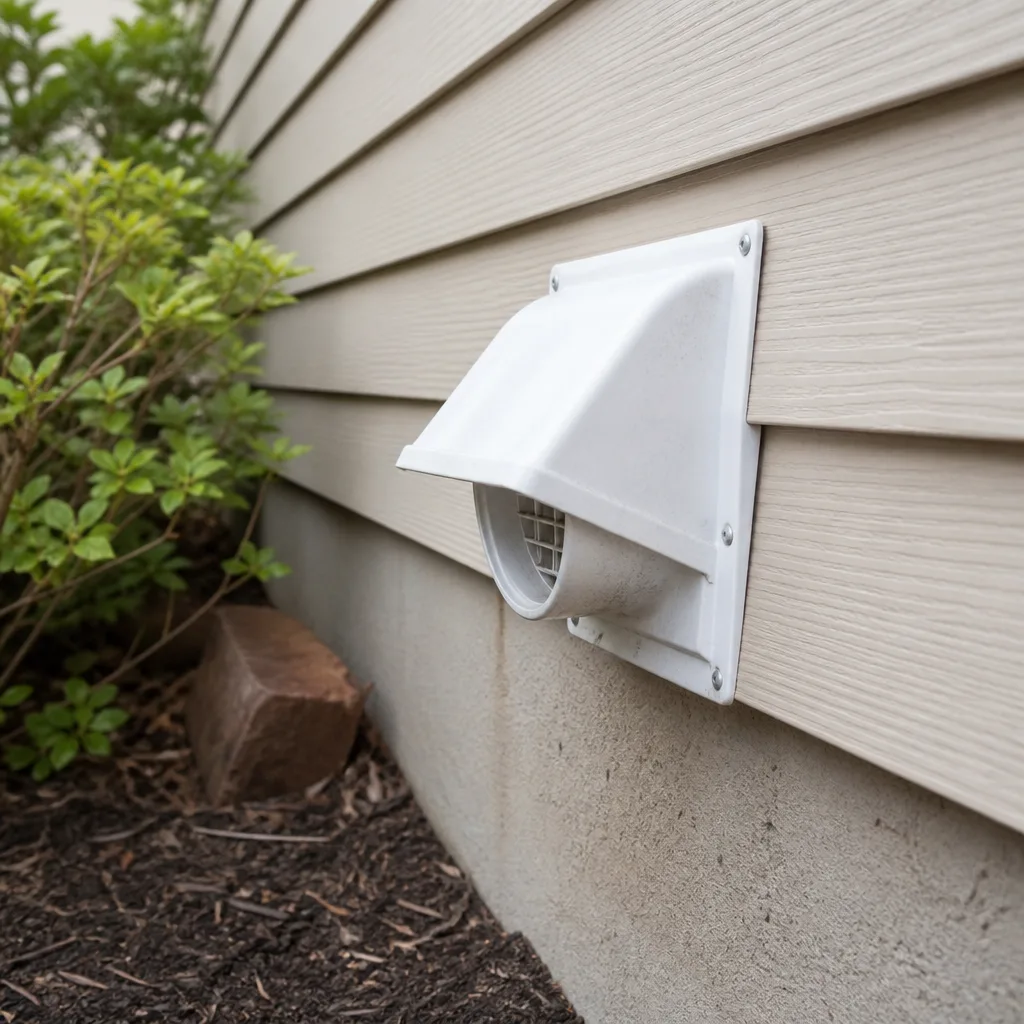
The equipment: a $25-$35 drill-powered brush kit with flexible rods, available at hardware stores throughout Chicago. The task: removing lint accumulation from the transition duct (dryer to wall) and the through-wall vent duct to the exterior termination.
Why this works when duct cleaning doesn’t: dryer vents are straight or have minimal elbows, typically 4-inch diameter, and lint is lightweight particulate that brush agitation easily dislodges. The required airflow for effective cleaning is lower because lint doesn’t adhere like the greasy dust accumulation found in HVAC ducts. A homeowner can verify results by checking airflow at the exterior termination and by visual inspection of the brush head when withdrawn.
The safety case is documented. The Chicago Fire Department identifies clothes dryer fires as the leading cause of appliance fires in the city, with lint accumulation the primary ignition source. Annual cleaning reduces this risk substantially. If your dryer takes more than one cycle to dry a standard load, or if the exterior vent hood doesn’t flap open strongly during operation, lint restriction is likely.
When to call instead: if the vent run exceeds 25 feet, has more than two elbows, passes through an inaccessible soffit or roof termination, or if you encounter blockages the brush won’t clear. Dryer Vent Cleaning in Chicago addresses these complex configurations with rotary brush systems and blower verification. CleanRun provides a Free Second Opinion on any written estimate for dryer vent work, including competitor quotes.
The documentation standard applies here too: our dryer vent jobs include before-and-after photos of the vent interior and airflow velocity measurement at termination, recorded in the job record.
What Professional Source-Removal Cleaning Actually Includes
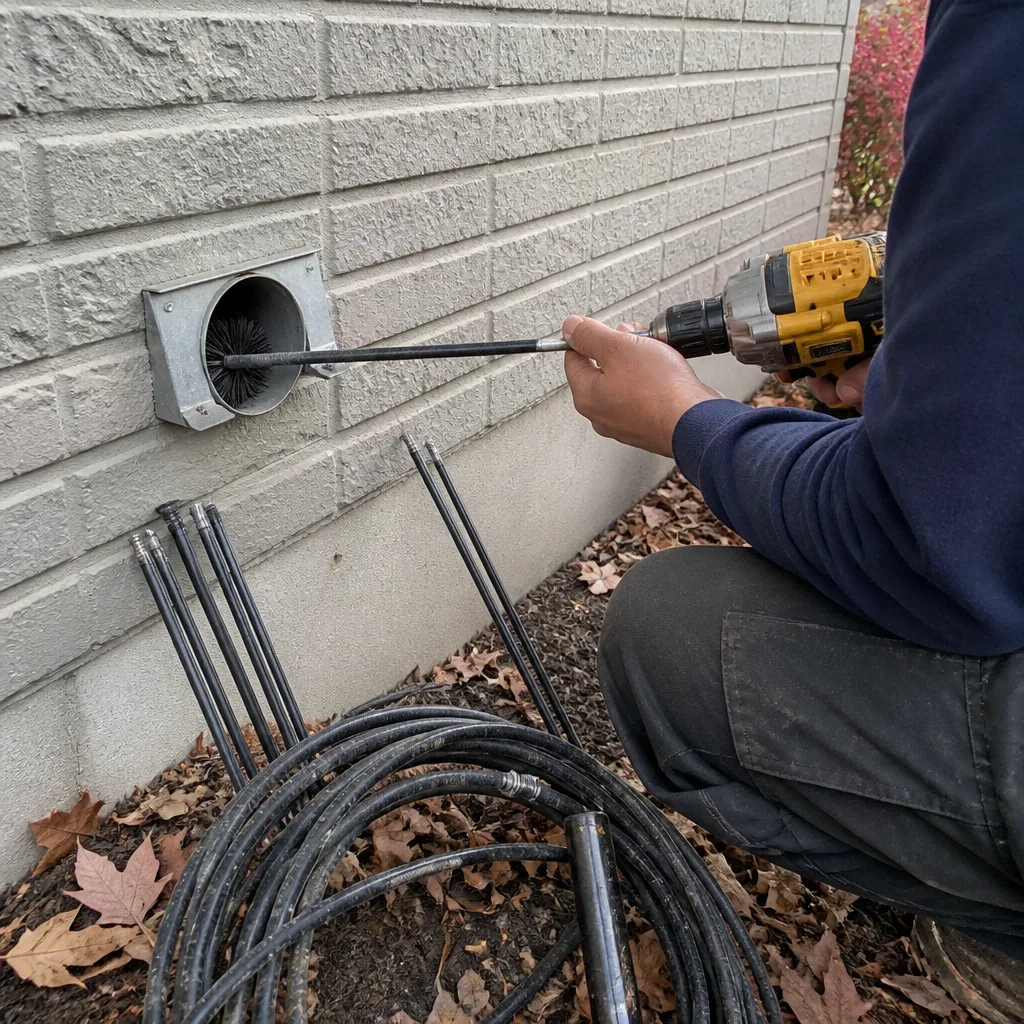
To evaluate whether professional service is warranted, you need to know what actually happens during a source-removal cleaning. This is the process CleanRun has followed since 2013, documented on every job.
- System assessment and access creation. The technician inspects the furnace, air handler, or rooftop unit to identify duct material, configuration, and any existing damage. Access ports are cut into the main trunk line or plenum (the large box that distributes air to branch ducts) using proper sheet-metal practices. These ports are sealed after cleaning; they’re not left open.
- Negative-pressure equipment connection. A vacuum collector, typically from Abatement Technologies or Nikro, is connected to the access port. The system is sealed at all registers with adhesive covers or magnetic plates, creating a closed loop from the farthest branch duct through the main trunk to the collection unit.
- Agitation of each duct run. Starting with the register farthest from the air handler, the technician introduces agitation tools - pneumatic whips, rotary brushes, or compressed-air skipper balls - through register openings or additional access points. These tools contact duct walls throughout the run, dislodging adhered debris. The negative pressure immediately transports dislodged material to the collection unit.
- Plenum and coil cleaning. The supply plenum (above the furnace) and return plenum (below or beside) are cleaned with contact methods. If the evaporator coil is accessible and requires cleaning, this is performed as a separate scope item with appropriate foaming cleaners and rinse protocols.
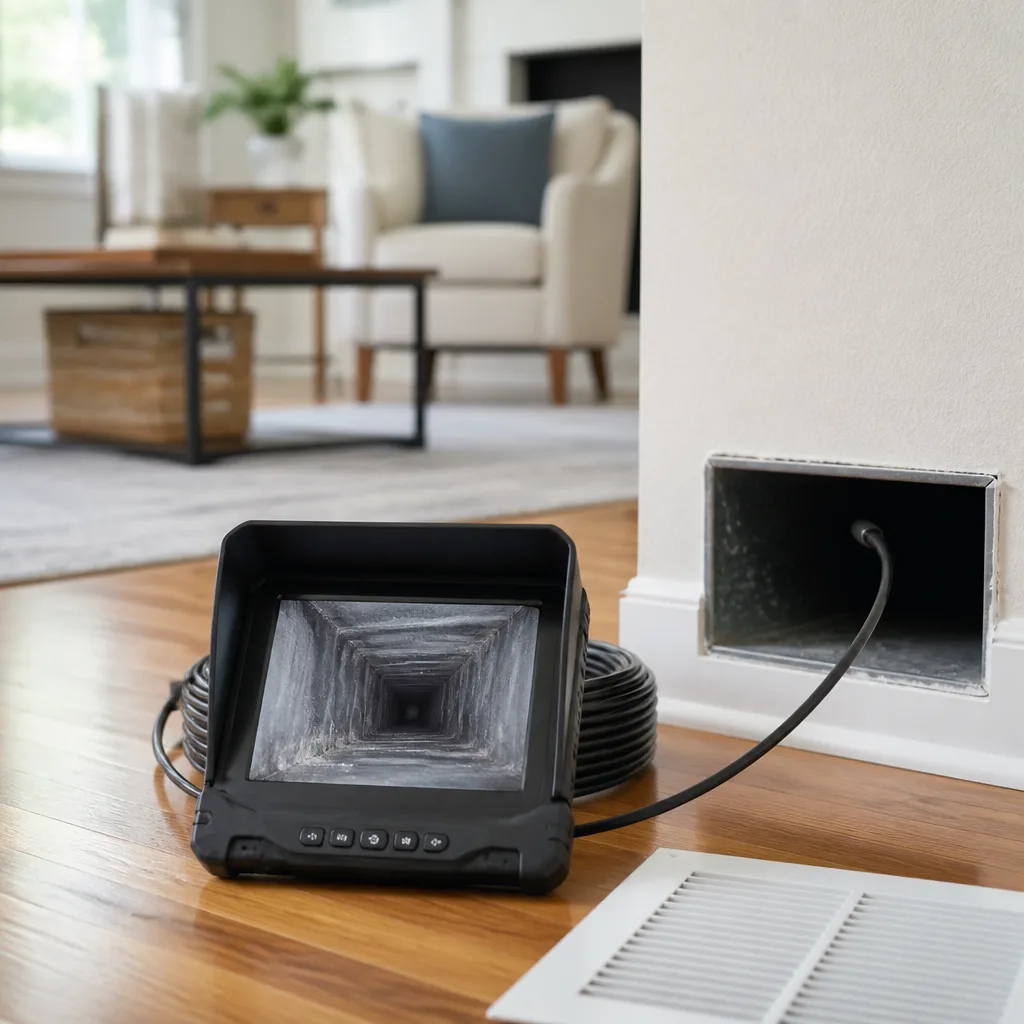
- Verification and documentation. Every duct run is photographed before and after agitation. Photos show the duct interior at a consistent depth and angle. These images are compiled into the Documented Photo Record delivered to the customer. The technician removes access port seals, restores register covers, and verifies system operation.
- Written deliverables. The customer receives: the agreed written price (already provided before work started); the photo record; any noted conditions requiring repair; and the 365-Day Done Right Promise documentation.
This process addresses 100% of accessible duct surface area, not the 5-15% reachable from register openings. The equipment, training, and time investment explain the cost difference from DIY maintenance.
Air Duct Cleaning in Chicago from CleanRun follows this protocol on every job, regardless of home age or neighborhood. The H.A.V.E.N. Standard requires it.
Common Mistakes to Avoid
- Using a shop vac with a long hose as “duct cleaning.” The hose reaches into the boot but generates insufficient airflow to transport debris from branch ducts. The result is redistribution, not removal, often concentrating debris at the first elbow downstream.
- Inserting brush rods into unknown duct material. In Chicago’s older housing stock, this risks separating friction-fit galvanized joints or tearing flex duct liners. The damage is hidden and the repair cost exceeds professional cleaning.
- Cleaning without sealing the system. A shop vac at one register creates positive pressure at others, blowing dust into living spaces. Professional negative-pressure cleaning seals all openings to contain debris.
- Ignoring the filter slot. The highest-impact DIY task is also the most neglected. A clogged or improperly seated filter bypasses unfiltered air directly into the return plenum, accelerating system contamination.
- Believing the $79 coupon represents full service. Chicago’s market is saturated with teaser pricing that excludes agitation, photography, or proper negative-pressure equipment. The final invoice typically reaches professional pricing without professional deliverables. CleanRun’s written price under Haven Standard Clause 1 is the full price - no exceptions.
- Neglecting dryer vents while focusing on HVAC ducts. The dryer vent presents higher fire risk than contaminated HVAC ducts present health risk, and it’s the task most homeowners can actually perform effectively.
- Assuming new construction means clean ducts. Chicago’s building boom has produced homes with construction debris - drywall dust, wood particles, fastener droppings - accumulated in ducts before occupancy. Post-construction cleaning is a distinct service requiring source removal, not filter changes.
When to Call a Professional
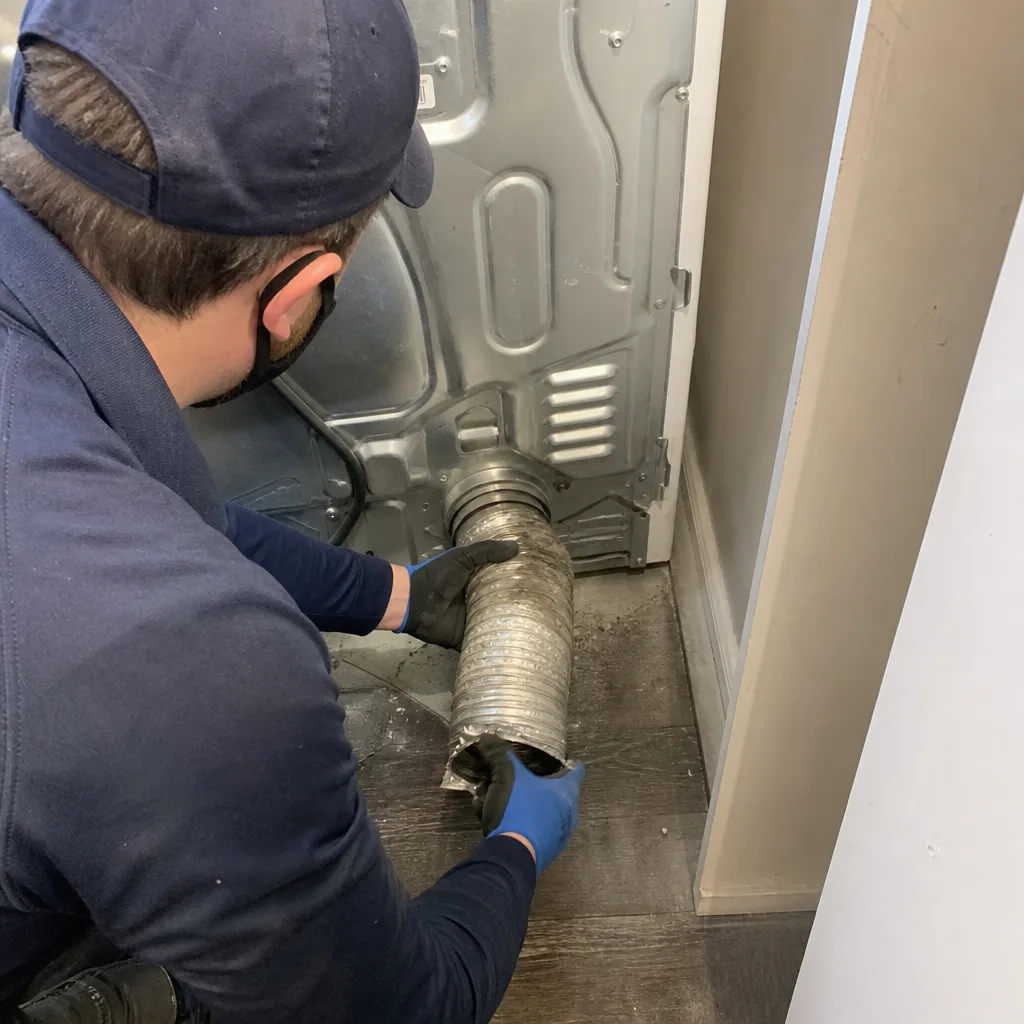
Call for professional source-removal cleaning when: you cannot remember the last cleaning and have lived in the home more than five years; you’ve completed renovation work that generated dust; you’re experiencing unexplained respiratory symptoms that correlate with HVAC runtime; you’ve found mold or moisture in registers or at the air handler; or you’ve purchased a home and have no documentation of prior cleaning. For help choosing a provider, read our How to Hire a Air Duct Cleaning Contractor in Chicago: A Step-by-Step Guide.
Call immediately if: a DIY attempt has produced visible damage, disconnected sounds from ducts, or reduced airflow at registers; you suspect asbestos-containing materials; or you’ve found standing water or active mold growth in the plenum.
CleanRun Air Duct Cleaning Chicago offers free estimates in Chicago - call (708) 683-3974. Every estimate includes a written price before any work starts, under Haven Standard Clause 1. We also provide a Free Second Opinion on any written competitor estimate, documented side-by-side with our own pricing.
Frequently Asked Questions
Professional source-removal cleaning for a typical Chicago single-family home ranges from $480-$680 for one system with 12-16 registers. Condos and townhomes with fewer registers run $380-$520. Large homes, dual systems, or complex vintage configurations in neighborhoods like Lincoln Park or Hyde Park range from $720-$1,400. CleanRun provides a written price before any work starts - no exceptions. Call (708) 683-3974 for a free estimate with exact pricing for your home’s configuration.
The $79-$149 quotes common in Chicago coupon mailers typically cover only vacuuming accessible register boots with a shop vac, or they use bait-and-switch tactics where the low price requires “additional services” once the technician arrives. Genuine source-removal cleaning with negative-pressure equipment, agitation of all duct runs, and documentation cannot be performed at these prices. Ask any provider: will they photograph every duct run before and after? Will they provide a written price that doesn’t change? What equipment brand and CFM rating will they use? The answers distinguish real service from vacuum noise.
Demand documentation. A legitimate professional provides photographic evidence of duct interiors before and after cleaning, with images that show consistent depth, angle, and identifying features like seams or joints. CleanRun’s Documented Photo Record is included on every visit as a standard deliverable, not an upsell. If a company won’t show you photos of your own ducts, they likely can’t prove the work occurred.
Most Chicago homes benefit from professional source-removal cleaning every 3-5 years. Homes with pets, recent renovation, or residents with respiratory conditions may need service every 2-3 years. The city’s climate - humid summers that support microbial growth and heating-dominant winters that circulate dry, particulate-laden air - creates conditions that accelerate duct contamination compared to milder markets. Annual DIY maintenance of registers and filters extends the interval between professional cleanings.
You can clean register grilles, accessible boot interiors, and filter slots effectively with a shop vacuum. This addresses approximately 5-15% of total duct surface area and is worth doing annually. You cannot achieve source-removal cleaning of branch ducts, main trunks, or plenums with consumer equipment because the airflow velocity is insufficient to transport dislodged debris. Attempting to reach deeper with brush rods risks damage, particularly in Chicago’s older homes with friction-fit galvanized ductwork.
The industry has earned skepticism through $79 coupon bait-and-switch operations that deliver minimal service with maximum upsell. That doesn’t mean the service itself is worthless. Documented source-removal cleaning with proper equipment, performed by trained technicians who provide before-and-after evidence, removes measurable debris from the system. The EPA confirms that duct cleaning is warranted when visible mold, vermin infestation, or excessive debris exists, and that it may reduce particulate circulation in homes with sensitive occupants. The key is verifying what you’re actually buying - equipment, process, documentation - not accepting vague claims. Browse our more guides & resources to learn what questions to ask any provider.
The Bottom Line
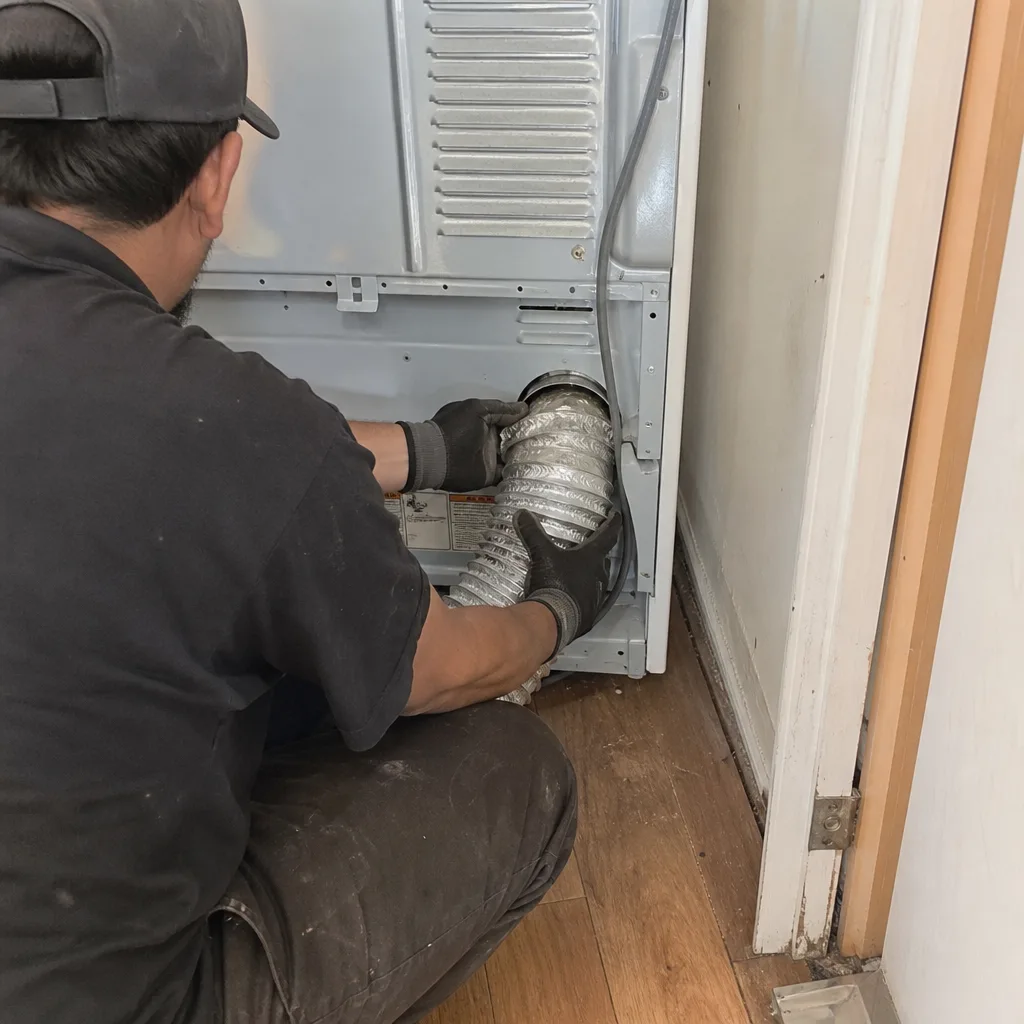
The DIY versus professional question isn’t about competence. Most Chicago homeowners can handle register maintenance and filter changes with household tools. The division is mechanical: negative-pressure extraction requires equipment that generates 2,000-4,000 CFM through a sealed system, and no consumer tool approaches this specification. DIY maintenance between professional cleanings is sensible home care. DIY replacement of professional source-removal cleaning is not physically possible. The honest approach is to do what you can reach, hire documented professionals for what you can’t, and treat the $79 coupon for what it typically is - an entry point for an invoice that matches real pricing without real deliverables.
CleanRun Air Duct Cleaning Chicago home | HVAC Cleaning in Chicago
Written by Tomas Reyes, Owner at CleanRun Air Duct Cleaning Chicago, serving Chicago since 2013.