
Last updated September 23, 2026
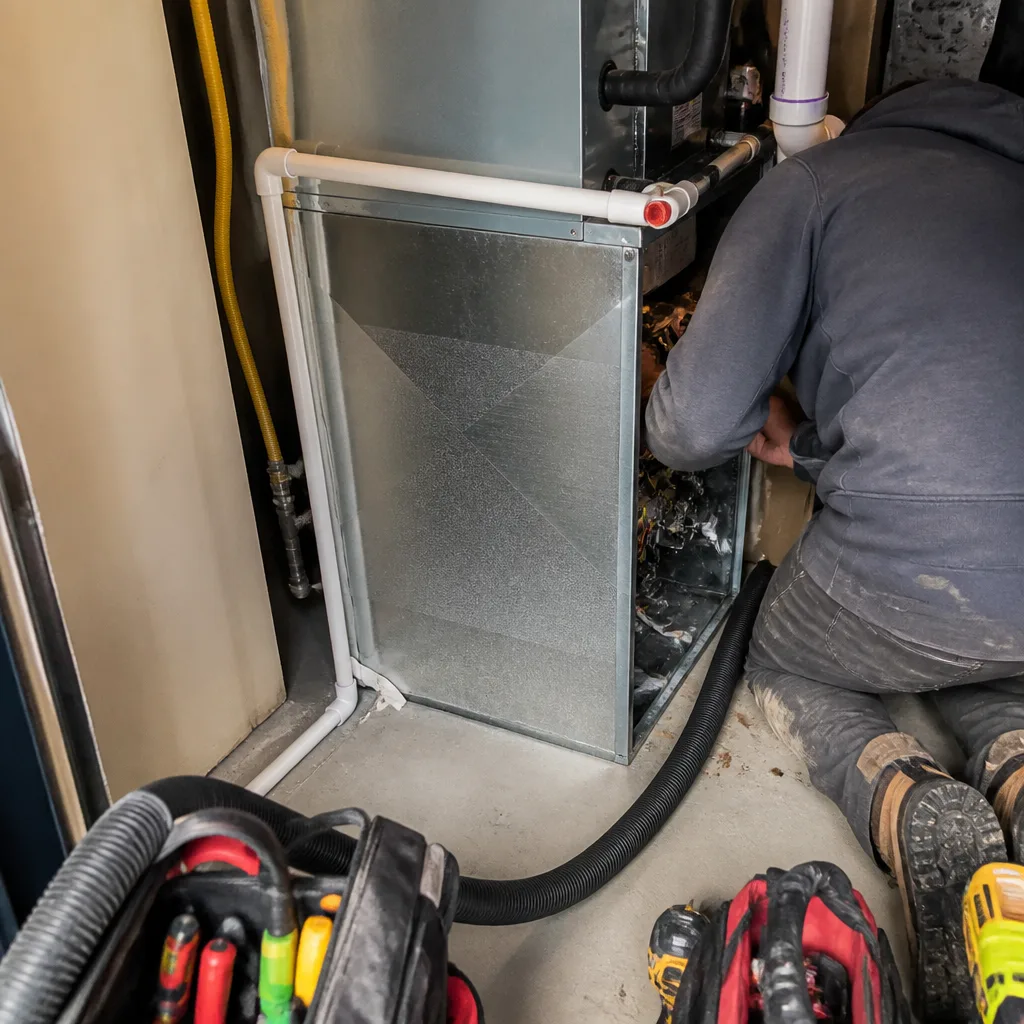
Whole-system duct and dryer vent check with before-and-after photos - you see exactly what came out of your vents
That "$99 whole-house special" is a bait ad - the real number appears once they are in your hallway, or the "clean" is a shop-vac at the register. We photograph the inside of your ducts before and after instead.
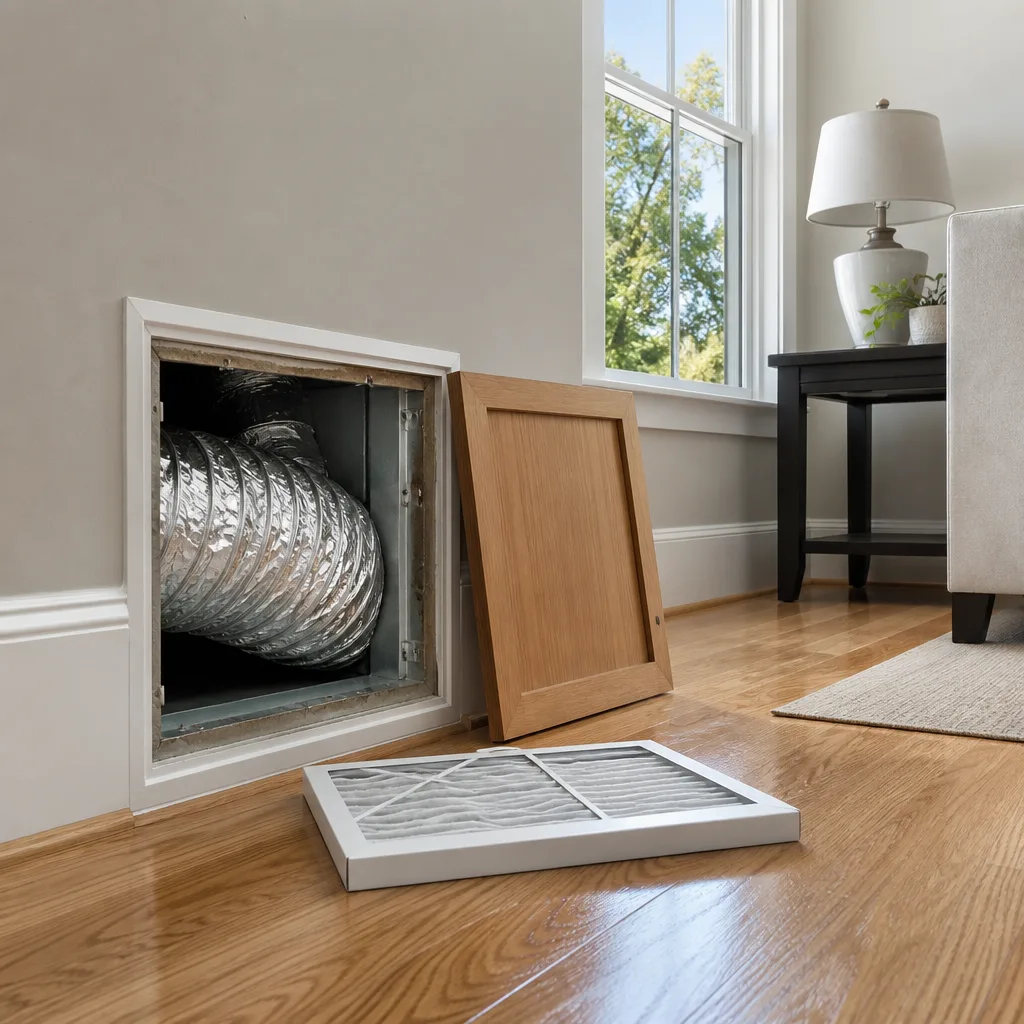
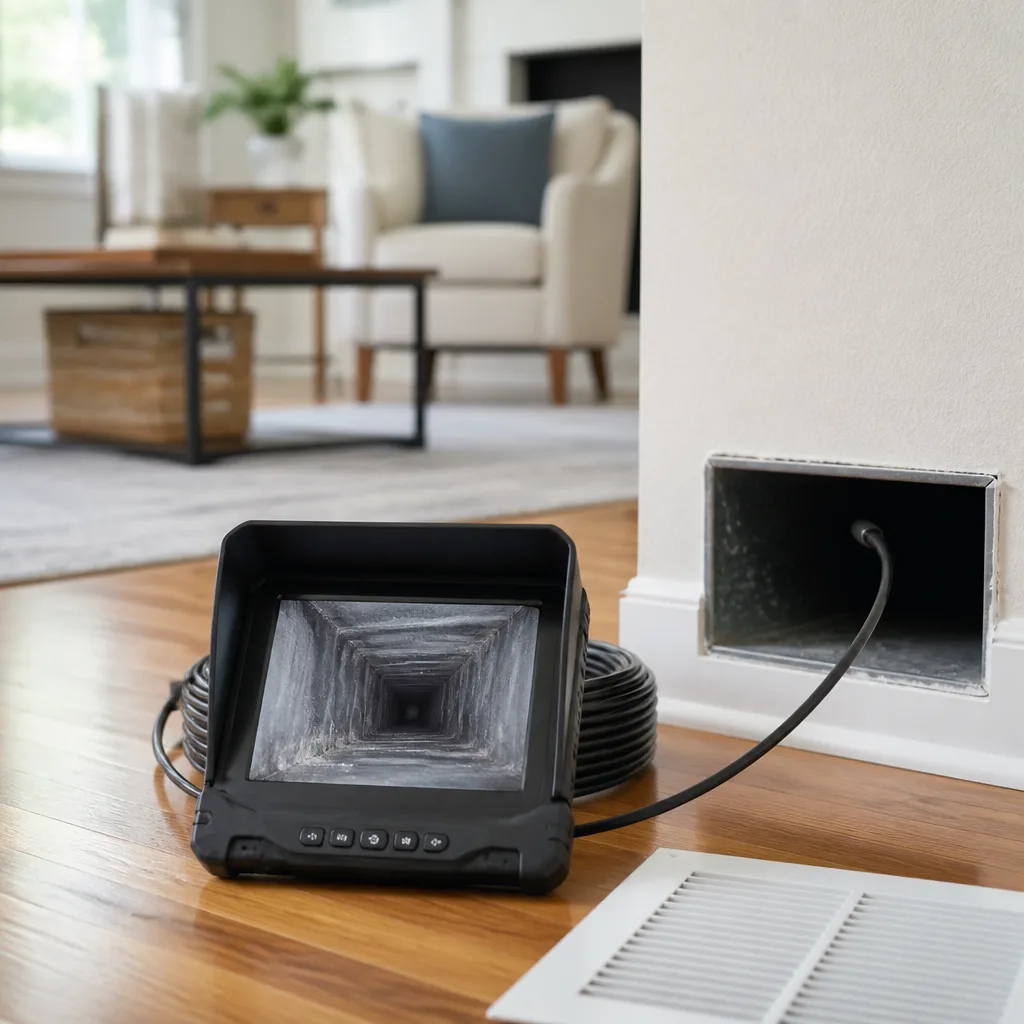
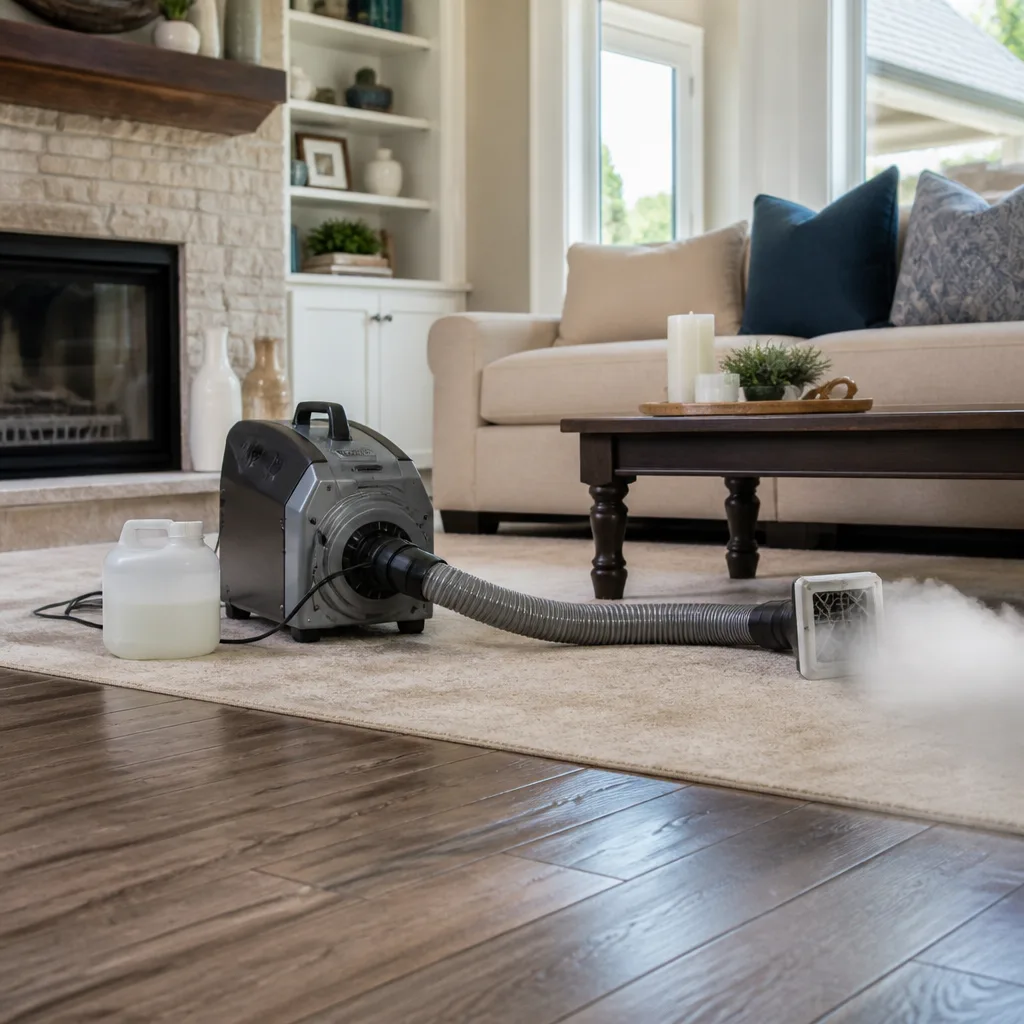
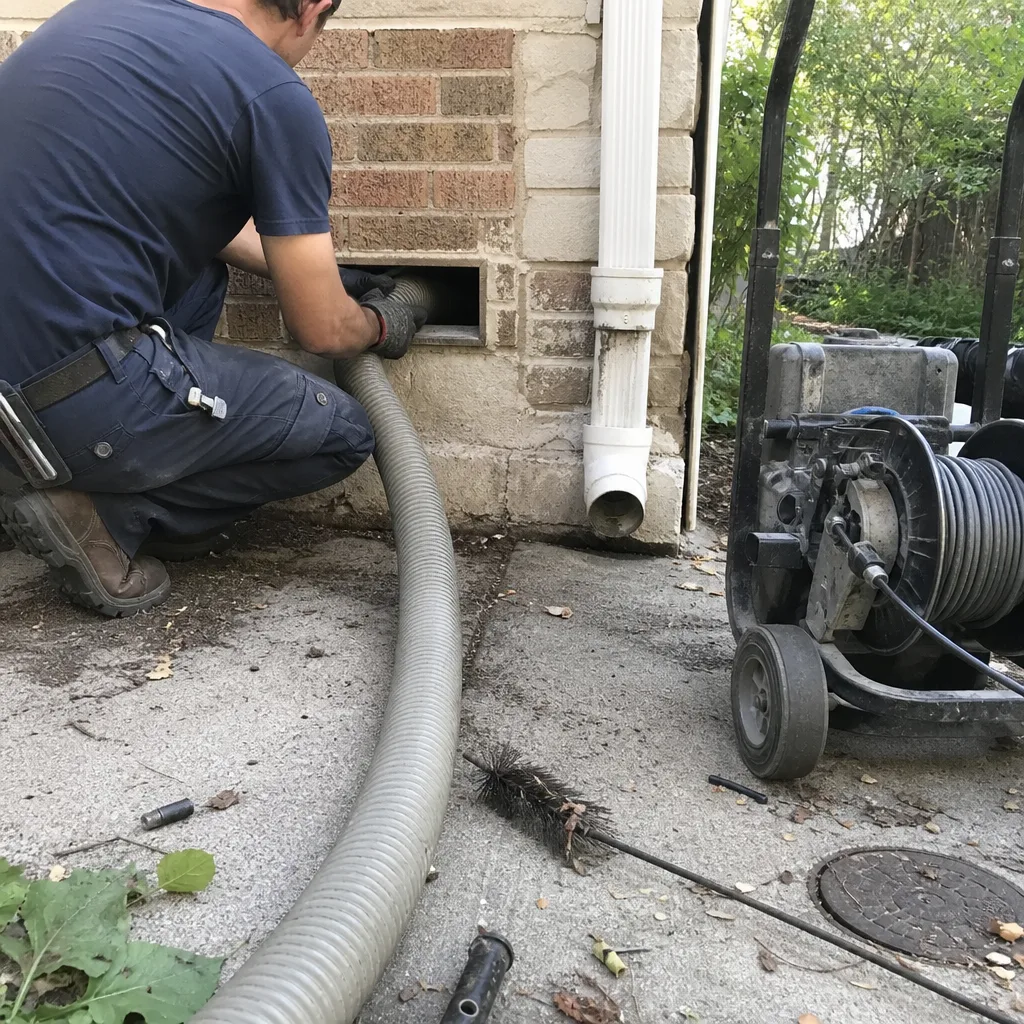 Before
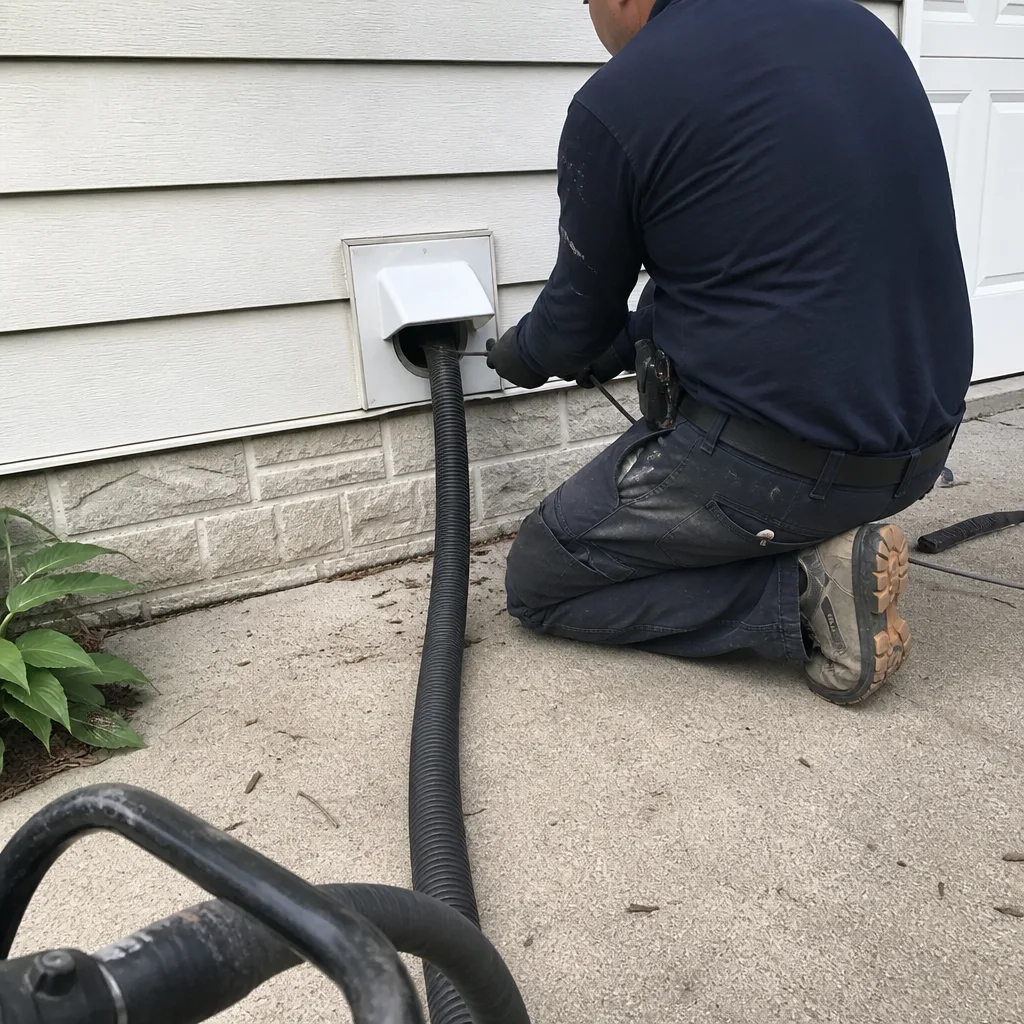 After
After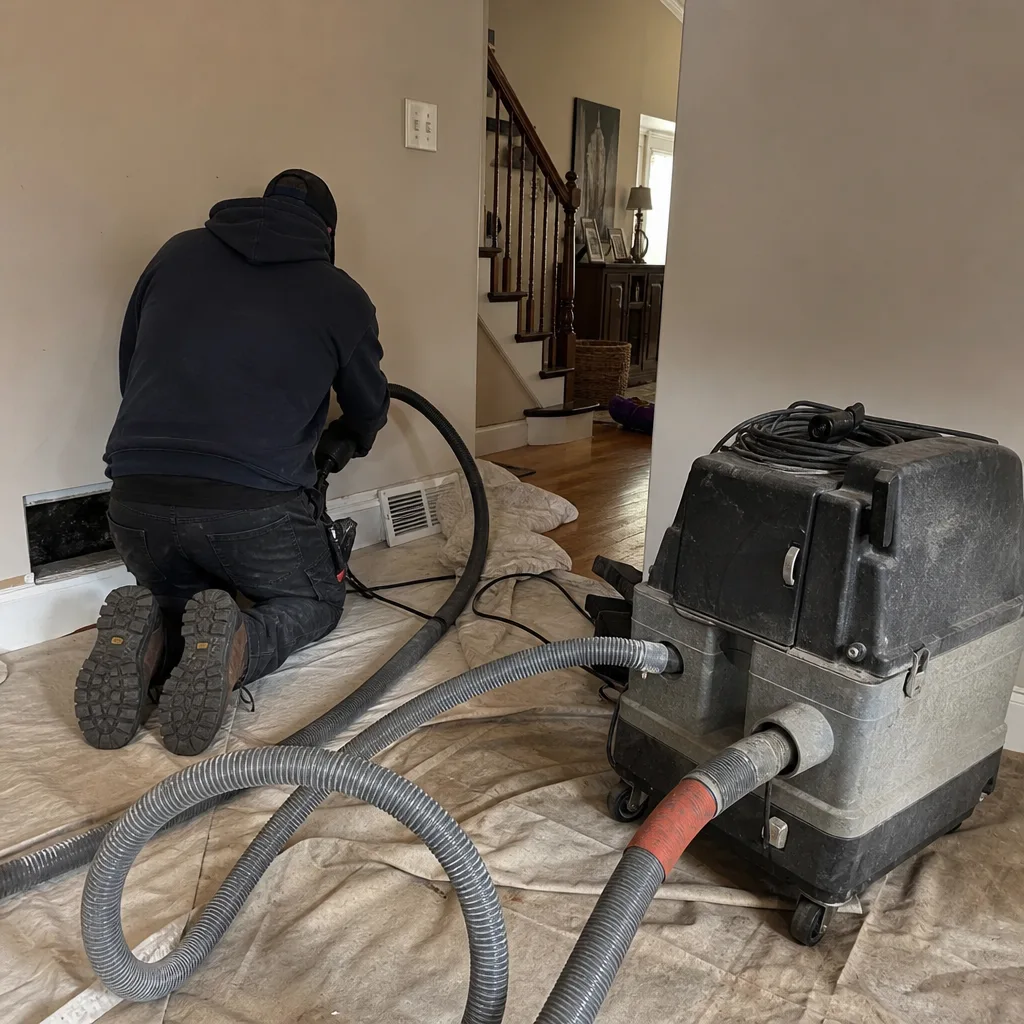 Before
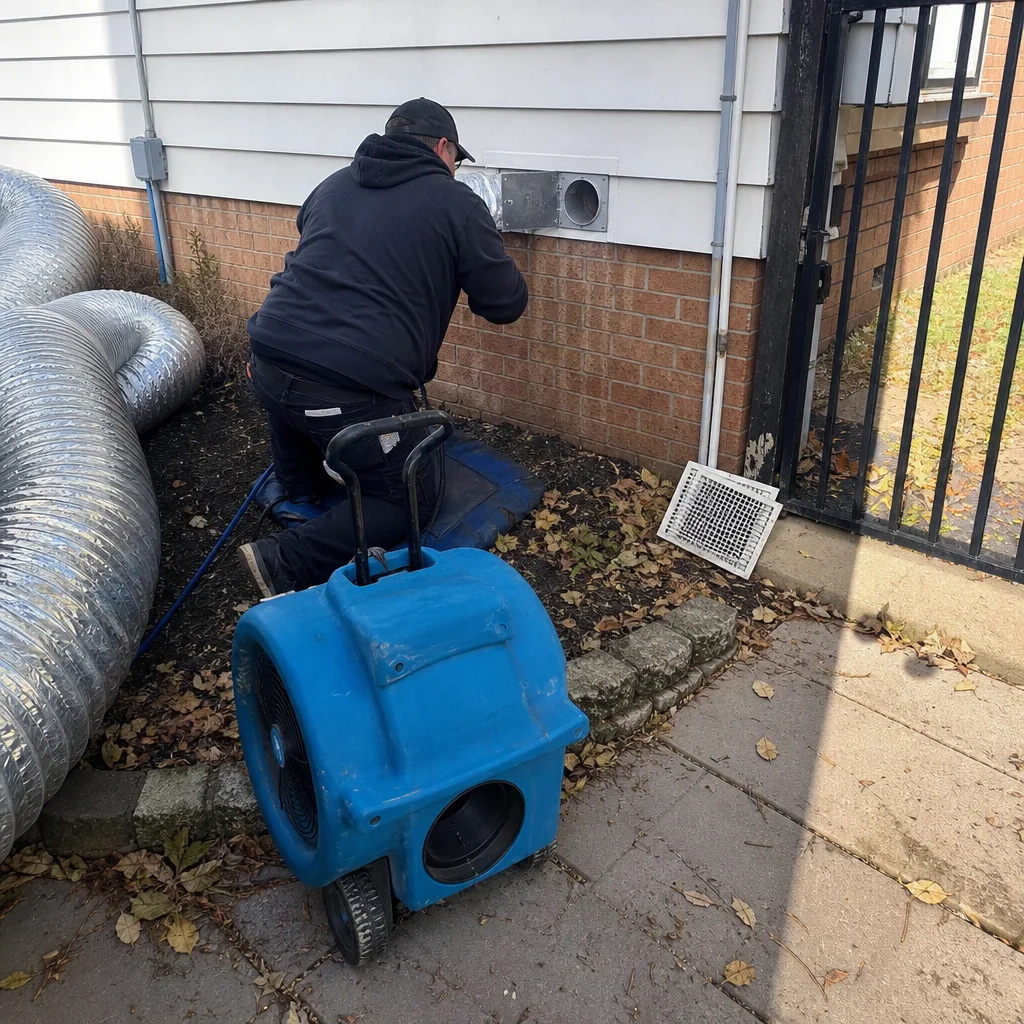 After
After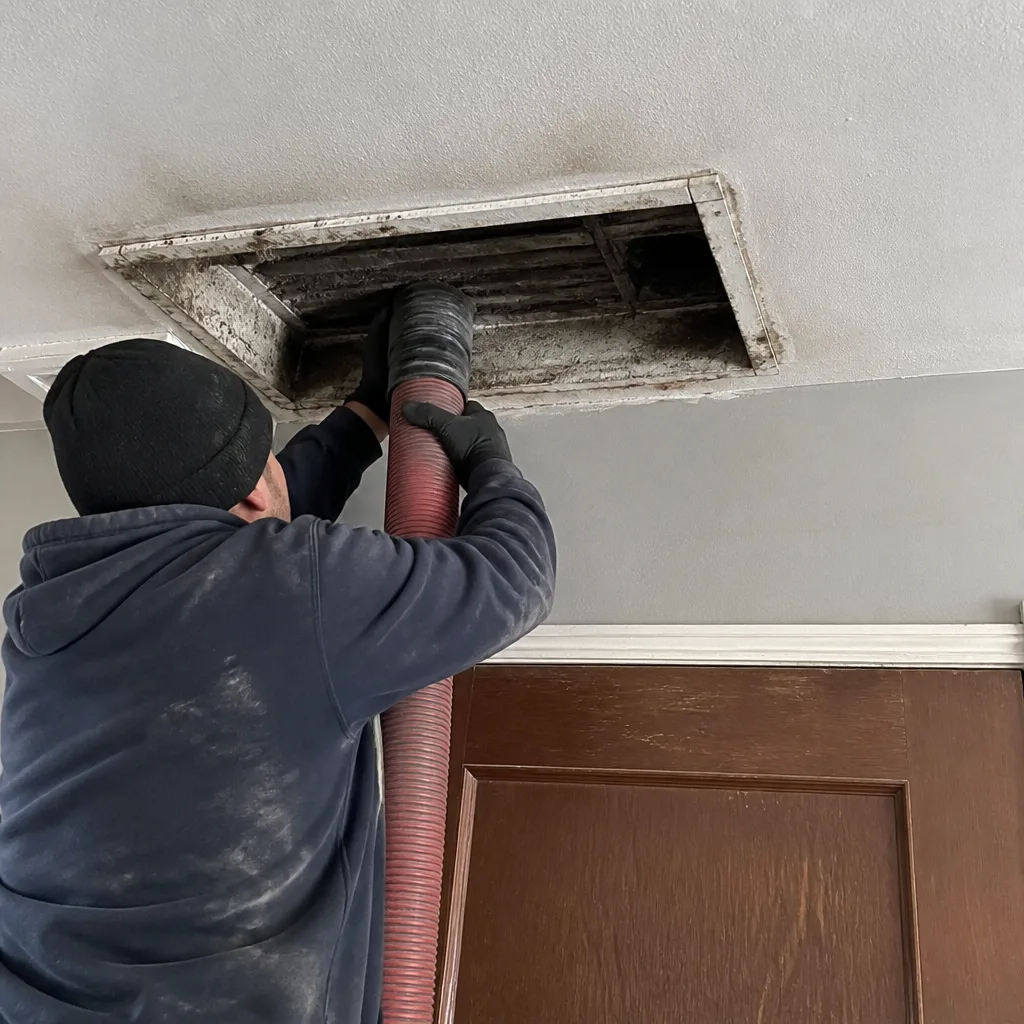 Before
 After
AfterAir Duct Cleaning Warning Signs: A Chicago Homeowner’s Reference Guide
The warning sign most homeowners in Chicago hear first - “visible dust blowing from your registers” - is actually one of the weakest predictors of duct contamination we’ve documented across 52,000+ homes. In our photo records, the ducts that needed real intervention rarely showed obvious dust at the vent. The problems that mattered were deeper in the run, visible only with a camera, or detectable through airflow, odor, or staining patterns that most homeowners don’t know to look for. This guide - alongside The Complete Guide to Air Duct Cleaning in Chicago - describes seven warning signs in the physical detail you need to confirm or rule them out yourself, with a flashlight and phone camera, before a technician ever sets foot in your home.
Quick Answer
The seven reliable warning signs that Chicago homeowners should watch for are: (1) gray filtration-soil rings around register edges, (2) dark streaking below supply vents, (3) persistent musty or chemical odors that intensify with system use, (4) uneven airflow between rooms detectable with a simple tissue test, (5) visible debris at the register throat that differs in color or texture from household dust, (6) post-renovation calcite-white powder at returns, and (7) burnt dust smell at furnace startup that lingers beyond the first cycle. Each correlates with a specific contamination type and location in the duct system.
Table of Contents
- The Register Staining Map: What Gray Rings and Dark Streaks Actually Mean
- The Odor Taxonomy: Three Smells, Three Different Sources
- The Airflow Asymmetry Test: Finding Blockages with a Tissue
- Debris Identification: What You’re Actually Looking At Inside the Duct
- The Post-Renovation Red Flag: Chicago’s Gut-Rehab Contamination Pattern
- Furnace Startup Smells: Normal Burn-Off vs. Documented Problem
- When to Call a Professional
- Frequently Asked Questions
BeforeAfterThe Register Staining Map: What Gray Rings and Dark Streaks Actually Mean
Register staining is the most photographable warning sign, and the most commonly misread. We’ve delivered before-and-after photo records from homes in Lincoln Park, Oak Park, and the South Loop where the homeowner pointed to “dirty vents” as the reason for calling, but the pattern of that dirt told a completely different story than they expected.
Gray-ring staining around register edges - a uniform, slightly fuzzy gray band 1/4 to 1/2 inch wide, following the perimeter of the register frame - indicates filtration soil from negative pressure. Here’s what happens: your return ducts operate under suction, pulling air from the room back to the air handler. If the register gasket has degraded or the boot wasn’t sealed properly during installation, the negative pressure draws air through the gap between the register frame and the ceiling or wall. That air carries ultrafine particles too small to be captured by your furnace filter. Over months or years, these particles deposit as a characteristic gray ring. The color is uniform because the source is ambient household air, not duct debris. This pattern is common in Chicago’s 1920s brick bungalows and mid-century ranches where original register boots were never sealed to modern standards.
Dark streaking below registers - vertical or diagonal dark lines extending 2 to 6 inches downward from the register face - tells a different story. This is supply-side dust discharge: debris that has accumulated inside the duct run, broken loose, and exited with the airflow. The streaking pattern occurs because the supply air carries particles at velocity; they impact the wall or ceiling surface below the register and deposit in streaks that follow the air stream. The debris is typically darker than filtration soil because it includes larger particles, lint, and in older Chicago homes with galvanized ductwork, oxidized metal flakes.
To distinguish these patterns with your phone camera:
- Photograph the register straight-on with room lights on and flash off - the gray ring will appear as a uniform perimeter shadow, while supply streaking will show as discrete linear marks.
- Run your finger across the stained area. Filtration soil feels slightly greasy or velvety due to the ultrafine particle size. Supply streaking feels gritty or granular.
- Note the register location. Gray rings appear on returns (where air is pulled in) and occasionally on supplies in rooms with very high humidity. Dark streaking appears almost exclusively on supplies.
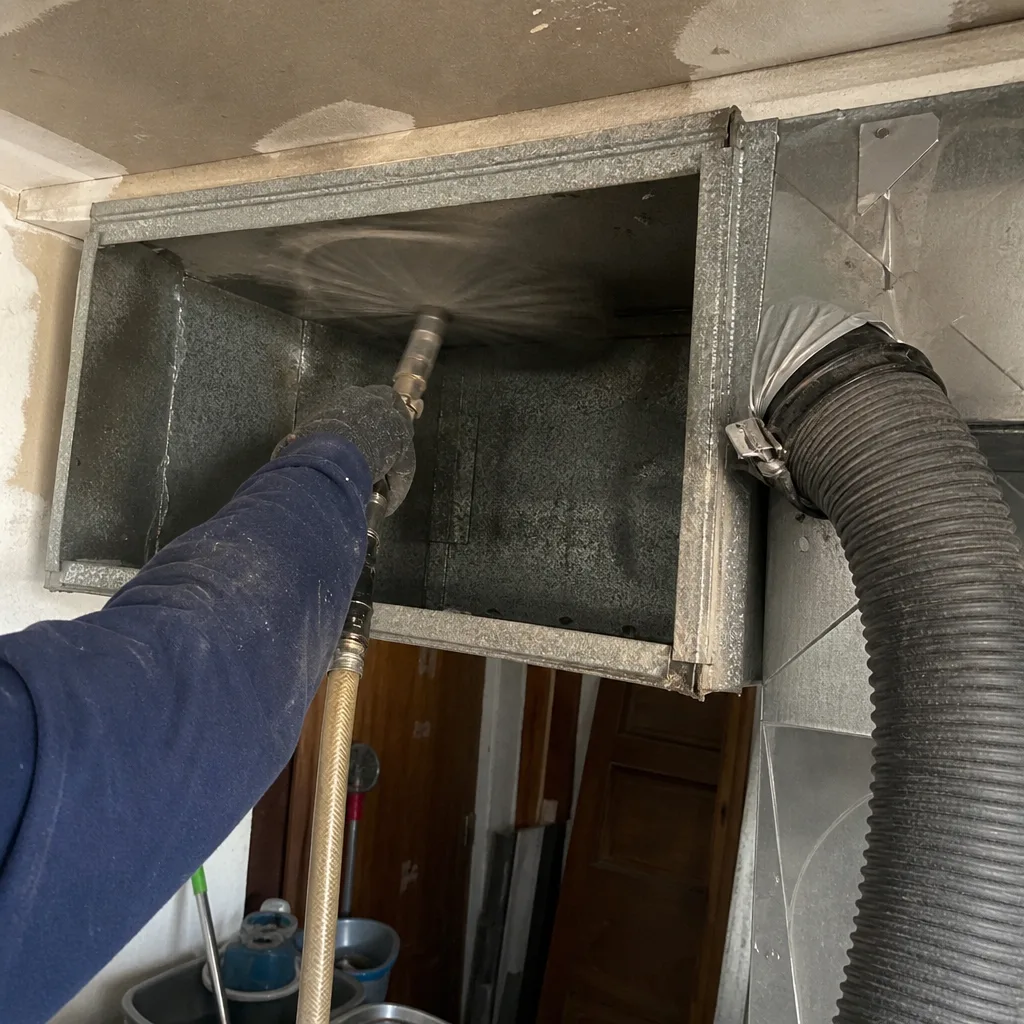
The fix differs too. Filtration soil rings indicate a sealing problem at the register boot, which we address with gasket replacement and mastic seal under Air Duct Cleaning in Chicago service protocols. Dark streaking indicates debris accumulation inside the duct run that requires negative-pressure extraction and rotary brush agitation to remove.
The Odor Taxonomy: Three Smells, Three Different Sources
Odors are the warning sign homeowners trust least, because they’re subjective and transient. But in our documented photo records, odor complaints correlate with the most severe contamination we find - the kind that affects respiratory health, not just system efficiency. The key is distinguishing three distinct odor profiles, each with a specific source and required response.
Burnt dust smell at furnace startup - a sharp, dry, slightly metallic odor that occurs during the first heating cycle of the season - is usually normal. In Chicago’s climate, furnaces sit idle from May through September. Dust settles on the heat exchanger and in the plenum (the large central chamber that distributes heated air to duct runs). When the burner first fires, that dust burns off. The smell should dissipate within one to three heating cycles. If it persists beyond 24 hours of regular use, or intensifies rather than fading, the source may be debris accumulation severe enough to create a combustion hazard or a cracked heat exchanger allowing flame rollout. This requires immediate professional inspection. Do not attempt to inspect the heat exchanger yourself - the combustion chamber is a sealed component, and flame rollout can occur without warning.
Persistent musty odor in one zone - a damp, earthy smell that localizes to specific rooms or floors and intensifies when the system runs - indicates biological growth inside the duct run or the register boot. Chicago’s lake-effect humidity, particularly in homes near the lakefront from Edgewater to Hyde Park, creates conditions where condensation accumulates in cool duct sections during summer AC operation. The musty smell is microbial volatile organic compounds (MVOCs) released by mold or bacterial colonies. The critical distinction: if the odor is present even when the system is off, the growth may have extended beyond the duct into surrounding building materials. If it intensifies only with airflow, the contamination is contained within the duct system. Our photo records show that biological growth in Chicago homes typically appears as patchy green, black, or white fuzz on the interior duct surface, most commonly at the first elbow downstream from a supply plenum where condensation collects.
Chemical smell that intensifies with AC use - a sharp, solvent-like, or plastic odor - is the most urgent of the three. This profile indicates volatile organic compound (VOC) off-gassing from degraded duct liner, adhesive failure in flex duct connections, or in homes built or renovated between 2000 and 2010, deteriorating spray foam that has entered the return system. The smell intensifies with cooling because the air handler’s evaporator coil condenses water vapor, concentrating VOCs in the airflow. This is not a cleaning issue; it’s a materials degradation issue that may require duct replacement or liner removal. We flag this during our initial inspection and provide documentation for homeowner insurance claims when material replacement is indicated.
To document an odor for professional evaluation:
- Note the exact time of day, outdoor temperature, and whether heating or cooling was active when you detected it.
- Identify which registers produce the strongest smell - use a systematic check, closing registers room by room to isolate the source.
- Photograph any visible staining or debris at the strongest-smelling register; odor sources often co-occur with physical contamination.
The Airflow Asymmetry Test: Finding Blockages with a Tissue
Airflow imbalance between rooms is the warning sign most homeowners miss entirely, because it develops gradually and gets attributed to “this room just runs cold” or “the second floor is always warmer.” In our Chicago work, we’ve found that rooms with chronic temperature complaints often have 40 to 60 percent reduced airflow compared to the home’s average, caused by partial blockages that a simple test can reveal.
The tissue test requires no tools beyond a single ply of toilet paper or a lightweight tissue:
- Set your thermostat to fan-only mode (no heating or cooling active) so airflow is consistent and unheated.
- Close all interior doors and open all supply registers fully.
- Hold the tissue vertically, 6 inches below each supply register, and release it. Observe whether it clings to the register, floats at a consistent angle, or falls away.
- Compare results across all rooms. In a balanced system, the tissue should cling or float at similar angles throughout.
What the results indicate:
- Tissue falls away immediately in one room: Significant blockage in that duct run, typically within 10 feet of the register. Common causes in Chicago: collapsed flex duct in attic spaces (frequent in homes with 1990s-era flex installations that have degraded), or debris accumulation at a duct elbow.
- Tissue clings strongly in one room but falls away in others: The strong-cling room is likely closest to the air handler with the shortest duct run, receiving disproportionate airflow due to poor balancing damper settings. This is a design or commissioning issue, not contamination, but it creates negative pressure in other rooms that pulls unfiltered air through leaks.
- Tissue behavior changes seasonally: Indicates duct leakage in unconditioned spaces. In winter, cold attic air infiltrates through leaks, changing air density and flow patterns. In summer, humid attic air does the same. Chicago’s wide seasonal temperature swing makes this pattern particularly common.
If your tissue test reveals asymmetry, photograph the register in the problem room and check the throat (the visible duct interior behind the register louvers) with a flashlight. Partial blockages often show as a visible debris pile or duct deformation. Document this before calling - it gives the technician a starting point that saves diagnostic time and ensures the quoted scope addresses the actual problem.
Debris Identification: What You’re Actually Looking At Inside the Duct
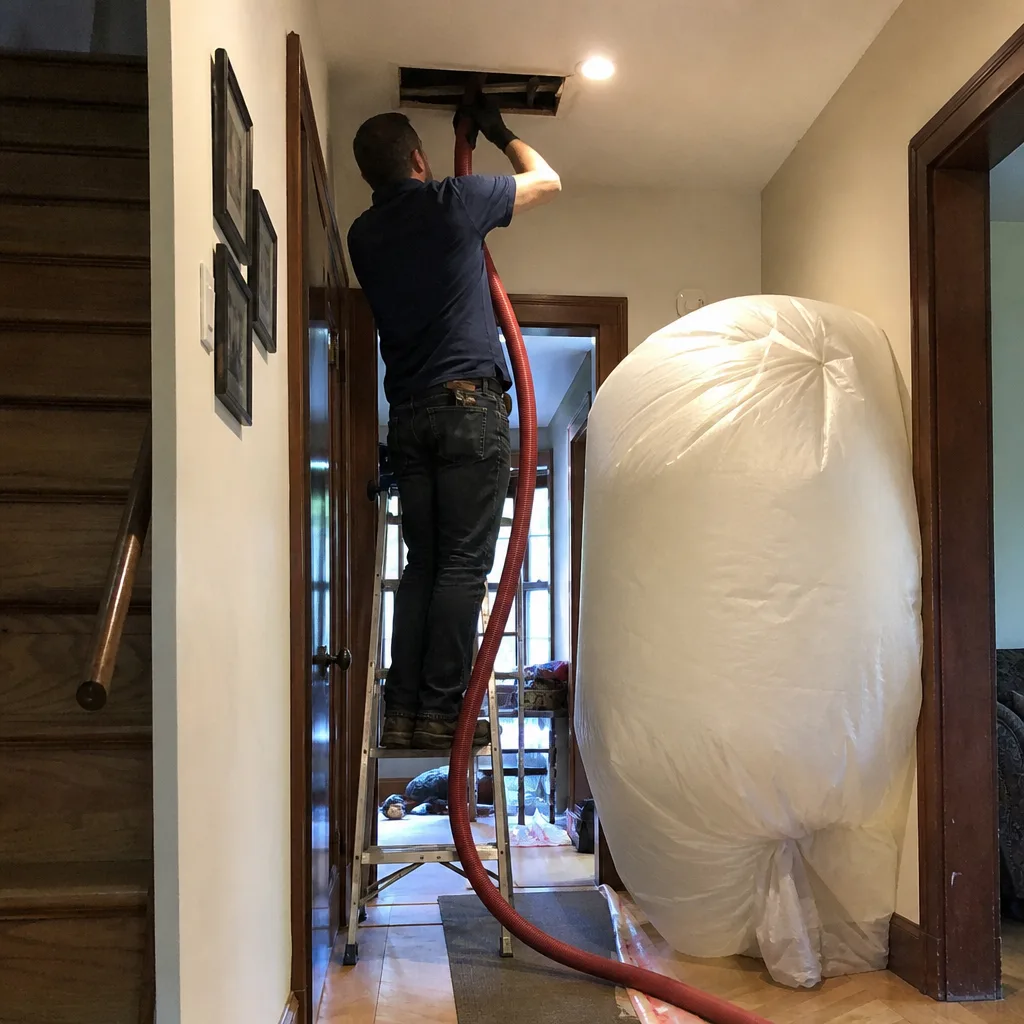
The debris visible at a register throat - the short section of duct interior you can see by removing the register face - is often the only contamination a homeowner can inspect directly. Learning to read what you see there prevents two common errors: calling for unnecessary cleaning when the debris is benign, and dismissing a real problem because “it just looks like dust.”
Household dust appears as a uniform, light gray to tan coating, loosely adhered to the duct surface. It accumulates slowly and evenly. In Chicago’s heating-dominant climate, this is the most common debris type and typically indicates normal operation that may or may not require cleaning depending on depth and homeowner sensitivity.
Rodent debris has a distinct signature we’ve documented in hundreds of Chicago homes, particularly in older neighborhoods with mature tree canopy and established rat populations: Lincoln Park, Ravenswood, and parts of the West Side. Look for:
- Seeds, pet food kibble, or insulation fragments mixed with droppings - rodent caches are deliberate food storage, not random accumulation.
- Droppings themselves: dark brown to black, cylindrical, 1/4 to 3/8 inch long, with pointed ends. Fresh droppings are soft; old droppings are hard and may crumble to dust.
- Urine staining: visible as crystalline white deposits (uric acid) on metal duct surfaces, or as dark stains on flex duct liner that don’t match the surrounding discoloration pattern.
Rodent debris requires more than cleaning; it requires sanitizing and often duct repair to seal entry points. The H.A.V.E.N. Standard requires full PPE and HEPA containment for rodent-contaminated jobs. We do not recommend DIY removal - disturbed rodent debris can aerosolize hantavirus and other pathogens.
Construction drywall dust - the calcite-white fine powder discussed in the post-renovation section below - appears as a bright white, chalky coating that does not wipe away cleanly. It clings electrostatically to duct surfaces and resettles immediately after disturbance. Household dust wipes away with a damp cloth; construction dust smears and requires mechanical agitation to remove.
Biological growth appears as patchy, dimensional growth - fuzz, filaments, or raised spots - not as a flat stain. Colors range from white to green to black. The texture is the key identifier: if you can see individual structures with your phone camera zoomed in, it’s biological. Flat dark staining is typically oxidation or soot; raised, textured growth is microbial. In Chicago’s humid summer climate, we see this most often in homes with oversized AC systems that short-cycle, preventing adequate moisture removal.
Oxidized metal flakes from galvanized steel ductwork appear as dark, glittering particles that reflect light. They’re common in Chicago homes built 1940-1970 with original galvanized duct. The flakes themselves are not a health hazard, but they indicate duct deterioration that may eventually lead to leaks or structural failure.
When you photograph debris for documentation, include a reference object for scale - a quarter placed at the register edge, or the tip of a pen in the frame. This allows meaningful comparison if you check again months later.
The Post-Renovation Red Flag: Chicago’s Gut-Rehab Contamination Pattern
Chicago’s housing market has produced a specific contamination profile that no other major city matches at this scale: widespread drywall dust infiltration into active duct systems during gut rehabs and condo conversions. In neighborhoods like Logan Square, Pilsen, and the West Loop, where 1920s commercial buildings and vintage apartment blocks have been converted to condos between 2015 and 2025, we’ve documented this pattern in roughly 30 percent of our jobs.
The mechanism is straightforward and preventable, but rarely prevented. Drywall installation and sanding generates massive quantities of calcite dust (calcium sulfate dihydrate, the primary component of drywall compound). In a typical gut rehab, the HVAC system is either left operational for worker comfort or powered on prematurely before final cleaning. The return ducts, operating under negative pressure, pull this fine powder through the building. Because calcite particles are sub-micron in size, they pass through standard construction filters and even many residential pleated filters, depositing throughout the duct system.
The warning sign is specific and unmistakable once you know to look for it: bright white, chalky powder visible at return registers, particularly on the upstream side of the filter grille where suction is strongest. Unlike household dust, which is gray or tan, this powder is distinctly white. It does not compress or clump when pinched. It resettles immediately after wiping. And critically, it appears after renovation work is complete - homeowners often notice it weeks or months after moving in, when the construction crew is long gone.
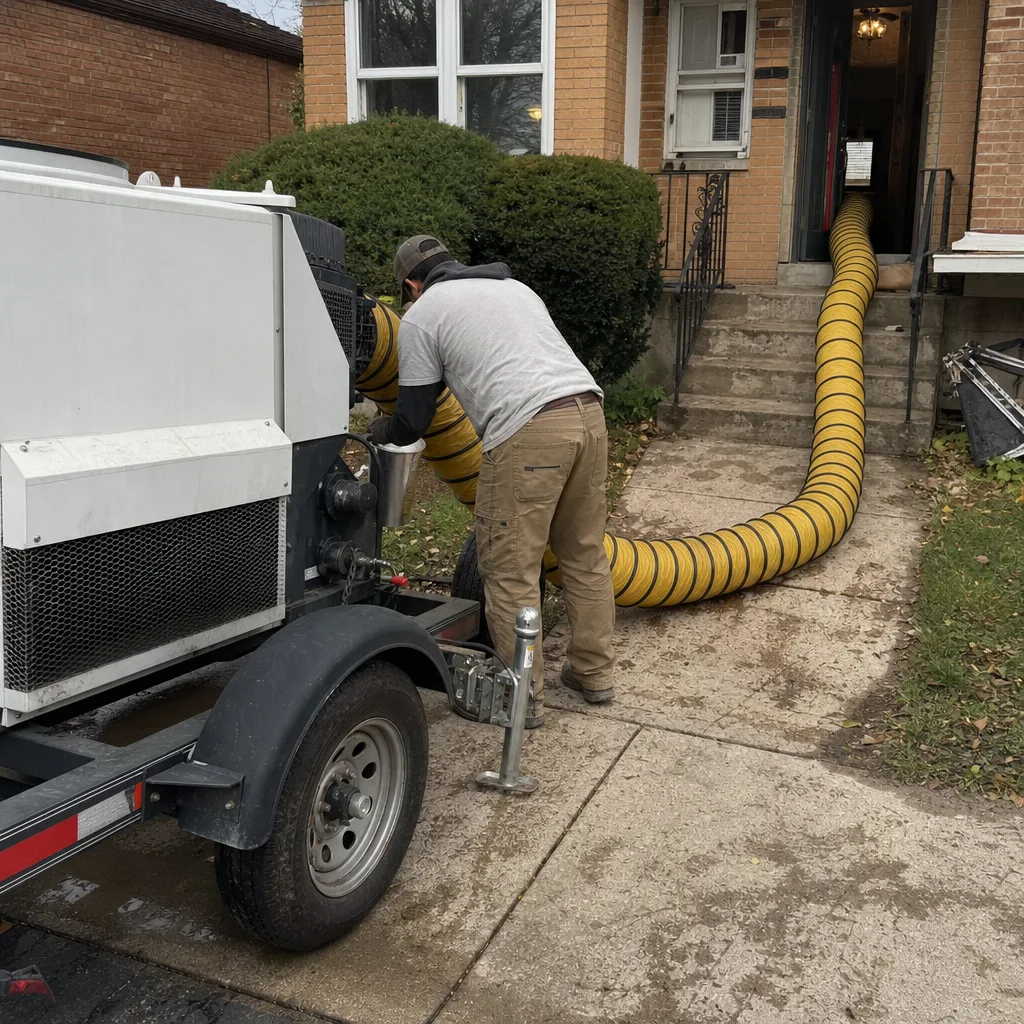
We’ve photographed this contamination in duct runs where the powder layer measured 3/8 inch deep at the return plenum, gradually tapering through the trunk line to a light coating at distant supplies. No amount of filter changes removes deposited calcite; the particles adhere electrostatically to metal and flex duct surfaces and require rotary brush agitation with negative-pressure extraction to dislodge. Our equipment roster includes Rotobrush and Nikro systems specifically configured for this heavy-debris profile, with multi-stage filtration to prevent recontamination of the home during cleaning.
If your home was built, renovated, or converted between 2015 and 2025, and you observe white powder at returns, this is not normal dust accumulation. Document it photographically and request a scope that specifically addresses construction contamination. Standard “maintenance” cleaning will not remove calcite deposits; the mechanical agitation requirement is higher, and the photo record should show white duct interiors before and uniformly gray metal after, not merely lighter dust coating.
Furnace Startup Smells: Normal Burn-Off vs. Documented Problem
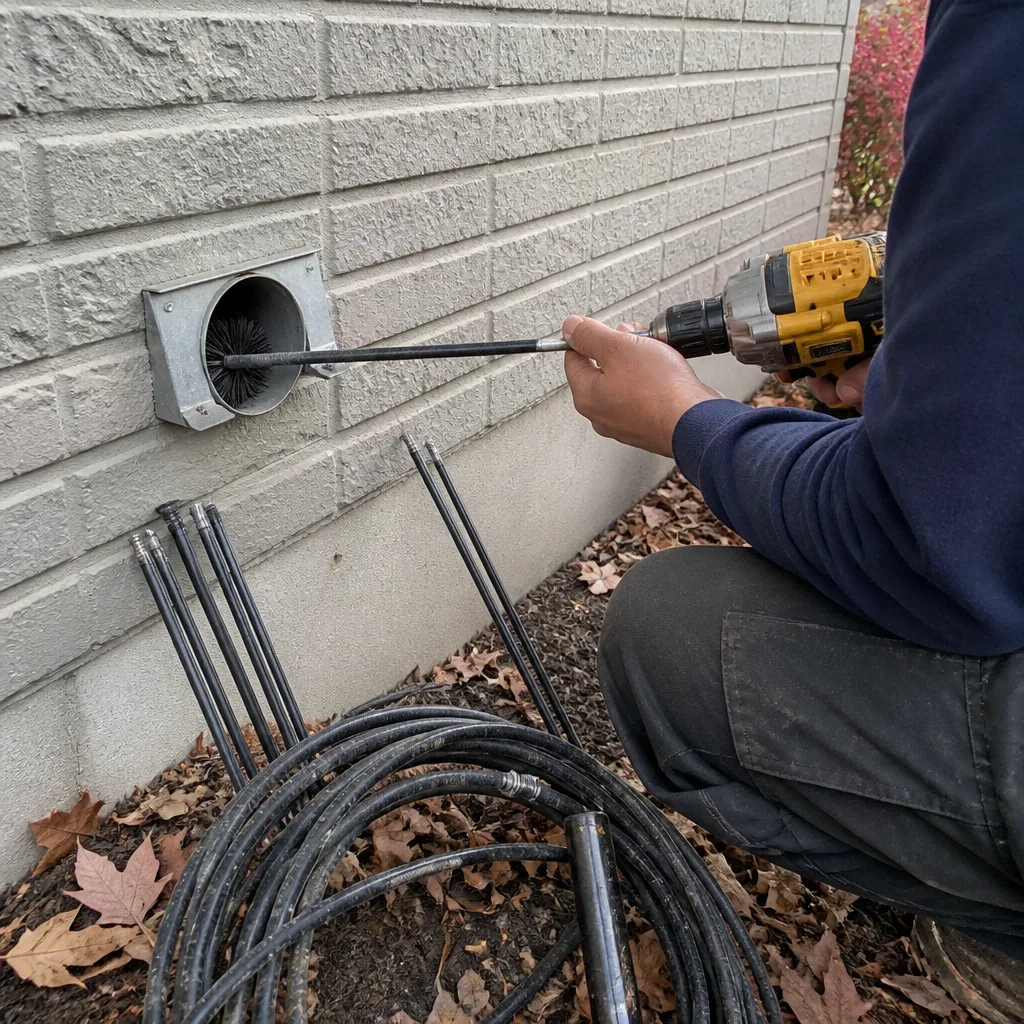
The annual first-startup smell is so expected in Chicago that many homeowners don’t recognize when it crosses from normal to problematic. Here’s the distinction our technicians document on every fall inspection.
Normal burn-off is dry, sharp, and brief. It occurs only during the first 1-3 heating cycles of the season. The smell does not travel beyond the room containing the return register closest to the furnace. It does not trigger coughing or throat irritation in healthy adults. And it is not accompanied by visible smoke or haze from registers.
Documented problems that masquerade as normal burn-off include:
- Delayed ignition or rollout: A rumbling or banging sound accompanies the smell, and the odor is acrid or oily rather than dry and dusty. This indicates fuel not igniting properly at burner startup, with accumulated gas igniting in a small explosion. The heat exchanger may be cracked or the burner orifices clogged. This is a combustion safety hazard requiring immediate shutdown and professional inspection. Do not operate the furnace until cleared.
- Debris accumulation on the heat exchanger: The smell persists beyond 24 hours of regular use and may worsen as the system runs. In our photo records, this correlates with return ducts that have not been cleaned in 10+ years and have accumulated significant debris that migrates to the heat exchanger surface. The debris chars rather than burns off completely, creating a persistent source of odor and potentially restricting combustion airflow.
- Foreign object in the plenum: A localized, intense smell that may include plastic or chemical notes. We’ve retrieved construction debris, forgotten tools, and in one Lincoln Park job, a deceased bird that entered through a deteriorated vent cap. These objects require physical removal; cleaning alone will not resolve the odor.
To document furnace startup smells for professional evaluation: note the exact date of first startup, number of cycles before the smell faded (if it faded), which registers produced the strongest odor, and any accompanying sounds. This information allows the technician to distinguish between normal burn-off and conditions requiring combustion analysis or physical inspection.
Common Mistakes to Avoid
- Assuming “just change the filter” resolves register staining. Gray filtration-soil rings and dark streaking are structural or duct-interior problems; a new filter will not remove existing deposits or seal register gaps. In Chicago’s older housing stock, original register boots often lack gaskets entirely.
- Treating all odors as cleaning issues. Chemical smells from degraded duct liner require material replacement, not extraction. Cleaning VOC-contaminated liner can temporarily intensify off-gassing by exposing fresh surface area.
- Scheduling cleaning immediately after renovation without inspection. If calcite dust is the primary contaminant, standard maintenance cleaning is underscoped. The job requires heavy-debris equipment and extended agitation time; an inspection with photo documentation should precede any quote.
- Ignoring airflow asymmetry as “just how the house is.” Chronic temperature imbalance often indicates partial blockage that worsens over time, increasing system runtime and energy cost. The tissue test takes five minutes and provides actionable data.
- Attempting DIY debris removal from duct interiors. Register surfaces and the visible throat can be wiped safely. Beyond that first visible foot, duct runs contain sharp edges, electrical components in some configurations, and in older Chicago homes, asbestos-containing duct tape or insulation that requires professional abatement. Disturbing these materials without containment creates exposure risk.
- Accepting “trust me, it’s dirty” without documentation. Every legitimate duct cleaning provider should offer photographic evidence of contamination before quoting work. CleanRun’s documented photo record is standard on every job; if a competitor cannot or will not show you what they found, the scope is unverifiable.
- Waiting for “visible dust” as the trigger. By the time dust is visible at registers, contamination is typically advanced. The earlier warning signs - staining patterns, odors, airflow changes - allow intervention before debris affects system efficiency or indoor air quality.
When to Call a Professional
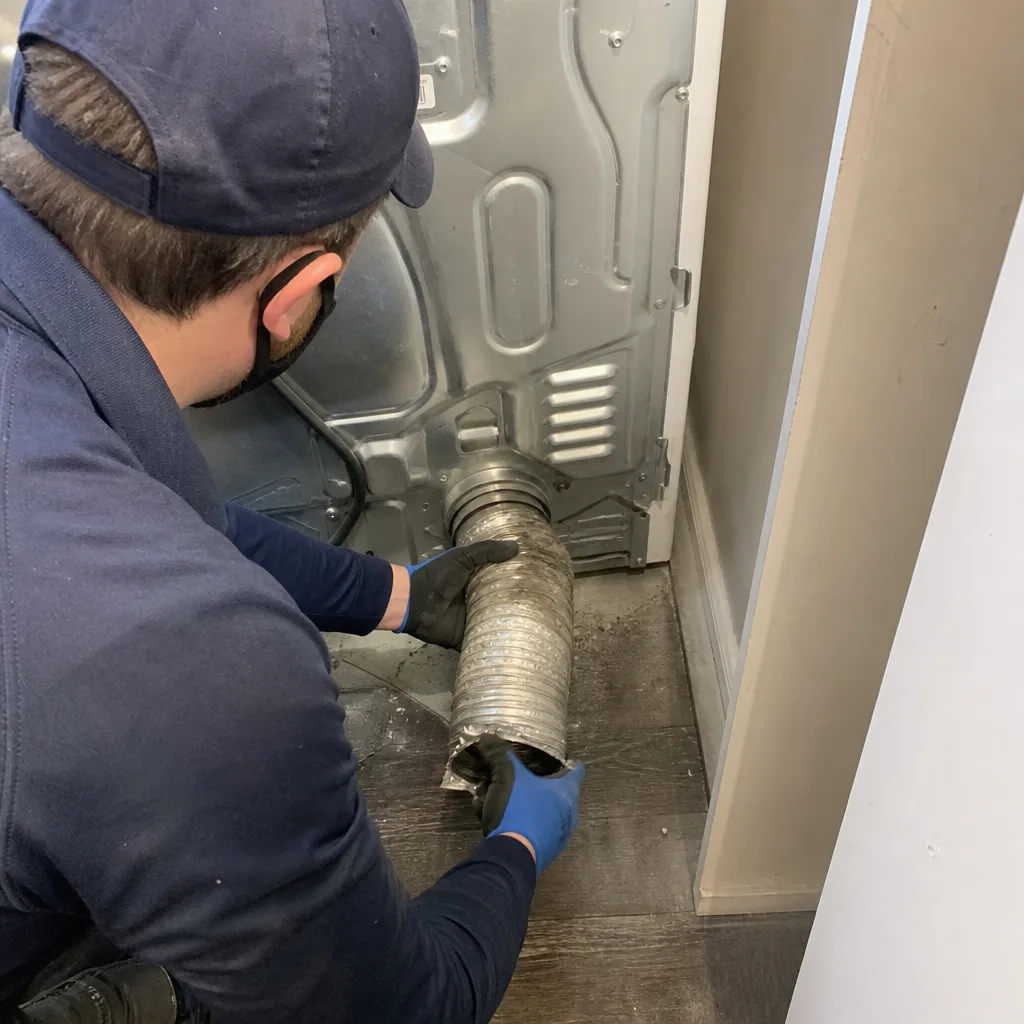
Call for Air Duct Cleaning services when you observe any of the following: register staining patterns that match the descriptions above, odors that persist beyond normal burn-off or localize to specific zones, tissue-test airflow asymmetry exceeding 50 percent between rooms, visible debris that you cannot confidently identify as household dust, or any white powder at returns following renovation work. In Chicago’s climate, we also recommend inspection before first heating season in any home with unknown maintenance history - the combination of deferred cleaning and combustion startup creates conditions we’ve documented as fire hazards.
CleanRun Air Duct Cleaning Chicago offers free estimates with written pricing before any work begins. Our technicians arrive in uniform, identified by name under Haven Standard Clause 3: Verified Crews, and every job concludes with a documented photo record of every duct run. Call (708) 683-3974 to schedule. CleanRun Air Duct Cleaning Chicago home for service details.
Frequently Asked Questions
Whole-system air duct cleaning in Chicago typically ranges from $450 to $850 for a single-family home, depending on system size, accessibility, and contamination level. Condo and townhome systems with limited access panels or vertical duct chases may run higher due to additional labor. CleanRun provides a written price before any work starts under Haven Standard Clause 1; the price you approve is the price you pay. Call (708) 683-3974 for an exact quote - estimates are free.
The $79 to $149 coupon offers that circulate in Chicago typically cover a brief vacuuming of register surfaces and perhaps the first few feet of ductwork, not a complete system cleaning. The full job, performed with negative-pressure extraction and rotary brush agitation through every duct run, requires 3 to 5 hours for a typical home and professional-grade equipment. When a low initial quote arrives, the common pattern is upselling once the technician is on site. CleanRun’s written price covers the complete scope with no per-vent add-ons.
Request a documented photo record showing the interior of every duct run before and after cleaning. CleanRun includes this as a standard deliverable on every job, a practice we’ve held since 2013. The photos should show register labels or room identifiers, timestamp or job documentation, and clear visual difference between pre-cleaning contamination and post-cleaning duct surface. If a provider cannot produce this, the work is unverifiable.
For typical Chicago homes without special risk factors, every 5 to 7 years is sufficient for maintenance cleaning. Homes with pets that shed heavily, residents with respiratory sensitivities, or post-renovation contamination may need more frequent service. The better indicator than calendar time is the warning signs described in this guide: when staining patterns, odors, or airflow changes appear, inspection is warranted regardless of elapsed time.
Register surfaces and visible throat areas can be wiped safely with a damp cloth. Beyond that, duct interiors contain hazards that require professional equipment and training: sharp sheet metal edges, potential asbestos-containing materials in pre-1980 homes, electrical components in some configurations, and biological contaminants that require HEPA containment. We do not recommend DIY duct cleaning; see our DIY vs Professional Air Duct Cleaning: The Chicago Homeowner’s Decision Guide for why the risk of injury or contamination spread exceeds any cost savings.
Yes. Chicago’s heating-dominant climate means furnaces run 6 to 7 months annually, pulling air through returns continuously. The city’s industrial history and ongoing construction produce higher ambient particulate than many Midwestern markets. Lake-effect humidity in summer creates condensation conditions favorable to biological growth. And the prevalence of gut rehabs in neighborhoods like Logan Square and Pilsen introduces construction contaminants that standard filtration cannot capture. These factors combine to make proactive inspection more important in Chicago than in climates with milder, shorter heating seasons.
The Bottom Line
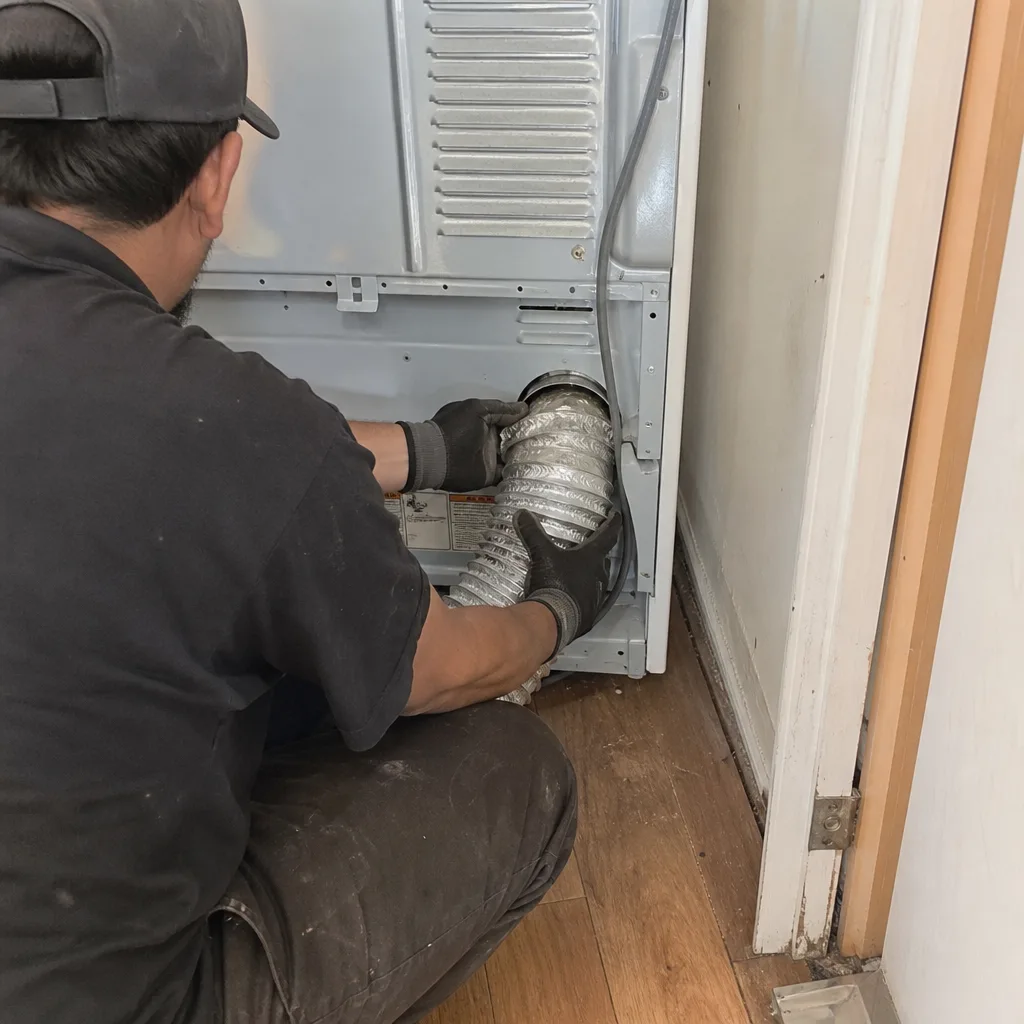
The warning signs that matter in Chicago homes are photographable, locatable, and distinguishable from normal conditions once you know what to look for. Gray filtration rings versus dark supply streaks. Musty zone-localized odor versus chemical AC-intensified smell. Normal brief burn-off versus persistent combustion odor. The tissue test reveals airflow problems that temperature complaints alone cannot. Post-renovation white powder at returns is a specific contamination requiring specific equipment, not maintenance cleaning. Document what you observe with photos and notes, then call a provider who can show you, in writing and in images, what they found and what they did about it.
Written by Tomas Reyes, Owner at CleanRun Air Duct Cleaning Chicago, serving Chicago since 2013. Explore more guides & resources from our team.