
Whole-system duct and dryer vent check with before-and-after photos - you see exactly what came out of your vents
That "$99 whole-house special" is a bait ad - the real number appears once they are in your hallway, or the "clean" is a shop-vac at the register. We photograph the inside of your ducts before and after instead.
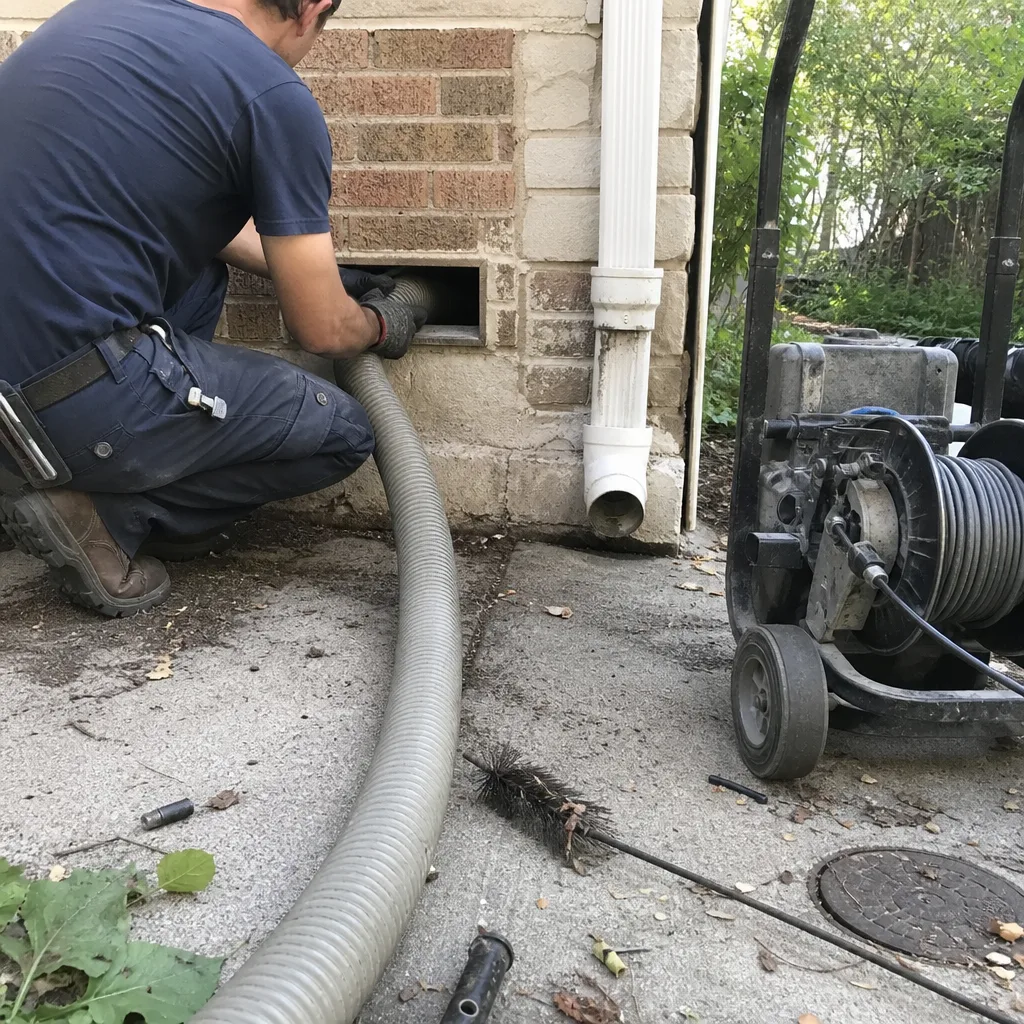 Before
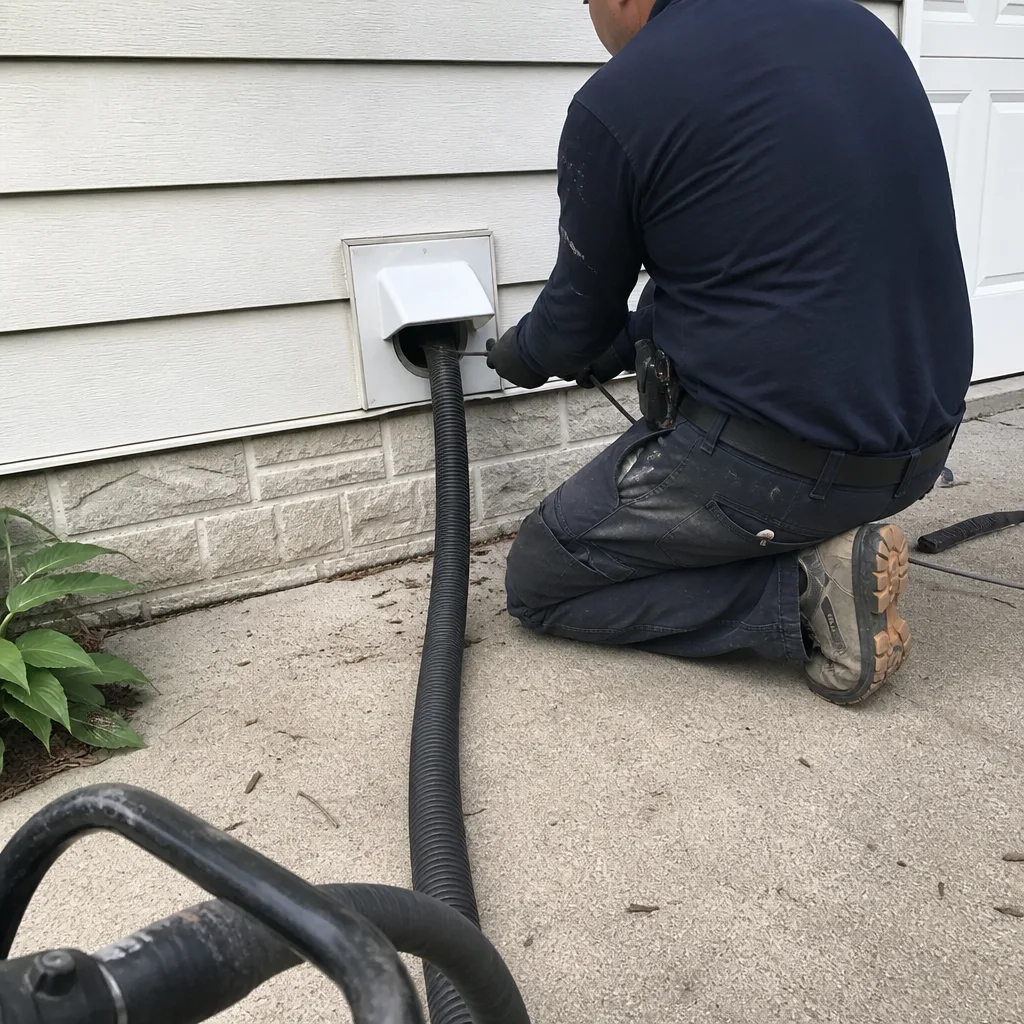 After
After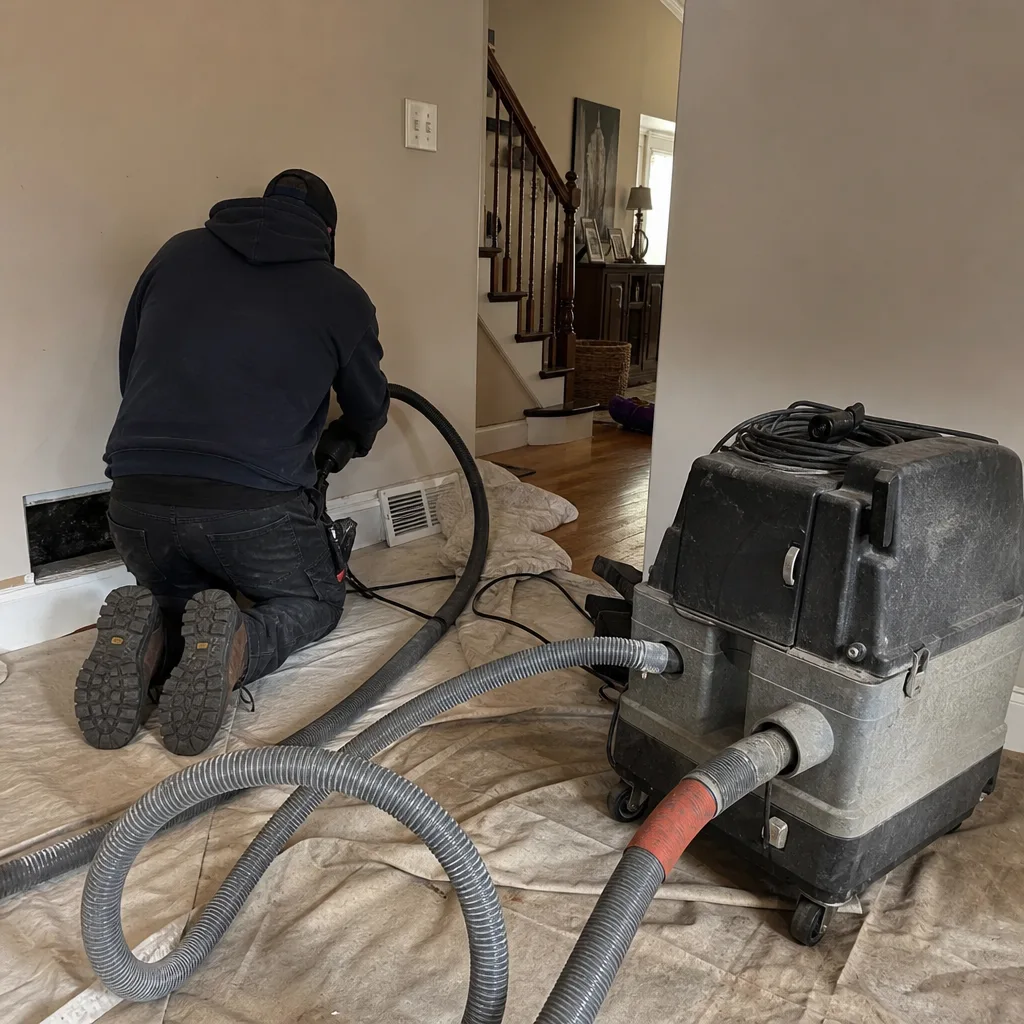 Before
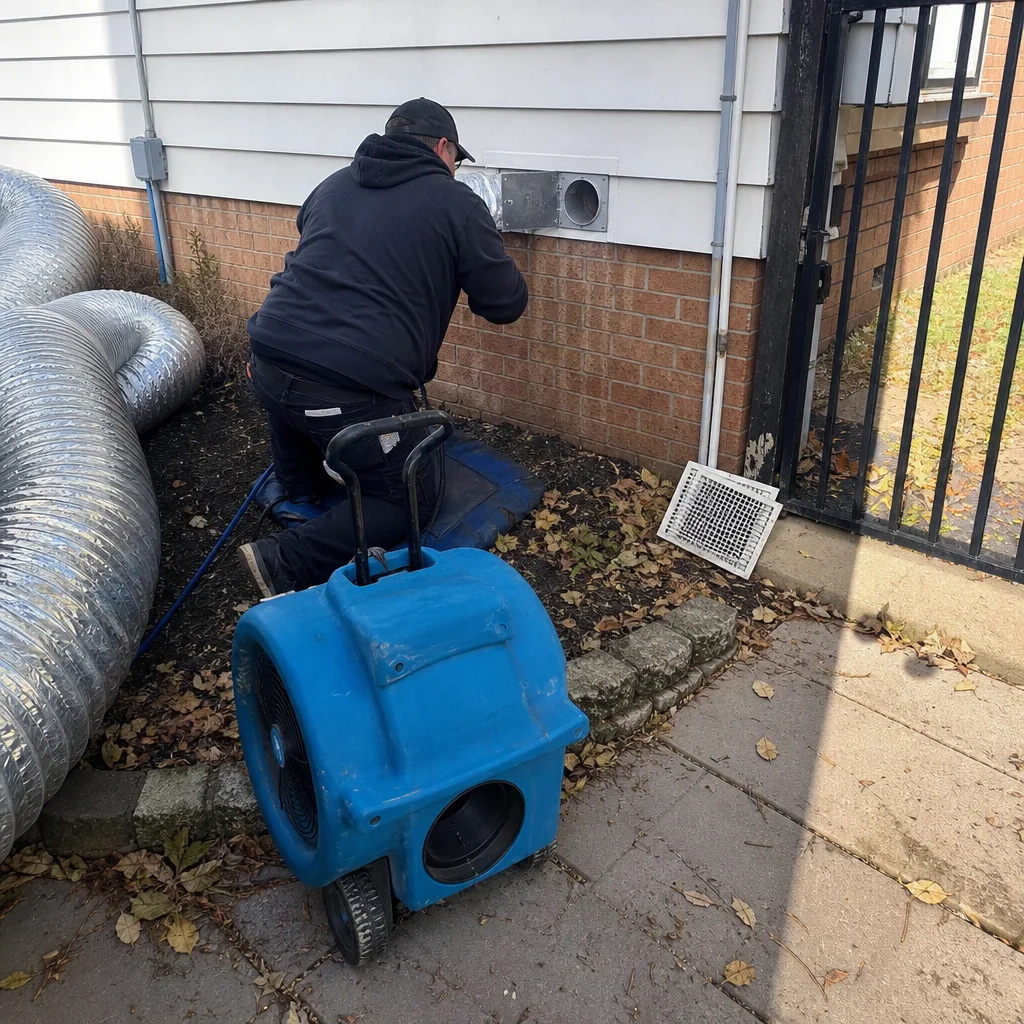 After
After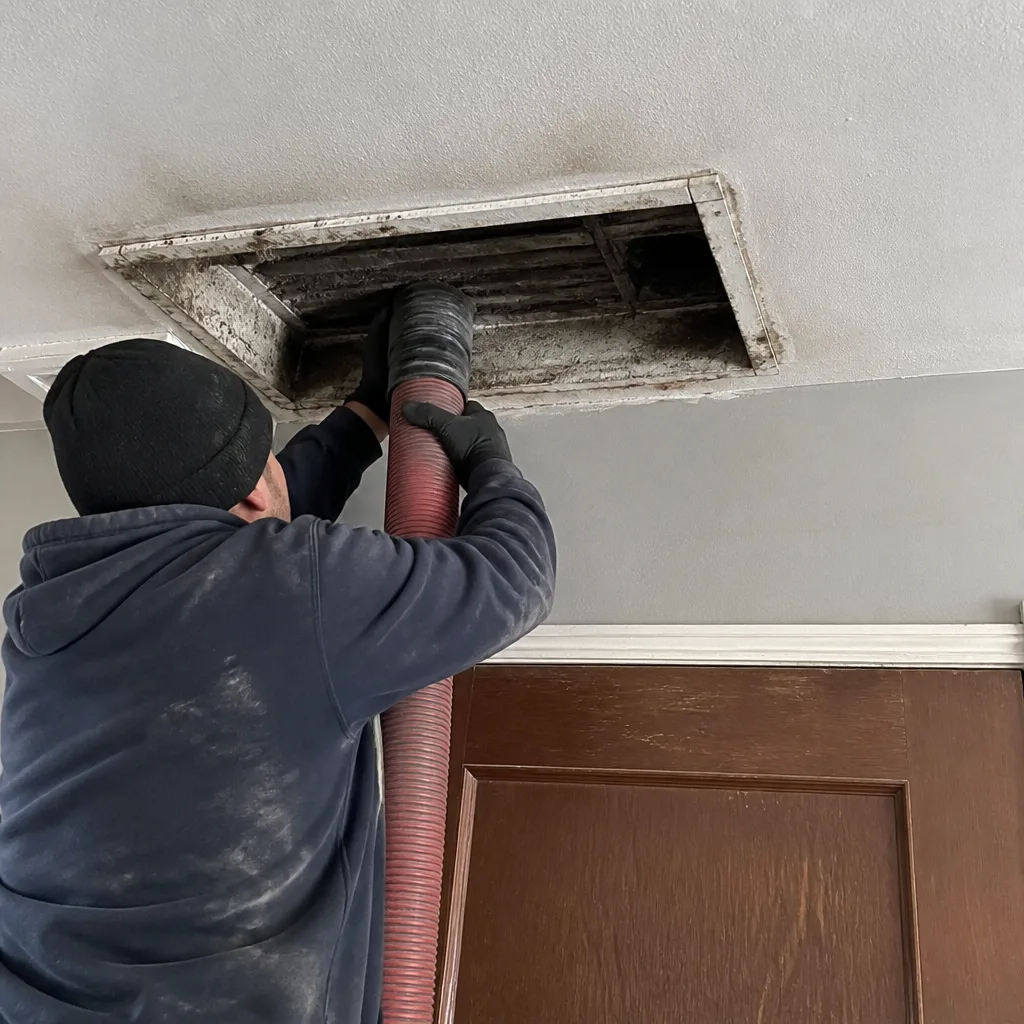 Before
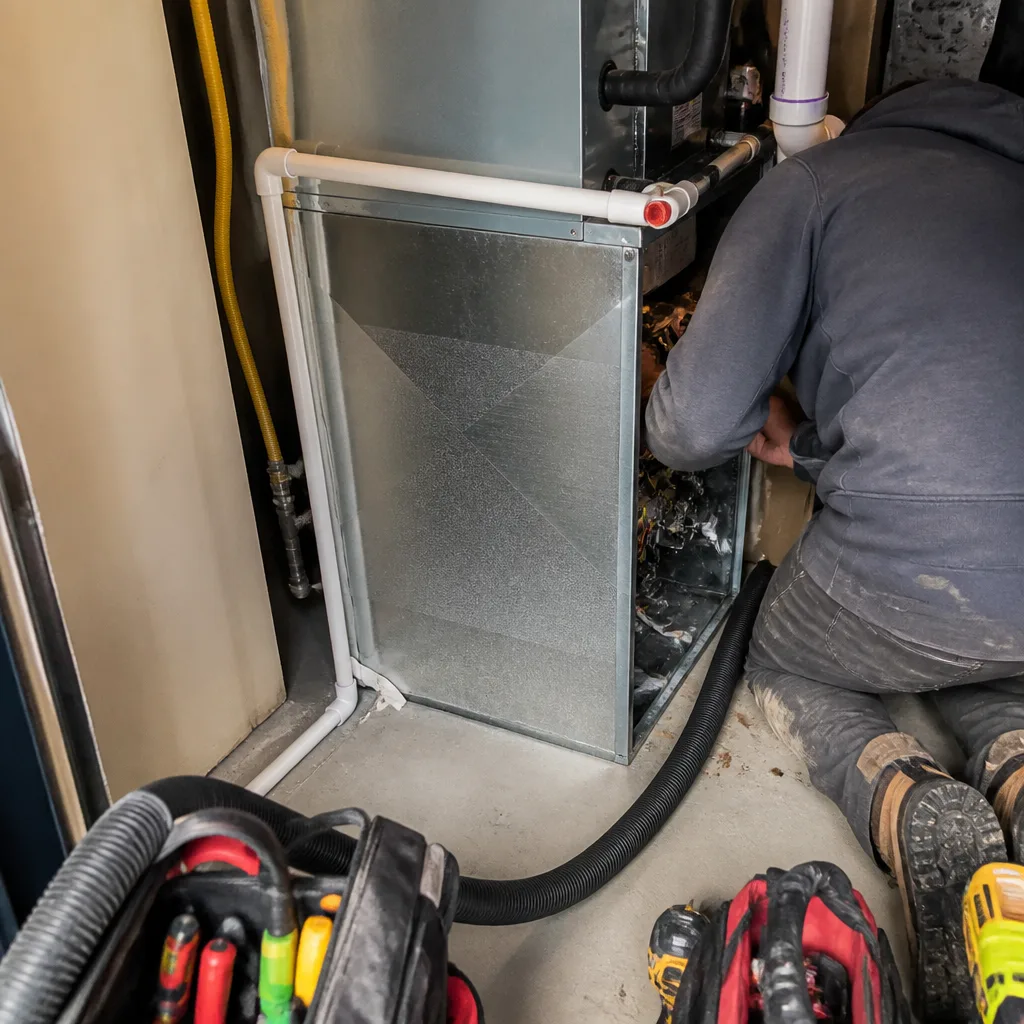 After
AfterVent Cleaning in Chicago, IL
Dryer Vent Cleaning services in Chicago typically run between $99 and $219 for a standard residential vent line, and most jobs are completed the same day. CleanRun photographs the inside of every vent run before and after the work, so you’re not taking anyone’s word for what was removed – you can see it yourself. If you want a written price before any work starts, call (708) 683-3974 and a live person will pick up.
This page covers the vent cleaning portion of our Dryer Vent Cleaning in Chicago service – specifically what happens inside the duct itself: the lint extraction, the inspection of elbows and transitions, the camera documentation, and the written record you receive at the end. If you’ve been quoted a suspiciously low number by another company or told your vent “just needs a quick blow-out,” this is worth reading before you schedule anything.
Tomas Reyes leads every job under the H.A.V.E.N. Standard, which means a background-checked technician arrives in uniform, identified by name before they knock. The written price lands in your hands before a single panel comes off.
When You Need Vent Cleaning
Dryer vents in Chicago get compromised faster than most homeowners expect. Older two-flats in Logan Square and Pilsen often have vent lines routed through interior walls with two or three 90-degree elbows – each one a lint trap. Newer construction in the South Loop and West Loop tends to have longer horizontal runs through concrete floors that can go years without anyone looking at them. Here’s what warrants a cleaning, regardless of where you live in the city:
- Drying times have crept up over the past few months. A full cotton load that used to finish in 45 minutes now takes 70 or 80. That’s almost always a partial blockage – the airflow path is restricted and the dryer is working harder than it should to push moisture out.
- The exterior wall cap flap barely moves during a cycle. Walk outside while the dryer runs and watch the damper. It should swing open with decent force. If it flutters weakly or barely cracks, the vent line has significant restriction somewhere between the dryer and the exterior.
- There’s a faint burning smell during or after a cycle. Lint is cellulose fiber – it ignites at low temperatures, and partial burns inside a vent line smell faintly like scorched paper. This is one you don’t wait on. According to the U.S. Fire Administration, dryer vent fires account for roughly 2,900 residential fires annually, and a large share trace back to lint accumulation in the duct.
- It’s been more than a year since anyone cleaned the full duct run. Chicago’s humid summers and cold winters create conditions where lint compacts more tightly than in drier climates. We see this consistently on jobs in Bridgeport and Hyde Park where landlords deferred maintenance for multiple lease cycles.
- The dryer is hot to the touch on the exterior cabinet. Excess heat has to go somewhere. If the vent is blocked, it radiates back into the unit and the surrounding space – a mechanical stress problem that shortens appliance life and a fire-risk problem in the same breath.
- You’re moving into a home and don’t know the service history. On pre-2000 construction in neighborhoods like Avondale or Canaryville, original vent material was often made with foil accordion flex duct that collapses on itself over time. We photograph what’s there before quoting any work so you know exactly what you’re dealing with.
Our Vent Cleaning Process
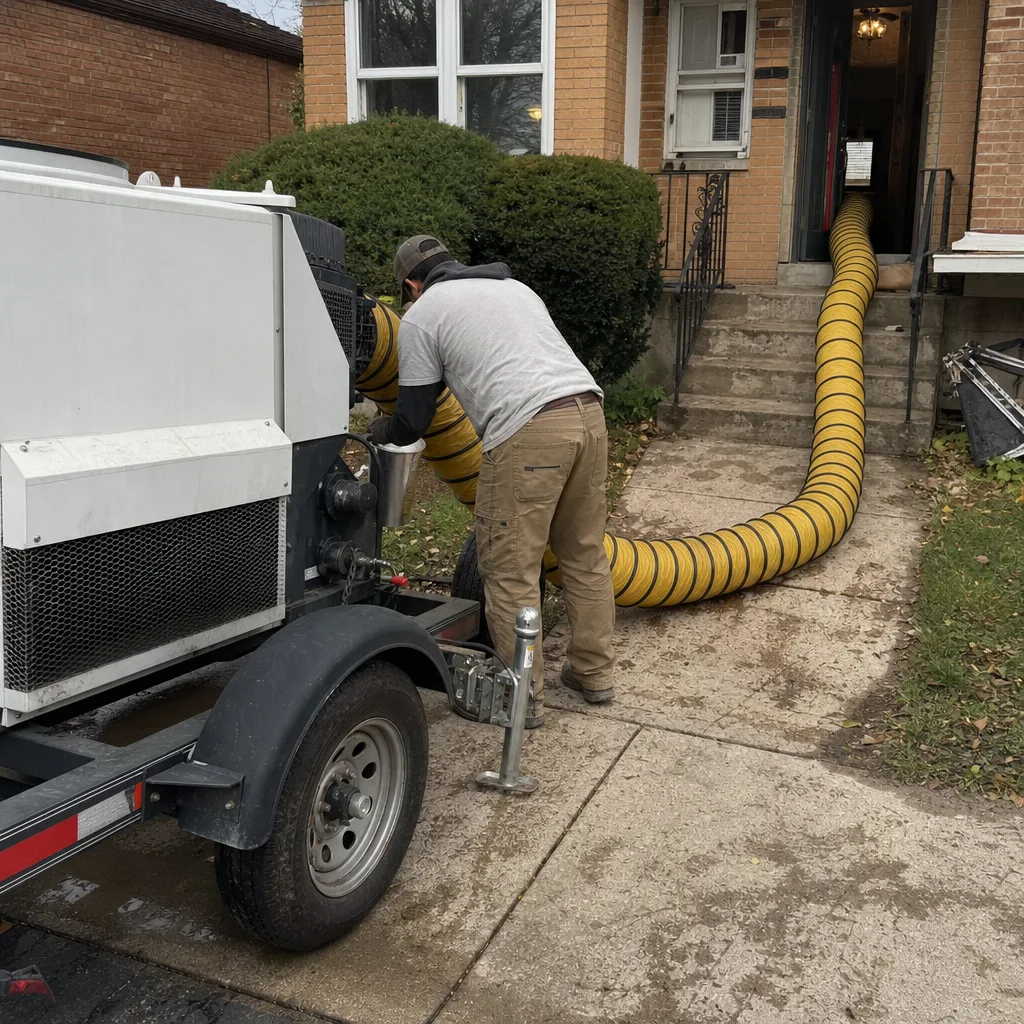
A real vent cleaning is not a shop-vac and a handshake. Here’s the sequence CleanRun follows on every residential dryer vent job in Chicago, from the moment the technician arrives to the photo record you receive on the way out.
- Written scope and price, before the work starts. Haven Standard Clause 1: no work begins without a written price in hand. The technician measures the vent run, counts the elbows, identifies the termination type, and writes a flat price. You approve it or you don’t – there is no pressure either way, and the inspection itself costs nothing.
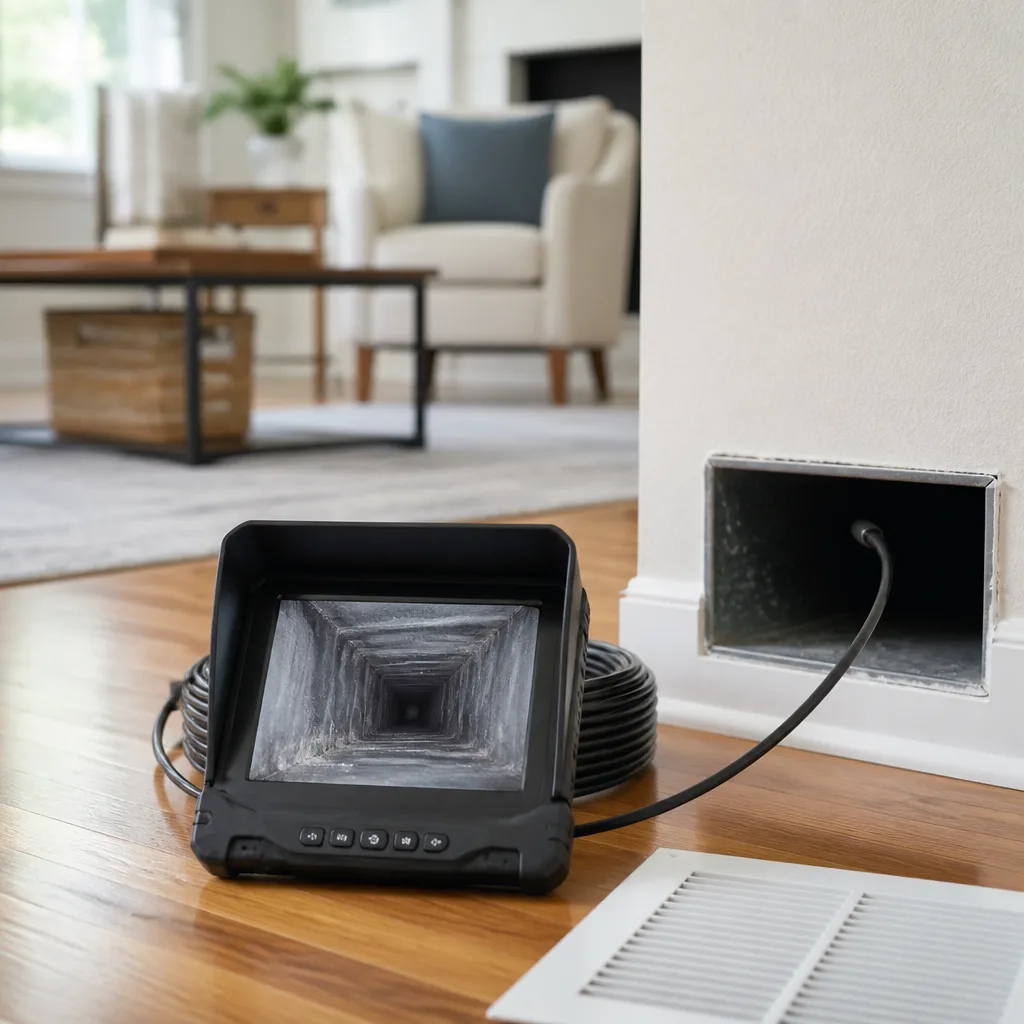
- Pre-work camera inspection and documentation. A flex camera goes into the duct from the dryer connection point before anything is extracted. This is where we find what’s actually there: lint matted against elbows, collapsed flex sections, bird nests at the exterior cap (common in Chicago’s Wicker Park and Andersonville neighborhoods where brick facades create attractive nesting ledges), and moisture damage near the wall termination. Every technician carries a camera on every job – this is not an upsell.
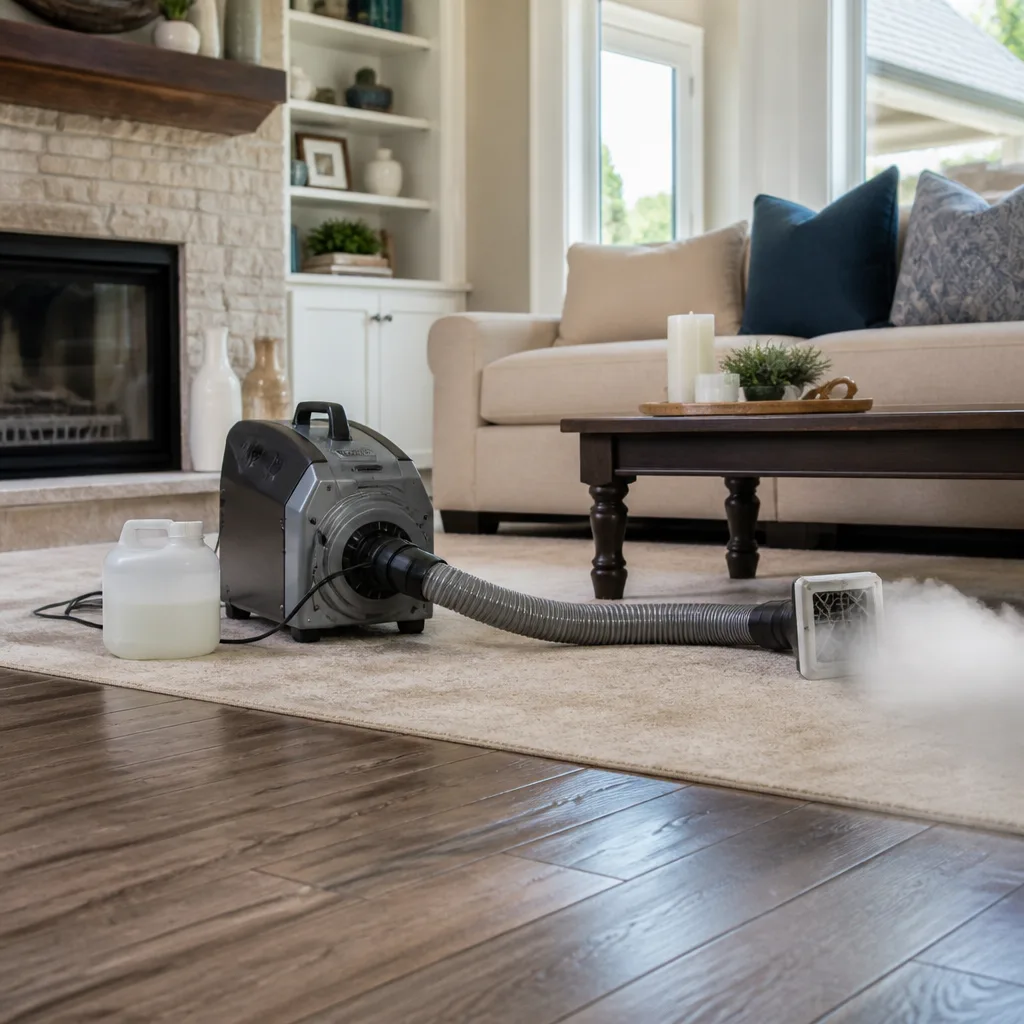
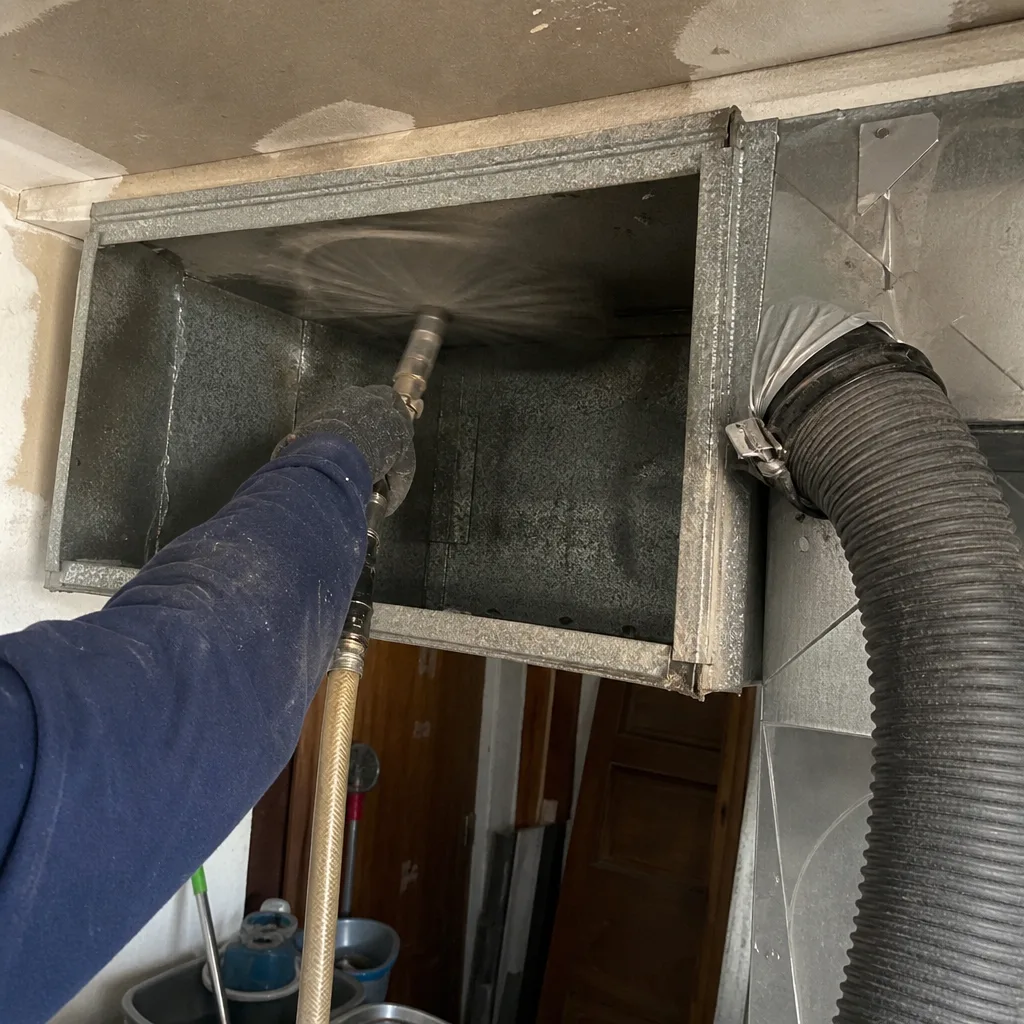
- Negative-pressure extraction with rotary brushing. We set up negative-pressure extraction – a high-velocity vacuum system that pulls air through the duct toward a contained collection point – while a rotary brush works from the dryer end toward the exterior. The Rotobrush system we use on most Chicago residential jobs is designed for this type of work and is recognized across the HVAC trade industry. The combination of mechanical agitation and directed airflow pulls lint out in one direction rather than redistributing it inside the wall cavity.
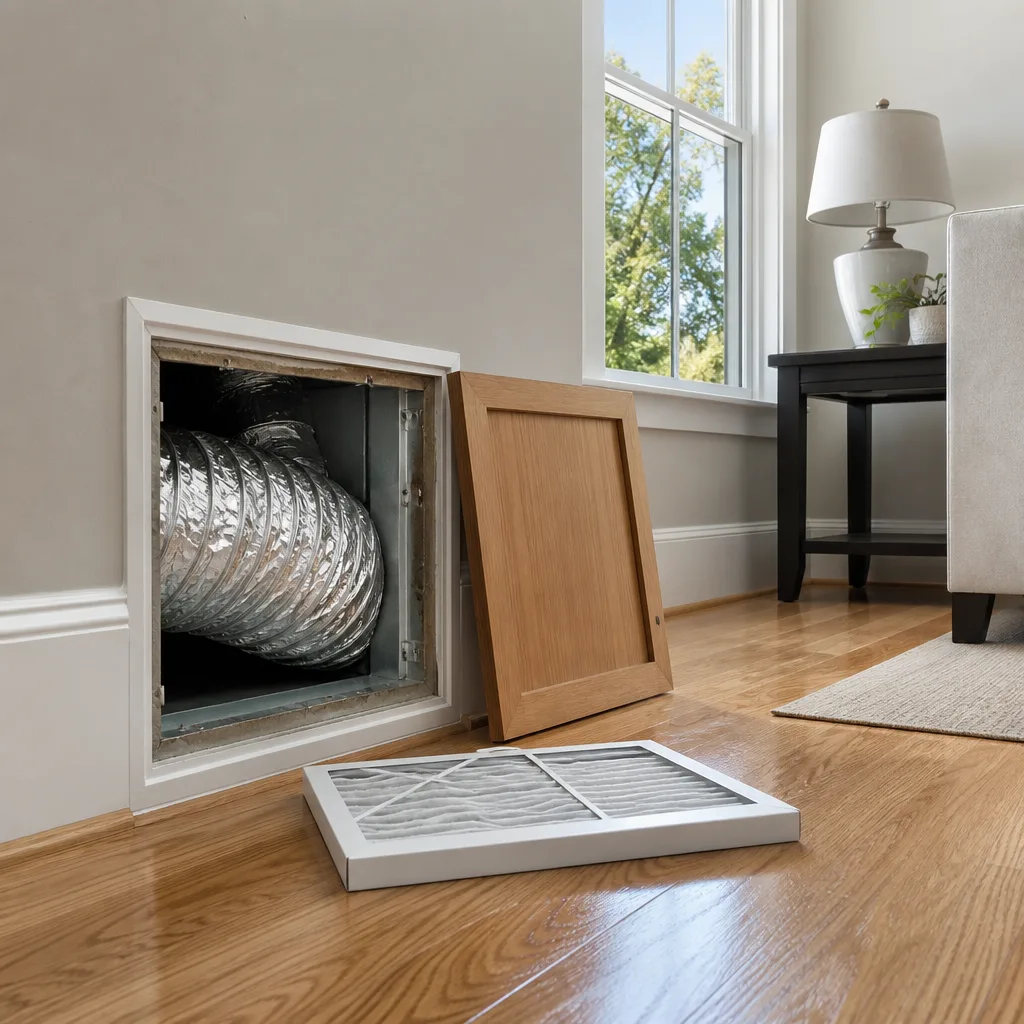
- Elbow and transition inspection. The elbows are where lint accumulates and where the camera finds most of its evidence. After the main extraction pass, the technician inspects each elbow and the transition section between the dryer and the wall entry. If a transition is made from flexible foil duct – the accordion type – it’s flagged in writing because it presents a fire risk and restricts airflow. Replacement is quoted separately; nothing is done without another written approval.
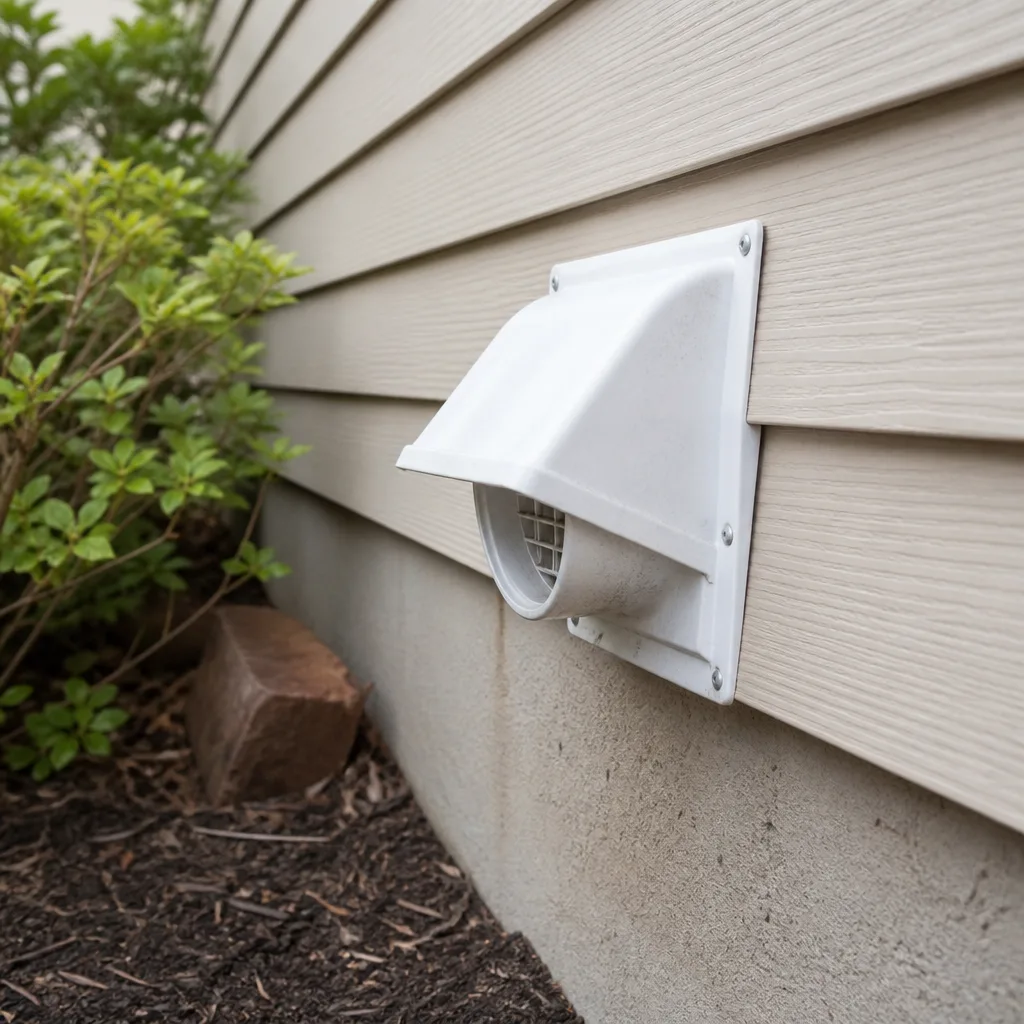
- Exterior cap cleaning and damper test. The exterior cap is cleaned, the damper pivot is checked for free movement, and the technician runs the dryer for a full cycle while standing at the exterior to confirm airflow is restored. The damper should open with clear force. If it doesn’t, there’s still a restriction somewhere – and the job isn’t finished until we find it.
- Post-work camera inspection and photo record delivery. The same camera pass happens again after the cleaning. Before and after photographs of every section of the duct run are compiled into a Documented Photo Record and delivered to you as a standard job deliverable – not something you have to ask for. The 365-Day Done Right Promise is written on the job record. If the work isn’t right, we make it right. That’s not subject to manager approval.
BeforeAfterVent Cleaning Pricing in Chicago
How Much Does Dryer Vent Cleaning Cost? (2026 Price Guide) - Chicago, IL: dryer vent cleaning in Chicago runs between $99 and $219 for most standard residential vent lines. Written price before work starts – always. That’s not a policy with exceptions; it’s Haven Standard Clause 1, and Tomas Reyes has held it on every job since 2013.
| Job Type | Typical Price Range |
|---|---|
| Standard vent line, single-family home (up to 15 ft, 1-2 elbows) | $99 – $139 |
| Extended vent run (15-30 ft, 3+ elbows, common in Chicago two-flats) | $139 – $179 |
| High-rise or condo vertical stack (multi-floor routing, South Loop / Streeterville) | $179 – $219 |
| Bird nest or debris obstruction removal at exterior cap | $45 – $75 added to base price |
| Foil flex transition replacement (dryer to wall entry, per section) | $55 – $95 per section |
What moves a job toward the higher end of any range: vent length, number of elbows, access difficulty, and the condition of the existing duct material. An older Chicago greystone with the dryer in the basement and the vent terminating on the north side of the building will take longer and cost more than a newer Lakeview condo where the laundry closet backs directly to an exterior wall. The camera tells us exactly what we’re working with, and the price reflects that before any work begins.
If you’ve received a written estimate from another company, bring it. CleanRun offers a free second opinion on any written estimate – we put our number next to theirs in writing, so you can compare them on the same page. Call (708) 683-3974 to schedule, and a live person will answer.
FAQs – Vent Cleaning
How often should dryer vents be cleaned in Chicago?
Most Chicago households should have dryer vents cleaned once per year, and twice per year if the vent line has multiple elbows or runs longer than 20 feet. Chicago’s older housing stock – particularly two-flats and greystones built before 1980 – tends to have longer vent paths with more turns than newer construction, which means lint accumulates faster and compacts harder. If your dryer is used more than 5-6 times per week, that cadence shortens further. A basic rule: if you’re noticing longer drying times or reduced heat, don’t wait for the annual mark – call (708) 683-3974 for a written quote before the problem compounds.
What’s actually inside a dryer vent that needs to be removed?
The primary material is lint – cellulose and synthetic fiber shed from clothing that the dryer’s lint trap doesn’t catch. In a typical Chicago home, the camera shows a continuous layer along the bottom of the duct and packed accumulation at each elbow. Beyond lint, we regularly find bird nests at exterior caps on Chicago brick buildings, condensation-related debris near wall terminations (especially on north-facing walls during winter), and in older buildings, residue from deteriorated foil flex duct that has begun to break down. A photo record from every job shows exactly what was present – not a verbal summary, but images of what the camera found before we started and after we finished.
Is vent cleaning different from dryer vent cleaning?
The terms are used interchangeably in most cases. “Dryer vent cleaning” refers to the full scope of work, which includes cleaning the duct run (the vent itself), inspecting and clearing the exterior cap, testing airflow, and documenting the result. “Vent cleaning” as a sub-service typically refers specifically to the duct-interior work: the lint extraction, rotary brushing, and camera inspection of the duct run itself. CleanRun’s standard dryer vent service in Chicago includes all of it – there’s no version where we clean part of the system and leave the rest. You can read more about the full scope on the home page or review what’s included under our standard service.
Can a blocked dryer vent cause a house fire in Chicago?
Yes – and it’s one of the more preventable fire causes in residential buildings. Lint ignites at low temperatures, and a partially blocked vent forces the dryer to run hotter and longer, creating sustained heat inside the duct. The risk is higher in Chicago’s older housing stock where metal duct sections may have gaps at elbow joints that allow heat to reach wall cavities. We recommend against running any dryer with a known airflow restriction until a Dryer Vent Inspection has been completed. If you smell anything like scorched paper during a cycle, stop the dryer and call (708) 683-3974 – a trained technician can tell you within minutes whether the vent is safe to run.
What Sets CleanRun Apart for Vent Cleaning in Chicago
Since 2013, CleanRun has served more than 52,000 homes in the Chicago area – every one with a written price before the work started and a documented photo record when the crew left. That’s not a positioning statement; it’s what the job paperwork reflects on every single visit.
The industry CleanRun operates in has a well-documented $79 coupon problem. A company offers a low headline price, arrives, and then quotes add-ons once they’re inside. It’s common enough that Chicago homeowners in Lincoln Park and Bucktown have started calling us specifically because they’ve been through it once before and won’t go through it again. The answer to that problem isn’t a better sales pitch – it’s a written price before work starts, a camera that shows what’s actually there, and a 365-Day Done Right Promise that’s written on the job record, not buried in marketing copy.
Every technician is background-checked and uniformed, identified by name before they arrive – Haven Standard Clause 3. Equipment used on Chicago jobs includes Rotobrush rotary brush systems and Nikro negative-pressure extraction units, both of which are trade-recognized tools that you can look up independently before agreeing to a price. We don’t ask you to take our word for what’s being used or what it can do.
If you want the photo record from a previous job, it exists and can be produced. If you want to see the written warranty, it’s on the job document, not in the fine print of a website. That’s the model – documented evidence, not assurance.
Key Takeaways
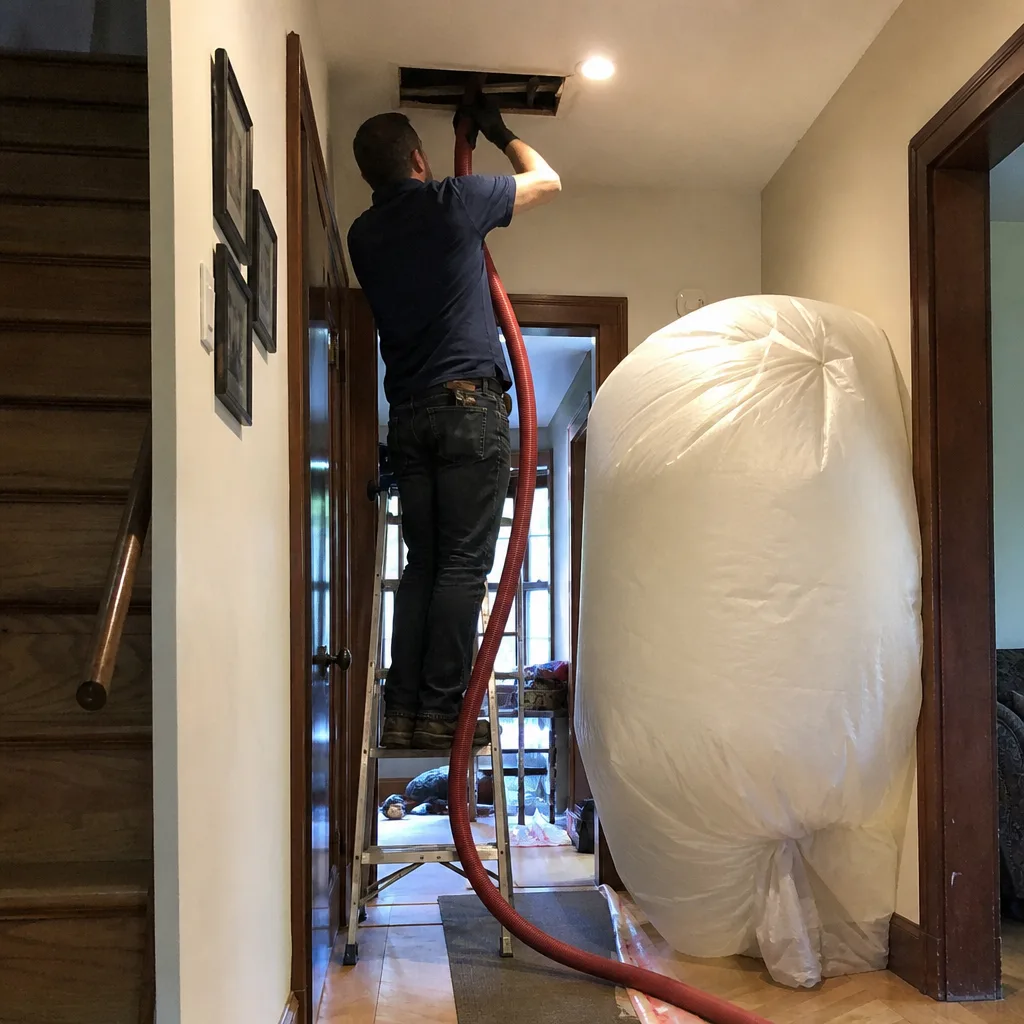
- Dryer vent cleaning in Chicago costs $99-$219 for most homes; the written price arrives before any work begins.
- CleanRun photographs the inside of every duct run before and after – the photo record is a standard deliverable, not an add-on.
- Chicago’s housing stock – two-flats, greystones, high-rise condos – creates vent configurations that require more thorough cleaning than a simple blow-out. The camera documents exactly what’s there.
- The 365-Day Done Right Promise is written on every job record. If it’s not right, CleanRun makes it right.
- A blocked dryer vent is a fire risk – if you’re noticing longer drying times, reduced heat, or a faint burning smell, schedule an inspection before running another cycle.
- Free second opinion available on any written estimate from another company – call (708) 683-3974 and a live person will answer.
To get a written price for dryer vent cleaning at your Chicago address, call (708) 683-3974. A live person answers every call – no voicemail, no callback queue. The written estimate is free, it arrives before any work starts, and there’s no obligation to book.
Written by Tomas Reyes, Owner at CleanRun Air Duct Cleaning Chicago, serving Chicago.