
Whole-system duct and dryer vent check with before-and-after photos - you see exactly what came out of your vents
That "$99 whole-house special" is a bait ad - the real number appears once they are in your hallway, or the "clean" is a shop-vac at the register. We photograph the inside of your ducts before and after instead.
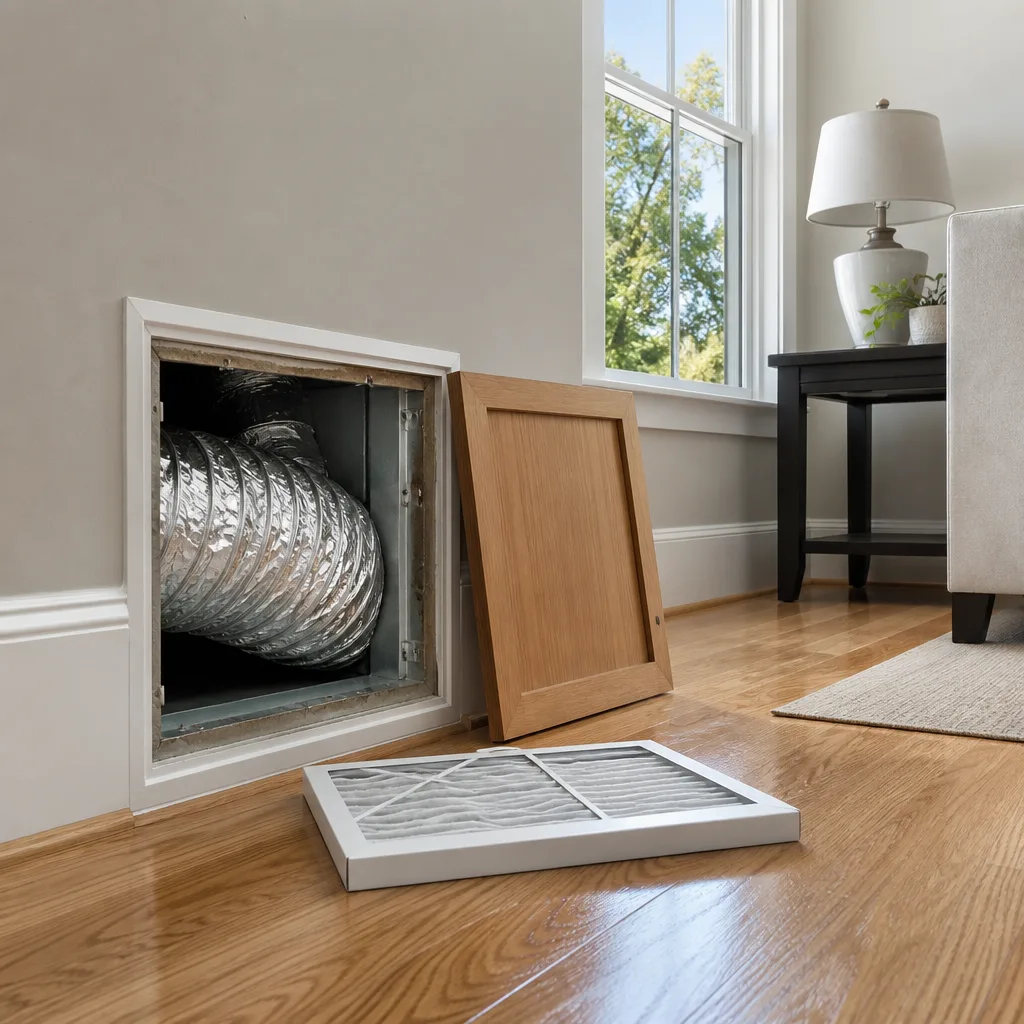
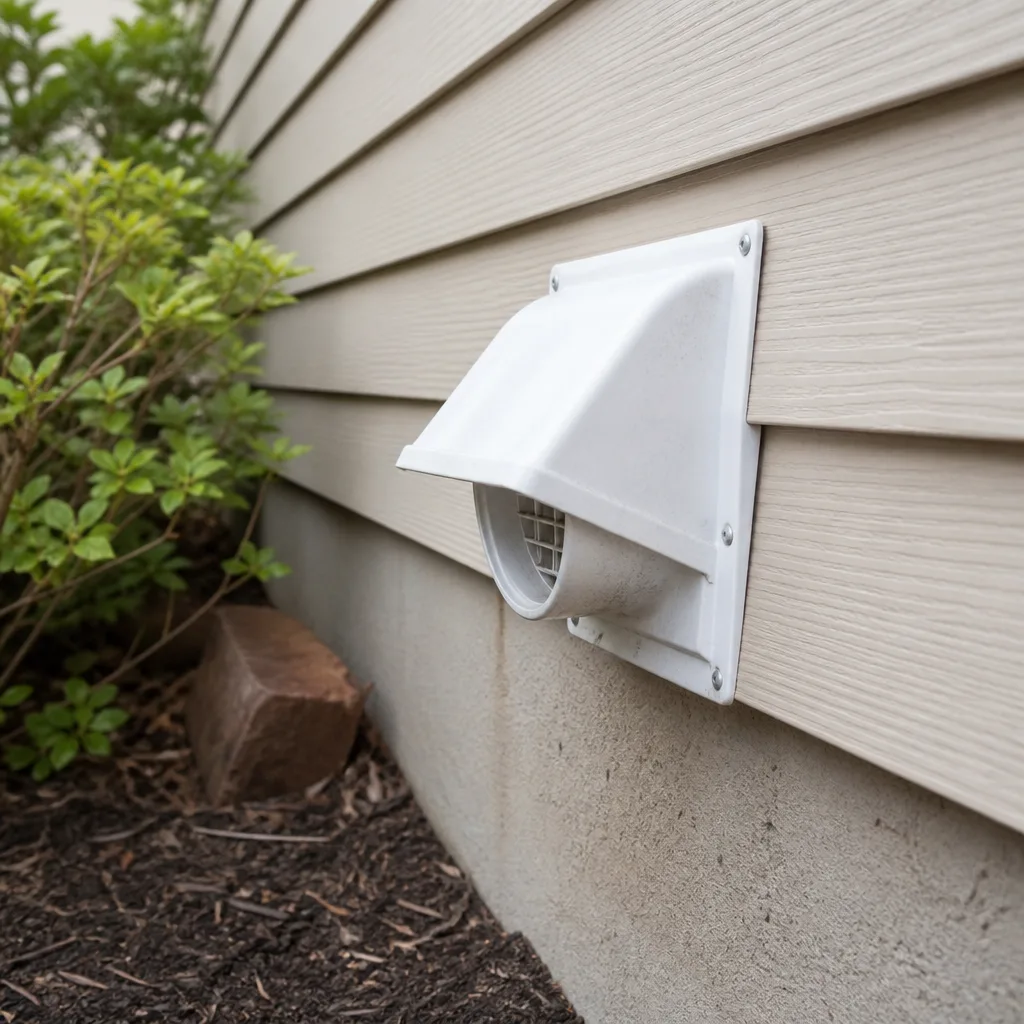
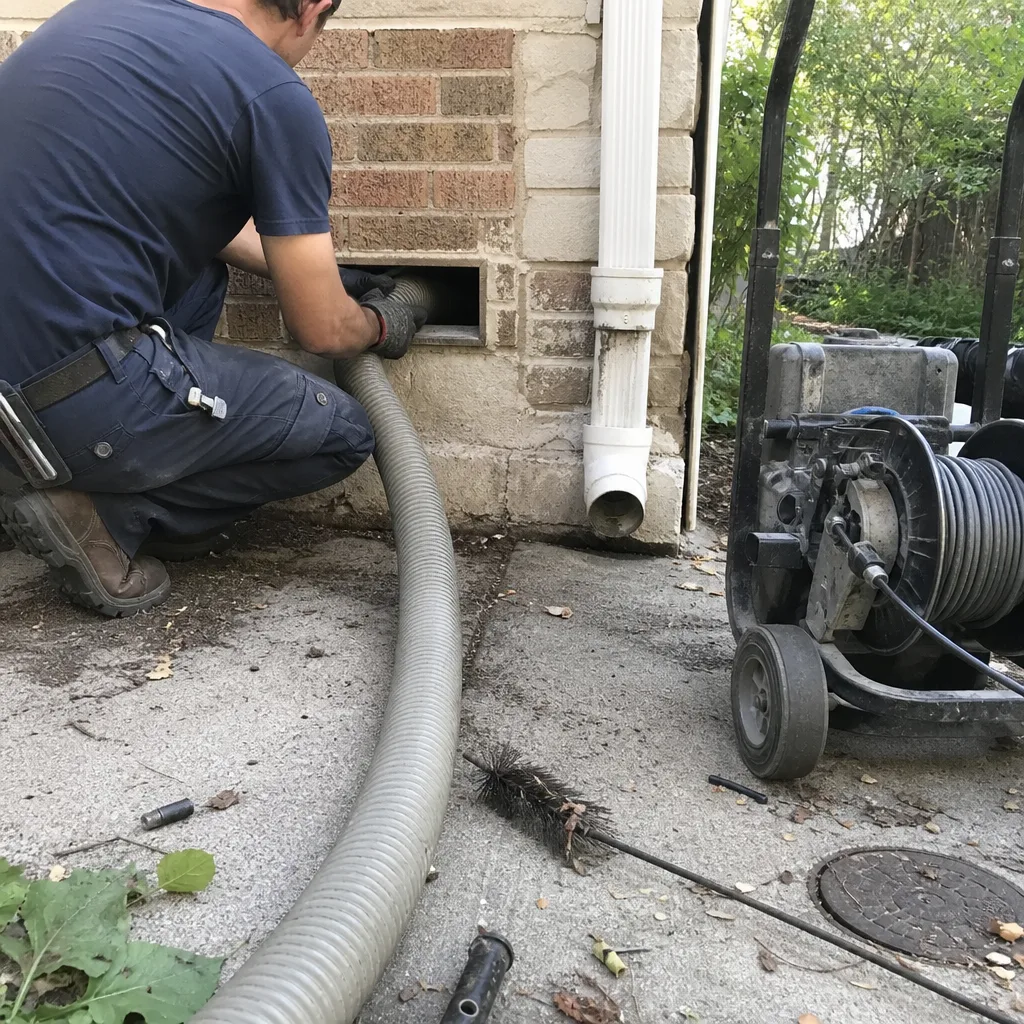 Before
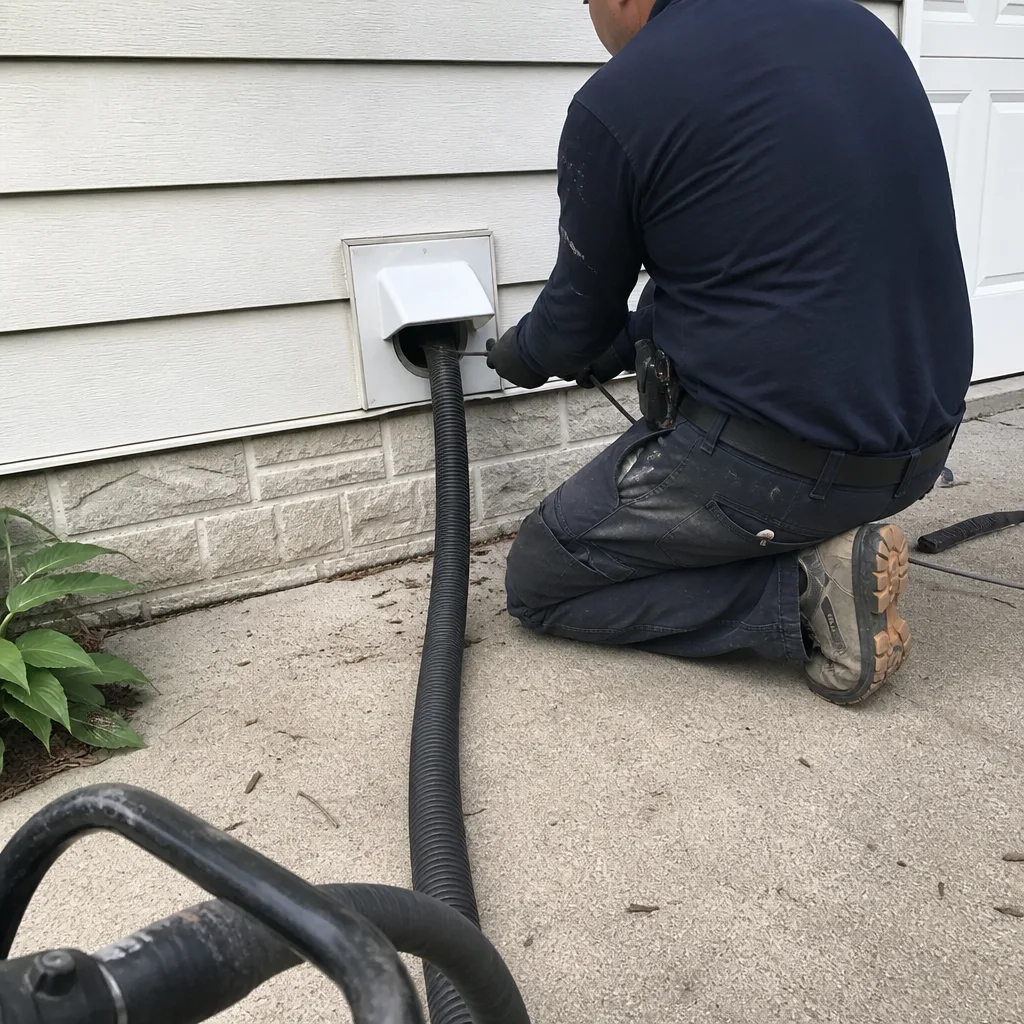 After
After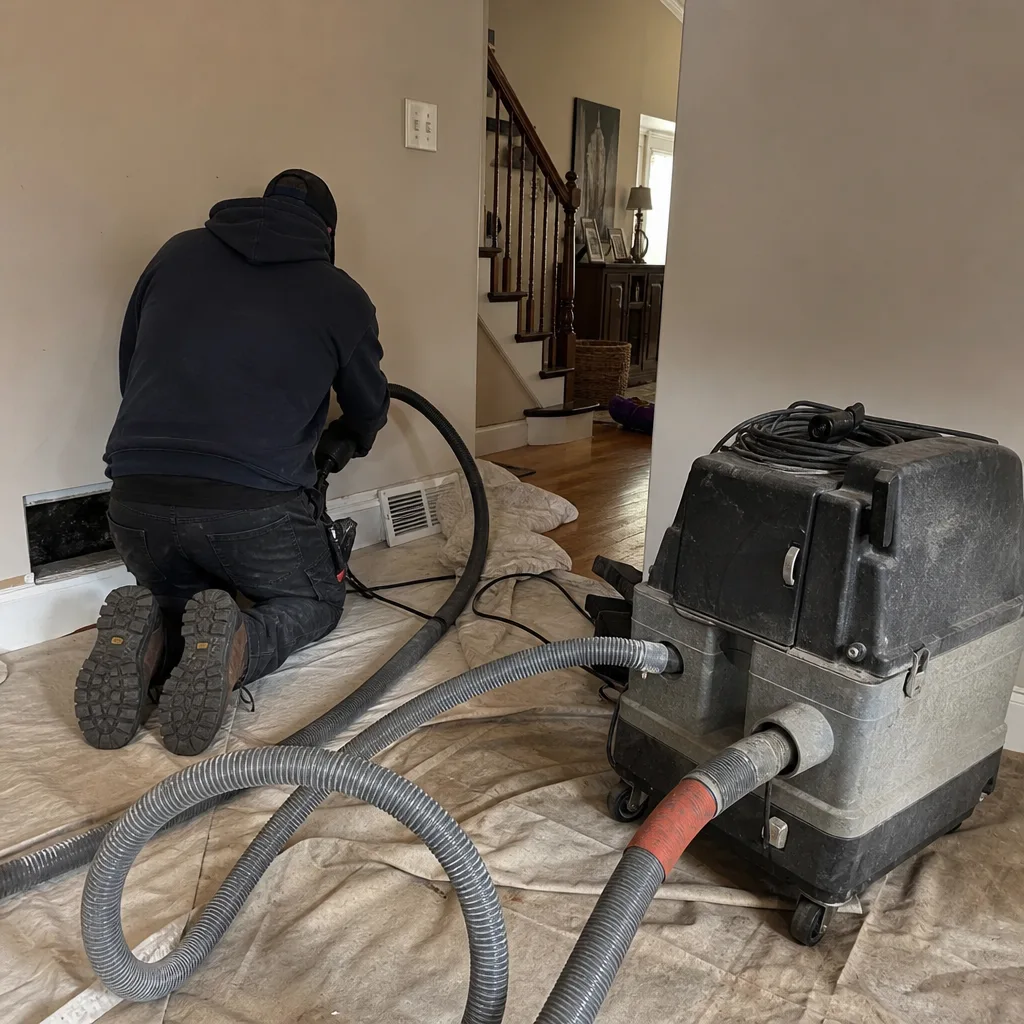 Before
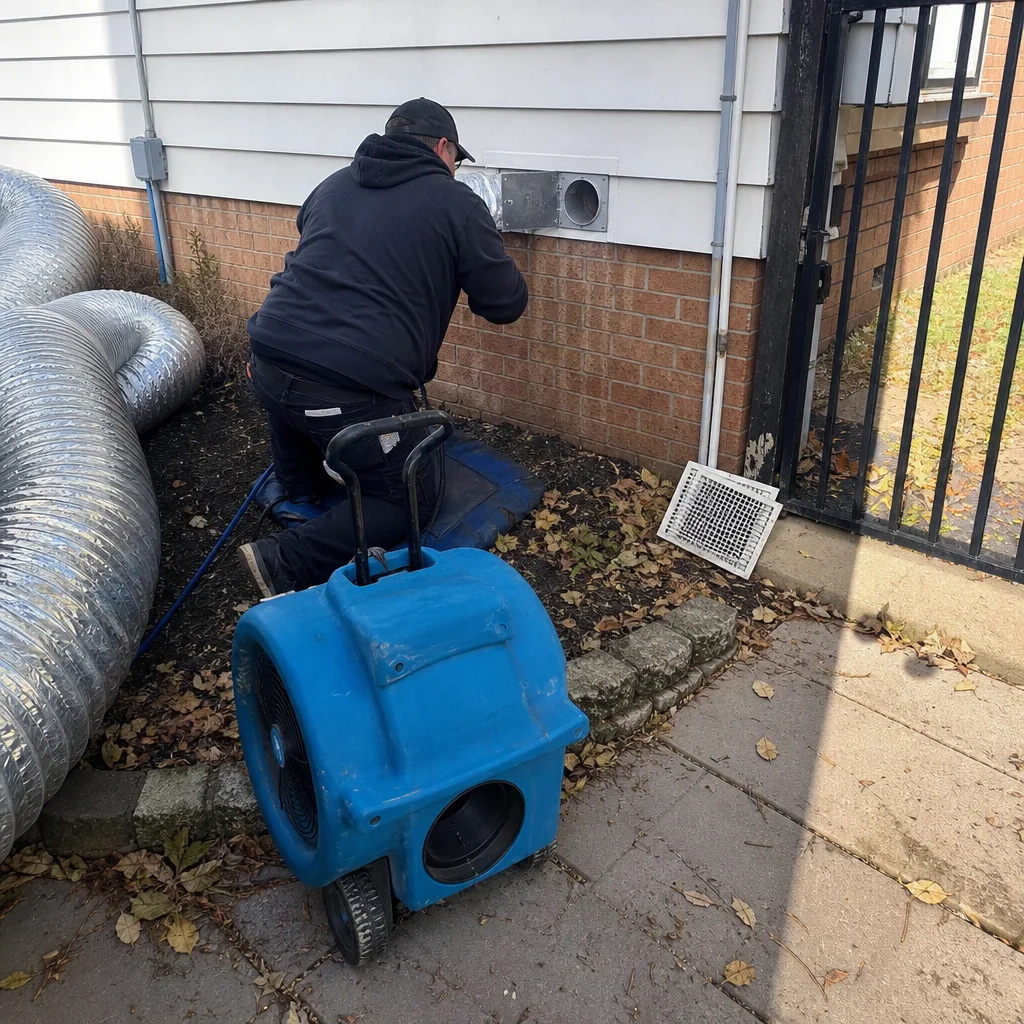 After
After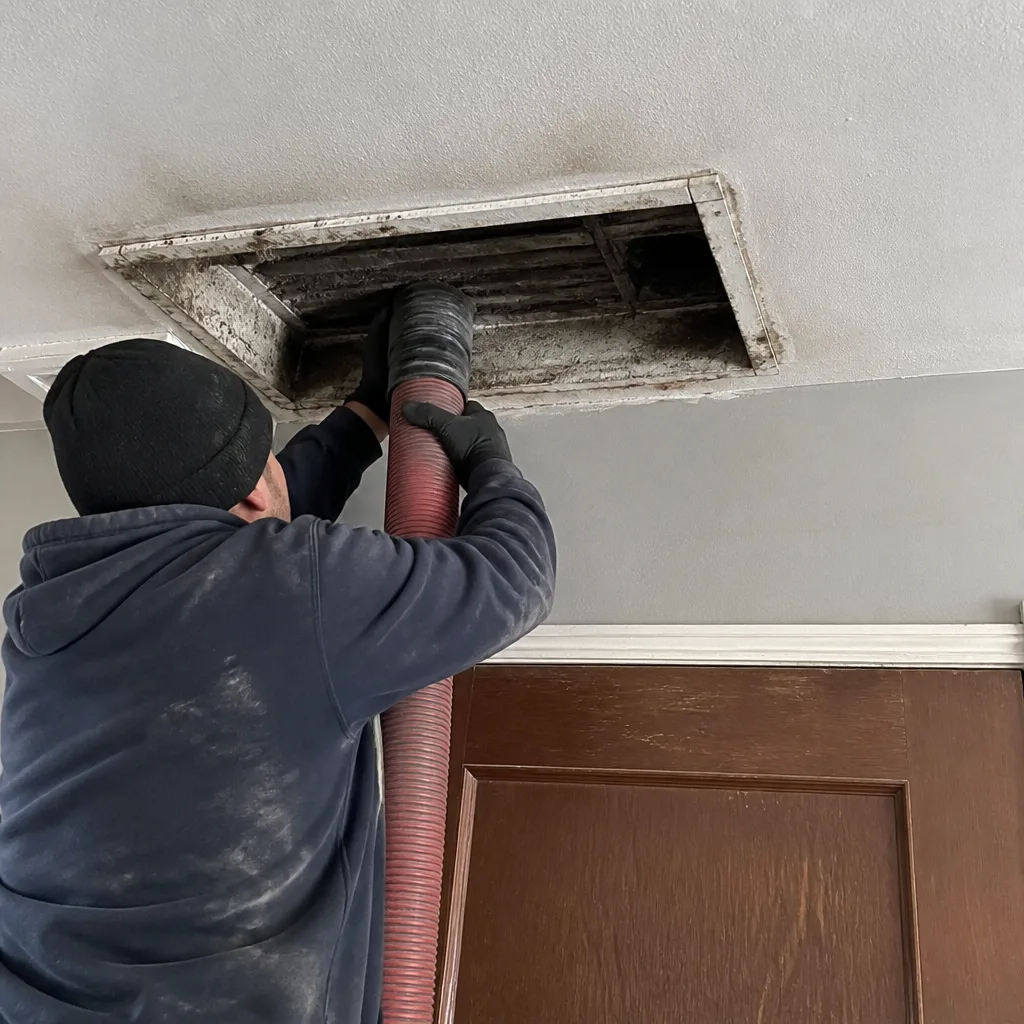 Before
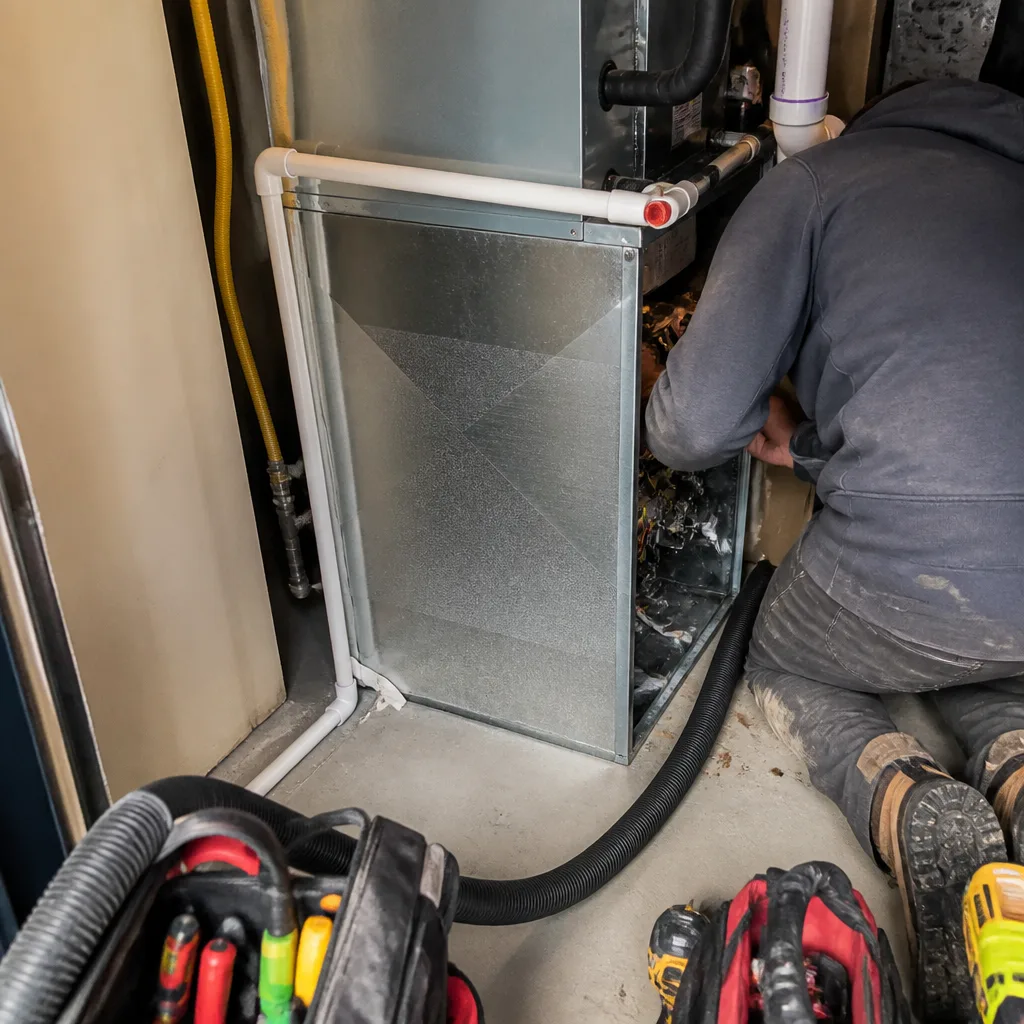 After
AfterCommercial Duct Cleaning in Chicago, IL
Commercial duct cleaning in Chicago typically runs between $800 and $4,500 depending on system size, access conditions, and contamination level – and CleanRun delivers a written price before any work begins, every time. If your building’s HVAC system is pushing air through ductwork that hasn’t been cleaned in years, that debris doesn’t stay put: it recirculates through every office, kitchen, server room, or retail floor the system serves. We’ve been documenting what’s actually inside Chicago commercial ductwork since 2013, and the camera rarely lies.
This page covers everything specific to commercial duct cleaning: what the process looks like in a multi-zone Chicago building, what it costs, what signs mean you’re overdue, and exactly what you’ll receive when the job is done. For a broader look at duct cleaning across both residential and commercial work, see our Air Duct Cleaning in Chicago page. To talk through your building’s situation directly, call (708) 683-3974 – a live person answers every call.
When You Need Commercial Duct Cleaning
Commercial systems accumulate debris faster than most building managers expect. The volume of air moved per hour in a commercial setting is typically four to six times higher than in residential duct cleaning work, which means particulates travel further and pack into elbows and plenums more aggressively. Chicago’s building stock adds another layer: older Loop and Near North buildings often run flex duct alongside original sheet metal, and the joints between them are where debris and moisture problems tend to concentrate first.
- Visible dust discharge from supply registers: If staff are wiping desks within hours of cleaning them, or if you can see a gray film around supply registers, the ductwork is redistributing what settled inside it. This is one of the clearest signs the system needs negative-pressure extraction – a process that pulls debris out rather than just loosening it.
- HVAC equipment running longer to hit setpoint: Debris buildup inside a plenum (the main distribution chamber connected to the air handler) restricts airflow. The unit works harder and longer to move the same volume of air. In Chicago winters, that inefficiency shows up directly on utility bills.
- Post-renovation or construction: Drywall dust is one of the densest contaminants we extract from commercial ductwork in Chicago. It’s fine enough to travel deep into duct runs and coarse enough to coat coil fins. Any tenant build-out or office renovation warrants a full duct inspection before resuming normal HVAC operation.
- Persistent odor complaints that don’t clear between HVAC cycles: In Chicago’s summer humidity, moisture that condenses inside insufficiently insulated ductwork creates conditions for microbial growth. When the system runs, it distributes that odor to every register in the zone. Cleaning alone addresses the debris; if a microbial issue is confirmed on camera, that gets documented separately and quoted separately before any additional work proceeds.
- More than three years since the last documented cleaning: NADCA’s ACR standard (Assessment, Cleaning, and Restoration) calls for inspection every three to five years for most commercial systems. Chicago’s urban particulate load – diesel exhaust, construction dust from constant development in neighborhoods like the West Loop and Fulton Market – tends to push that closer to three years for buildings with high outdoor air intake.
- Change of occupancy or new tenant move-in: What the previous tenant’s business introduced to the ductwork – cooking grease, manufacturing byproducts, or years of unfiltered return air – doesn’t automatically clear when they hand back the keys. A documented baseline inspection and cleaning gives the new occupant a clean, photographed starting point.
Our Commercial Duct Cleaning Process
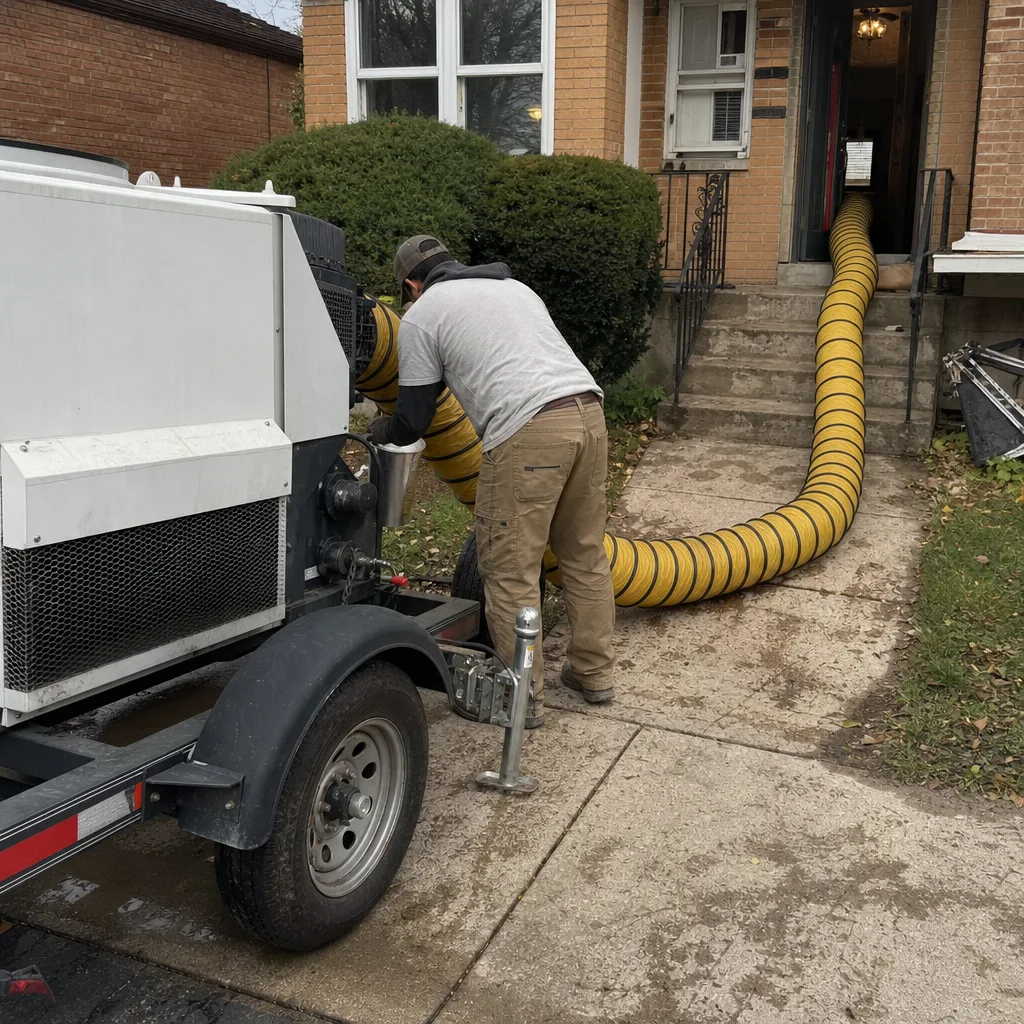
Commercial air duct cleaning is not a louder version of residential work. The duct networks are larger, the access points are fewer and harder to reach, and the consequences of cutting corners – airflow imbalances, cross-contamination between zones, missed debris in capped-off branch lines – are harder to catch after the fact. Every job CleanRun takes in Chicago follows the same documented sequence, and every step produces a record you keep.
-
System Mapping and Camera Pre-Inspection
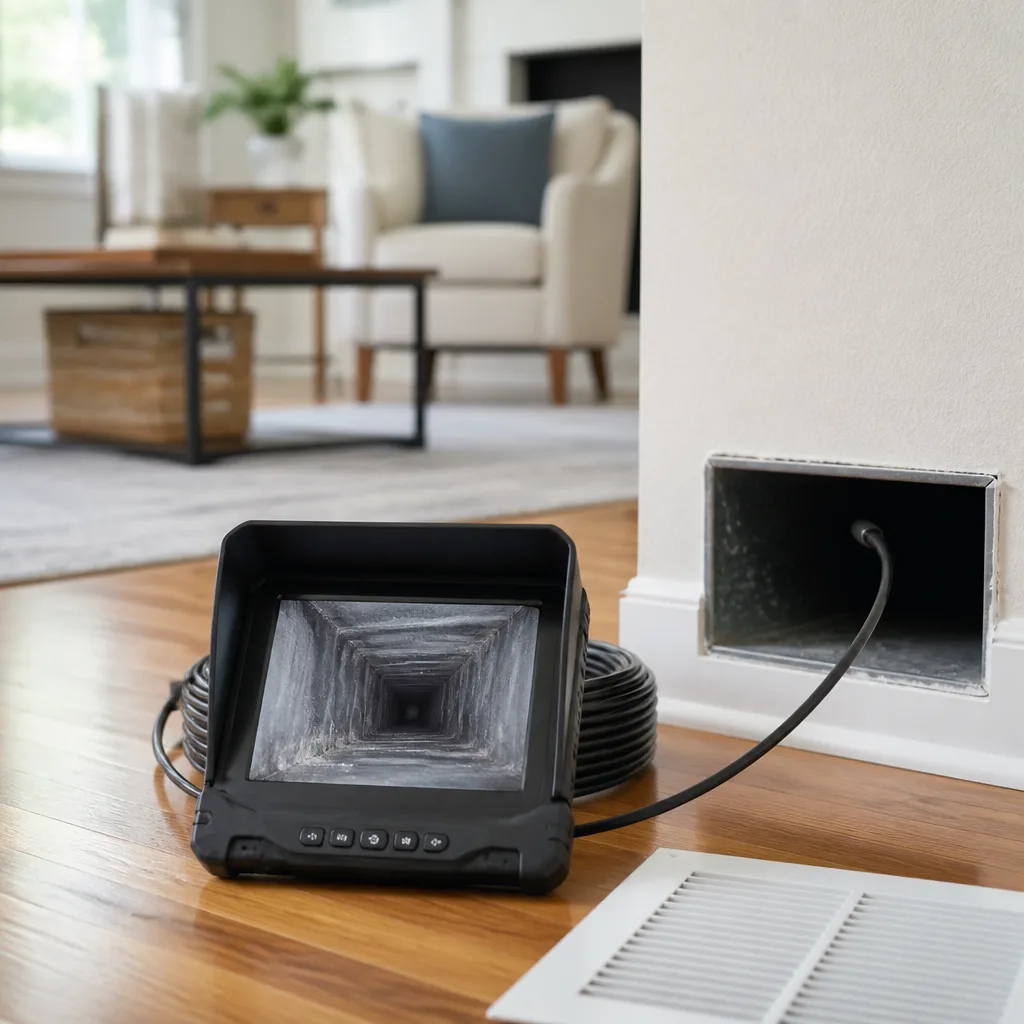
Before any equipment comes off a truck, we map the duct system: main trunk lines, branch runs, return duct cleaning plenums, and any flex duct transitions. A camera goes into each accessible duct run and photographs what’s there. This isn’t a sales tool – it’s the baseline record. The before photos are yours regardless of whether you proceed with cleaning. In Chicago commercial buildings, especially those with multi-floor HVAC systems common in River North or the South Loop, this mapping step often surfaces branch lines that weren’t on the original building drawings.
-
Written Scope and Price Delivered Before Work Starts
Haven Standard Clause 1 is not flexible: no work starts without a written price in your hand. After the pre-inspection, we document the full scope – linear footage of duct to be cleaned, number of registers and diffusers, access panel requirements, and any conditions that affect the job, like duct lining material or asbestos-containing wrap that requires a separate abatement contractor. The number you see is the number you pay. If the camera found something that changes the scope, that conversation happens before work begins, not after.
-
Negative-Pressure Extraction Setup
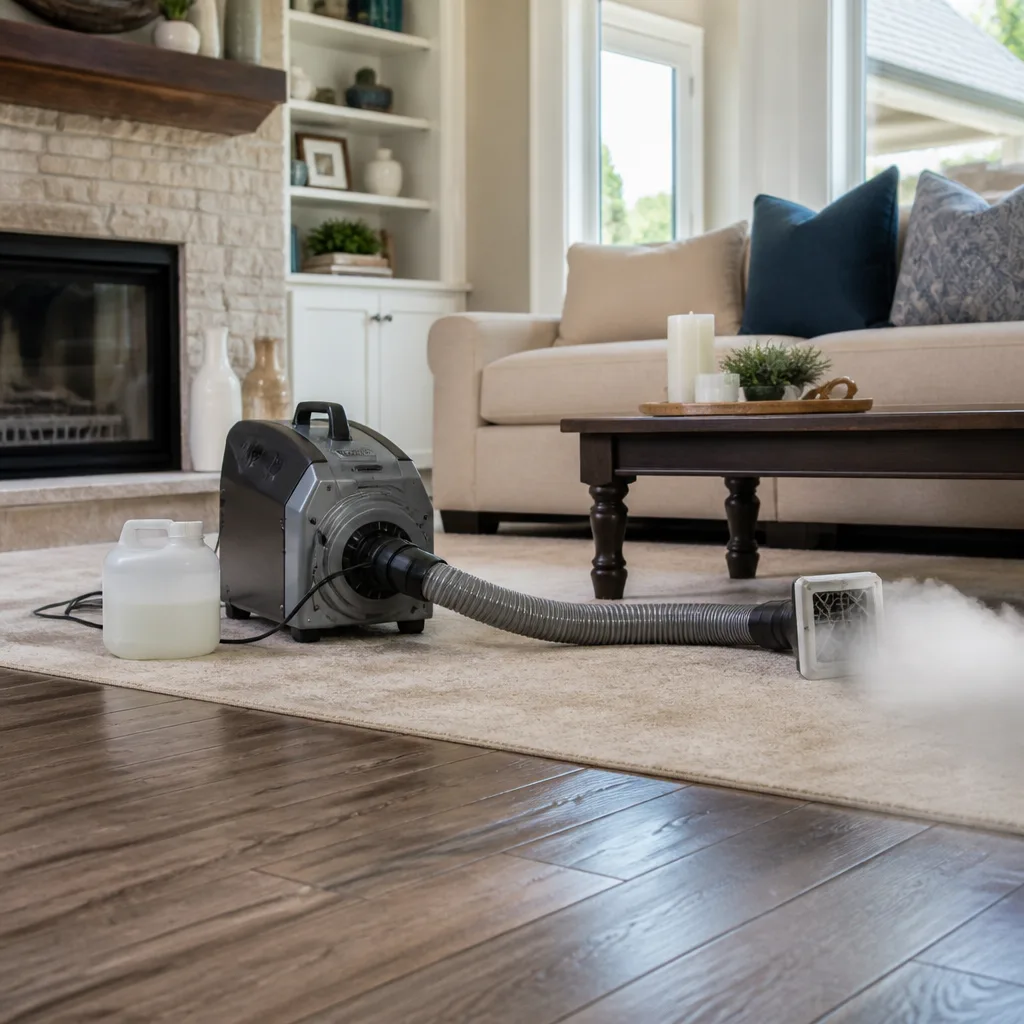
We use Nikro and Rotobrush equipment as part of our full system cleaning process to establish negative pressure inside the duct system before agitation begins. A high-powered vacuum unit connects to the main trunk or plenum and creates a pressure differential that pulls loosened debris toward the collection point rather than allowing it to redistribute through the building. In a 10,000-square-foot commercial space, properly established negative pressure is the difference between a real cleaning and an expensive debris relocation.
-
Mechanical Agitation of Every Accessible Duct Run
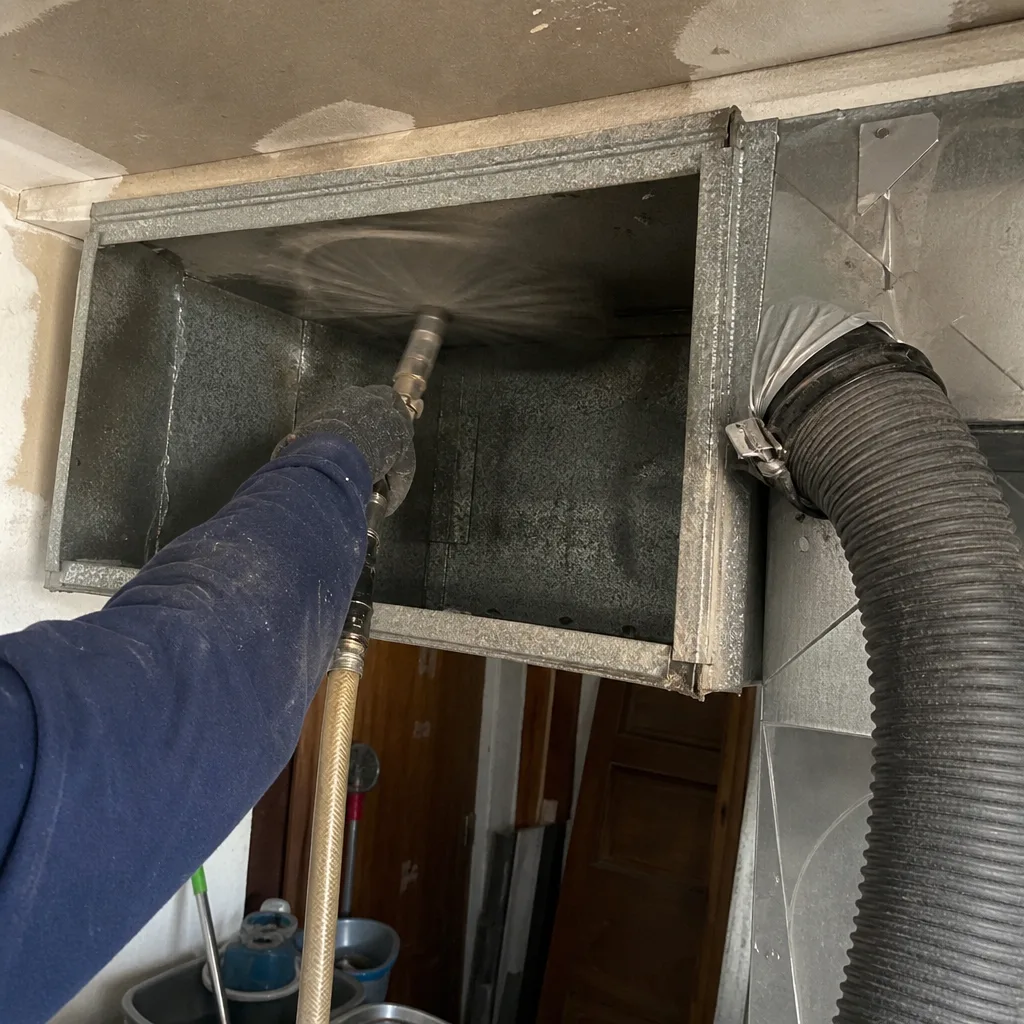
With negative pressure holding, we work through each branch line with rotary brushes sized to the duct diameter. Every accessible run gets agitated – not just the main trunk and the registers within easy reach. In Chicago commercial buildings, this often means working through ceiling access panels, mechanical room entries, and occasionally above drop ceilings in older Wicker Park or Pilsen commercial conversions where the ductwork was retrofitted into spaces not originally designed for it.
-
Register, Diffuser, and Grille Cleaning
Every supply and return register is removed, cleaned, and reinstalled. Grease-loaded diffusers above kitchen areas get treated separately – a wire brush and solvent wipe-down before reinstallation. This step matters because a cleaned duct connected to a debris-caked register still distributes whatever is sitting on that grille.
-
Post-Cleaning Camera Verification and Photo Record Delivery
The same camera that documented the before condition goes back through every run. The after photographs are matched to the before photographs by duct run and delivered to you as part of the standard job record – not as an optional add-on. Haven Standard Clause 2 (Documented Results) means you have a verifiable record of what was there and what was removed. For commercial clients in Chicago who manage multiple properties or report to a property management company, this documentation is the deliverable that actually matters.
BeforeAfterCommercial Duct Cleaning Pricing in Chicago
Commercial duct cleaning in Chicago is quoted by job scope, not by a flat rate applied regardless of what the camera finds. The ranges below reflect actual jobs completed across Chicago commercial properties – office buildings, restaurants, retail spaces, light industrial facilities, and multi-tenant commercial buildings. Every number below is a written price delivered before work starts, consistent with Haven Standard Clause 1.
| Building / System Type | Typical Chicago Price Range | Primary Cost Drivers |
|---|---|---|
| Small commercial office (under 2,500 sq ft, single zone) | $800 – $1,400 | Number of registers, access panel count, debris load |
| Mid-size office or retail (2,500 – 8,000 sq ft) | $1,400 – $2,600 | Multi-zone systems, ceiling height, duct lining type |
| Restaurant or commercial kitchen HVAC ductwork | $1,800 – $3,200 | Grease accumulation, exhaust system condition, access |
| Large multi-floor commercial (8,000 – 20,000 sq ft) | $2,600 – $4,500 | Floors served, trunk line footage, number of air handlers |
| Post-construction or renovation cleaning | Add $300 – $700 to base | Drywall dust and debris volume, filter replacement needed |
What Affects Your Chicago Commercial Job Price
- Total linear footage of ductwork: The single biggest variable. A 5,000-square-foot open-plan office in Logan Square with efficient trunk-and-branch layout may have fewer linear feet than a 3,000-square-foot subdivided suite in the Merchandise Mart with multiple short branch runs per zone.
- Number of air handlers: Each air handler requires its own negative-pressure setup. A building with two rooftop units serving split zones is priced differently than a single-unit system of the same square footage.
- Duct lining material: Fiberglass-lined ducts require softer brush attachments and slower agitation to avoid damaging the liner. Damaged liner is a separate repair cost – we document liner condition on the pre-inspection camera and note it in the written scope.
- Access conditions: Ductwork above a standard 9-foot drop ceiling is straightforward. Ductwork above a 20-foot industrial ceiling in a Bridgeport light-manufacturing space, or buried in an original 1920s mechanical chase in a South Loop conversion, takes longer and costs more to access safely.
- Contamination type: Standard dust and debris cleans faster than grease-laden kitchen exhaust deposits or post-flood microbial contamination. If the camera shows anything beyond particulate debris, that’s documented and quoted before any additional work proceeds.
CleanRun also offers a Free Second Opinion on any written estimate. If you have a quote from another contractor, we’ll put our own written number next to it. No pressure, no expiration date on the offer.
FAQs – Commercial Duct Cleaning
How long does commercial duct cleaning take in a typical Chicago office building?
A commercial duct cleaning job in a Chicago office space under 5,000 square feet typically takes four to seven hours with a two-person crew. Larger or more complex systems – multi-floor buildings in the Loop, older mechanical setups in buildings like converted lofts in Pilsen or Wicker Park – can run a full day or require a second visit to complete the post-cleaning camera verification. We give you a time estimate in the written scope before work starts so you can plan around tenant or staff schedules. Call (708) 683-3974 if you need a same-week slot.
Is commercial duct cleaning disruptive to building operations?
For most Chicago commercial spaces, duct cleaning can be completed with minimal disruption to staff. The HVAC system is temporarily taken offline during cleaning – typically for three to six hours – and register removal is brief. We work zone by zone in multi-zone buildings so that unaffected areas maintain heating or cooling. If your building requires after-hours or weekend scheduling, that’s noted in the written scope and priced accordingly. We don’t charge a hidden premium for scheduling flexibility – if there’s an added cost, it’s in the written quote before you agree to anything.
How often should Chicago commercial buildings have their ducts cleaned?
Most Chicago commercial buildings should have ductwork inspected every two to three years, with cleaning based on what the camera actually shows rather than a fixed calendar. Chicago’s outdoor air quality – particularly in dense areas like the Near North Side, River North, and the industrial corridors along the South Branch – means commercial HVAC systems with high outdoor air intake ratios accumulate particulates faster than the national average suggests. High-occupancy spaces like call centers, restaurants, or medical offices should lean toward the shorter end of that range. We provide a written inspection record after every visit so you have a documented baseline for the next service decision.
What is the 365-Day Done Right Promise and does it apply to commercial jobs?
Yes, the 365-Day Done Right Promise applies to every CleanRun job, commercial and residential. If the work isn’t right within 365 days of the job date, we make it right – and that’s a written commitment included in every job record, not a verbal policy subject to manager approval. For commercial clients, this means the documented photo record, the written scope, and the written guarantee all go into the same job file. If a duct run we photographed and cleaned shows new contamination that traces back to incomplete work rather than a new source, that’s covered. Call (708) 683-3974 to ask specifically how the Promise applies to your building’s situation before you book.
What CleanRun Delivers on Every Commercial Job
Every commercial duct cleaning job in Chicago produces the same set of deliverables when the truck leaves. These aren’t optional upgrades or items available on request – they’re the standard record for every job, documented under the H.A.V.E.N. Standard.
- Pre-inspection camera photos of every accessible duct run, organized by zone and labeled by location within the building.
- Written scope and written price delivered before any work begins – Haven Standard Clause 1, no exceptions.
- Post-cleaning camera photos matched to pre-inspection images for every duct run cleaned – a verifiable before-and-after record, not a summary description.
- Written 365-Day Done Right Promise included in the job record, specifying what is covered and how to invoke it.
- Technician identification prior to arrival – Haven Standard Clause 3 (Verified Crews) means your facilities manager or building contact knows the name and description of every CleanRun technician before they walk in.
For property managers overseeing multiple Chicago buildings, this documentation structure makes CleanRun’s job records portable. The before-and-after photo record, the written scope, and the written guarantee all translate directly into maintenance log entries, tenant disclosures, or landlord compliance documentation without additional legwork on your end.
CleanRun Duct Repair & Cleaning has operated in Chicago since 2013, across more than 52,000 documented jobs – every one of them with a written price before work started and a photo record when the crew left. Tomas Reyes built the company on the position that the evidence should speak before anyone does, and that standard applies to every commercial job the same way it does to a single-family home. To get a written price for your Chicago commercial property, call (708) 683-3974. A live person answers, and the estimate is free.
Written by Tomas Reyes, Owner at CleanRun Air Duct Cleaning Chicago, serving Chicago since 2013.