
Whole-system duct and dryer vent check with before-and-after photos - you see exactly what came out of your vents
That "$99 whole-house special" is a bait ad - the real number appears once they are in your hallway, or the "clean" is a shop-vac at the register. We photograph the inside of your ducts before and after instead.
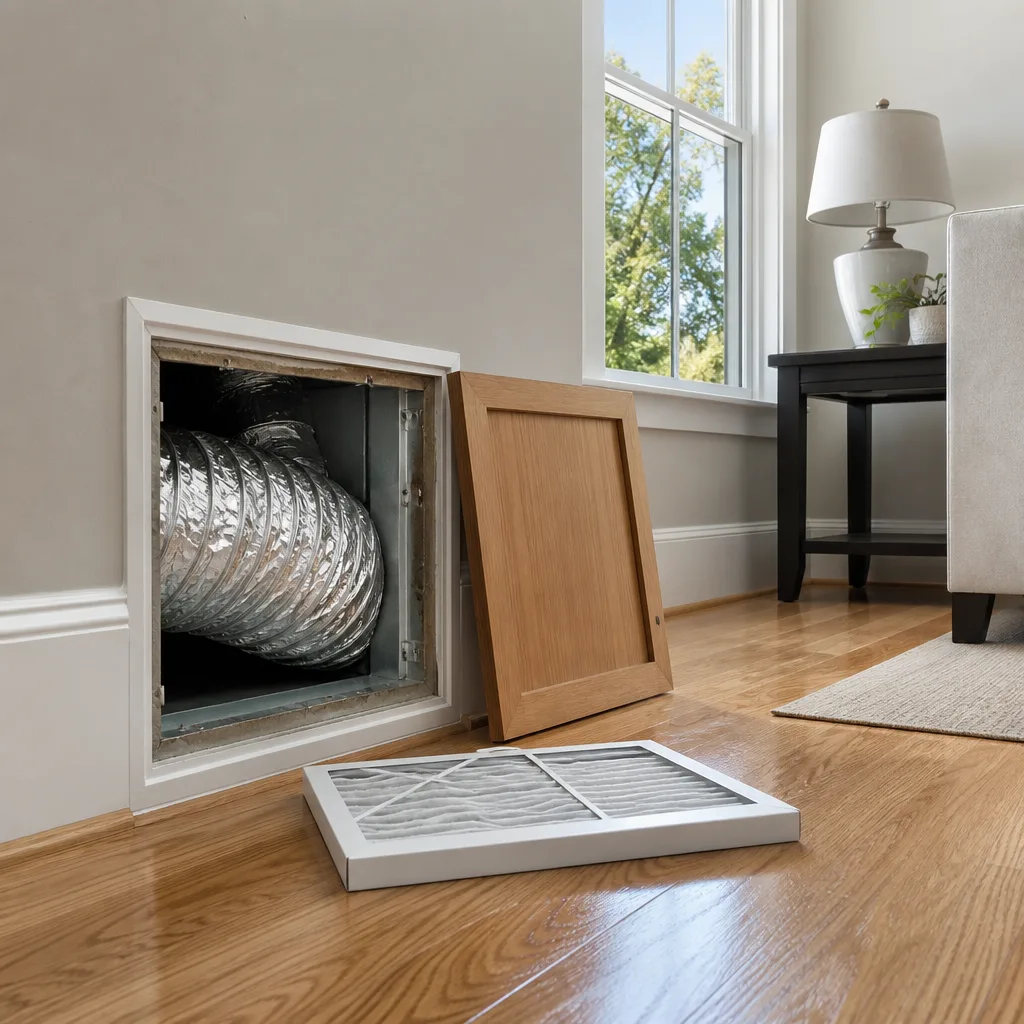
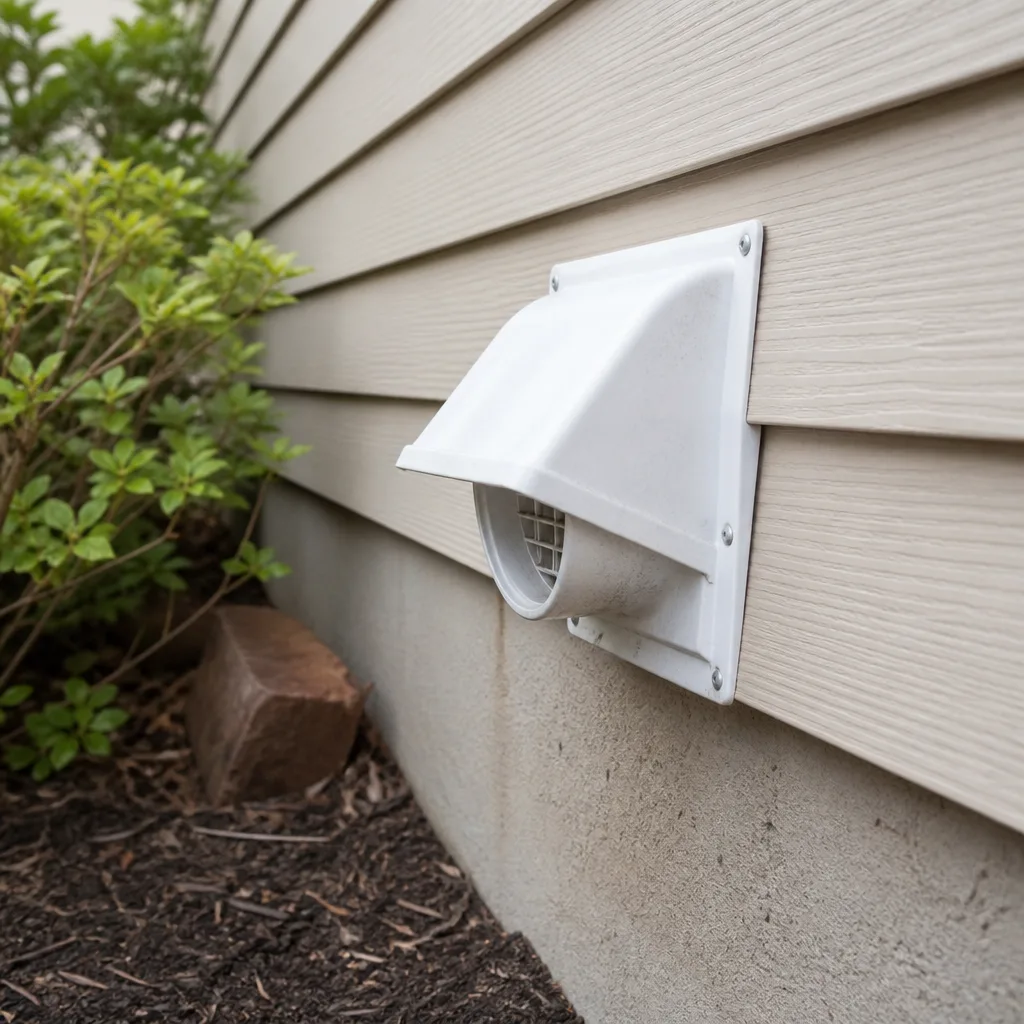
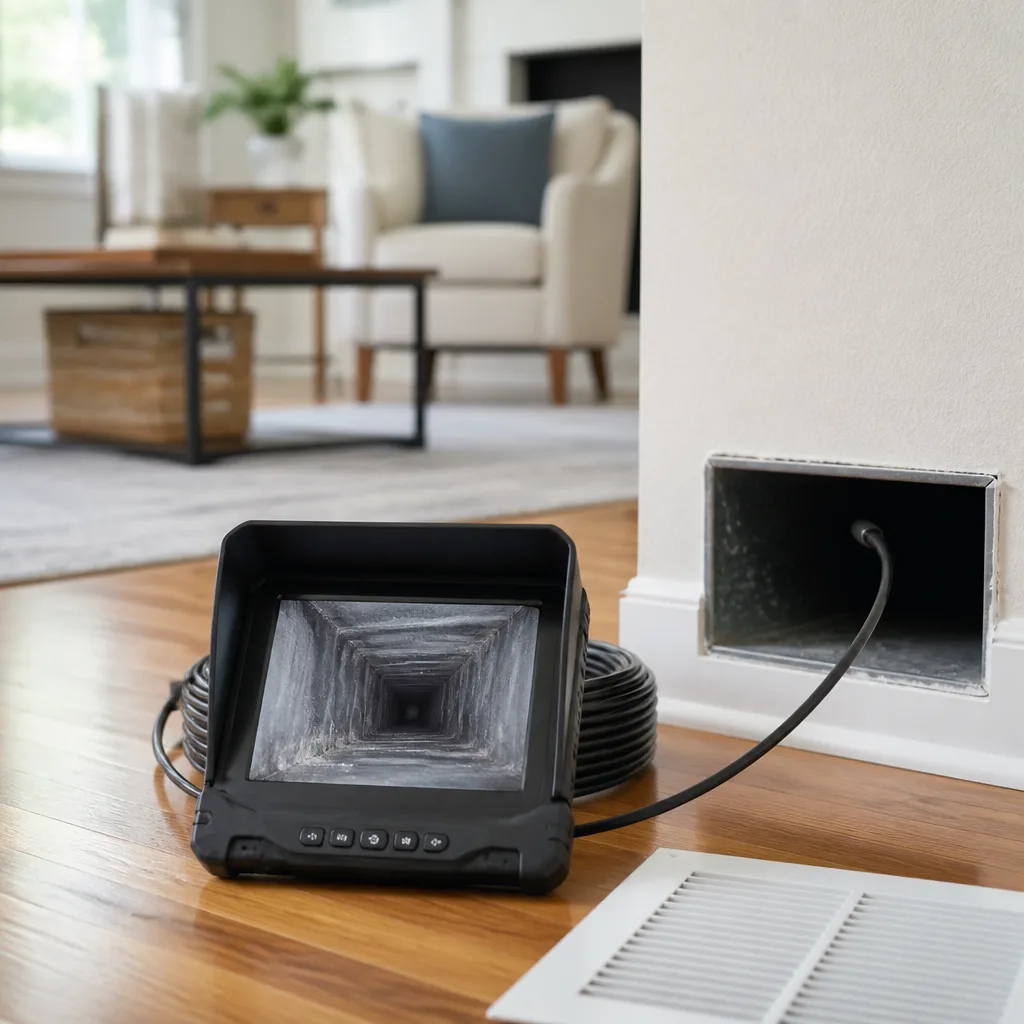
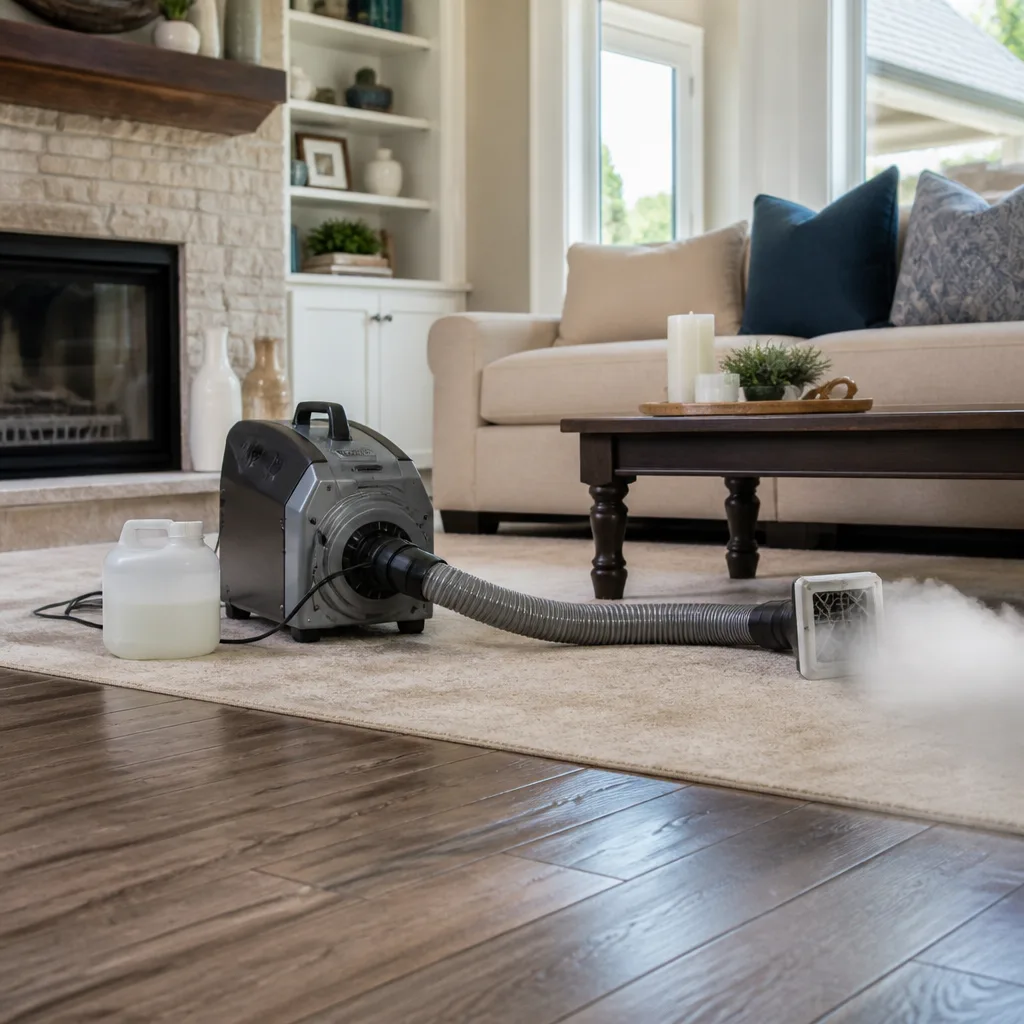
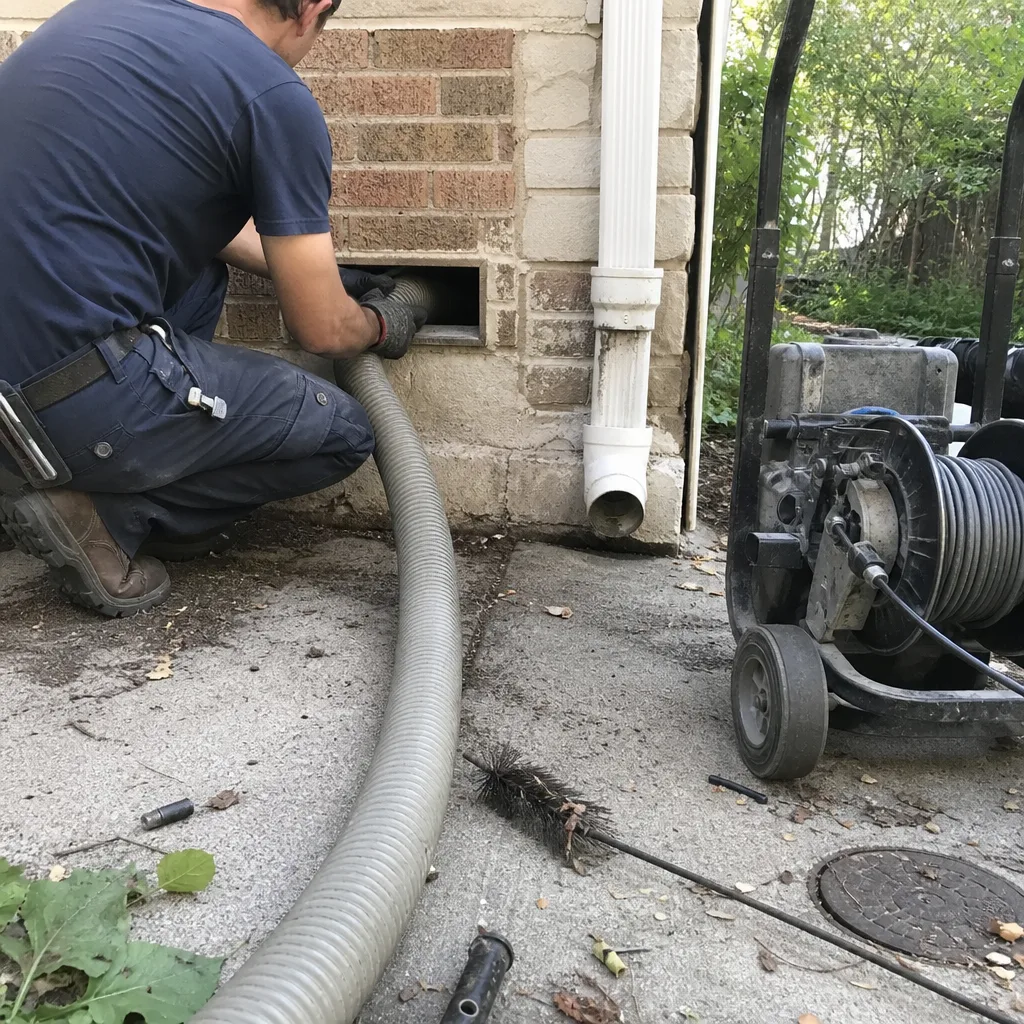 Before
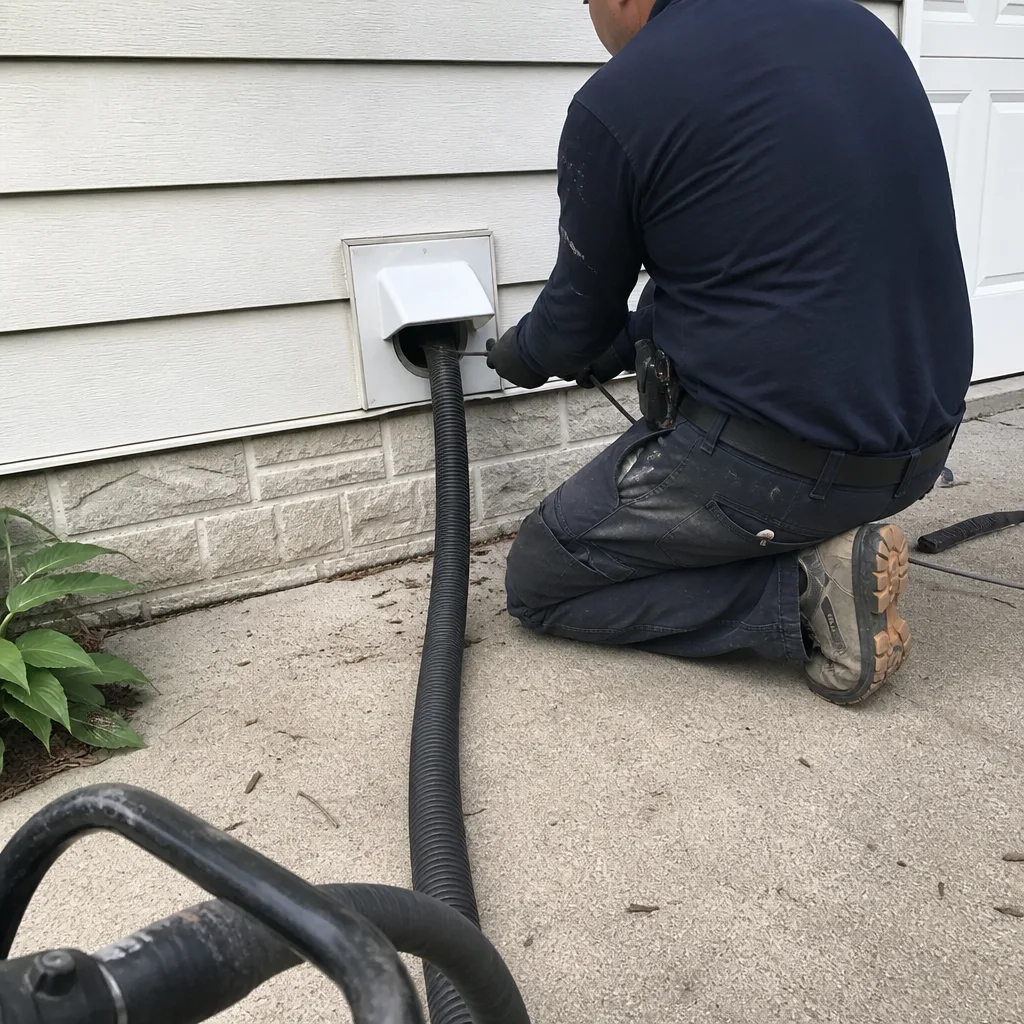 After
After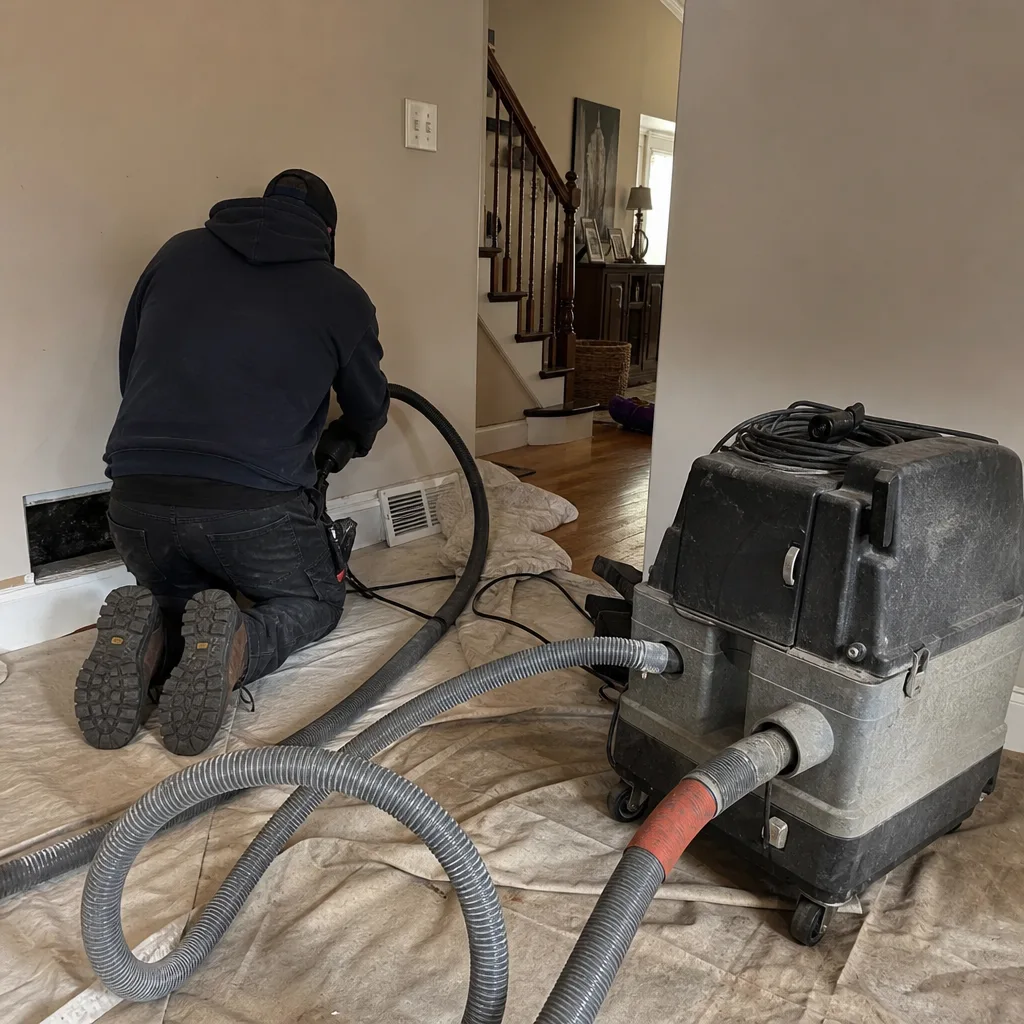 Before
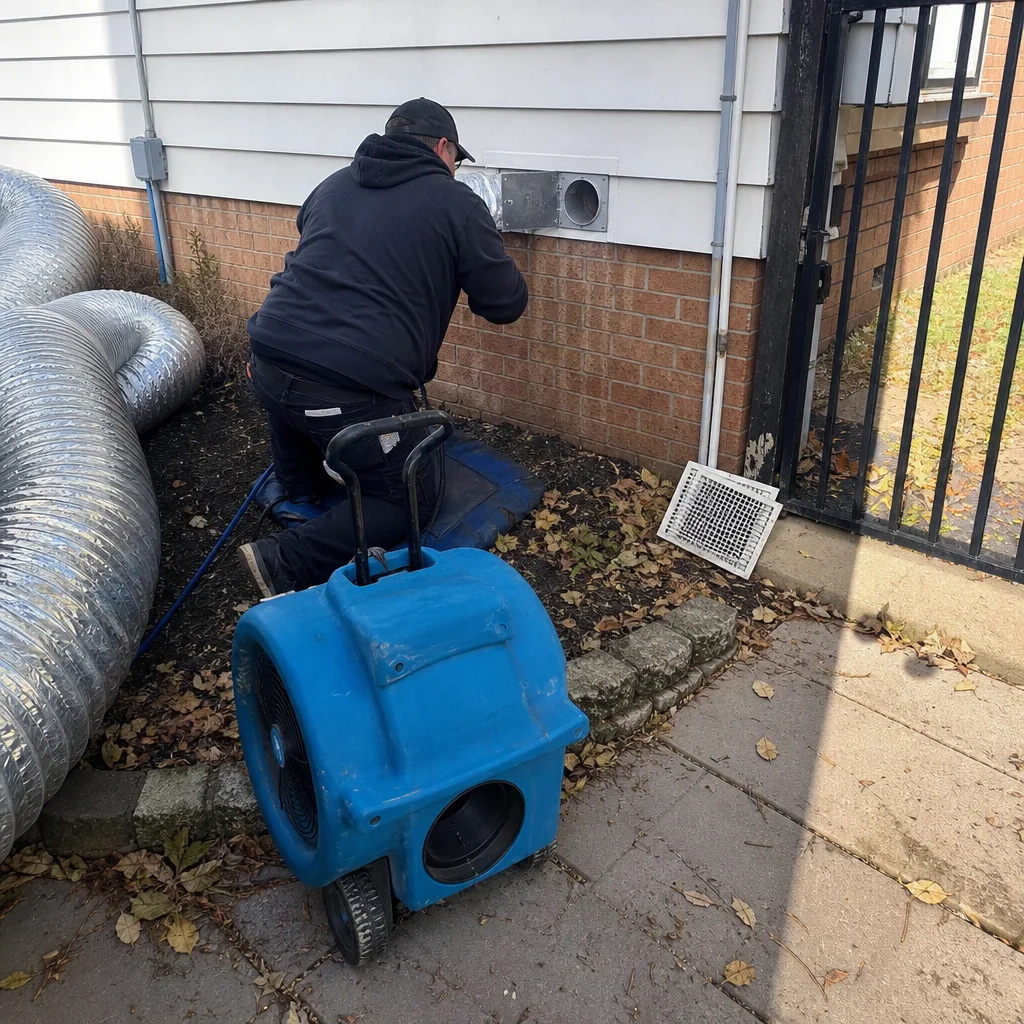 After
After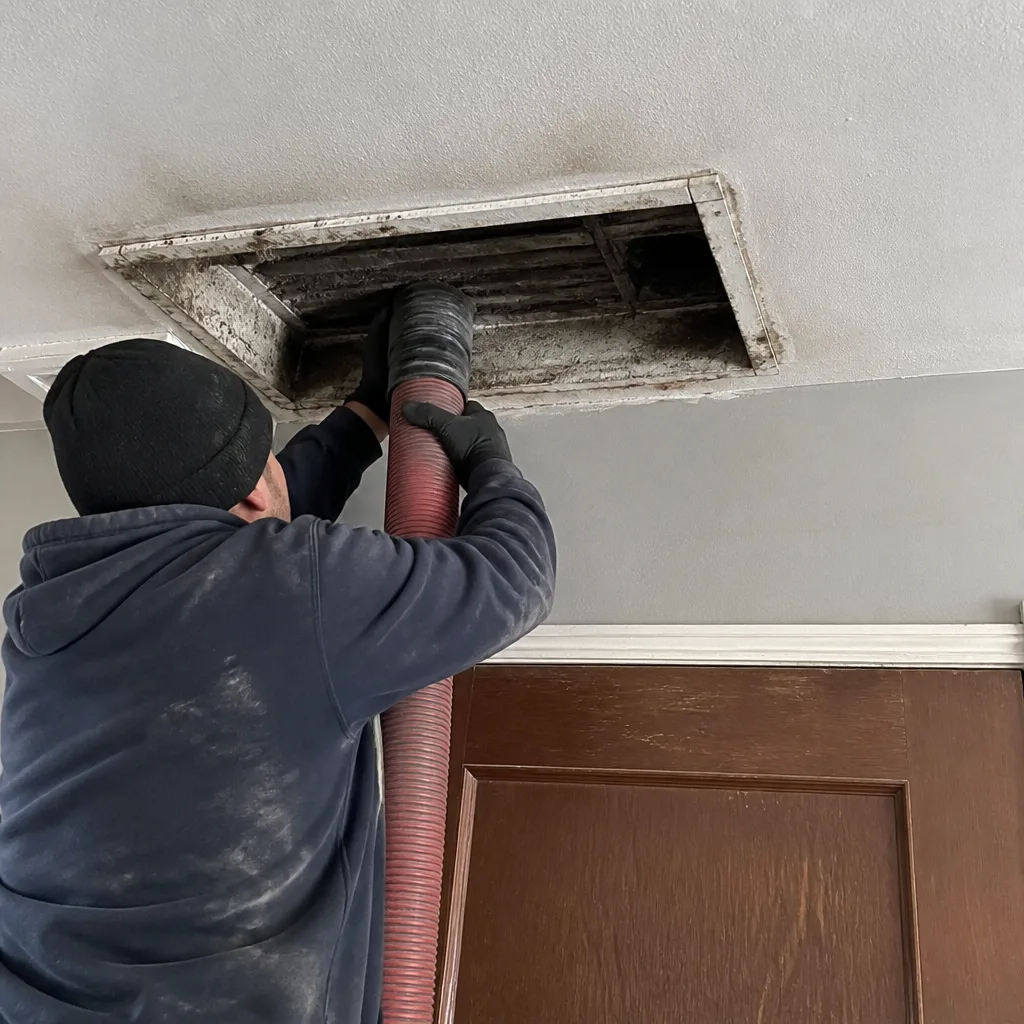 Before
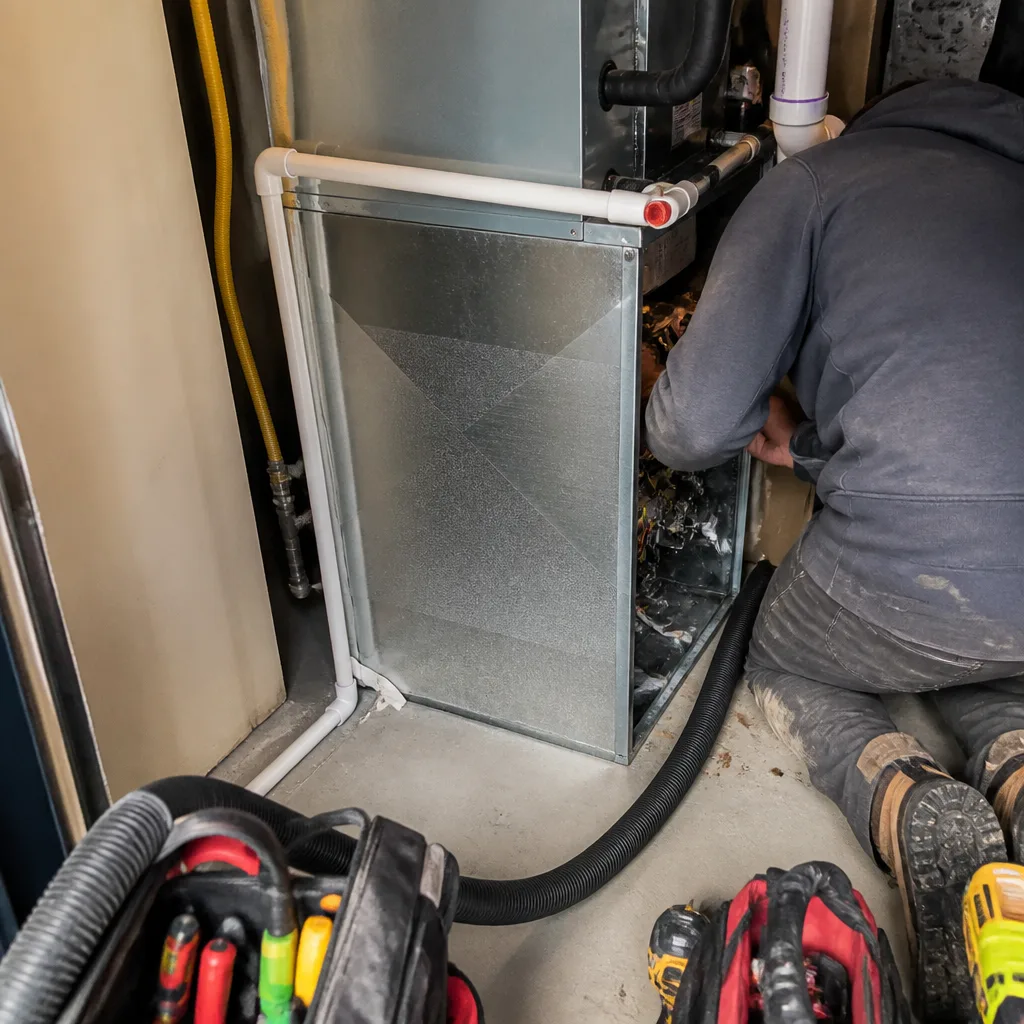 After
AfterRotobrush Register & Grille Cleaning: The Chicago Owner’s Guide
Rotobrush register and grille cleaning in Chicago typically runs $180-$340 per system when performed as part of a full duct cleaning service, and we stock the compatible brushes, whips, and vacuum attachments for same-day scheduling. The register and grille set is the visible endpoint of every duct run, and when debris cakes the louvers or the damper sticks, airflow drops before most owners notice the HVAC working harder. In Chicago’s lake-effect climate, we regularly see pollen, road salt dust, and construction particulate pack into register vanes, especially in first-floor returns near busy streets like Milwaukee Avenue or Ashland.
Which Rotobrush Models This Applies To
Rotobrush builds its register and grille cleaning capability into the brush-and-vacuum system itself, not as a standalone part number. The critical match is between the brush head diameter and your duct run size. The Rotobrush Beast series carries 8-inch and 10-inch brush heads; the Classic and BrushBeast lines use 4-inch to 12-inch interchangeable heads. We verify fit by measuring the register opening (the cutout in your floor, wall, or ceiling, not the faceplate dimensions) and checking the flex-duct collar behind it. A 6×10 floor register usually feeds a 6-inch or 8-inch duct run, and forcing an oversized brush will bind the cable or scar the duct interior.
OEM Rotobrush brush heads carry the blue-and-yellow label with part numbers like 211000-series for standard stiffness or 211100-series for aggressive bristle. Quality aftermarket equivalents from Nikro and Abatement Technologies match the 5/8-inch threaded shaft and use similar polypropylene bristle, though the durometer (stiffness rating) varies by 10-15 percent. For Chicago’s older two-flats with galvanized steel ductwork, we prefer the OEM stiffness to avoid galvanic scratching. For flex-duct common in post-2005 construction, aftermarket works fine and carries the same 90-day part warranty we offer on all replacements.
Signs Your Rotobrush Register & Grille Cleaning Is Failing
- Visible debris buildup on louver edges. The register is supposed to be the cleanest point in the system because it’s downstream of filtration. When dust cakes the vanes, the duct run behind it is likely loaded, and the Rotobrush head is either not reaching that far or the vacuum suction is insufficient due to a clogged filter or weak motor.
- Damper lever stuck or grinding. The manual airflow control behind the faceplate seizes when debris works into the pivot pin. Forcing it snaps the plastic linkage on most modern grilles. This is a $12-$25 part, but we see homeowners crack the entire register trying to free it.
- Uneven airflow room-to-room. One register blows strong, another weak. The weak path usually has a partial blockage at the boot (the transition from duct to register) or the damper is accidentally closed. A Rotobrush run with camera verification finds which.
- Musty odor when HVAC cycles on. Chicago’s humidity swings, especially near the lake, let organic debris in register crevices mold. The smell hits when airflow reactivates. Surface wiping doesn’t reach the boot cavity where the real growth lives.
- Register faceplate loose or sagging. The spring clips or drywall anchors fatigue over time. A loose fit lets conditioned air leak into the wall cavity, not the room. We check this on every job because it’s invisible to the homeowner until the energy bill arrives.
BeforeAfterReplacement Cost & What’s Included
In Chicago, register and grille cleaning as a standalone service runs $180-$240 for a typical 1,200-square-foot home with 8-12 registers. Whole-system duct cleaning including full register service runs $320-$480, which is the better value if the ducts haven’t been cleaned in 3-plus years. The range moves with access difficulty: ceiling registers on a 10-foot drywall ceiling add ladder time; floor registers in historic homes with cast-iron frames need hand disassembly to avoid cracking the surround.
Every job under Haven Standard Clause 1 delivers a written price before work starts. That price includes the Rotobrush or compatible brush head, negative-pressure extraction to a HEPA-filtered collector, and the Documented Photo Record of every register opening before and after. The 365-Day Done Right Promise covers the workmanship. If a register we cleaned shows recurring debris buildup within a year, we return and re-run that duct at no charge. We don’t charge per register; it’s one flat price per system, agreed in writing.
DIY or Call Us?
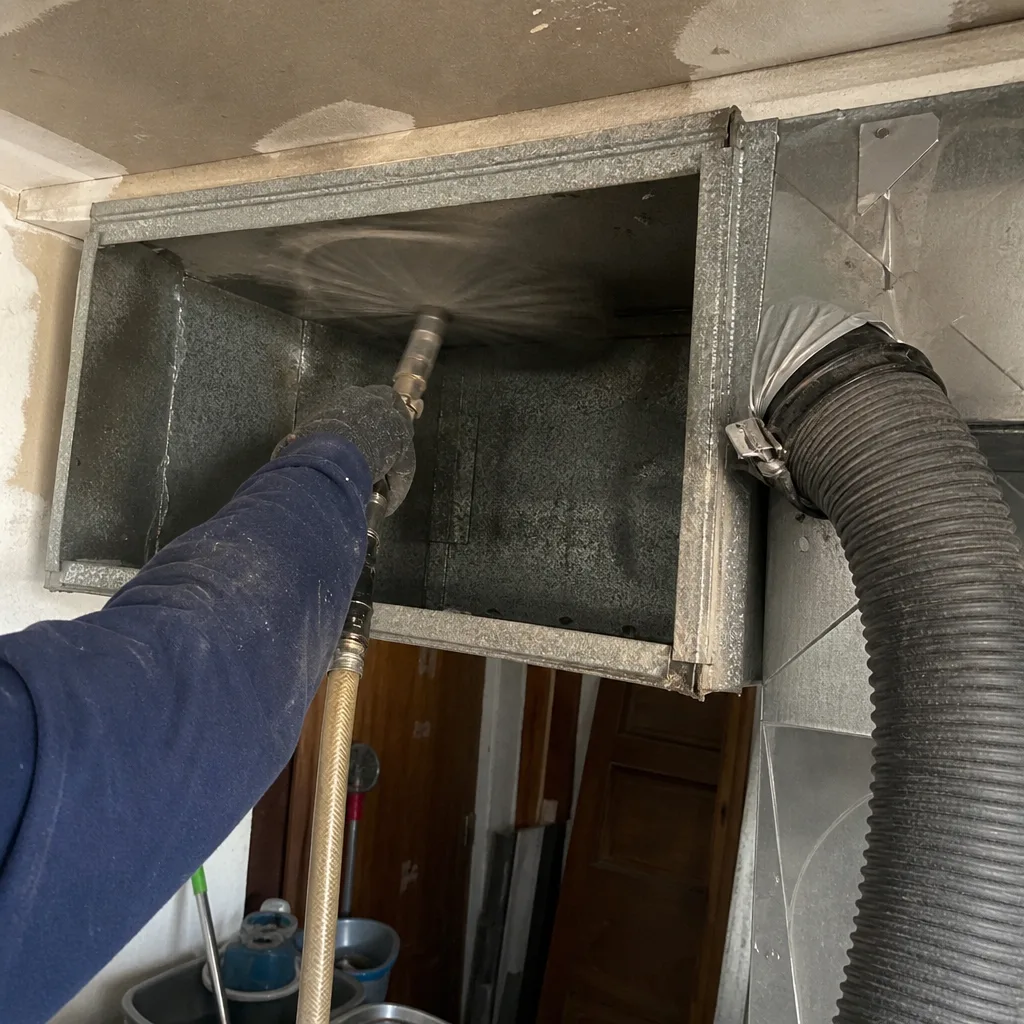
An owner can safely remove a standard floor or wall register with a screwdriver, vacuum the visible boot, and wipe the faceplate. What you cannot reach is the 12-24 inches of duct behind the boot, where the Rotobrush head is designed to travel. Chicago’s clay-tile or transite ductwork in pre-1970s homes is brittle; an unguided brush head cracks it. Even in modern flex-duct, a homeowner lacks the camera to verify the brush actually traversed the full run.
The other risk is electrical. Ceiling registers near light fixtures or in bathrooms may have wiring in the joist bay. We locate these before drilling or brushing. Tomas Reyes, our owner, puts it this way: show the photo first, talk second. If you cannot photograph what is inside the duct, you cannot know what you are disturbing. For register and grille work tied to a full system cleaning, call (708) 683-3974. We answer live, verify your register count by phone, and deliver a written estimate before scheduling.
FAQs
In Chicago, expect 2-4 years between cleanings if you change the HVAC filter every 60-90 days. Homes near O’Hare flight paths or active construction (Lincoln Yards, the 78) may need annual register service due to elevated particulate load. Call (708) 683-3974 and we’ll assess your specific exposure.
Cosmetic cracks in the faceplate can be filled, but bent or broken damper linkages and stripped mounting holes require replacement. We stock standard white, almond, and brown registers on the truck; custom finishes or historic reproductions need a 3-5 day order. The repair-versus-replace decision is included in your written estimate.
A typical Chicago bungalow or two-flat with 8-10 registers takes 2.5-3.5 hours for full register and grille service with the Rotobrush system, including setup, photography, and breakdown. Large homes in Lincoln Park or the Gold Coast with 15-plus registers run 4-5 hours. We schedule by the job, not the hour, so the crew isn’t rushing to beat a clock.
Yes. We carry Rotobrush brush heads, compatible Nikro and Abatement Technologies attachments, and replacement registers in standard sizes. CleanRun Air Duct Cleaning Chicago is an independent service provider, not affiliated with Rotobrush, but we maintain OEM and aftermarket inventory because our crews use these tools daily. If your register size is non-standard, we measure on-site and source within 48 hours.
CleanRun also services equipment from Lennox, Trane, and Carrier when register and grille work ties to integrated HVAC maintenance.
Written by Tomas Reyes, Owner, CleanRun Air Duct Cleaning Chicago at CleanRun Air Duct Cleaning Chicago, serving Chicago and nearby areas.