
Whole-system duct and dryer vent check with before-and-after photos - you see exactly what came out of your vents
That "$99 whole-house special" is a bait ad - the real number appears once they are in your hallway, or the "clean" is a shop-vac at the register. We photograph the inside of your ducts before and after instead.
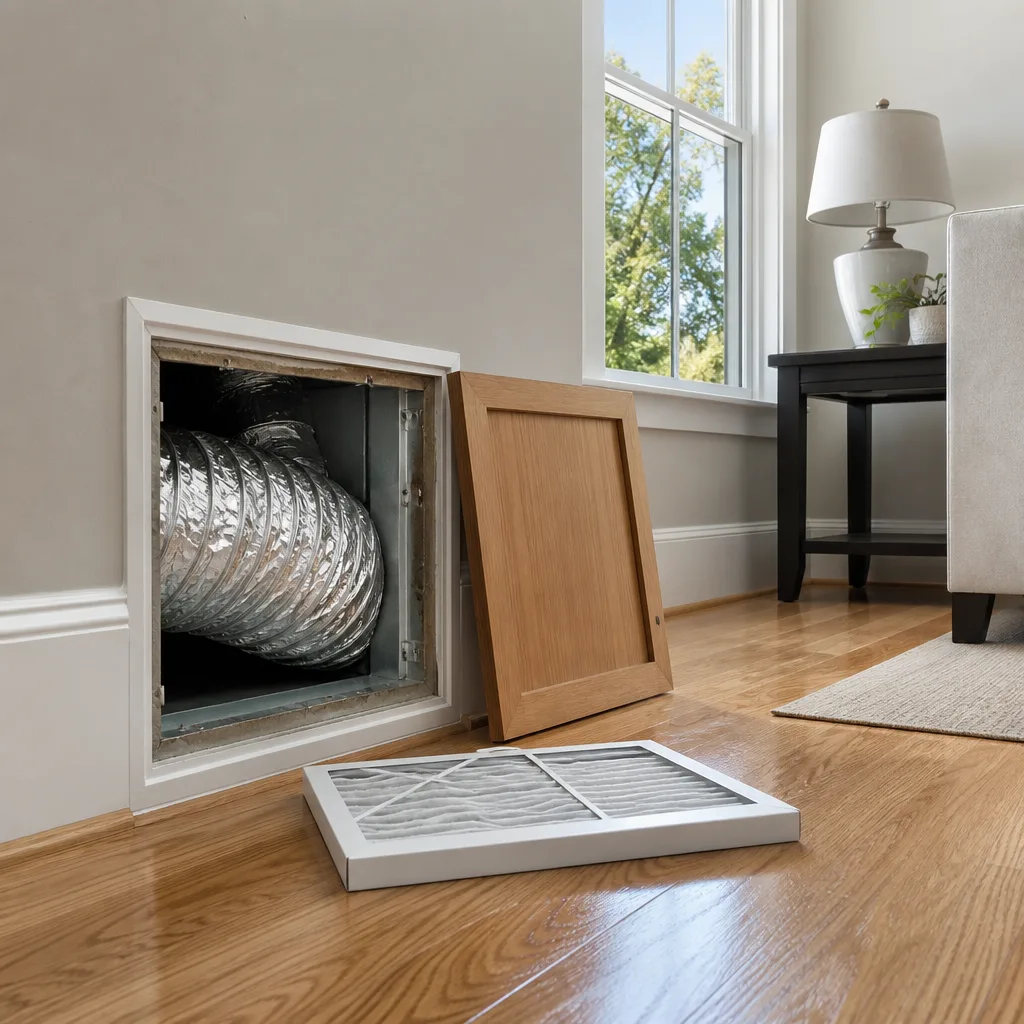
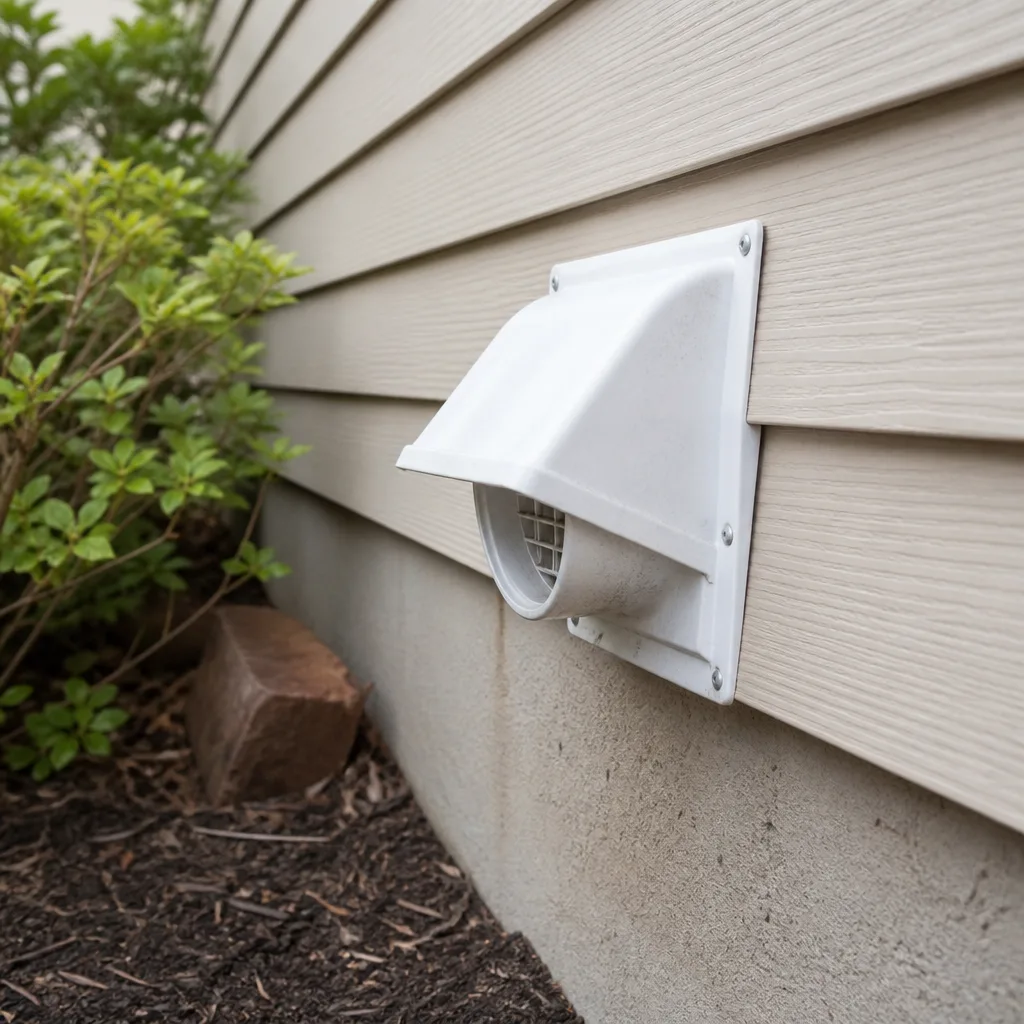
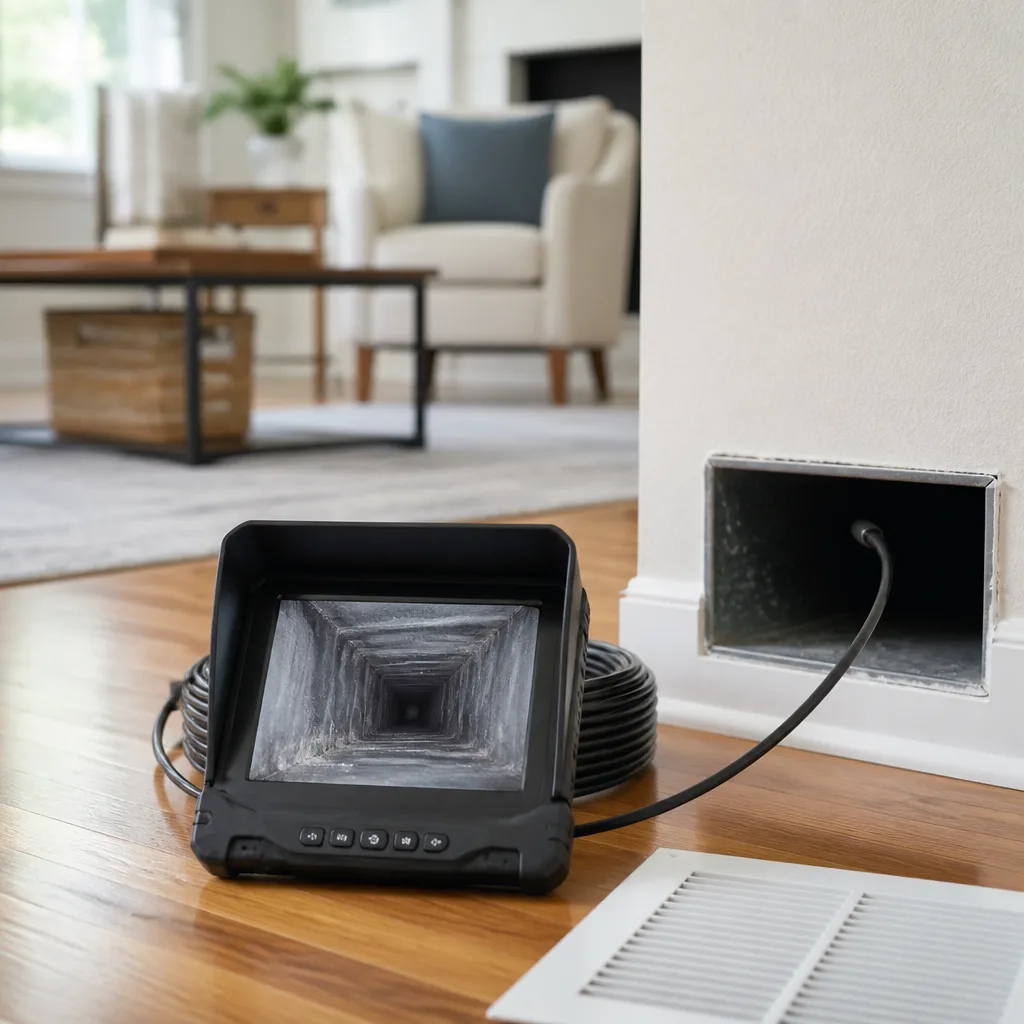
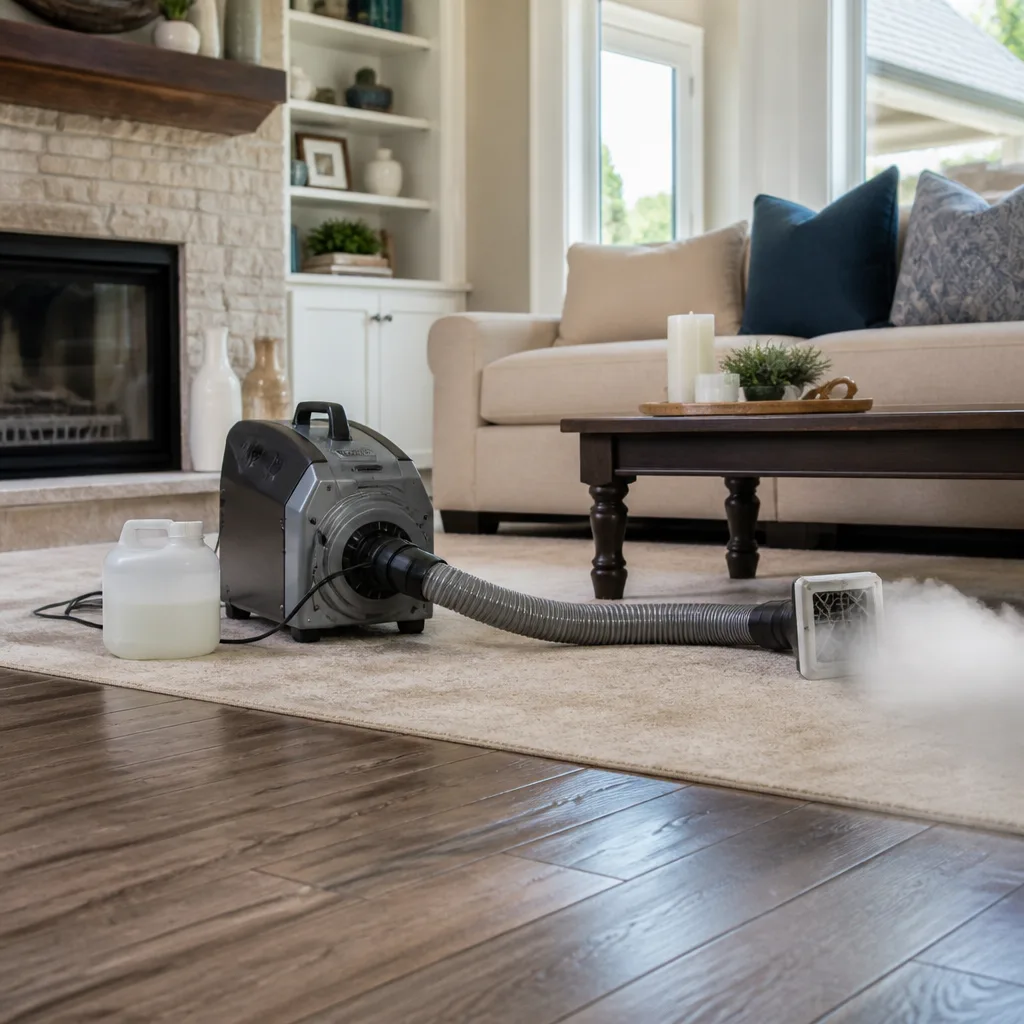
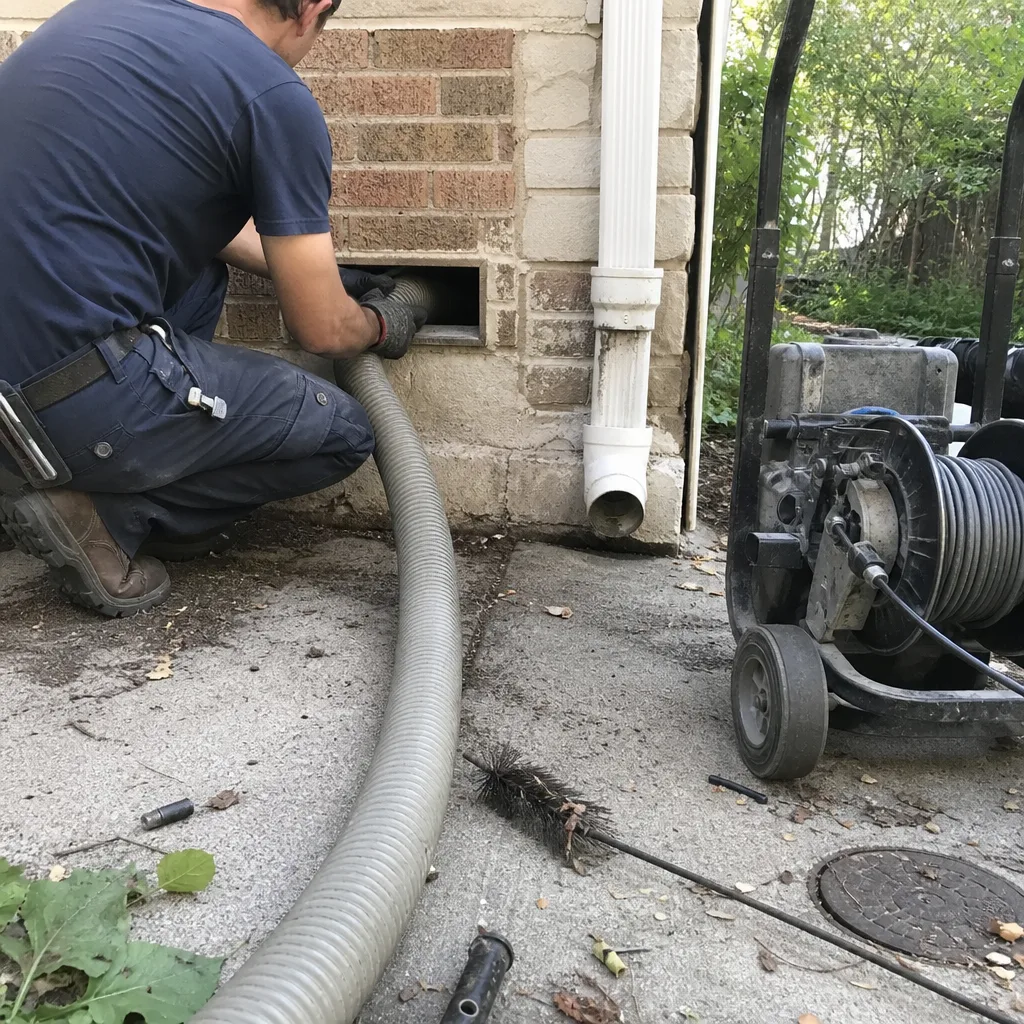 Before
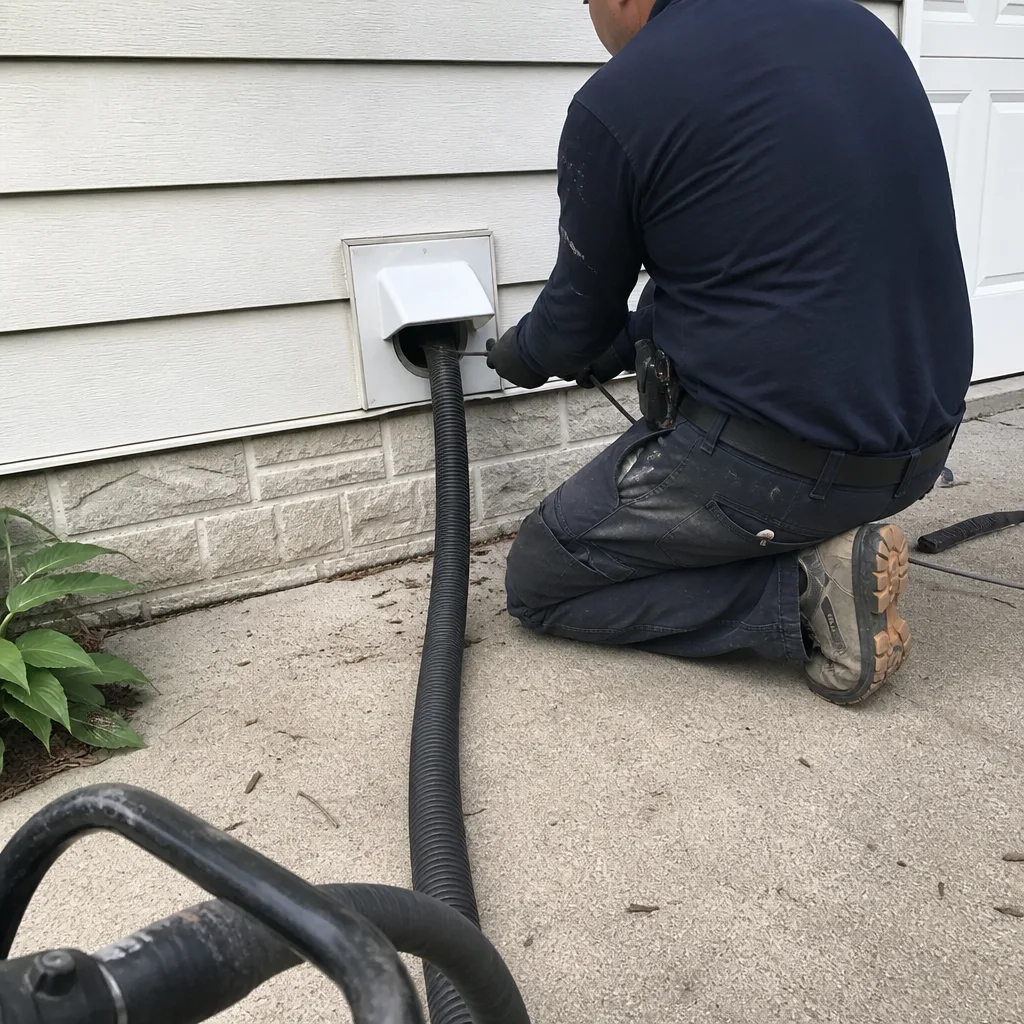 After
After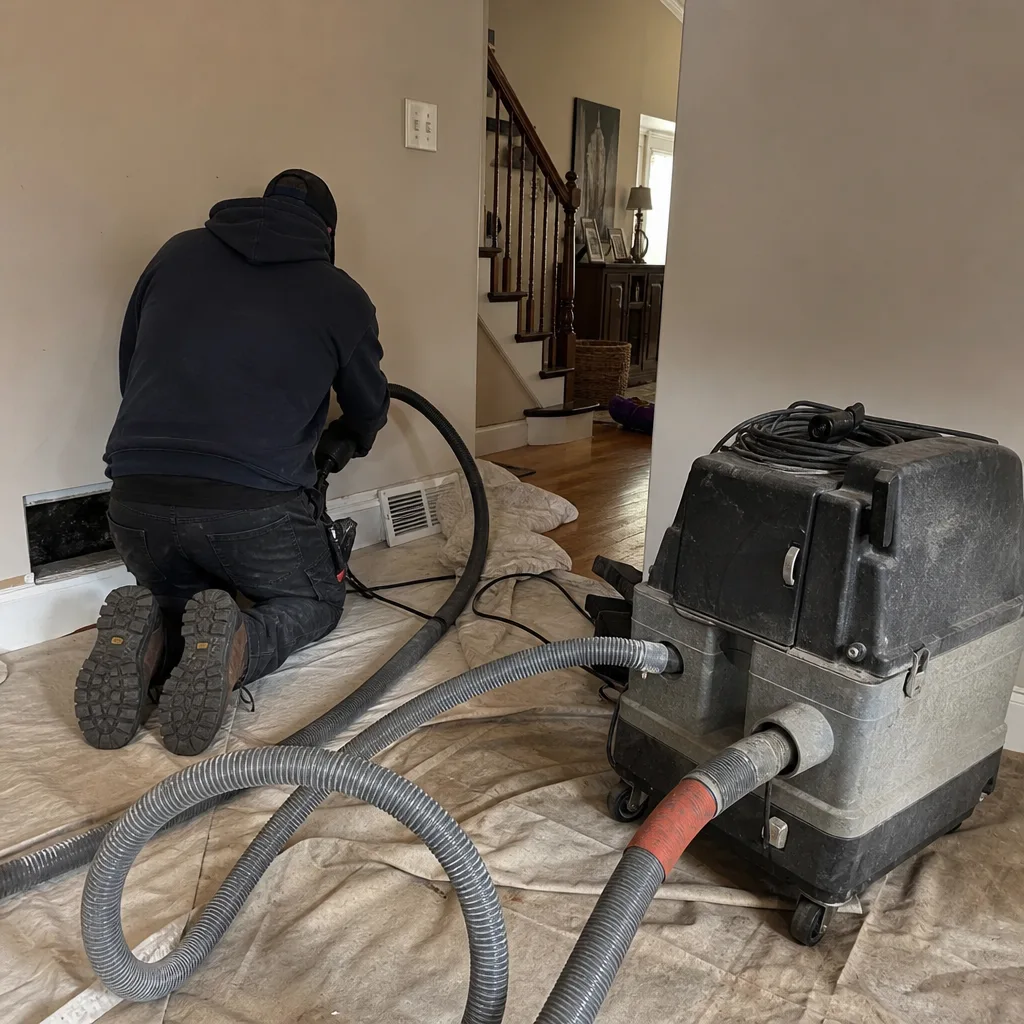 Before
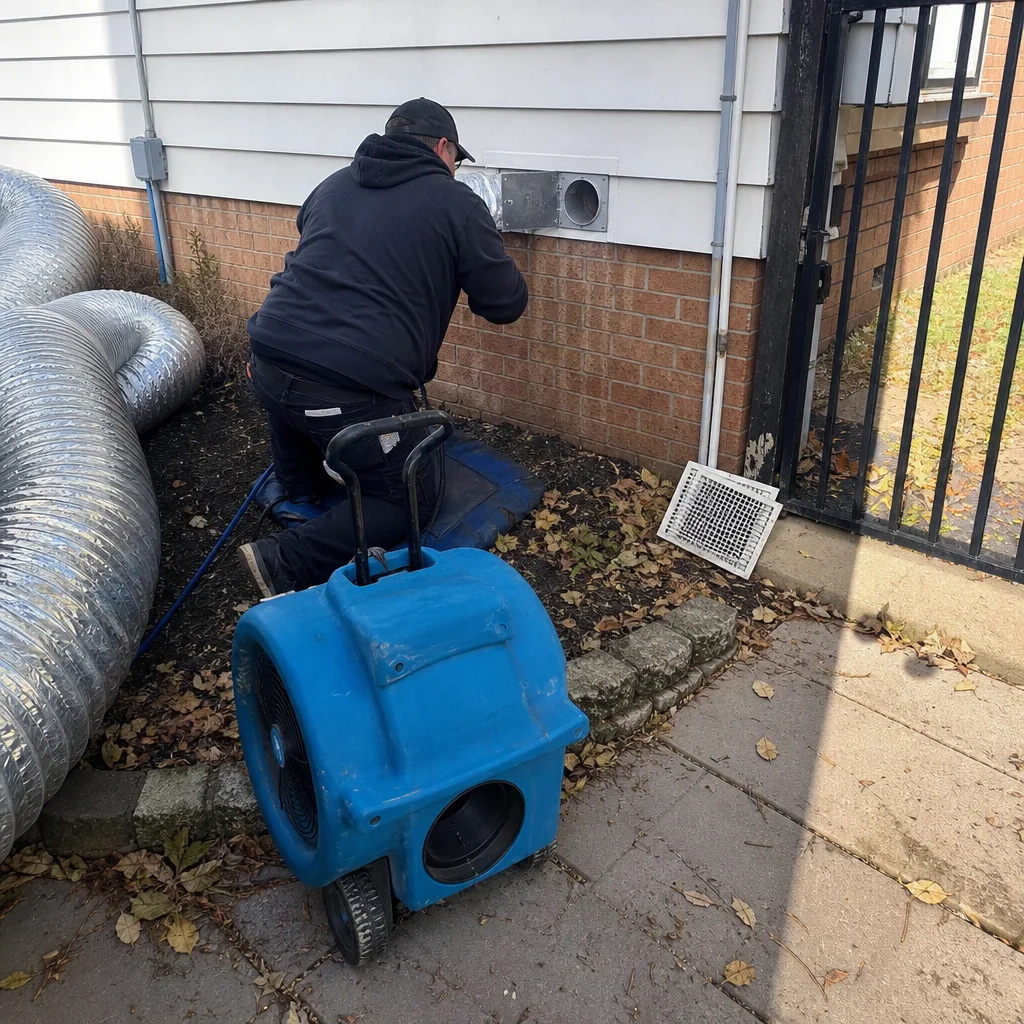 After
After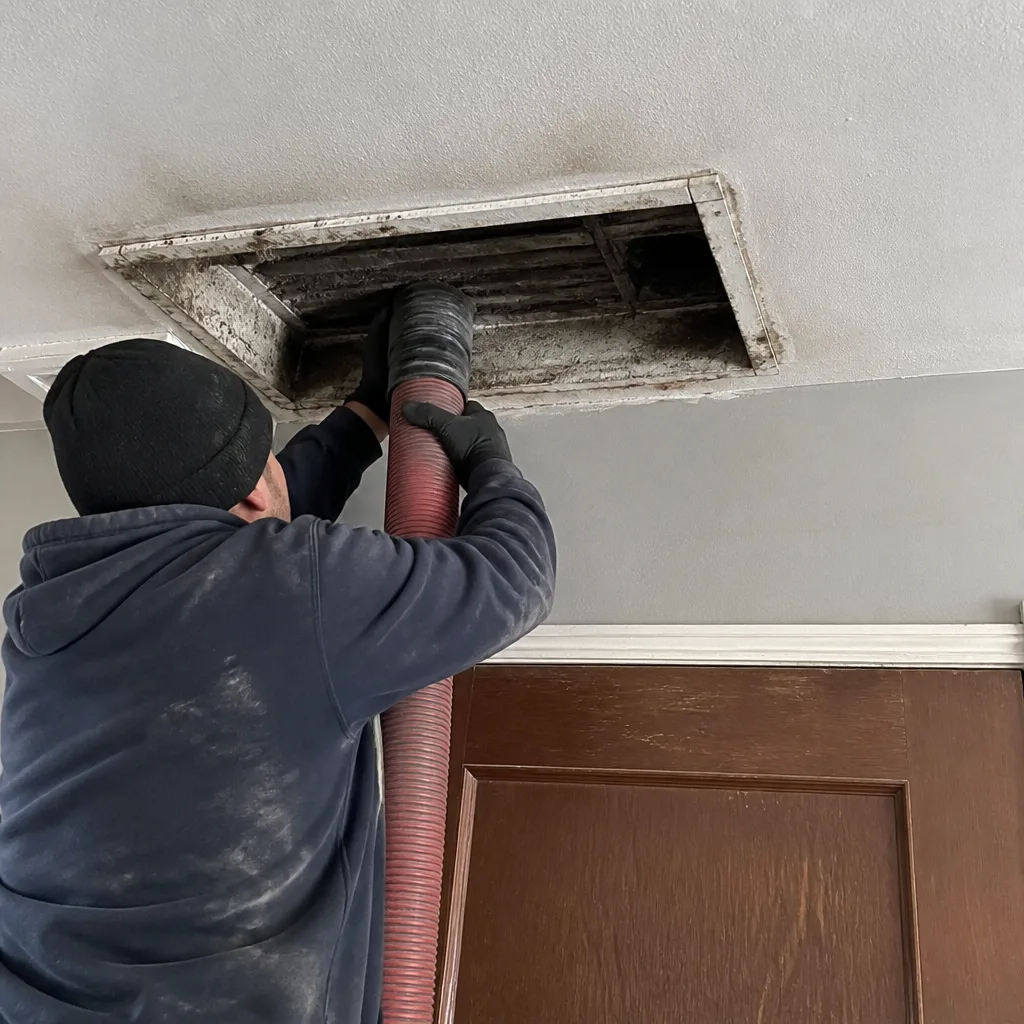 Before
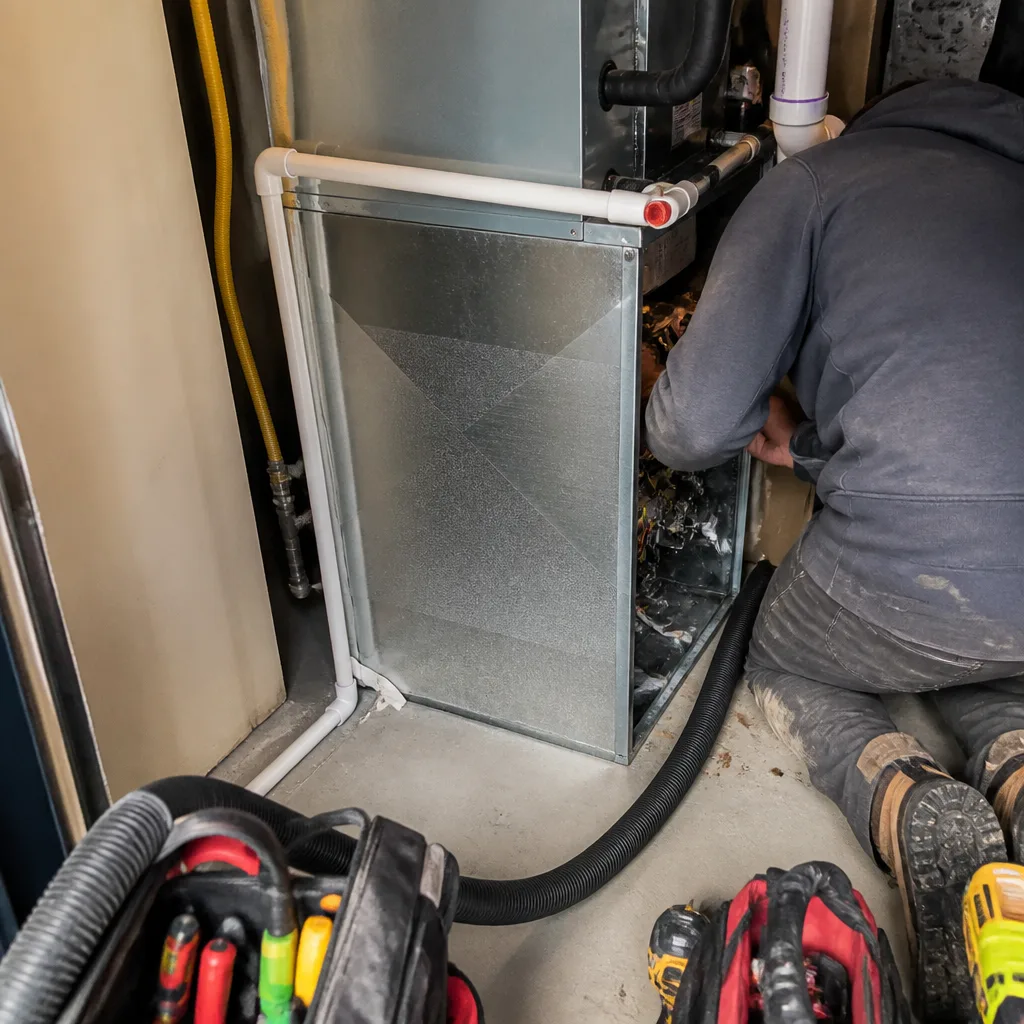 After
AfterAbatement Technologies Register & Grille Cleaning: The Chicago Owner’s Guide
Abatement Technologies register and grille cleaning in Chicago runs $340-$580 for a complete residential system, and we stock the compatible tools and fittings for same-day service on most Abatement Technologies HEPA-Care and Predator series installations. We see these components most often in medical office conversions, vintage high-rises near the Loop, and newer construction in West Loop where Abatement Technologies negative-air machines were specified for remediation work. The registers and grilles themselves don’t fail mechanically, but the sealing surfaces and adjustment hardware degrade from Chicago’s freeze-thaw cycling and the fine particulate load that comes off Lake Michigan during spring storms.
Most owners realize there’s a problem when they spot dust blowback after a cleaning, or when the grille won’t seat flush against the boot anymore. Sometimes it’s a property manager in a South Shore two-flat who notices the HEPA unit pulling harder than it should because the register gap is leaking negative pressure. We photograph every grille face and boot interface before we touch anything. Show the photo first. Talk second.
Which Abatement Technologies Models This Applies To
Abatement Technologies built register and grille assemblies across three main equipment lines that remain in service throughout Chicago: the HEPA-Care HC500 series (the compact negative-air units common in Lincoln Park basement renovations), the Predator 600 and 800 series portable scrubbers, and the older AIRE GUARDian line still found in some River North commercial conversions. The critical identifier is the boot diameter and the grille fastening pattern, not the machine serial number. HEPA-Care units use a 12-inch round boot with three-point cam locks; Predator series shifted to a 14-inch square flange with quarter-turn fasteners in 2016.
We carry OEM Abatement Technologies gaskets and hardware, plus compatible aftermarket grilles from Guardsman that match the static-pressure ratings at roughly 60 percent of OEM cost. The aftermarket option makes sense for rental properties and flips; for active remediation sites still under warranty, we recommend sticking with Abatement Technologies factory parts to avoid coverage disputes. One compatibility gotcha: the 2014-2017 HEPA-Care HC550 used a transitional boot flange that looks identical to the current HC580 but has a narrower gasket groove. We measure before we quote.
CleanRun Air Duct Cleaning Chicago is an independent service provider, not affiliated with Abatement Technologies.
Signs Your Abatement Technologies Register & Grille Cleaning Is Failing
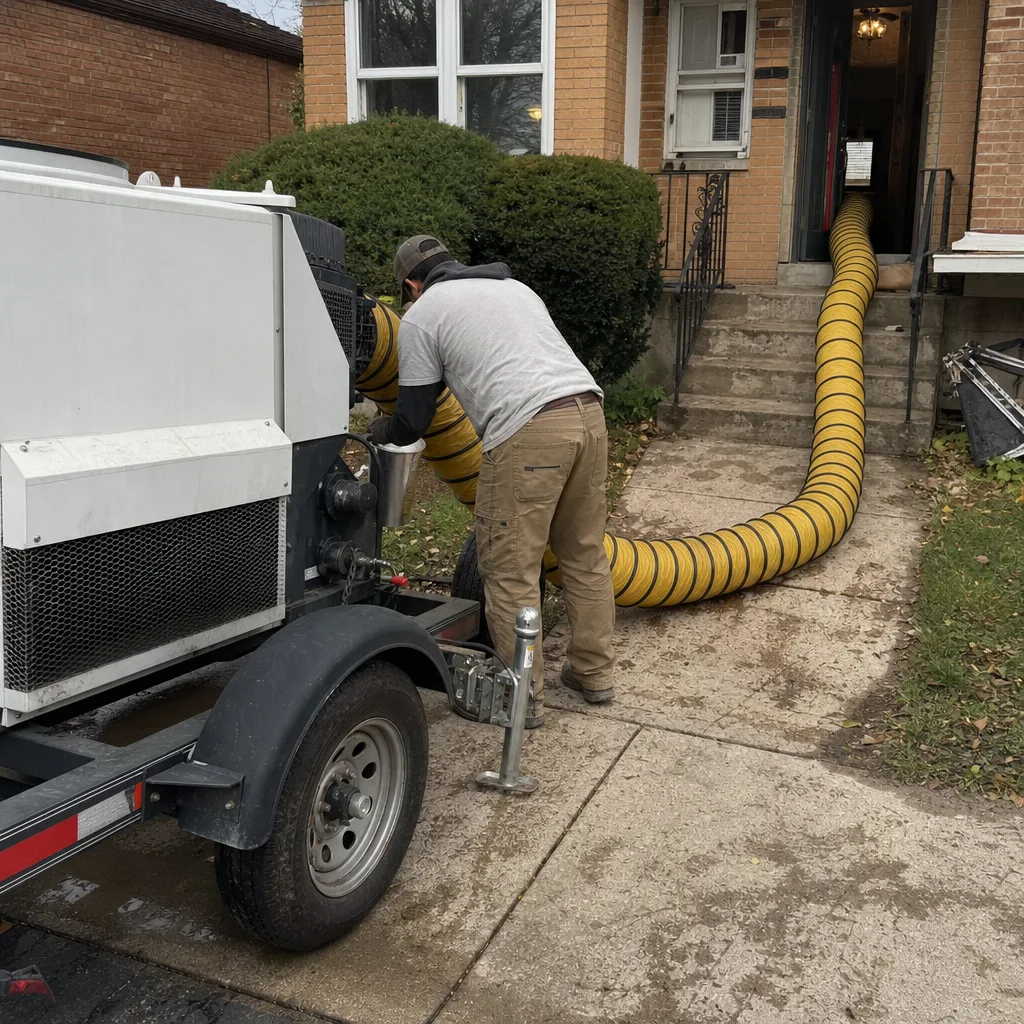
- Dust streaking on the ceiling perimeter. This indicates the gasket between grille and boot has hardened or torn, allowing filtered air to escape at the edges. In Chicago’s climate, EPDM gaskets typically degrade in 6-8 years if the space isn’t humidity-controlled.
- Rattling or whistling at the register during operation. The cam locks or quarter-turn fasteners have worn, or the grille frame has warped from heat cycling. We see this most in buildings with rooftop HVAC where summer attic temperatures exceed 140 degrees.
- Visible corrosion or white oxidation on the grille face. Chicago’s lake-effect humidity attacks zinc-plated steel faster than inland markets. Once oxidation reaches the sealing surface, negative-pressure integrity is compromised regardless of how tight the fasteners feel.
- The grille sits crooked or gaps are visible when viewed from below. Either the boot flange has deformed from overtightening during past cleanings, or the grille’s internal frame has cracked. This is common in buildings where maintenance staff used standard shop vacs without proper Abatement Technologies adapter fittings.
- Reduced airflow at the machine despite clean filters. The register is leaking suction upstream, forcing the blower to work harder. We measure static pressure across the assembly to confirm; a drop of more than 0.3 inches water column at the grille indicates seal failure.
BeforeAfterReplacement Cost & What’s Included
| Service | Price Range |
|---|---|
| Single register/grille cleaning and reseal (gasket replacement, hardware torque, photo documentation) | $340-$420 |
| Full system register and grille service (all points, typical 4-6 register residential setup) | $480-$580 |
| Grille replacement with OEM Abatement Technologies part (part + labor + documentation) | $180-$260 per grille |
| Boot flange repair or replacement (when the mounting surface itself is damaged) | $220-$340 per location |
What drives the range: accessibility (drop ceiling vs. exposed duct), material type (galvanized steel, aluminum, or stainless in food-service installations), and whether the boot itself needs work. Every quote is written and agreed before we open a tool case, per Haven Standard Clause 1. The 365-Day Done Right Promise covers the workmanship; OEM parts carry manufacturer warranty, and we document serial numbers in your job record so there’s no dispute later.
DIY or Call Us?
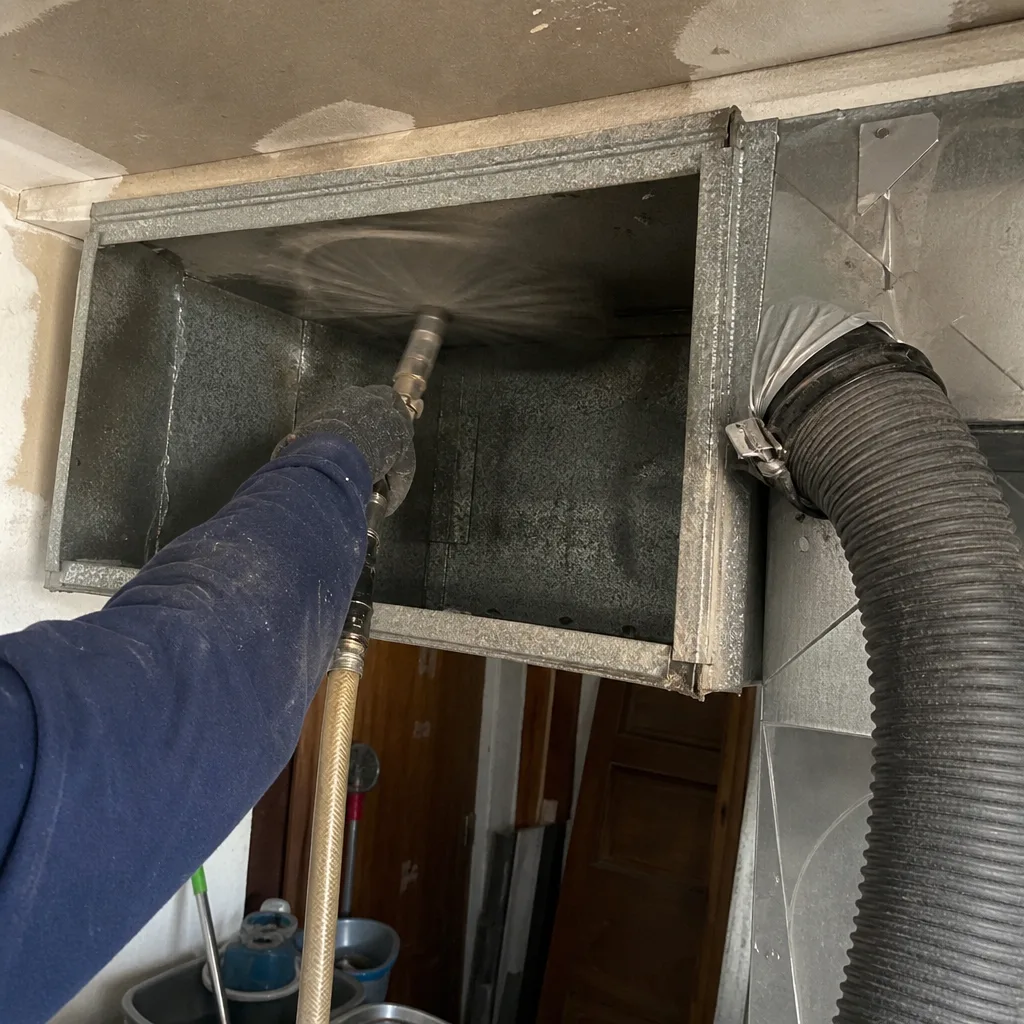
An owner can safely remove a grille for visual inspection: power down the unit, support the grille with one hand while releasing the fasteners with the other, and check the gasket for cracking or compression set. What you cannot assess without a manometer is whether the boot flange itself is leaking, or whether the static-pressure balance across your system has shifted. We’ve found homeowners in Wicker Park and Bucktown who replaced grilles twice before realizing the real problem was a collapsed flex duct upstream.
There’s no high-tension or electrical hazard in register work itself, but the negative-air machines these connect to pull serious CFM. A poorly seated grille can detach under load, and the blower won’t shut off fast enough to prevent injury or equipment damage. If your Abatement Technologies unit is part of an active remediation setup with containment, disturbed airflow can compromise the entire barrier. For that reason, we don’t recommend DIY on any register connected to a running negative-air system.
Call (708) 683-3974 and we’ll put a written number next to your situation.
FAQs
In Chicago’s climate, expect 7-10 years for standard galvanized grilles in humidity-controlled spaces, and 4-6 years in unconditioned attics or basements where freeze-thaw cycling accelerates gasket degradation. Lakefront properties see faster corrosion on the finish. Call (708) 683-3974 for an exact quote on replacement - estimates are free.
Gaskets and hardware can be replaced; warped or corroded grille faces cannot be restored to OEM static-pressure specs. We photograph the damage and show you the test results before recommending either path. Call (708) 683-3974 for an exact quote - estimates are free.
A typical residential system with 4-6 points takes 2.5-3.5 hours, including photography, pressure testing, and documentation. Commercial remediation setups with containment protocols run longer. Call (708) 683-3974 for an exact quote - estimates are free.
We carry gaskets, hardware kits, and Guardsman-compatible grilles for same-day service on HEPA-Care and Predator series. OEM Abatement Technologies grilles for older AIRE GUARDian units typically require next-day ordering. Call (708) 683-3974 for an exact quote - estimates are free.
We also stock parts for Lennox, Trane, and Carrier systems.
Written by Tomas Reyes, Owner, CleanRun Air Duct Cleaning Chicago at CleanRun Air Duct Cleaning Chicago, serving Chicago and nearby areas.