
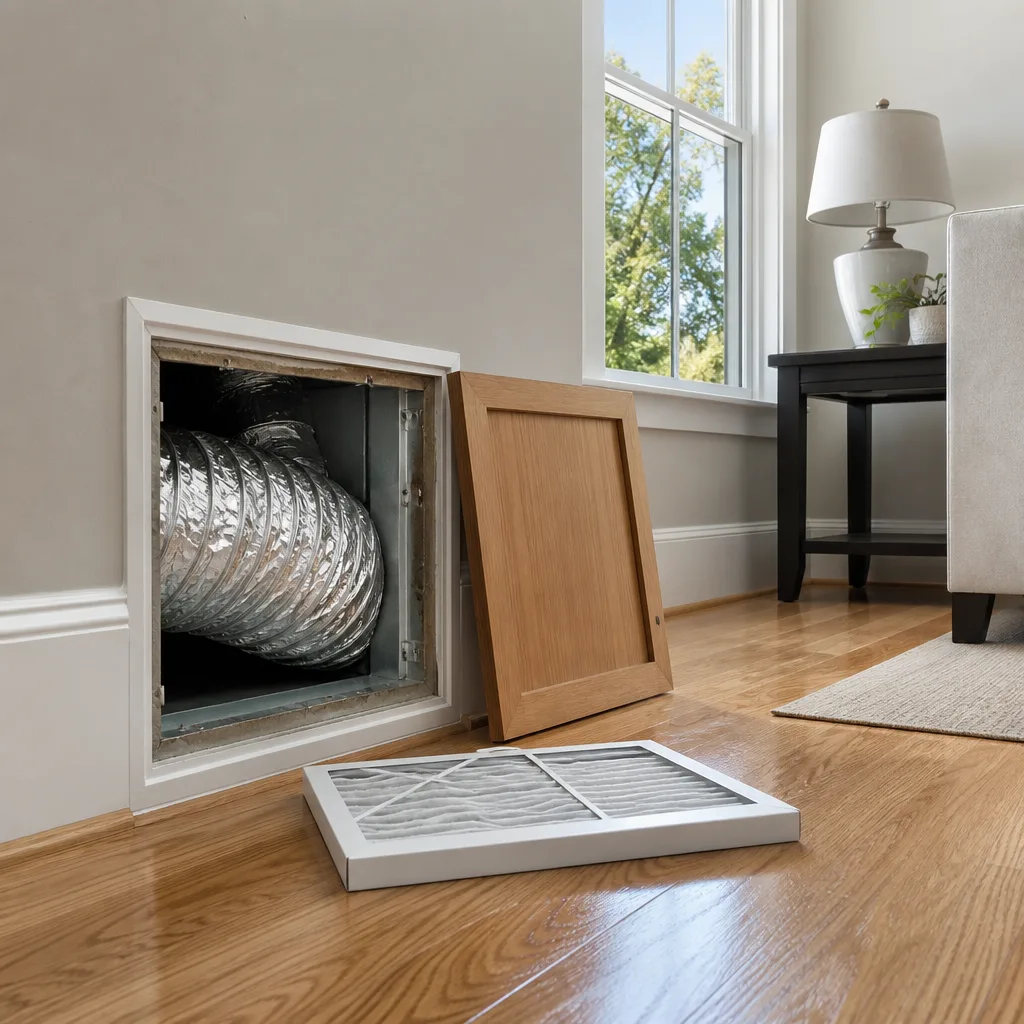
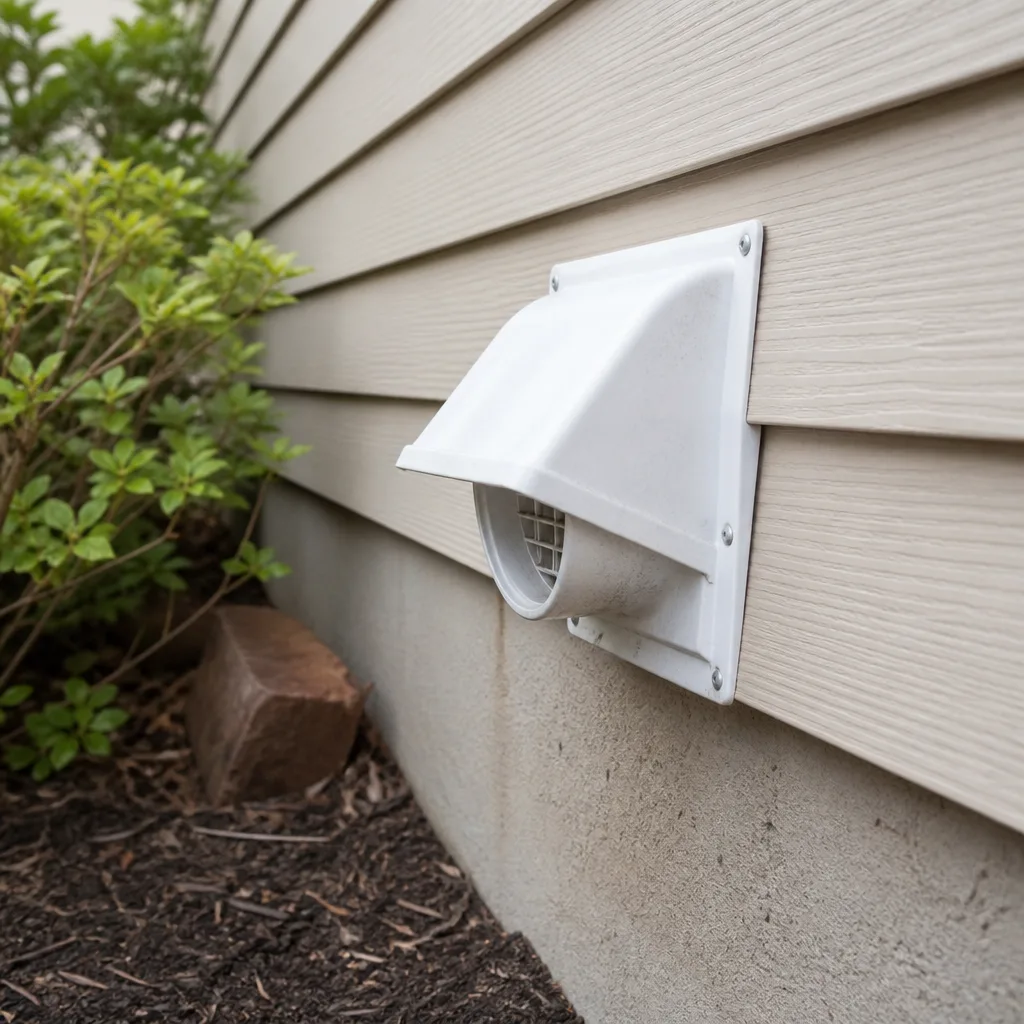
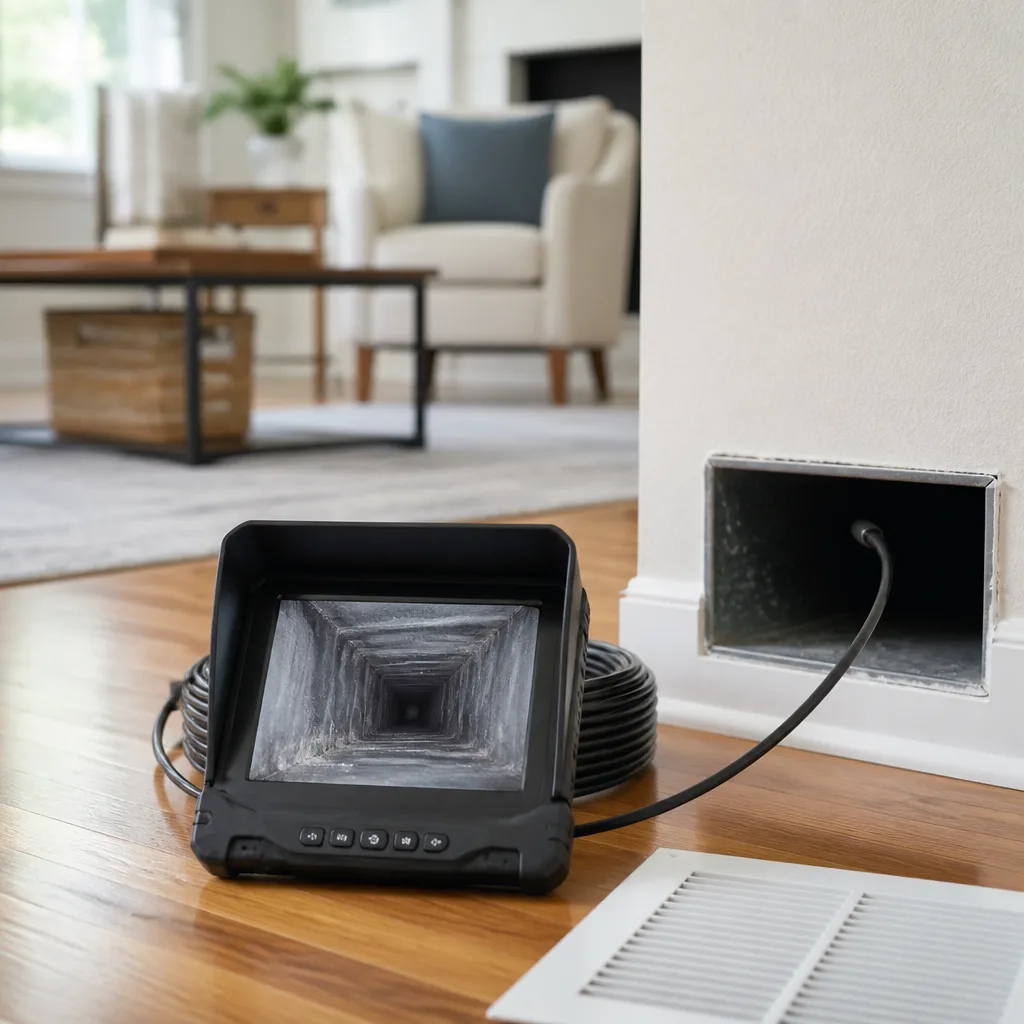
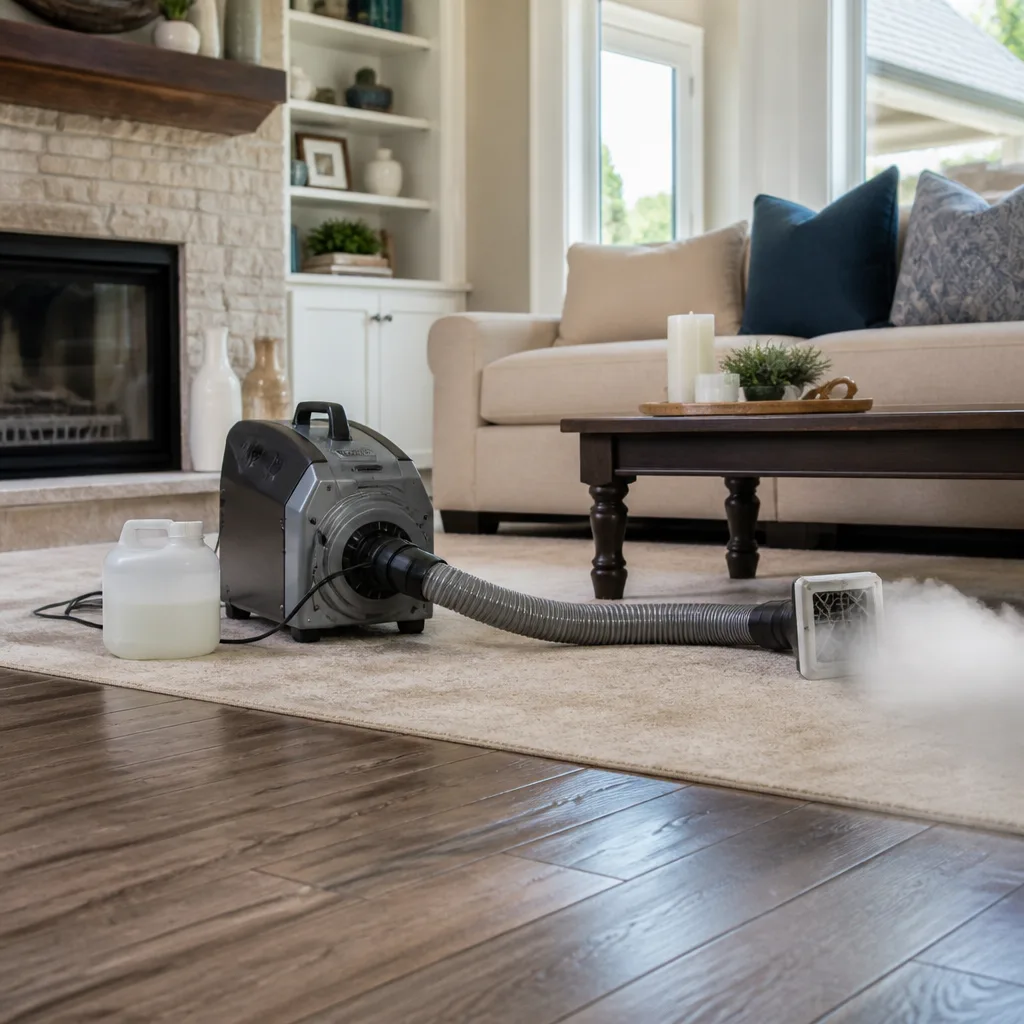
Whole-system duct and dryer vent check with before-and-after photos - you see exactly what came out of your vents
That "$99 whole-house special" is a bait ad - the real number appears once they are in your hallway, or the "clean" is a shop-vac at the register. We photograph the inside of your ducts before and after instead.
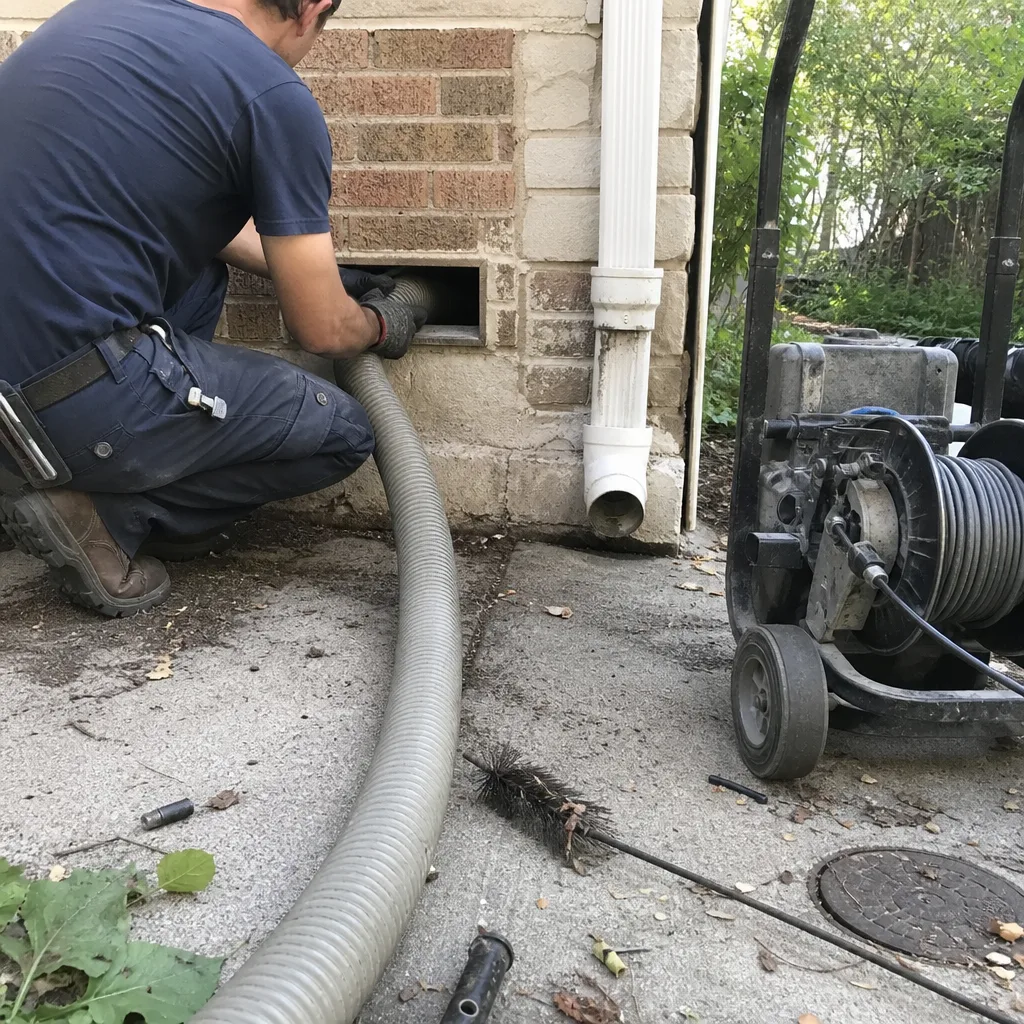 Before
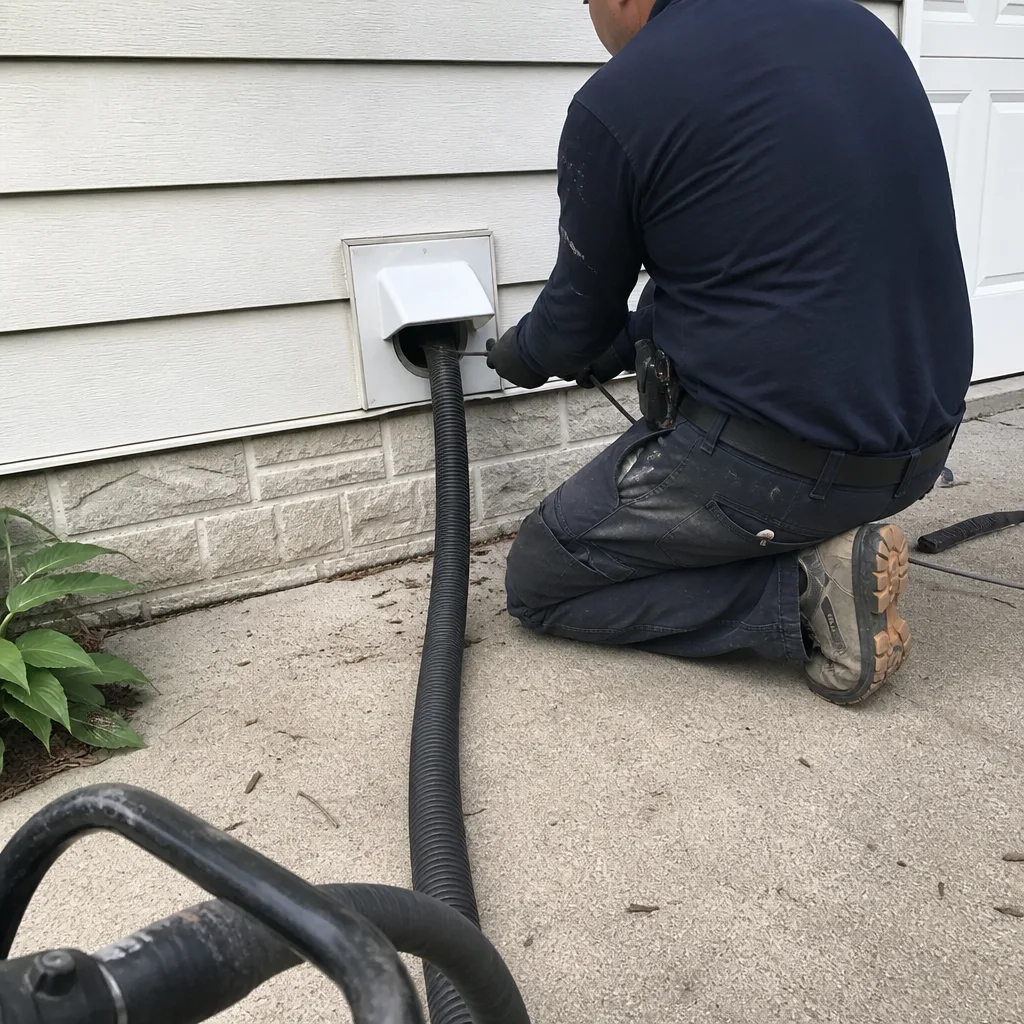 After
After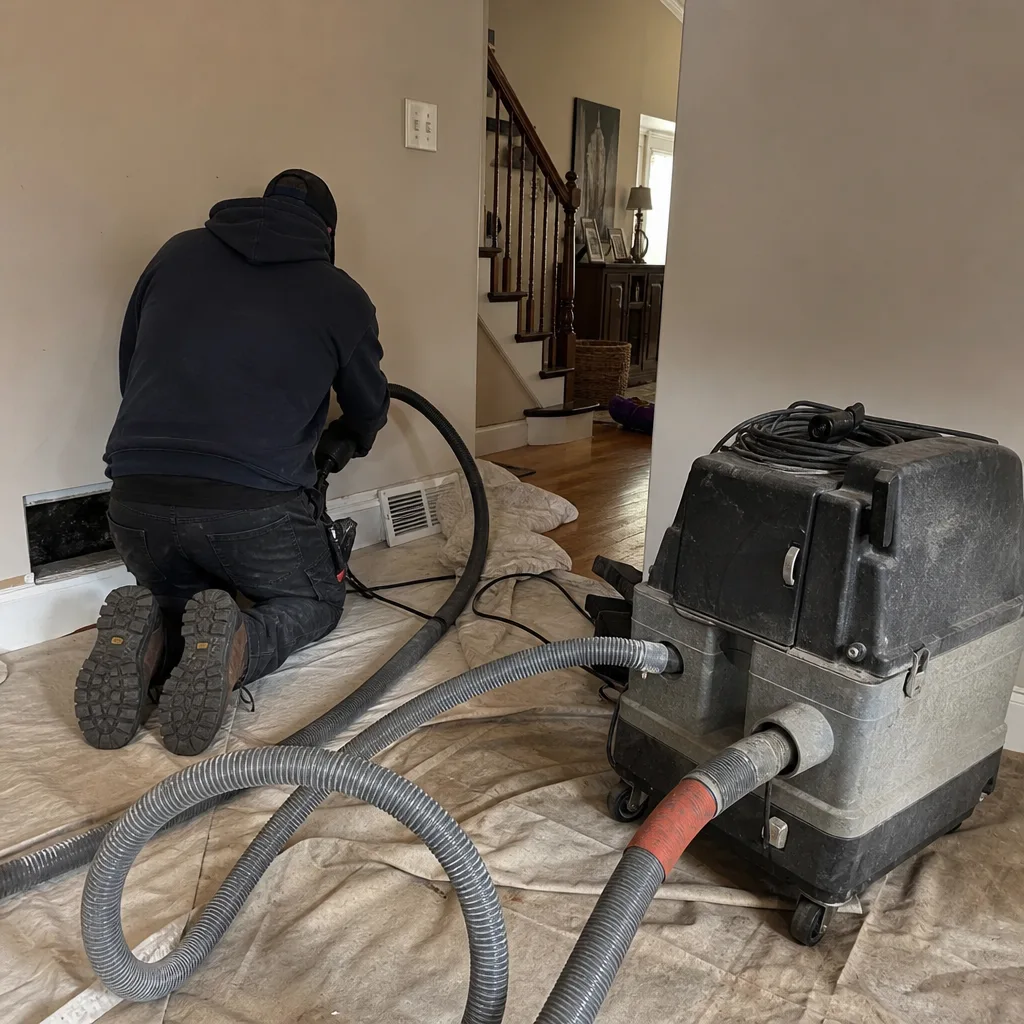 Before
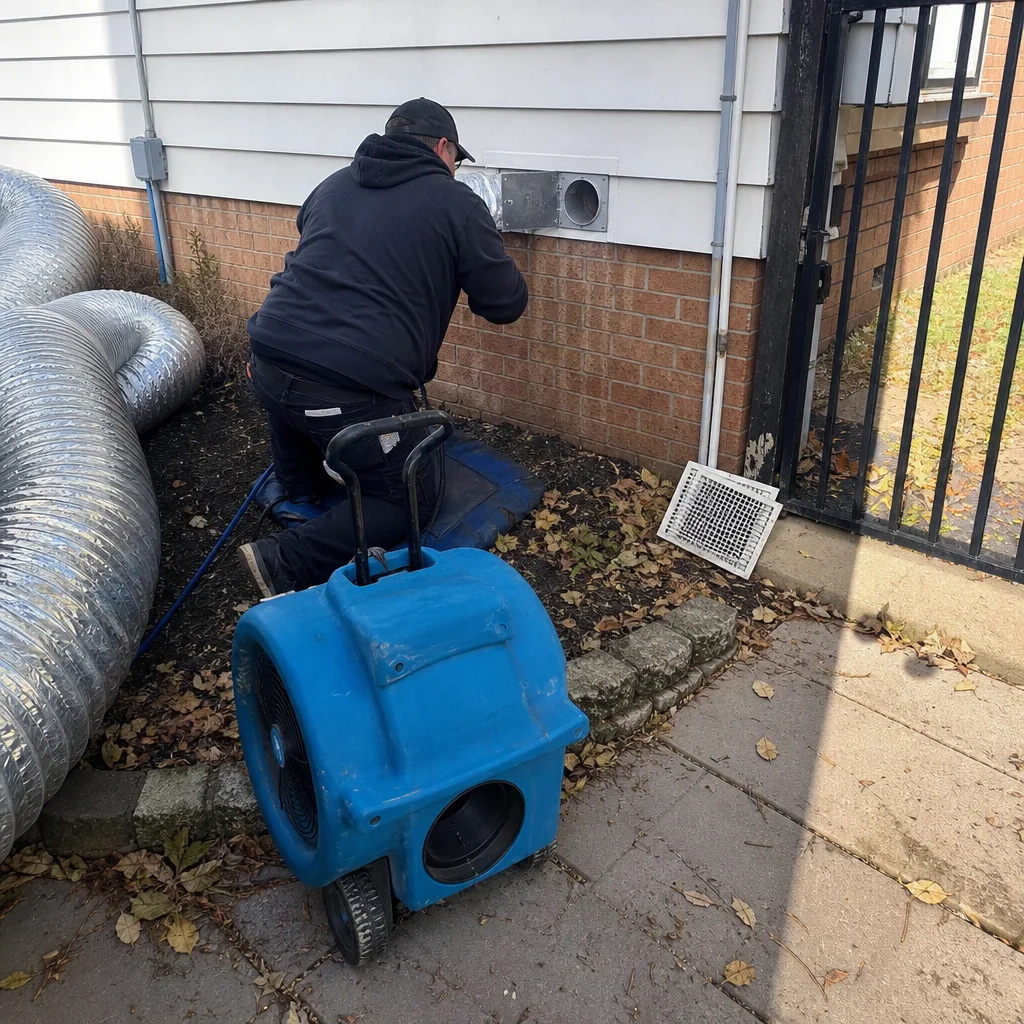 After
After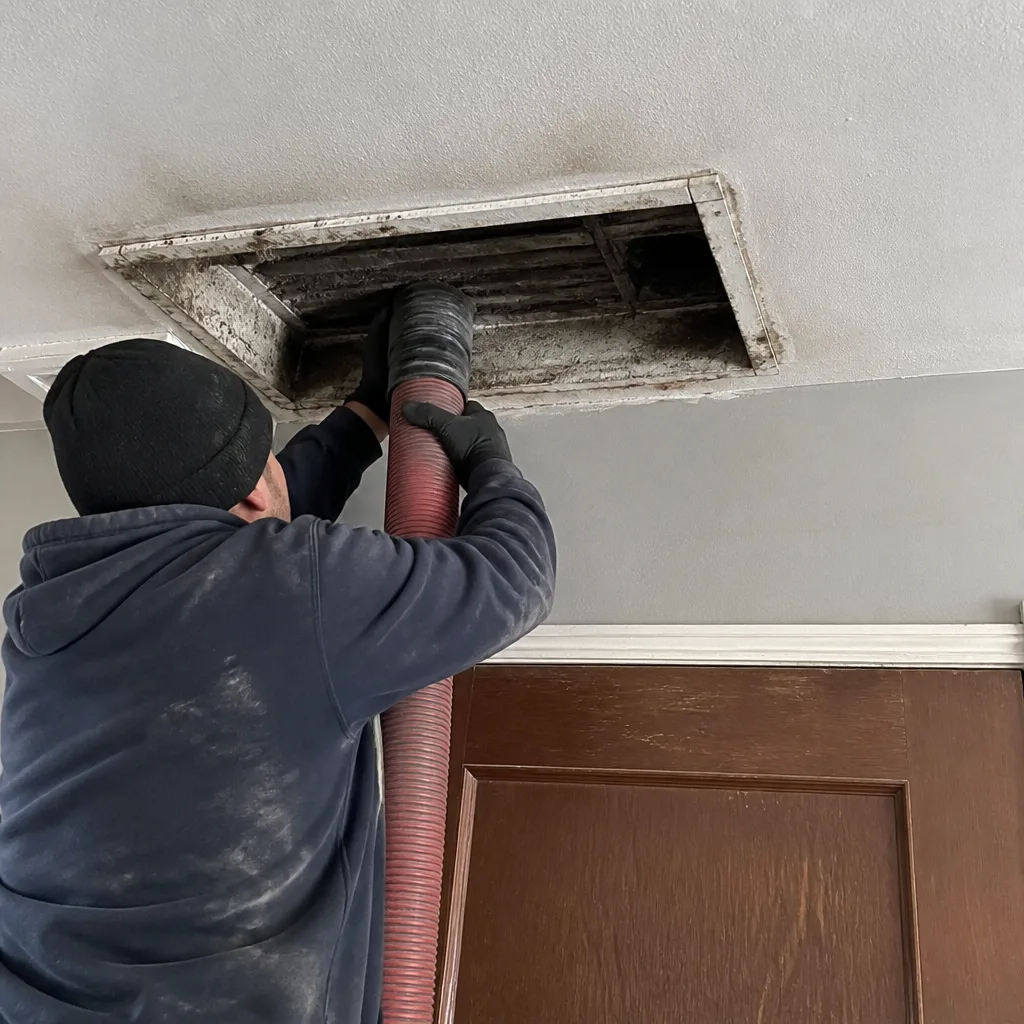 Before
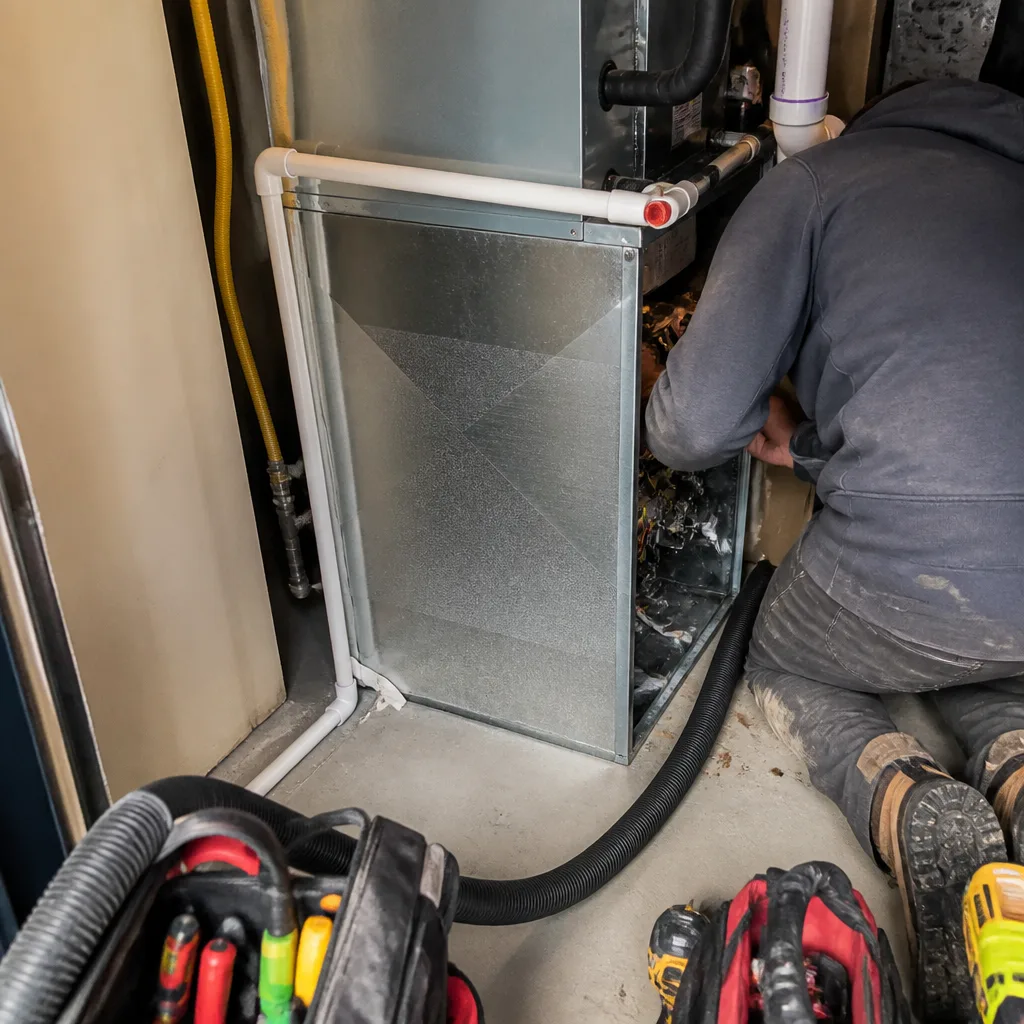 After
AfterHoneywell Coil Cleaning: The Chicago Owner’s Guide
Honeywell coil cleaning in Chicago typically runs $340-$620 for a full evaporator or condenser coil service on residential systems, and we stock the compatible cleaning agents and tools for most Honeywell air handlers and heat pumps same-day. The coil itself is rarely the part that gets replaced; what fails is the efficiency of the heat transfer surface after years of Chicago’s pollen, road grit, and freeze-thaw cycles compact into the fins. Most owners figure it out when their upstairs bedroom never reaches the thermostat setpoint in July, or when their Honeywell zone panel starts throwing high-static alerts that weren’t there last season.
Which Honeywell Models This Applies To
Honeywell doesn’t manufacture its own residential air handlers in the way Carrier or Trane does. Instead, Honeywell’s name shows up on coil assemblies inside OEM-built units, particularly in the HZ432, HZ322, and older Trol-A-Temp zoning systems common in Chicago two-flats and mid-century ranches from Park Ridge to Oak Park. The coil we’re actually cleaning is typically a copper-tube, aluminum-fin evaporator housed in a Honeywell-branded cabinet or a third-party chassis with Honeywell controls mounted upstream.
To identify what you’ve got, check the data plate on the air handler cabinet (not the thermostat). Look for a model prefix like HW, HZ, or sometimes a bare numerical series if the coil was sourced through Honeywell’s OEM channel. The critical spec is the fin density: Honeywell-specified coils in Chicago installations from 2010-2019 often run 12 fins per inch, which clogs faster than the 8-9 FPI common on basic builder-grade units. We carry foaming cleaner rated for both densities, plus low-pressure rinse equipment that won’t fold the fins over.
Aftermarket coil cleaning agents exist, but the pH balance matters. We’ve seen generic foaming cleaner etch the aluminum on Honeywell-labeled coils that use a thinner hydrophilic coating than Carrier or Lennox equivalents. We use Honeywell-specified or cross-referenced compatible solutions on these jobs.
Signs Your Honeywell Coil Cleaning Is Failing
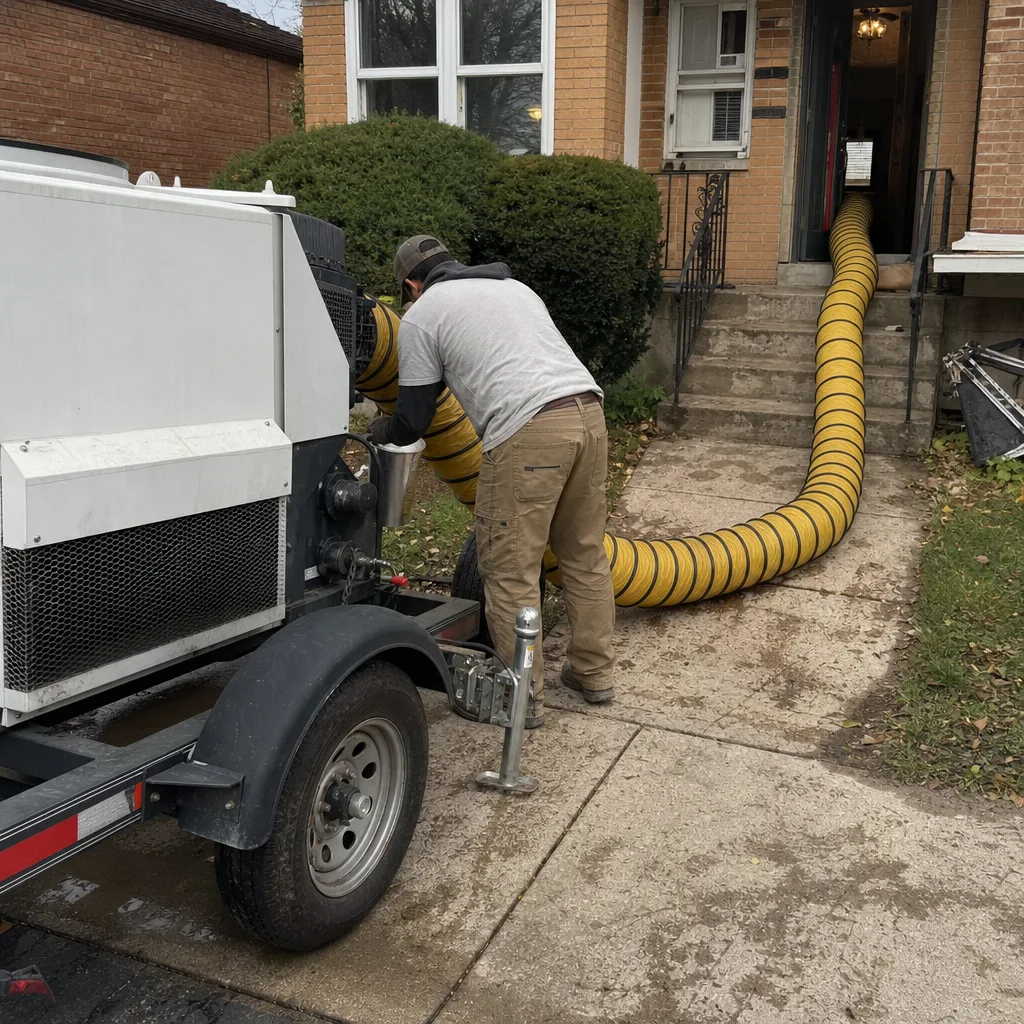
- Uneven cooling between floors. The coil’s fin pack is partially blocked, so the air handler moves less volume to the second-floor duct run. In Chicago’s bungalow belt, we see this most in homes with original gravity-duct conversions where the return path is already marginal.
- Ice formation on the suction line or coil cabinet. Restricted airflow across a dirty coil drops the refrigerant temperature below freezing. The ice builds, blocks more airflow, and the cycle compounds until the compressor trips on low-pressure lockout.
- Honeywell zone panel shows high static pressure alerts. Modern Honeywell zone systems measure pressure across the supply plenum. A clogged coil raises that reading, which forces the panel to stage down or bypass air to the return, wasting energy and wearing the motor.
- Musty odor at startup that fades after ten minutes. Biological growth on the coil surface releases when the fan first kicks on. Chicago’s lake-effect humidity from May through September keeps the coil wet enough to support it if the drain pan isn’t sloped right.
- Electric bill climbs without thermostat changes. The system runs longer to hit setpoint because the heat transfer efficiency has dropped. We’ve photographed coils in Lincoln Park vintage buildings where the fin surface was 40% occluded by construction dust from a 2019 renovation that never got cleaned out.
BeforeAfterReplacement Cost & What’s Included
| Service Level | Chicago Price Range | What’s Included |
|---|---|---|
| Evaporator coil cleaning (accessible) | $340-$480 | Access panel removal, foaming cleaner application, low-pressure rinse, fin straightening as needed, drain pan treatment, before/after photo record |
| Evaporator coil cleaning (restricted access) | $480-$620 | Above plus plenum modification, platform build, or attic crawl in tight Chicago framing |
| Condenser coil cleaning (outdoor unit) | $280-$420 | Fin comb-out, foaming cleaner, flush, electrical compartment inspection, photo record |
| Both coils (full system) | $560-$820 | Combined service, system performance check, written scope, 365-Day Done Right Promise |
The range depends on access, not on how dirty it is. A coil behind a finished basement soffit in a Wicker Park greystone takes longer to reach than one in an open utility closet. Every job gets a written price before we touch a panel, per Haven Standard Clause 1. The 365-Day Done Right Promise covers the work: if the odor returns or the static pressure doesn’t drop to spec, we return and make it right. CleanRun Duct Repair & Cleaning is an independent service provider, not affiliated with Honeywell.
DIY or Call Us?
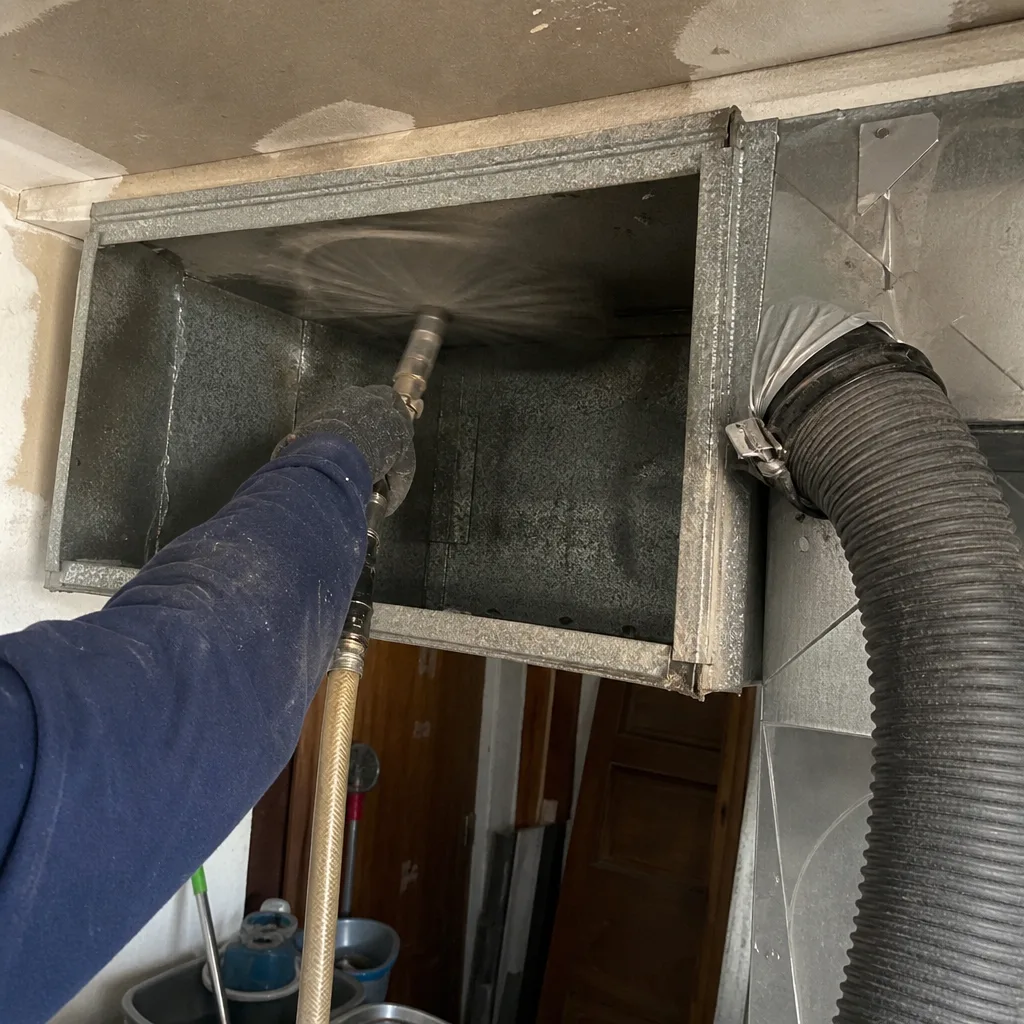
What you can safely check yourself: the filter upstream of the coil (replace it if it’s gray and stiff), the condensate drain line (blow it clear if you see standing water in the pan), and the outdoor condenser for visible debris like cottonwood seed or leaves. These are low-risk and may solve minor symptoms.
Where DIY goes wrong: evaporator coils sit under negative pressure in the plenum, and the wrong cleaner leaves residue that off-gasses into the ductwork for weeks. High-pressure rinsing folds the fins closed, permanently reducing airflow. And in Chicago’s older housing stock, the access panel often isn’t designed for repeated removal; we’ve seen homeowners crack the seal or strip the threads on sheet-metal screws that haven’t turned since the Reagan administration. The refrigerant lines run inches from the coil surface; a puncture releases the charge and requires EPA-certified recovery. We don’t recommend coil disassembly or chemical application without training and the right low-pressure equipment.
If you’re seeing ice, smelling mold, or watching your zone panel throw alerts, call (708) 683-3974. We’ll give you a written price before we start, and you’ll get the photo record to see what was actually in there.
FAQs
In Chicago’s climate, with lake-effect humidity and heavy pollen seasons, we recommend inspection every three years and cleaning every four to five years for most residential systems. Homes near construction zones, major arterials like the Kennedy or Dan Ryan, or with pets may need cleaning every two to three years. Call (708) 683-3974 and we’ll put a maintenance interval in writing based on your specific system and location.
No. A coil isn’t repaired for surface contamination; it’s cleaned or it’s replaced if the fins are corroded through or the tubes are leaking. Corrosion is irreversible, but it’s also rare before the 15-year mark on coils installed after 2005. We assess this during access and show you the photo before recommending replacement. Call (708) 683-3974 for an exact evaluation.
Most residential Honeywell coil cleanings take two to three hours from arrival to system restart. Restricted access in Chicago’s older buildings can stretch that to four hours. We don’t price by the hour, so the time doesn’t affect your invoice. Call (708) 683-3974 to schedule.
Yes. Our trucks carry foaming cleaner compatible with Honeywell-specified fin densities, low-pressure rinse wands, fin combs, and drain pan treatment. For coil replacement (not cleaning), we cross-reference Lennox, Trane, and Carrier equivalents when Honeywell OEM stock is backordered, which we disclose in writing before ordering. Call (708) 683-3974 to confirm same-day availability for your model.
CleanRun Duct Repair & Cleaning has held to one practice since our first job in 2013: show the photo first. Talk second. Tomas Reyes, who grew up in Queens and learned the trade at Apex Technical School in Long Island City before spending two decades in furnaces and plenums across the Midwest, still photographs every register opening before the vacuum hose goes in. If there’s nothing to show, there’s nothing to charge for. That standard hasn’t changed in 52,000 homes.
Call (708) 683-3974 for a free written estimate. Estimates carry no obligation and include our Free Second Opinion on any competitor’s written quote.
Written by Tomas Reyes, Owner, CleanRun Air Duct Cleaning Chicago at CleanRun Air Duct Cleaning Chicago, serving Chicago and nearby areas.